
Five details you can add to transition-era cabooses
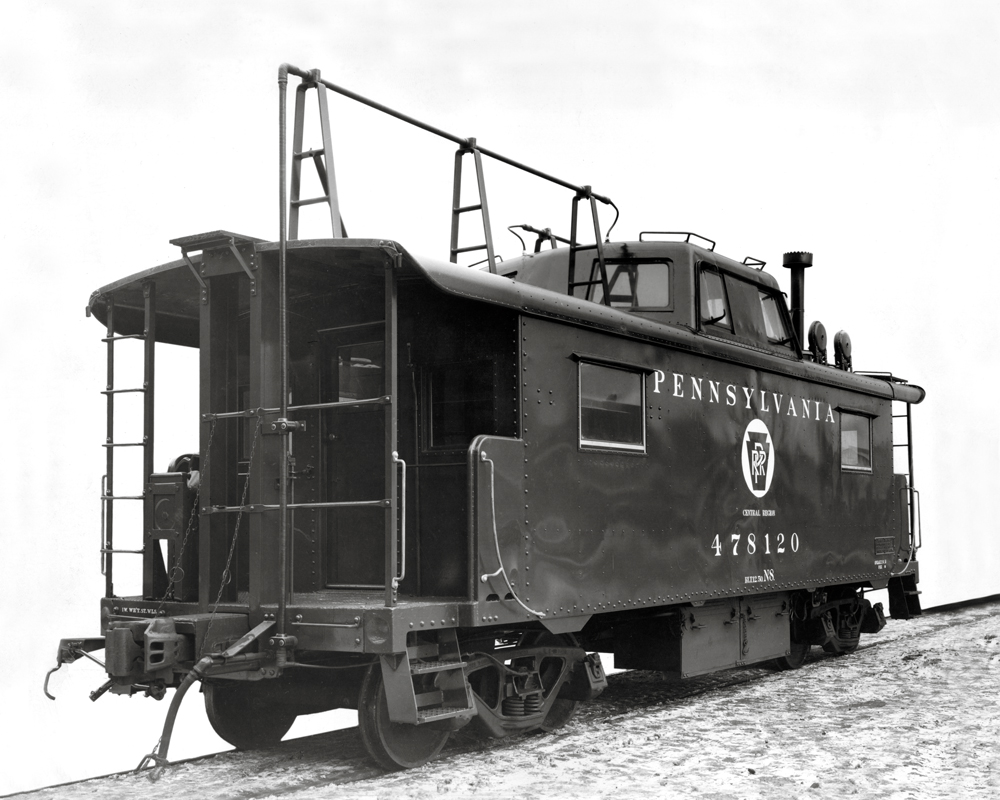
Black-and-white photo of steel caboose with rooftop antenna

We’ll take a look at five details you can add to transition-era cabooses. Some details are railroad-specific, while others apply to many railroads. When in doubt, refer to prototype photos. The steam-to-diesel transition era, roughly 1940 to 1960, is the most popular modeling era. There are several reasons for this. Many people who model this […]

Read More…

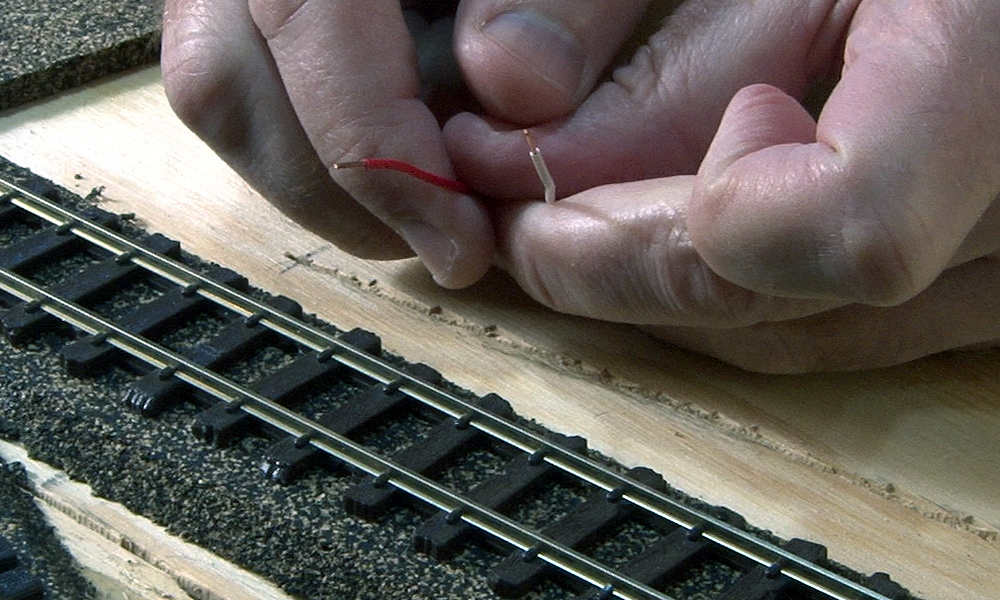
Solder track feeder wires in 10 quick steps

Hands holding a pair of wires, one white and one red.

Solder track feeder wires: Good feeder wires are an important part of building a reliable model railroad. Feeders are the small wires that connect the track to a layout’s power bus and ultimately to its control system. Whether you are using AC, DC, or Digital Command Control (DCC) to run your trains, you will need […]

Read More…

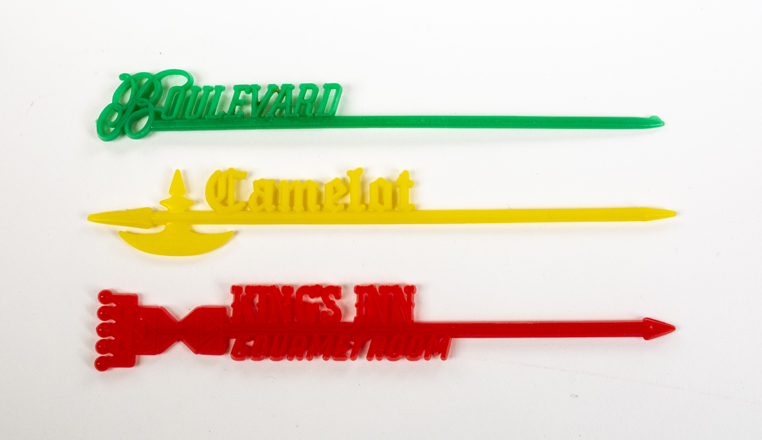
Make signs from swizzle sticks

Red, yellow, and green swizzle sticks on a white background

Signs from swizzle sticks: When my wife, kids, and I visited the General Store Antique Mall in Kewaskum, Wis., I wasn’t really thinking about model railroading (although I did run into a fellow modeler at the store). Instead, I planned on enjoying an hour or two browsing the dozens of booths in the two-story building […]

Read More…

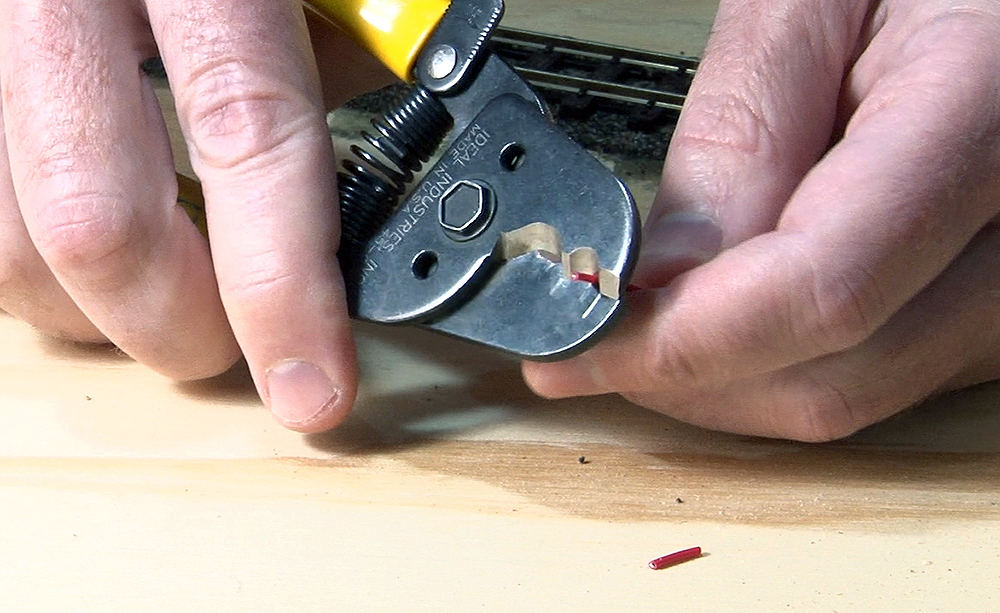
Tools to cut and strip wire when building a model railroad

Hands holding a gray metal wire cutter with its blades wrapped around a small red wire.

Tools to cut and strip wire when building a model railroad: When wiring a model railroad, an essential tool is a good pair of wire strippers. I use the two examples of wire strippers shown in fig. 1, and both have served me well over the years. While there are other wire-stripping tools available, these […]

Read More…

How to build a track cleaning car

How to build a simple track cleaning car – MR contributor Gerry Leone shares instructions for making your own rolling innovation for cleaning the rails of your model railroad! From Gerry’s workbench, you’ll see the tools, materials, and simple techniques needed to shape a railcar and a small patch of Masonite (hardboard) into an unrelenting […]

Read More…

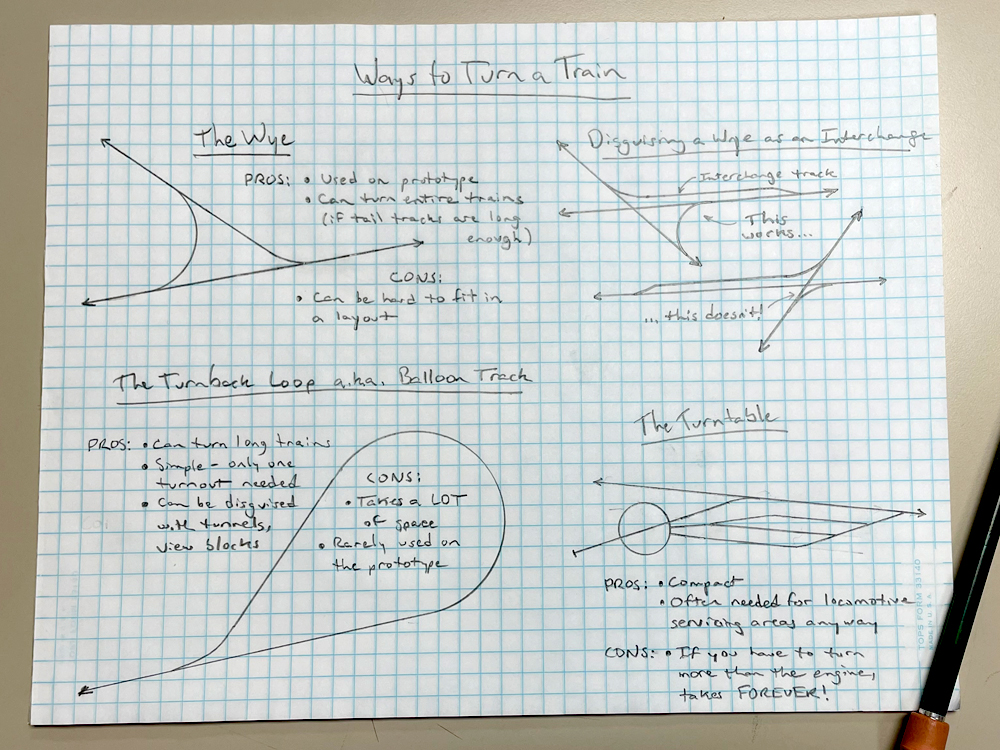
Ways to turn a train

A pencil sketch on graph paper lists pros and cons of using a wye, a turnback loop, and a turntable to turn trains

Unless you’re content with watching your trains go around and around a simple loop, eventually you’re going to be looking for ways to turn a train. Don’t get me wrong, it’s entirely possible to go through your entire train-operating career and never have to turn a train; maybe you always play the yardmaster, or your […]

Read More…

Track laying techniques are not tricky

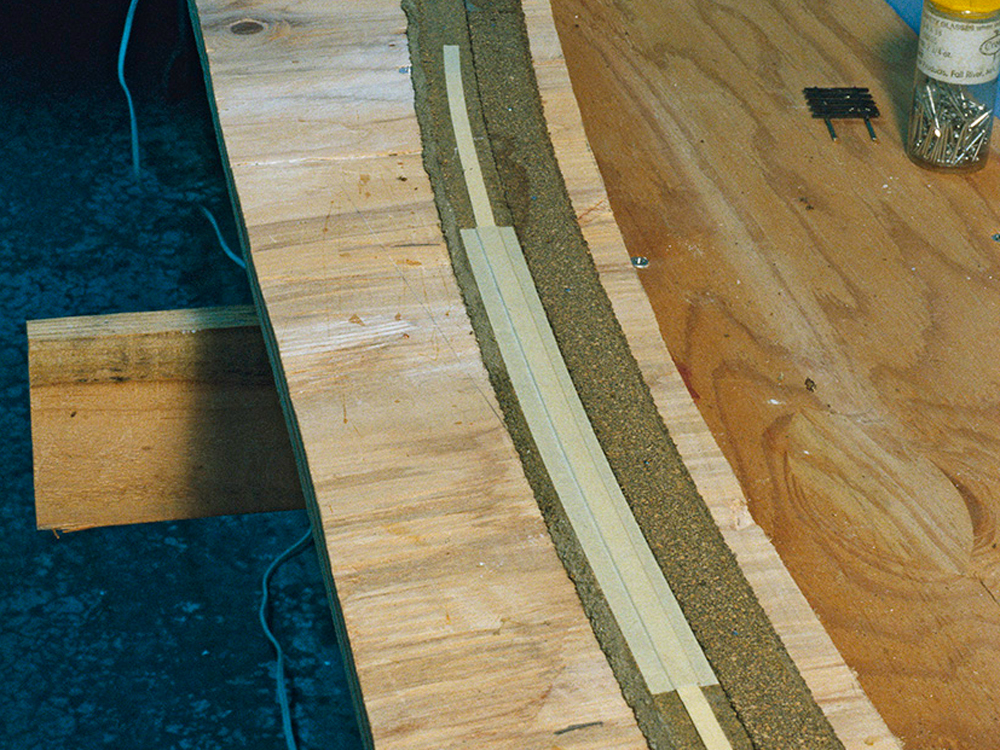
A superelevation ramp made of cardstock and masking tape strips is taped to the outside of a curve of cork roadbed

Q: I’m an HO scale modeler and struggling with track laying techniques. I would appreciate guidance on measuring, cutting, and installing flextrack on curves. I’m always disengaging the rails from the ties, and thus having trouble connecting to the next track. Also, when superelevating curves, is it better to attach the risers under the outer rail […]

Read More…

5 tips for moving a layout

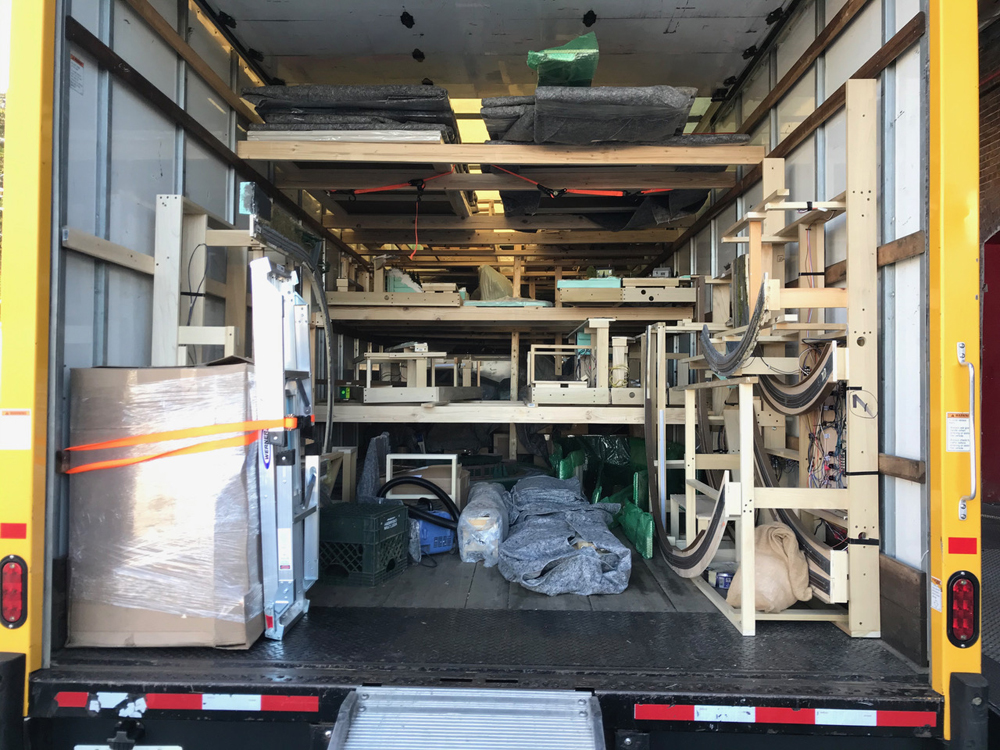
A moving truck packed securely with layout pieces

5 tips for moving a layout Many people spend years building their dream layout in their home, building it in permanently, thinking they will never move. But we know that life happens, and things change. When building your dream layout, even though you’re not planning on moving, build it in sections, so that it can be […]

Read More…

Is removing the flanges from locomotive drivers a good idea?

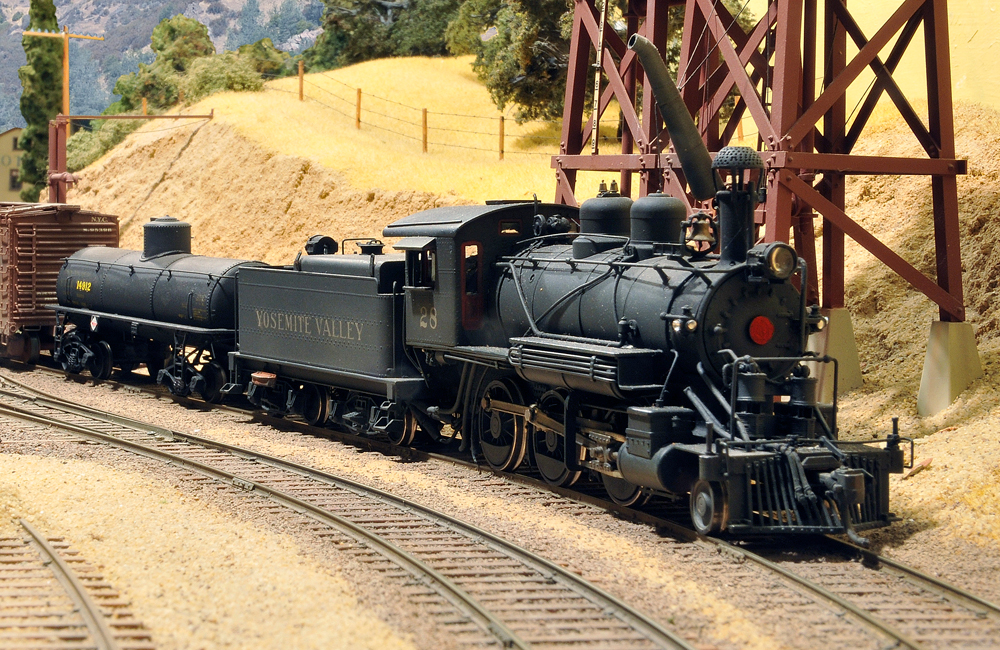
A short steam locomotive rolls around a curve alongside a water tank in a Western scene

Q: I have a new HO scale 2-6-0 steam locomotive that has trouble negotiating my layout’s 18-inch radius curves. My 4-4-0 locomotive runs fine on the layout. I’ve read that on longer wheelbase locomotives, the center drivers have their wheel flanges removed for tight radius layouts. Is removing the flanges from locomotive drivers a thing to do? Or […]

Read More…

Five ideas for a shelf layout

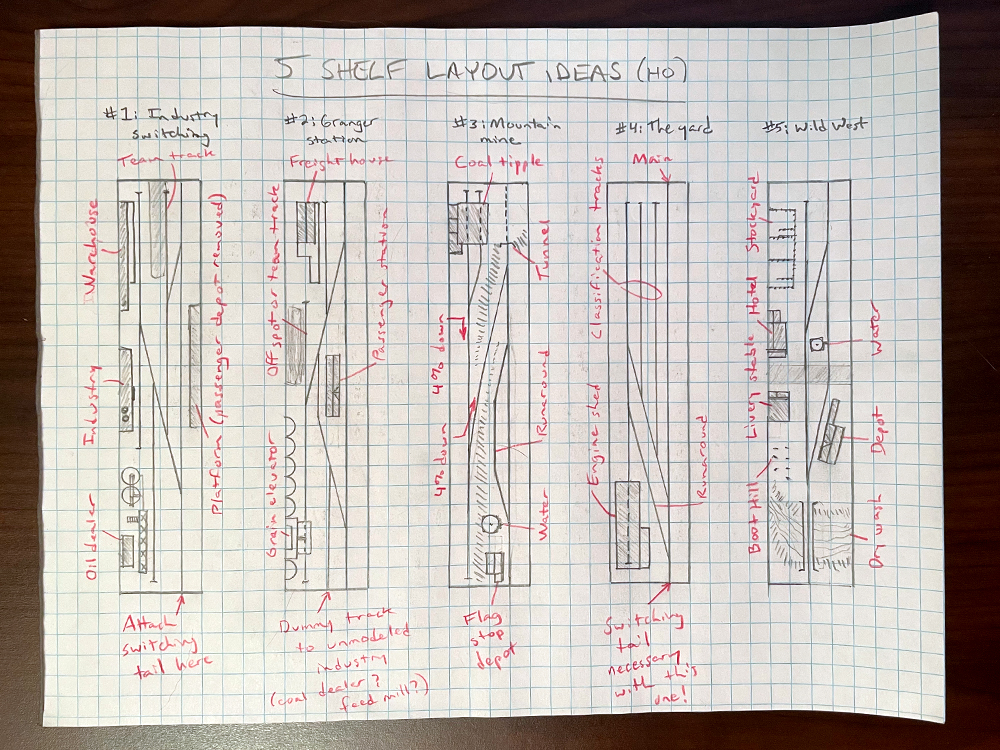
A sheet of graph paper holds five sketches of 1 x 5-foot HO scale shelf layout plans

As the author of Model Railroader’s “Ask MR” column, I get a lot of questions from readers. Usually I either know the answers or at least where I can find the answers for them. Sometimes, though, I get a question that stirs my imagination and prompts me to compose a more involved response. Such was […]

Read More…