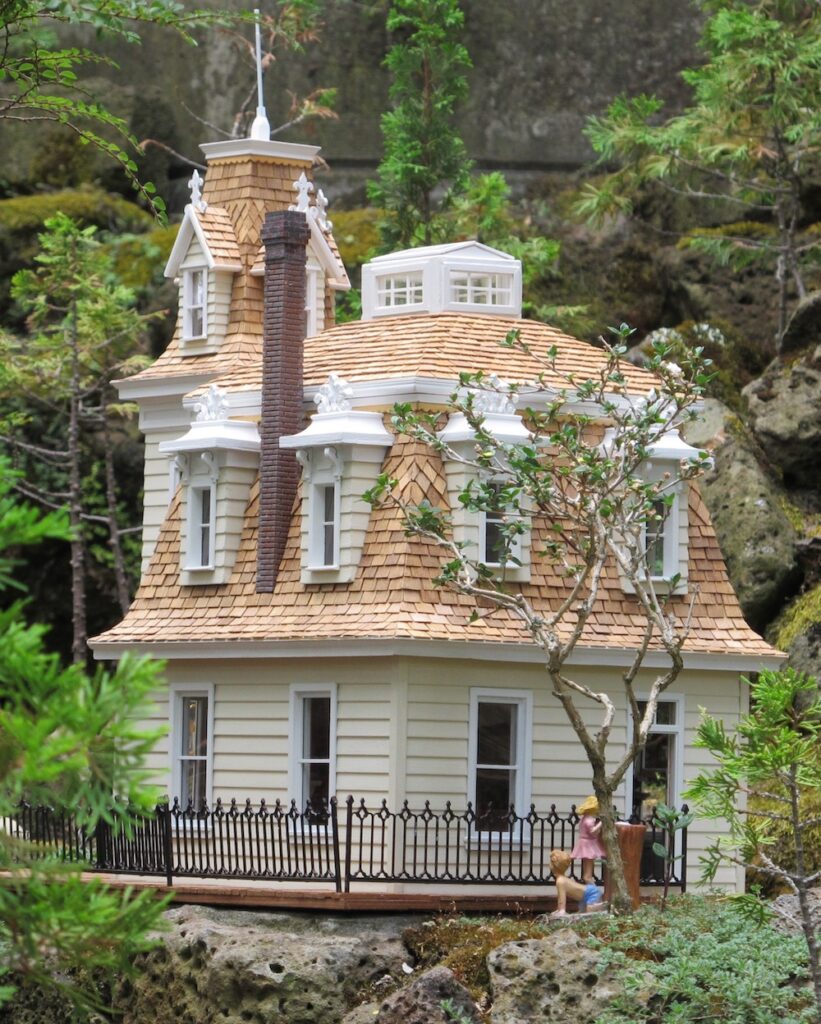
The author glued an owl nest to the top of her Aggie’s grain elevator. One day, a chickadee boldly robbed the straw as her family watched. Rooftop details add interest to garden railways The roof usually isn’t an especially attractive part of a structure – it’s a weather-proofing function. Yet, we usually look down […]
Read More…
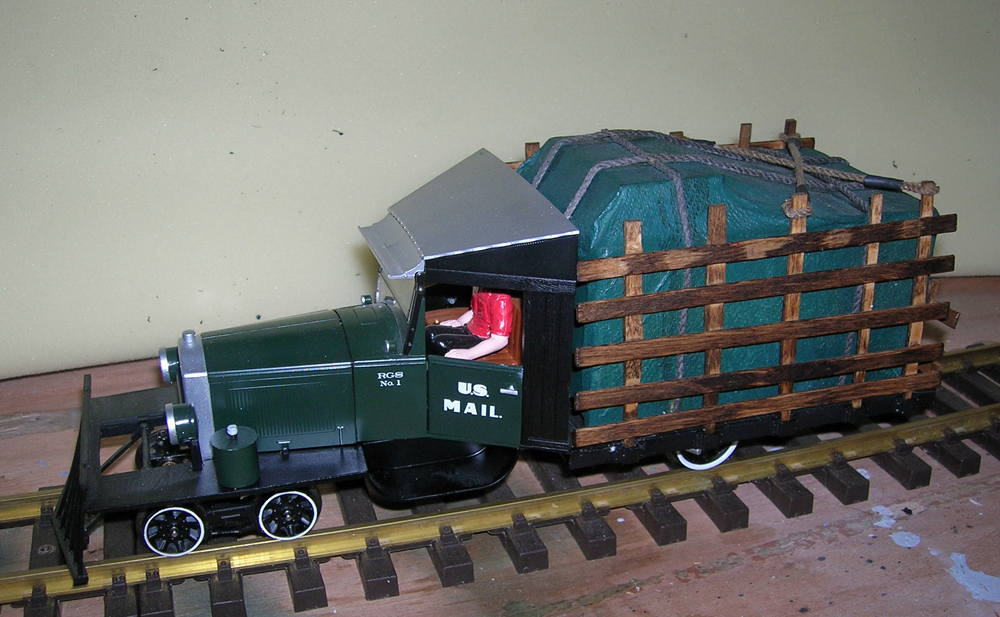
I bought a second-hand Bachmann rail truck at a good price and wanted to convert it to battery power and radio control. I needed access to an on-off switch, fuse holder, charging plug, volume control, and programming jack. The truck is small and limited as to places to add these items, so I decided […]
Read More…
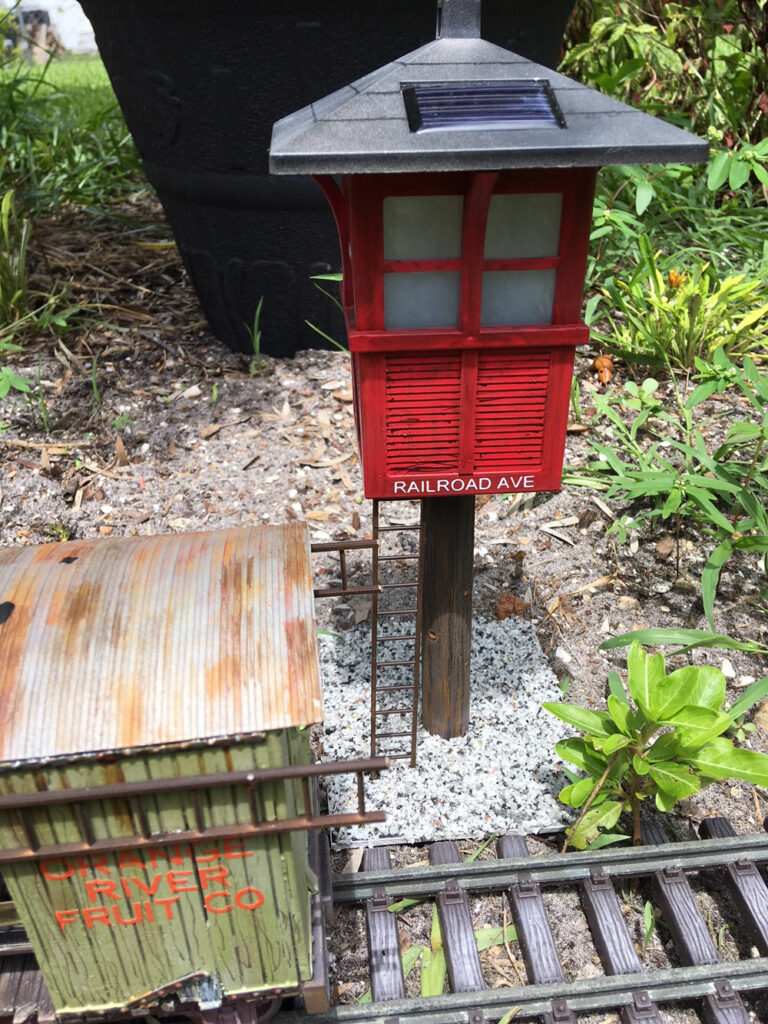
A solar-powered garden railroad building is a fairly easy project for most do-it-yourselfers. But one day while shopping at a home-improvement store, I stumbled on to a solar pathway light similar in shape to an HO scale model I liked. I thought the size would work well in my garden railroad as a structure. I […]
Read More…
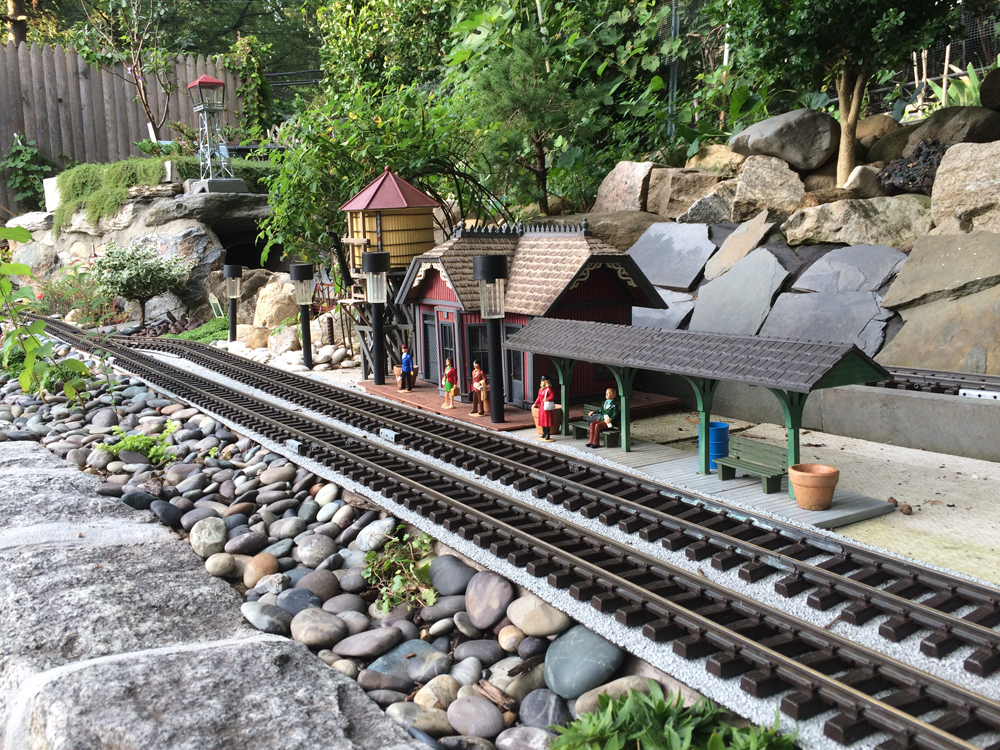
Durable roadbed for garden railroads, as a topic, developed for me after retirement. For many years, I was an “armchair” garden railroad enthusiast. With plenty of time on my hands I began focusing on building the railroad. Having more time did not make things easier because, being a rookie, I agonized over which method should […]
Read More…
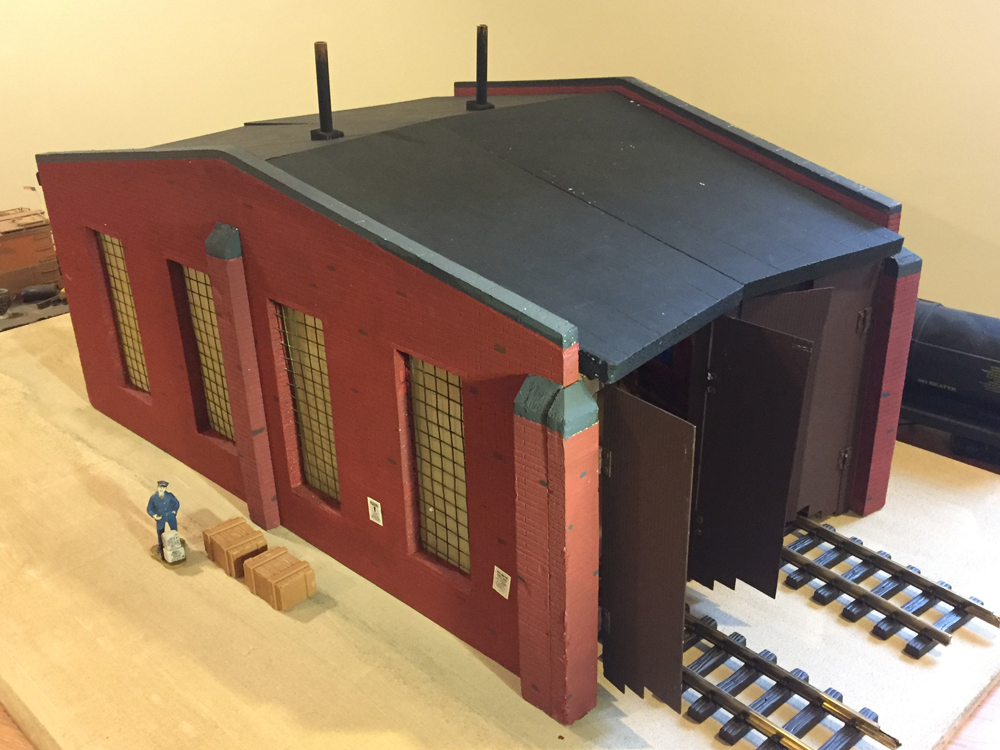
A large scale engine house project is just one example of how buildings complete a scene. It little matters if the large scale railroad is an indoor table presentation or an outdoor garden expanse. I built a two-bay roundhouse with the added feature it can be partially disassembled for storage and transport. It’s a hybrid […]
Read More…
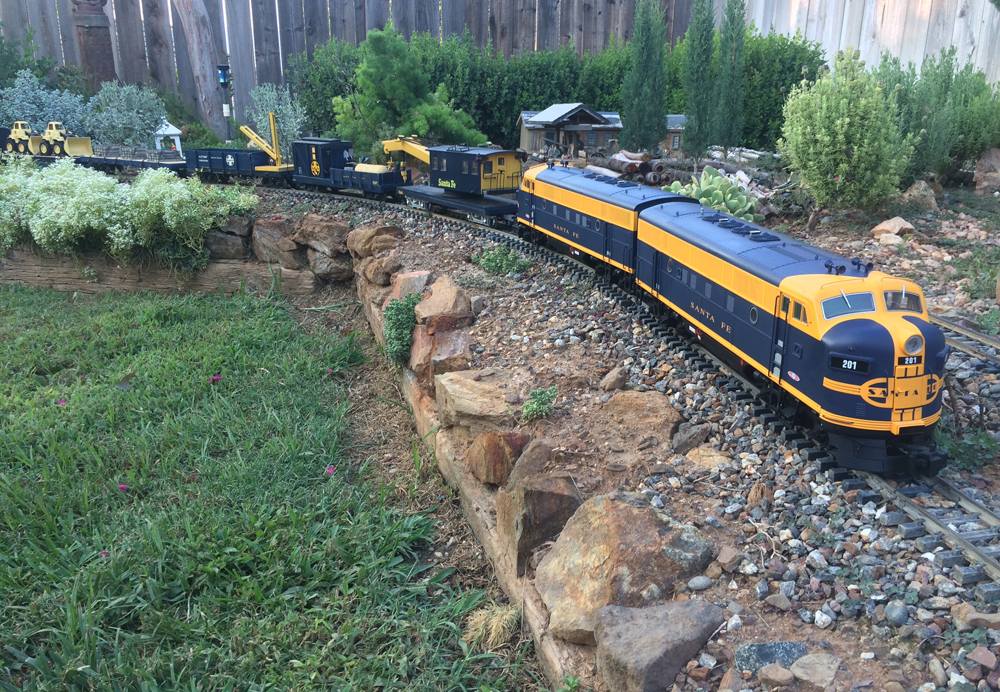
Budget work train for DIY’ers A budget work train made its way into my life since I needed a project to work on to de-stress from the rigors of graduate school — for a price a grad student can afford. Wrecking crane I wanted my budget work train to center around two main cars, a 250- […]
Read More…
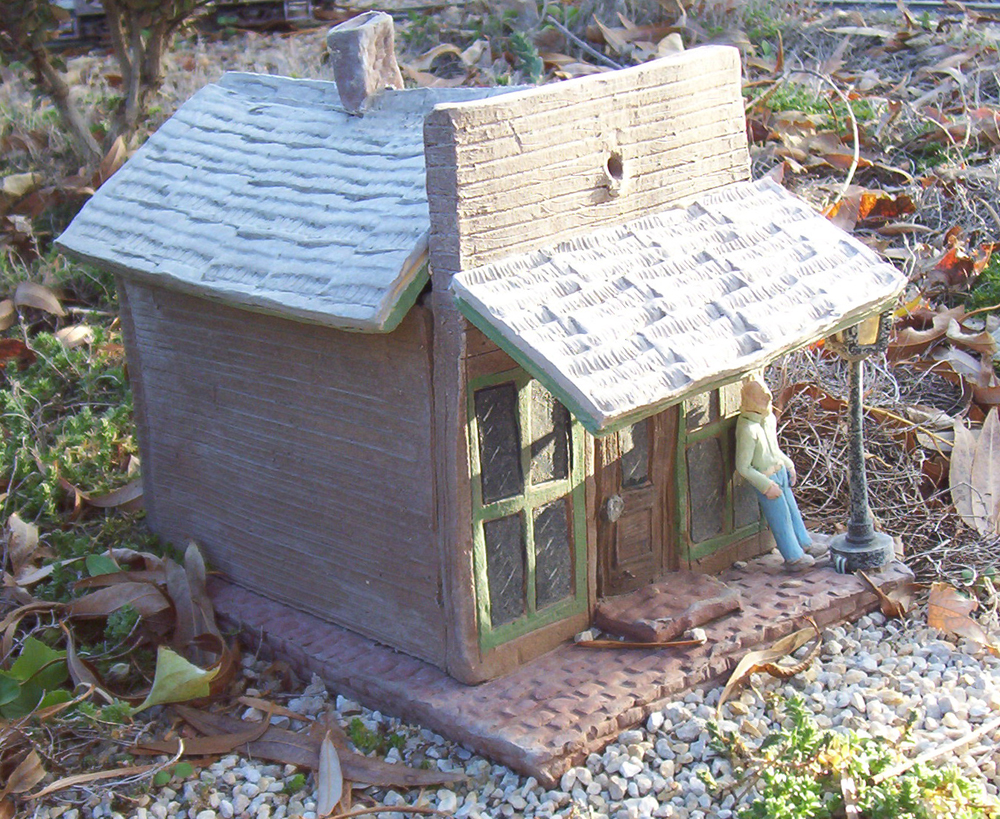
If you want a structure for your outdoor layout that will hold up to the elements, consider using clay. I’m an art teacher and when I began my outdoor railroad it was my first choice of materials for my buildings. You can buy clay from local sources or online. Most catalogs sell it in 50-pound […]
Read More…
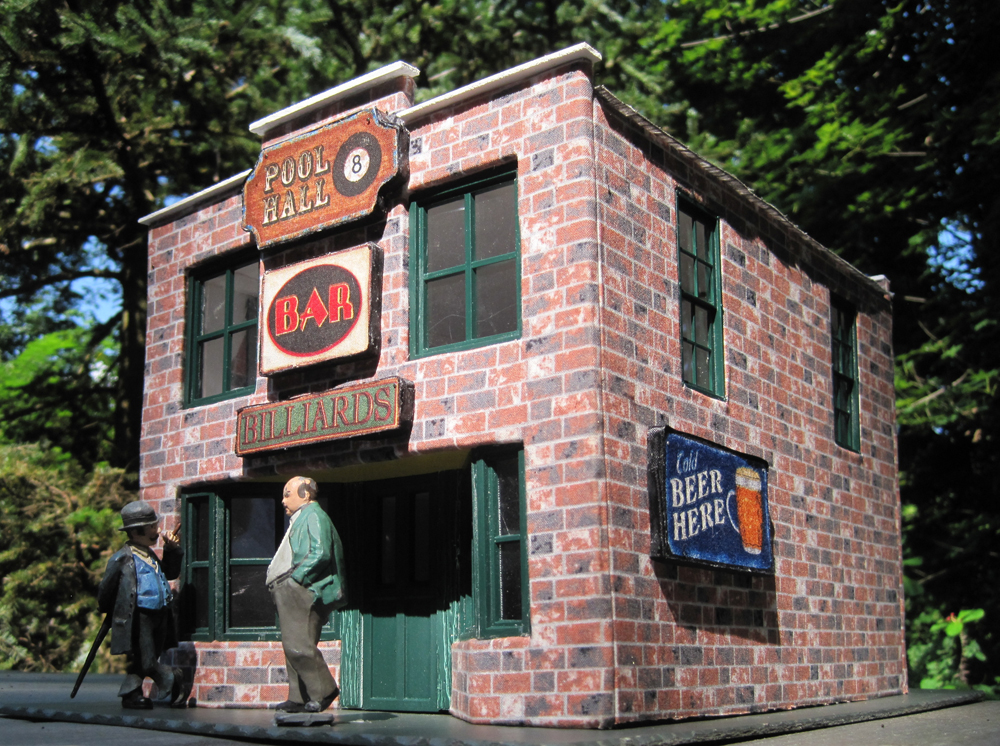
I’ve discovered a way to build inexpensive and custom designed buildings for indoor use or temporary displays at train shows or open houses. The primary material for this project is fabric. These fabrics are called “landscape designs,” and include patterns such as brick, wood, and stone, as well as signs. Several manufacturers make these designs, […]
Read More…
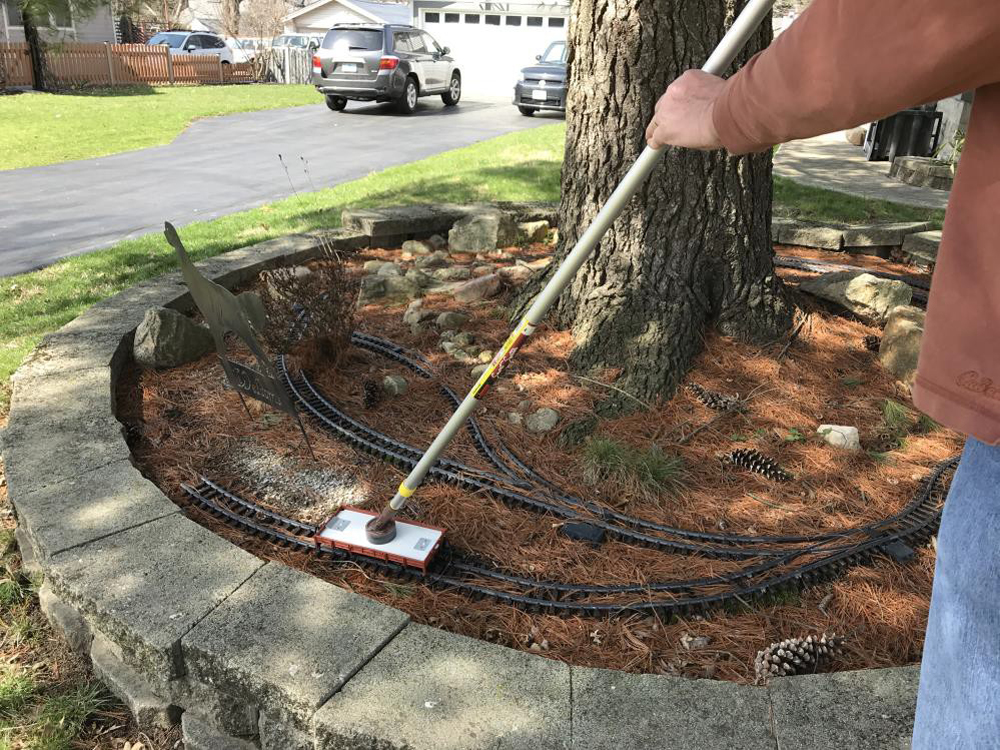
Crawling around on the ground to clean my rail was getting tiring. I needed a new method to clean track, so I built an elevated track cleaner to get the job done instead. Supply list Wooden extension pole Drywall pole sander head Two-truck LGB gondola car LGB #50050 track cleaning attachment Scrap thin-gauge aluminum ¼” […]
Read More…
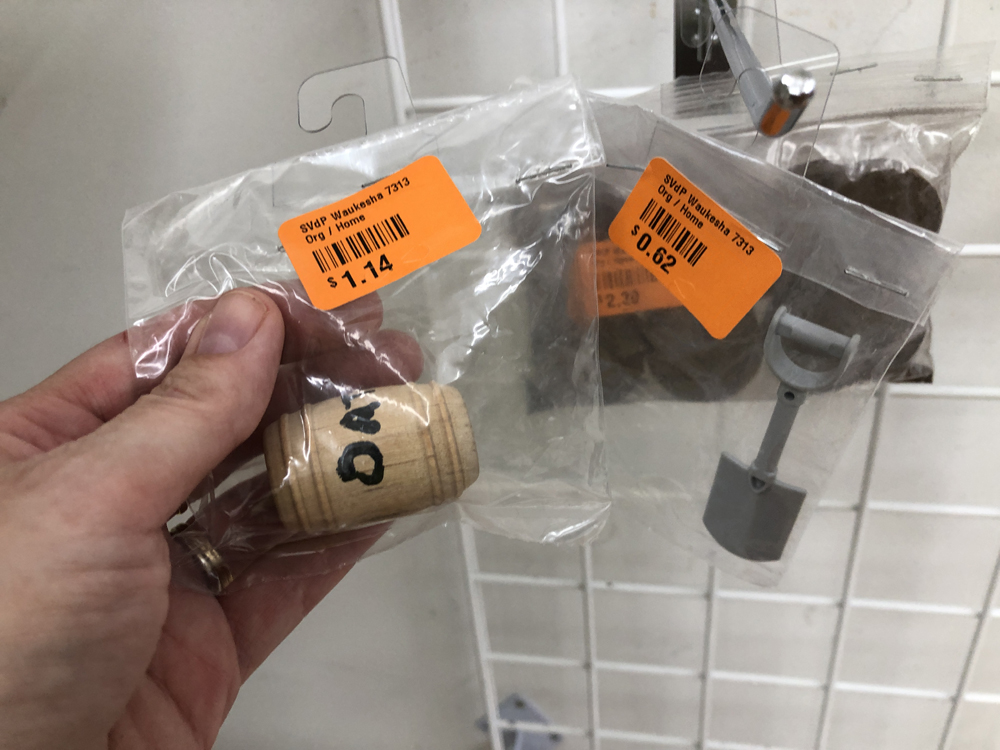
Thrift stores can hold a wealth of treasures for hobbyists, if you know where to look. I have suggestions of which departments to look for items for your garden railroad. I suggest going into a store with an open mind. For just a few dollars and a little paint, you might find something spectacular for […]
Read More…
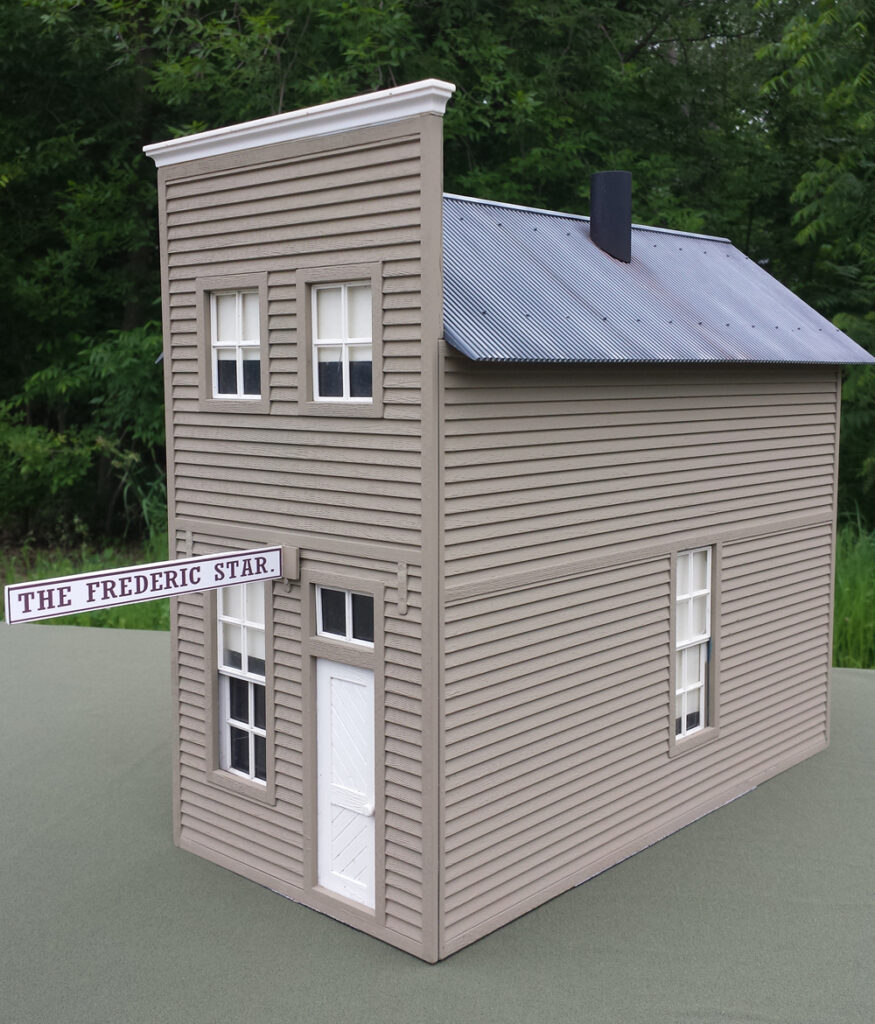
“Projecting” signs have been part of the commercial landscape for years. In the early years of the 20th century, they often consisted of boards jutting out from the front of buildings with the business name on both sides. They’re also referred to as “blade” or “flag-mounted” signs. I wanted to model projecting signs in my […]
Read More…
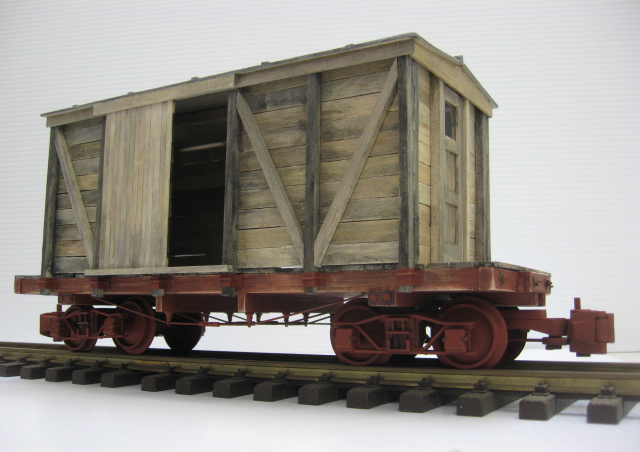
It’s been common practice for railroads to modify antiquated rolling stock to suit a particular need for Maintenance of Way (MOW) equipment. An old flatcar no longer of use for main line service often became an asset for work trains. The flatcar could be repaired, lightly modified, and put into service looking much like it […]
Read More…