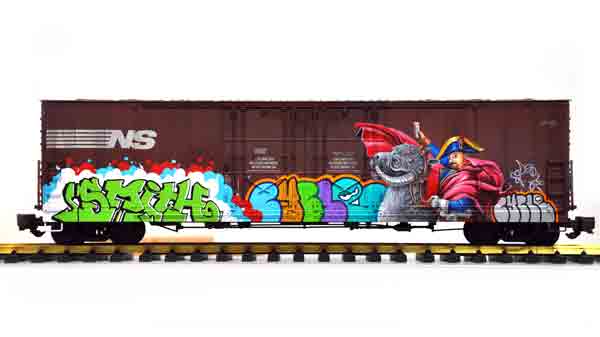
Large scale boxcars and graffiti in an art exhibit: The Museum of Contemporary Art in Los Angeles (MOCA) opened its Art in the Streets show on April 17, 2011. It is the first major US museum exhibition on the history of graffiti and street art, tracing its development from the 1970s to the global movement […]
Read More…
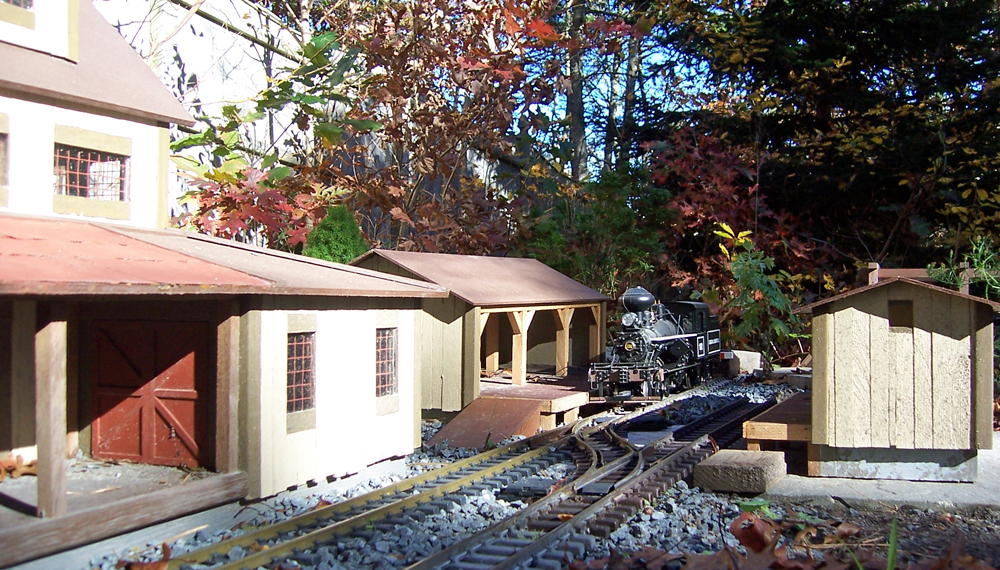
It is difficult to keep garden railroad buildings dry. We have all spent hours constructing fine models of buildings for our railroads. Depending on your climate, they are not out long before they start to decay. More and more modelers are turning to plastic composite materials to build with, but certain plastic materials can be […]
Read More…
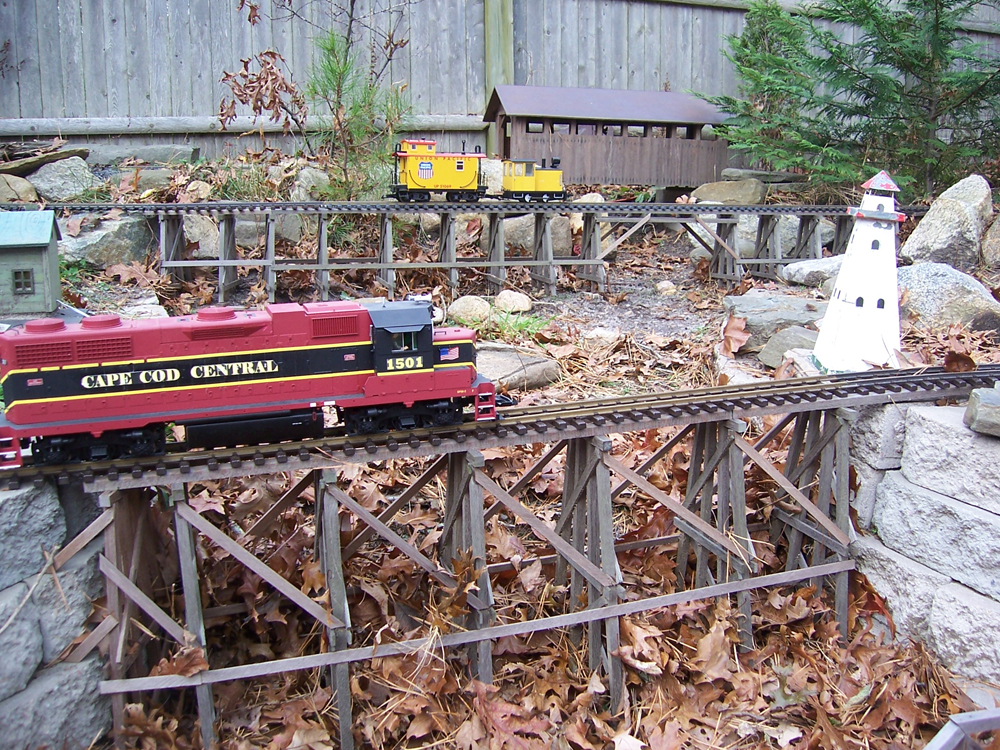
In the fall, it seems all I do is remove leaf debris from trestles. If you have trestles on your railroad, you have probably noticed how they can become excellent leaf traps. Most of my main line is located under trees, and as a result I get piles of leaves. Often, I need to use […]
Read More…
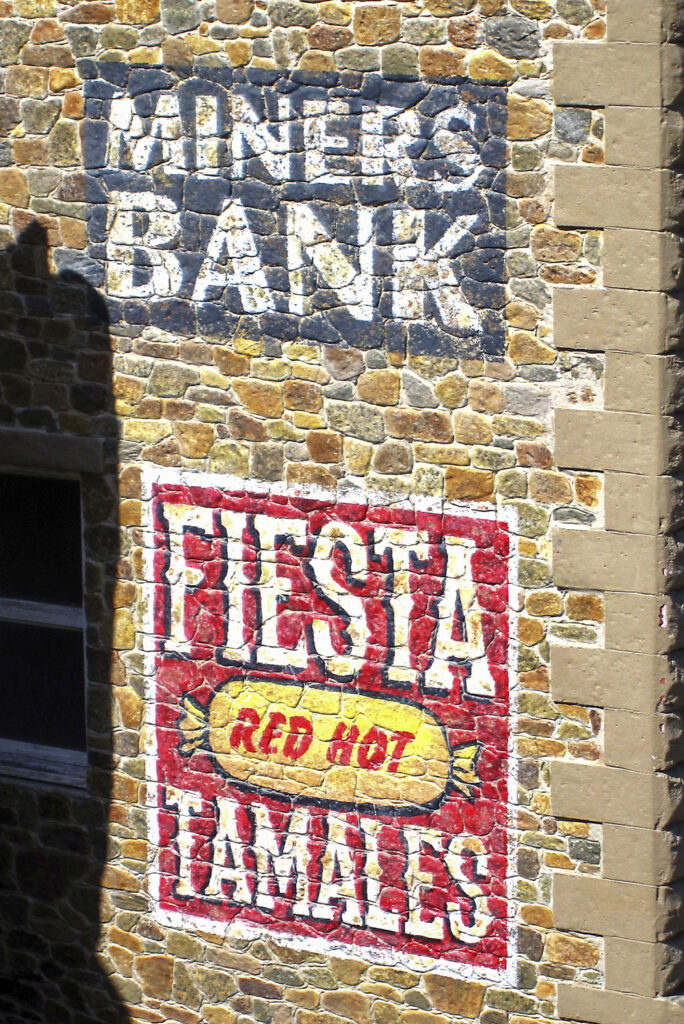
We share five ways to make durable signs for your large-scale structures. Methods include using decals, vinyl stencils, styrene and magnets, and more. Weathered enamel signs Here’s an easy way to simulate old, rusting enamel signs. First, invent and print the sign, or take a photo of a real one. Print the image on glossy […]
Read More…
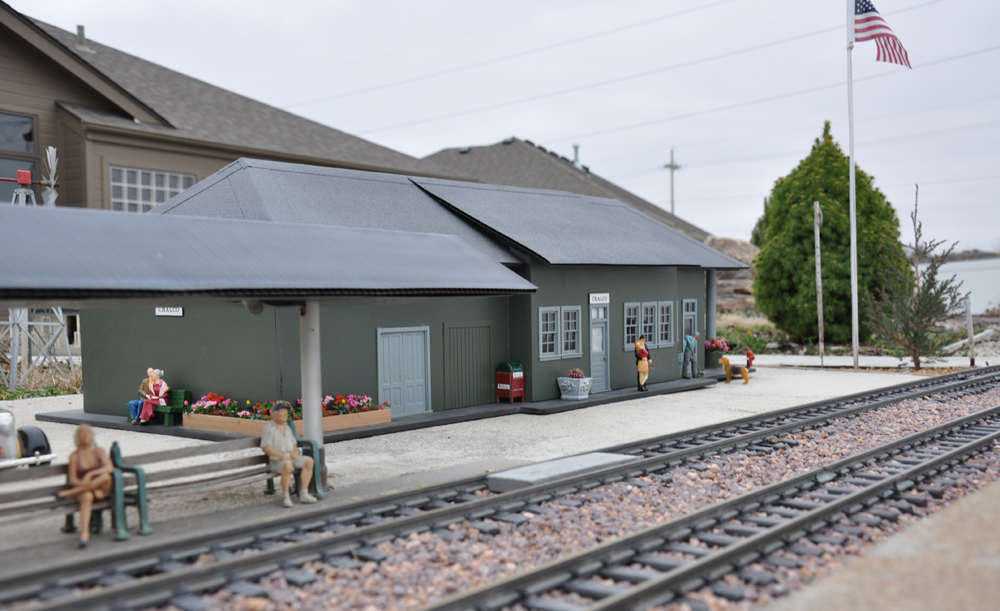
I wanted to scratchbuild a rural large scale depot to replace one that was past its prime on my garden railroad. While I was working as an art director for a commercial printing company, one of my sales reps came across a 1916 combination freight/passenger-depot blueprint. He asked his client, a buyer for the Union […]
Read More…
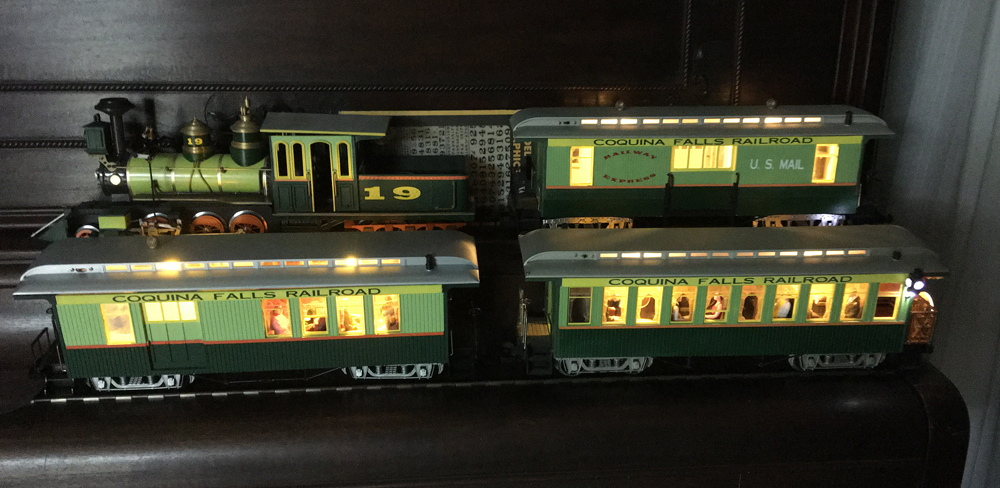
Cheap lighting for passenger cars: I had kitbashed an LGB No. 3080 passenger car into an observation car and wanted to add interior lighting. Instead of track-powered lighting, I opted to install battery-powered light emitting diodes (LEDs). For around $20 in supplies, you can have flicker-free lighting in your car too. I cut the roof […]
Read More…
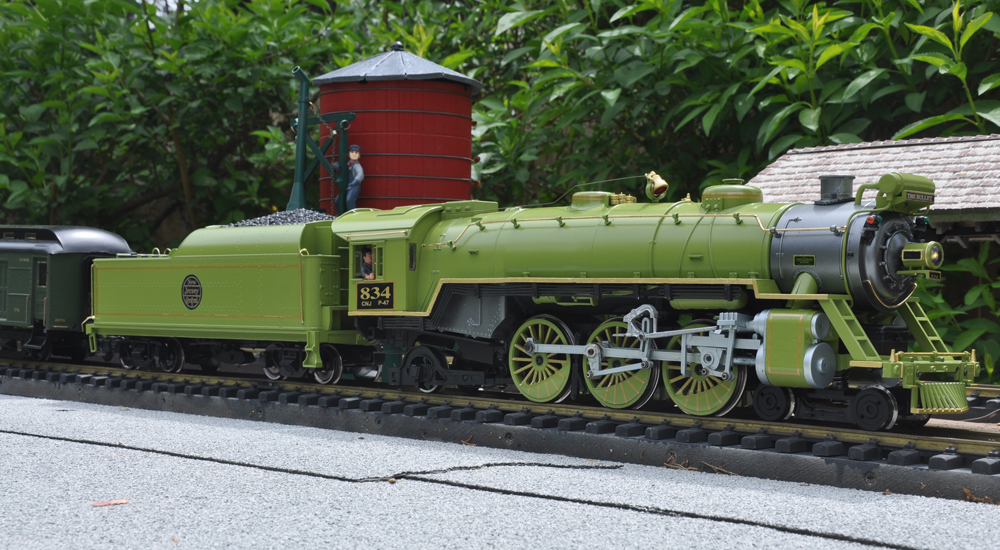
Kitbashing a large-scale Pacific from a broken Aristo-Craft model wasn’t easy, but the result has been worth the work. My family has a history of model railroading spanning three generations. My grandfather modeled O scale as a child in the 1940s and passed that love along to my father in the 1970s, and who got […]
Read More…
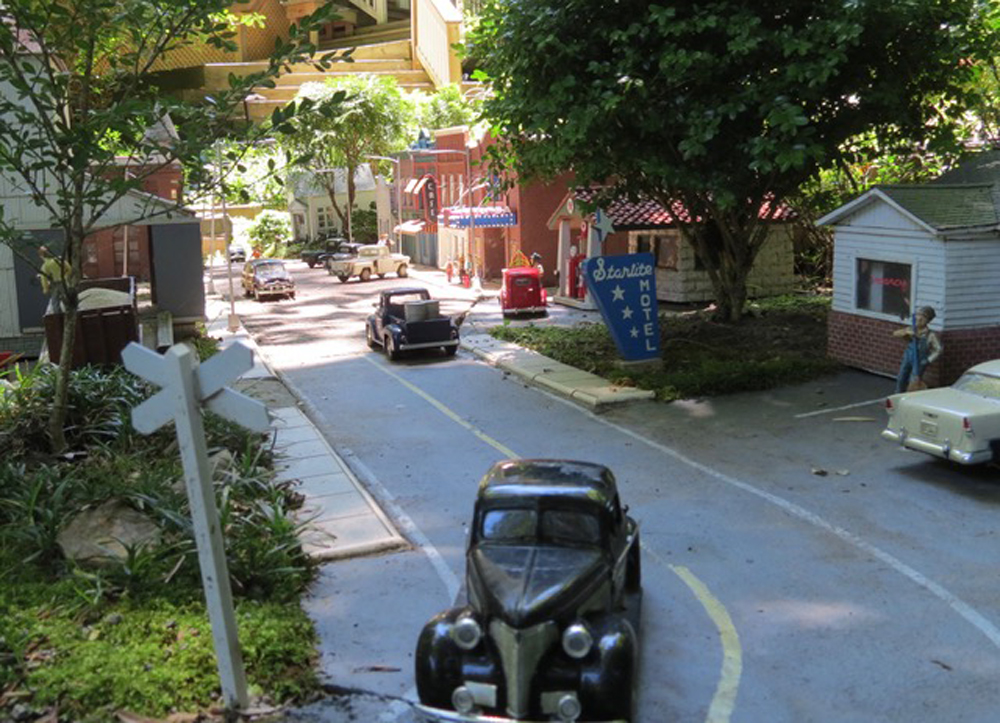
Sidewalks and curbs for a garden railway: My downtown area had realistic paved streets. Now it was time to add some sidewalks and curbs. I went to the local Home Depot and found inexpensive small square shower floor tiles in a natural stone color. I also found some beige plastic tile edging, which I’d use […]
Read More…
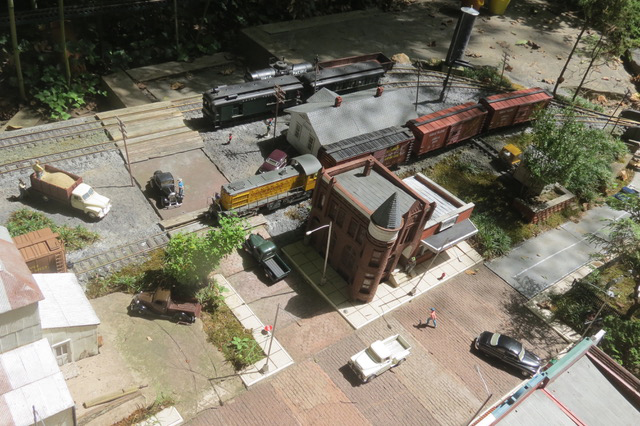
Model paved brick streets: As on most of our garden railways, trains run by a model town. Mine is based on a small midwestern town I visited every summer as a boy. I hung out on Main Street lined with shops in an array of Victorian buildings with a brick paved street. In those days, […]
Read More…
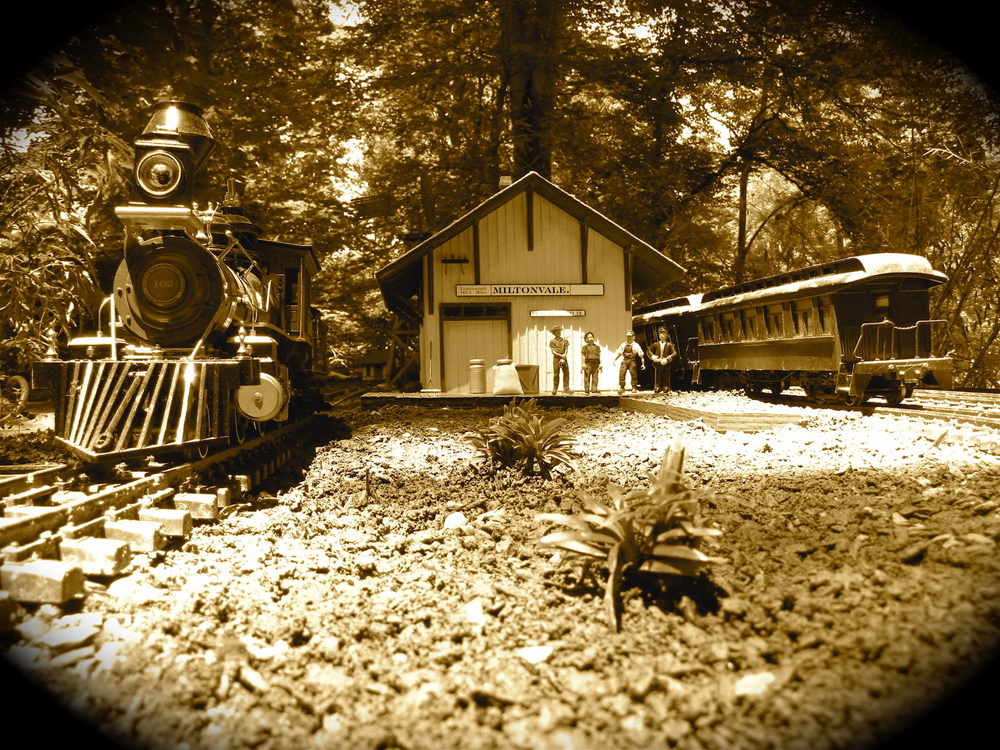
Recreate a prototype photo: If you are a history nut like me, authenticity is important on your layout. I model the Kansas Central narrow gauge line that tried to build across Kansas in the 1870s to connect with the Denver & Rio Grande in Colorado. It met with competition from the standard gauge Kansas Pacific […]
Read More…
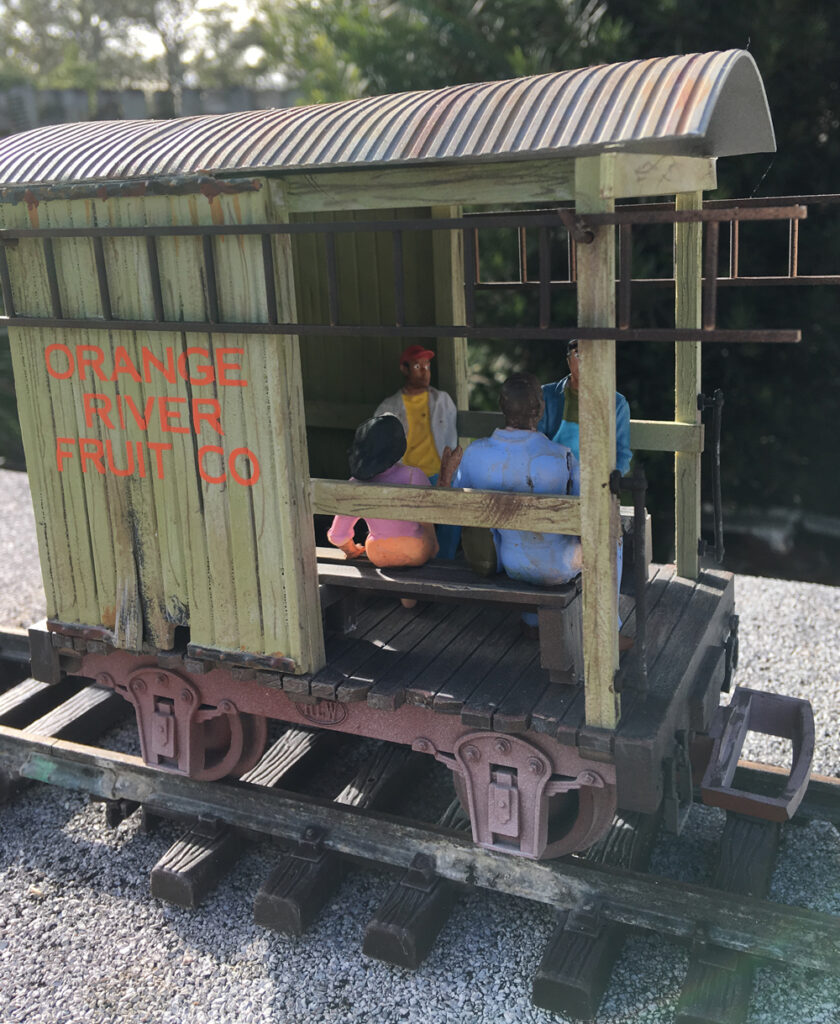
I thought it would be fun to make a citrus train for the garden railroad. I like to reuse broken hobby items from my junk box, and I had several pieces to build my train inexpensively. Certain livestock trains had a car — usually a converted long caboose — called a drover’s caboose for the drovers (cowboys) to […]
Read More…
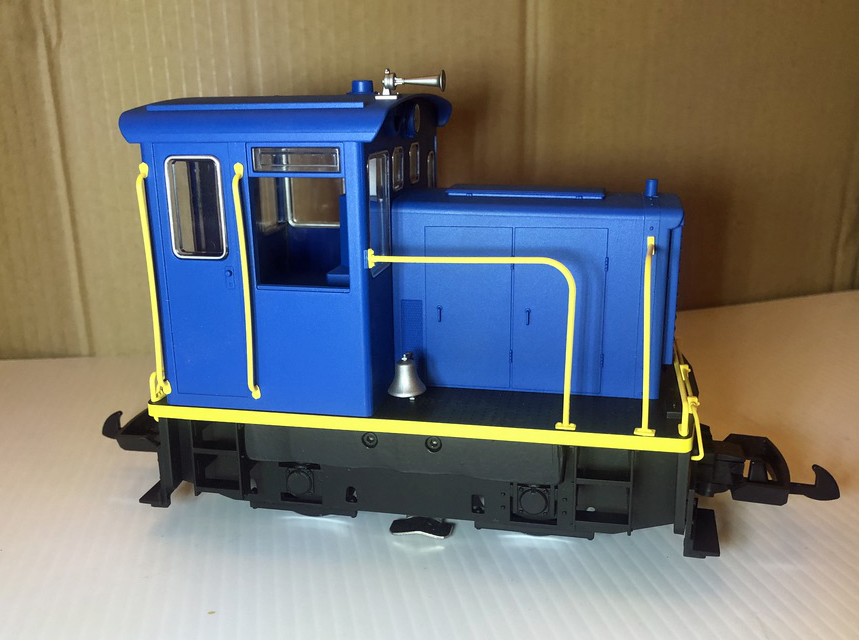
Increase traction of PIKO switcher: I bought a PIKO America GE 25-ton engine for my railway. As I ran the little diesel on my layout, it went around a couple of times nicely over the trestle and under the tunnel. I hooked two cars to the engine, and sent it on its way again. As […]
Read More…