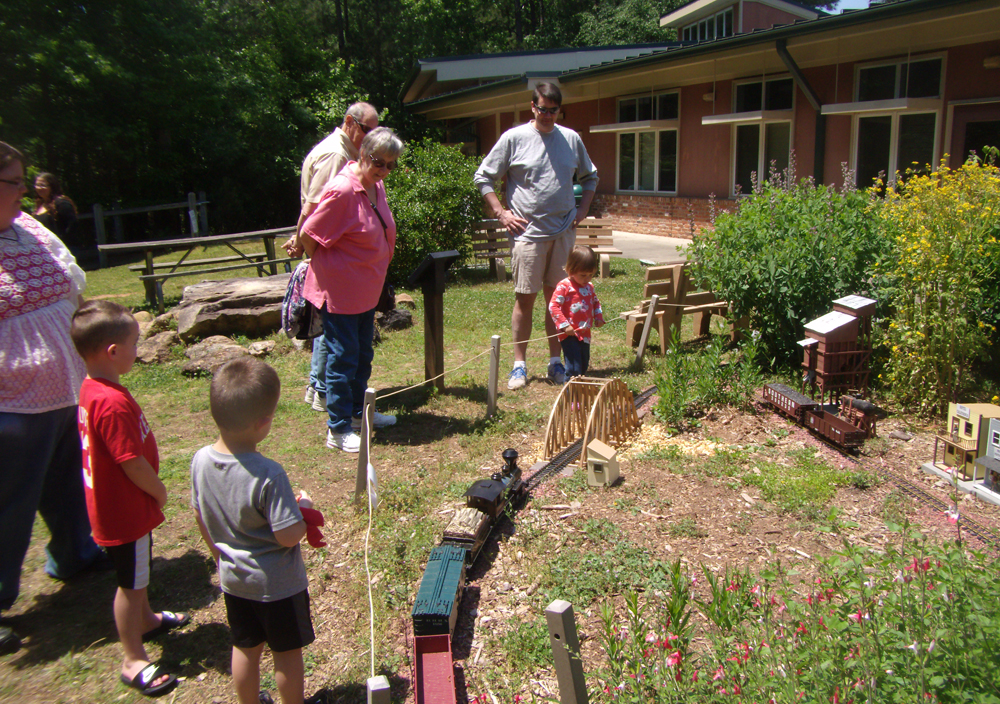
For many years I have been a volunteer at our local nature center (Sandy Creek Nature Center of Athens-Clarke Co., GA). It occurred to me that their circular flower and nature gardens would be a perfect setting for a garden railroad. I approached personnel at the center, and they were enthusiastic, as it would create […]
Read More…
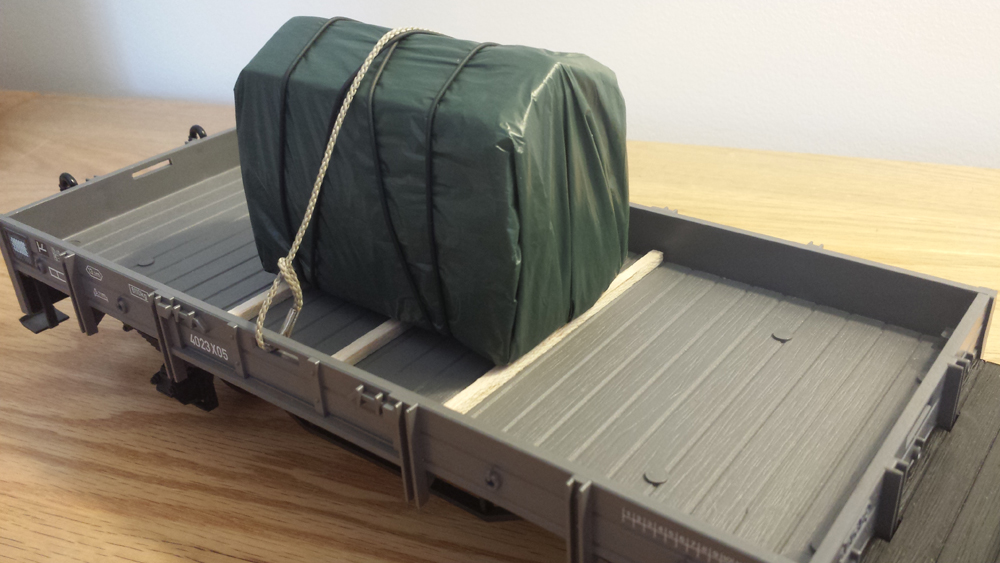
Part of the nature of our great hobby is to collect. Often we collect items not necessarily train related, like old toys, knickknacks, or scraps from a recent project. An easy way to incorporate them into your railroad is to turn them into loads for freight cars or loading docks. Here’s a sampling of castoffs […]
Read More…
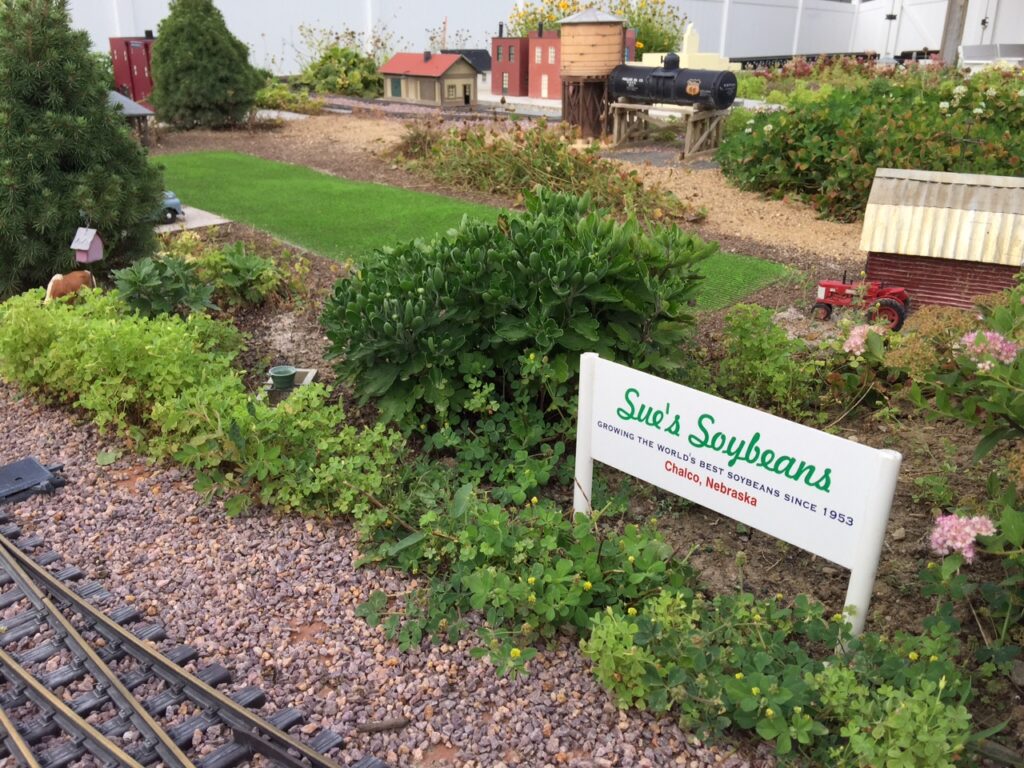
Always looking for new ways to make the farm scene on my garden railroad layout look more realistic, I decided to add a field of crops. With my limited knowledge of gardening, creating long rows of perfectly aligned tiny plants just wasn’t possible. I pondered several ideas but discovered the best one as I strolled […]
Read More…
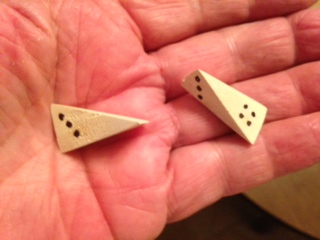
We enjoy operations on our Weona (we-own-a) Railroad, but we wanted something different for our operating sessions. Here’s how we do it. I made a pair of four-sided dice, one with sides labeled 1, 2, 3, and 4, and the other 1, 2, 3, and blank, giving a possible outcome of 1 to 7, to […]
Read More…
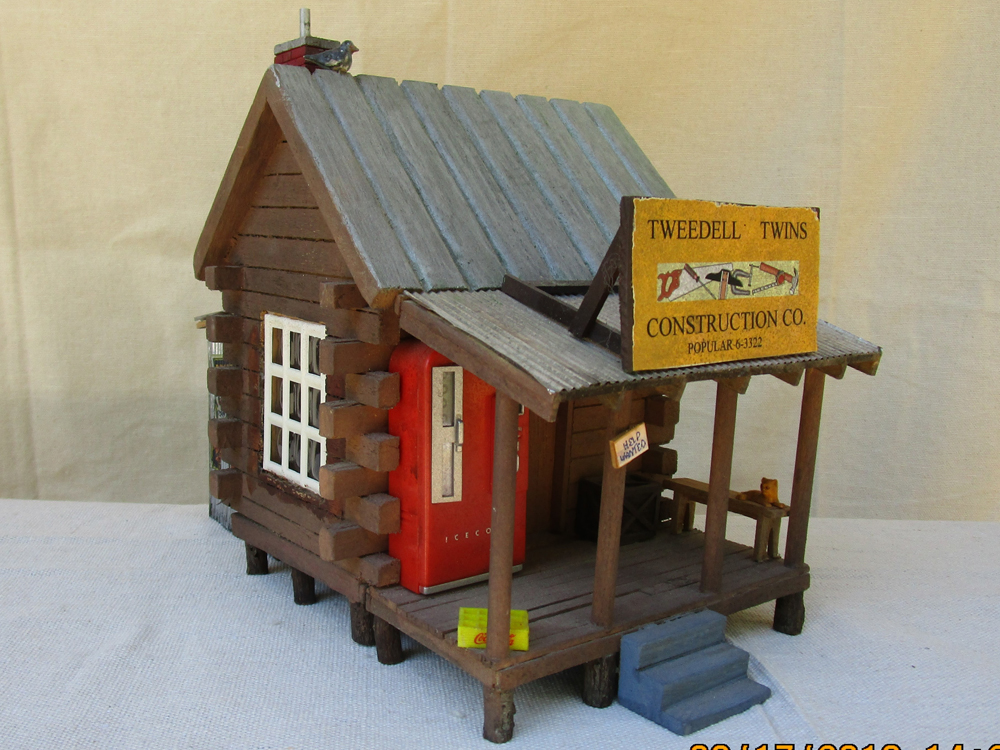
Our local Michaels craft store sells an unfinished wooden birdhouse you can buy for just $4.99 (or less if you use a coupon). I’ve found it useful for kitbashing small buildings for your railroad. I will share three examples I made for my own railroad. [Note: All unfinished wood should be painted/stained before leaving […]
Read More…
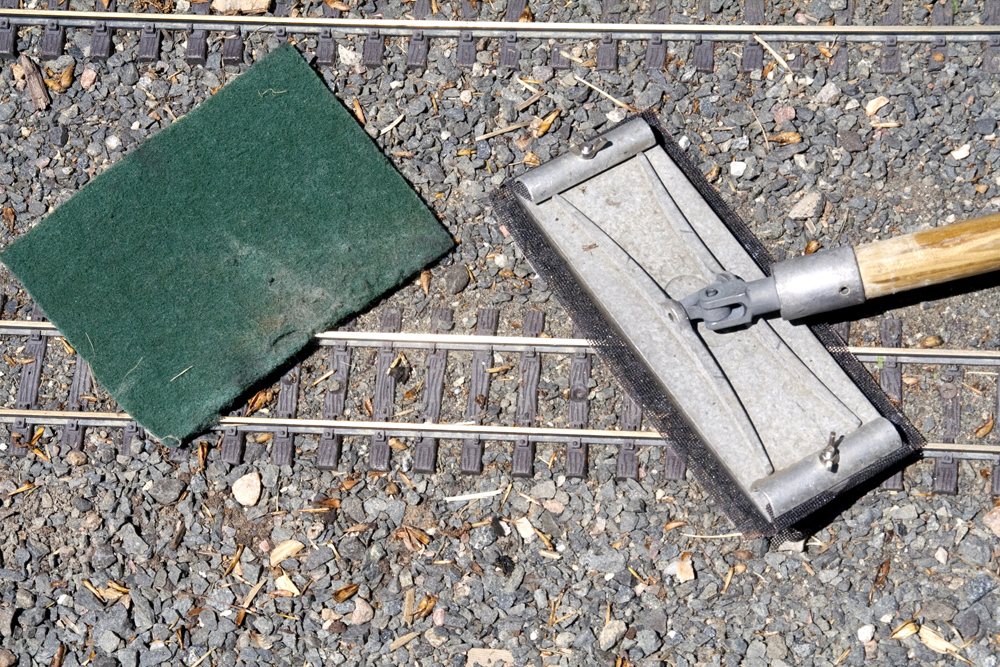
There are dozens of methods used to clean the rails in the garden. There are track-cleaning locomotives, track-cleaning cars, polishing wheels you can fit to the underside of a truck, blocks, poles with pads on the end—enough innovation to make a mousetrap inventor think his job is simple. These can be broken down into “manual” […]
Read More…
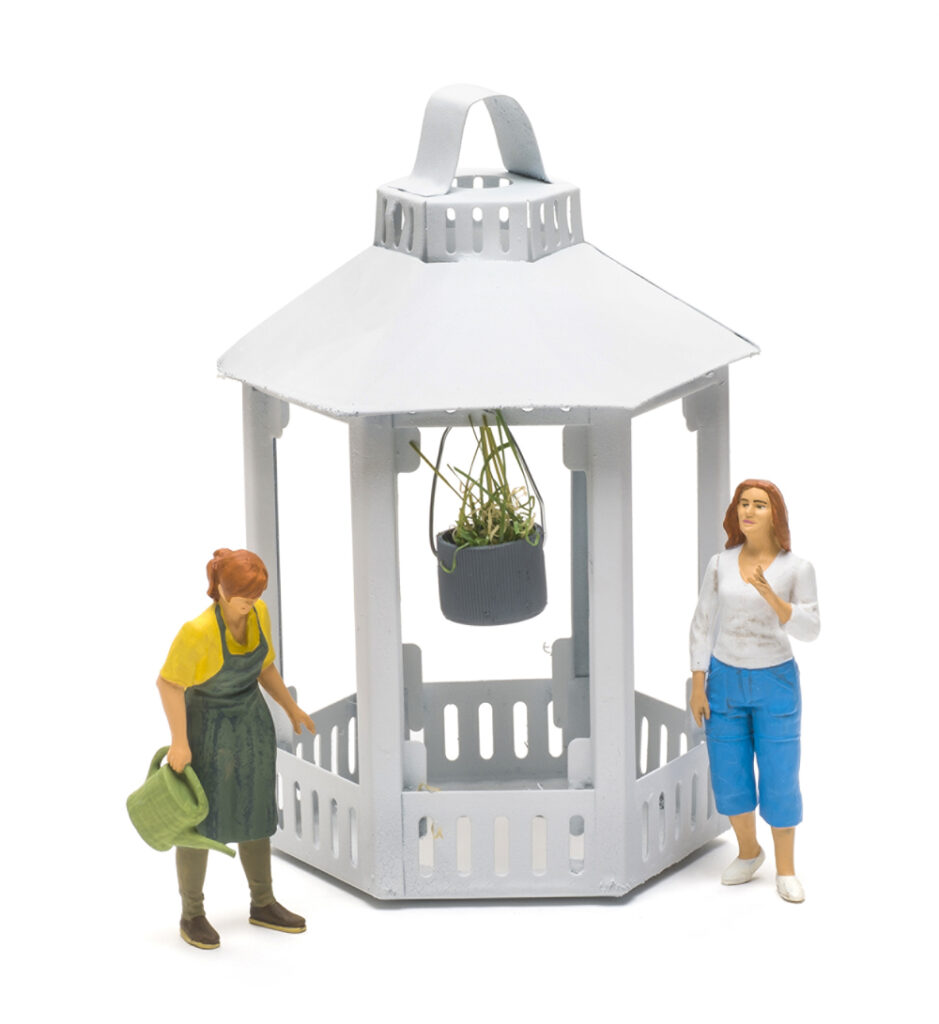
DIY garden train gazebo While shopping at a local thrift store, I spotted an aluminum tea light candle holder. The shape and size approximated a large-scale gazebo. With minor modifications and spray paint, it would make a weatherproof and inexpensive display piece in the railroad. I added a miniature hanging basket plant, made from a […]
Read More…
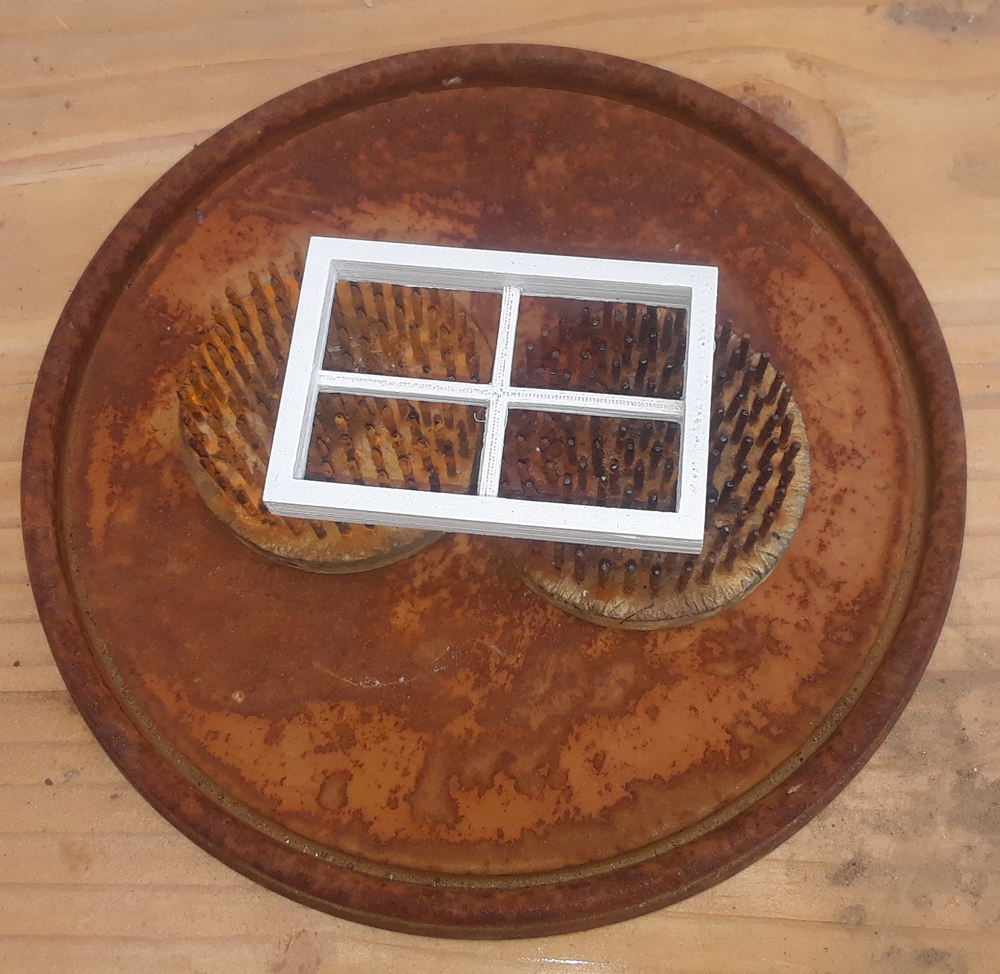
One of the issues that comes up in almost every 3D print is the finished product. Like most plastic models, there can be plastic strings, places that did not get enough material, holes, sharp edges, and the like. I am constantly reading about different techniques of finishing 3D parts. Some of them work quite well, […]
Read More…
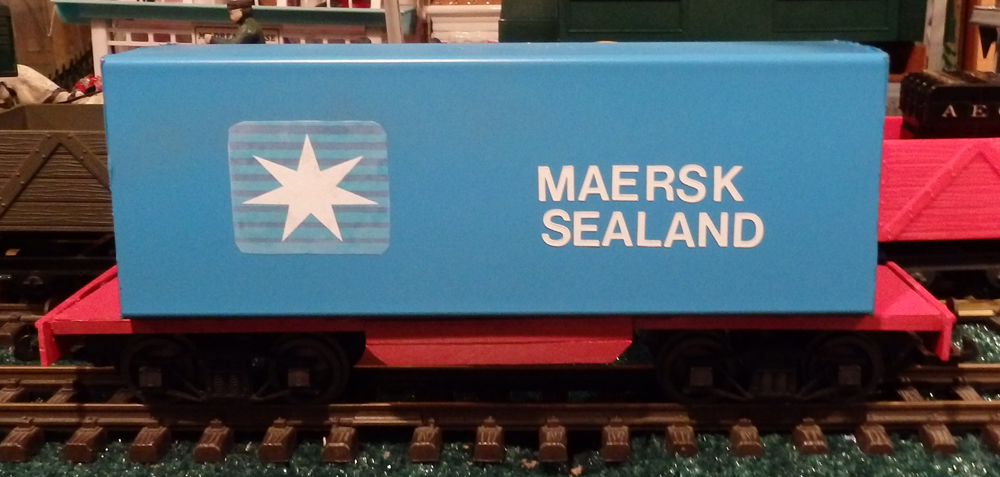
Intermodal container cars are a staple of modern railroads. Anyone who models the current era on their garden railroad will want a number of these, both on the rails and waiting for shipment. While several commercial models are available, I found a less expensive way to make them. Standardized shipping containers are essentially rectangular boxes, […]
Read More…
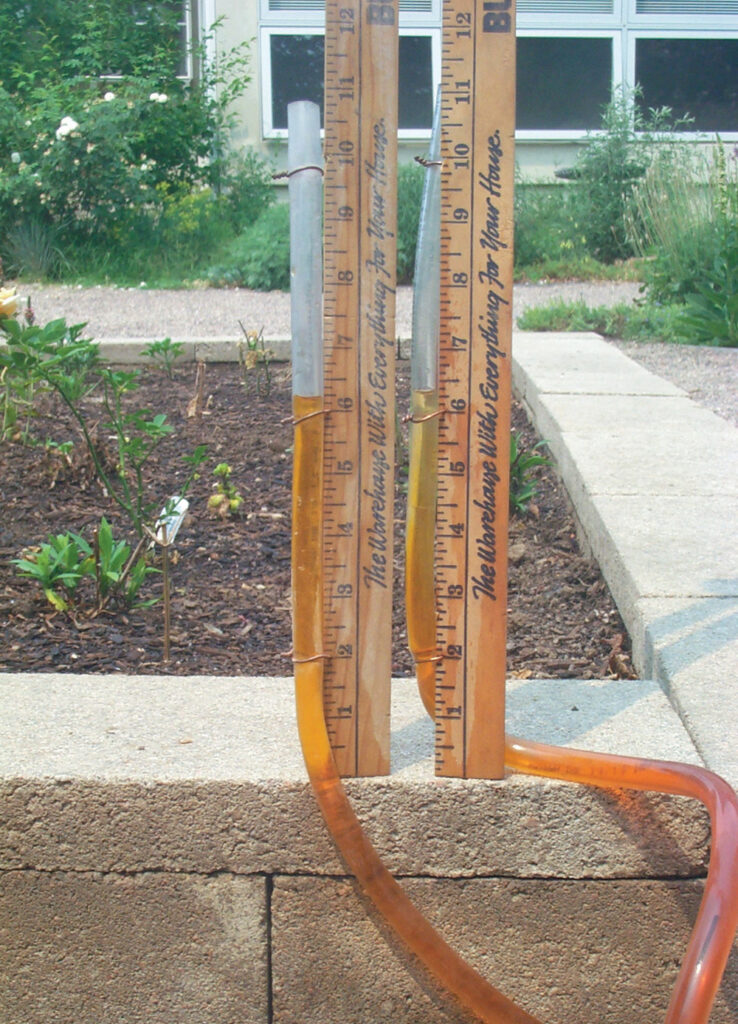
A water level is a low-tech but precise way of measuring relative elevation in your yard. By using a water level, you can either find out how much elevation there is from one point to another or, if you are trying to make your railway level, it will tell you when you are there if […]
Read More…
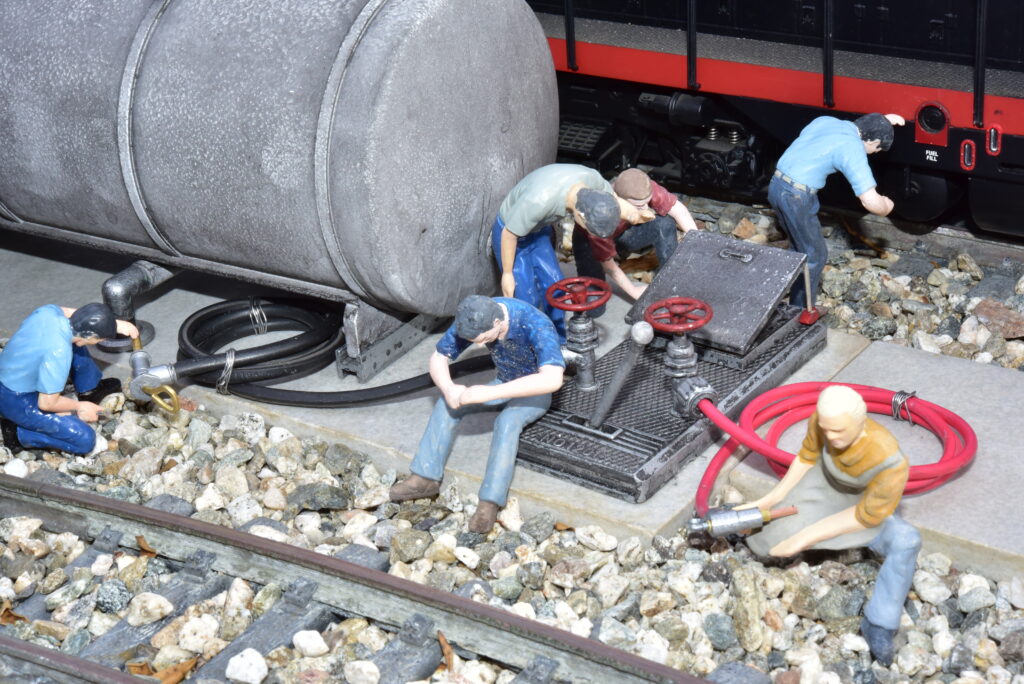
I have a crossing where trains automatically stop and thought it would be nice to add a diesel fueling facility there, but I have a very limited space. First, I attached a walkway and tank/equipment pad using tile scraps to the main station pad with Plumbers Goop, and brass strips to keep everything in alignment. […]
Read More…
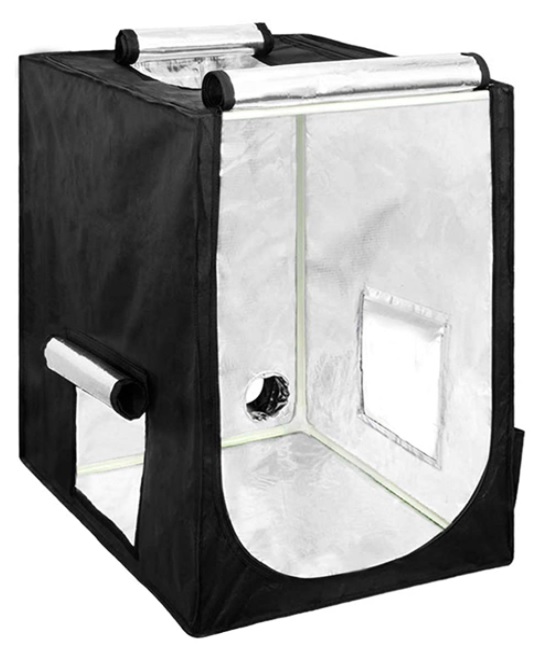
3-D print problem I stopped using my 3-D printers for a couple of months, then recently printed a part and noticed that the layers were not adhering as I expected. Under a microscope I could see tiny particles that prevented proper adhering of the material. I found that everything else had dust on it. I […]
Read More…