
How to own and maintain a caboose
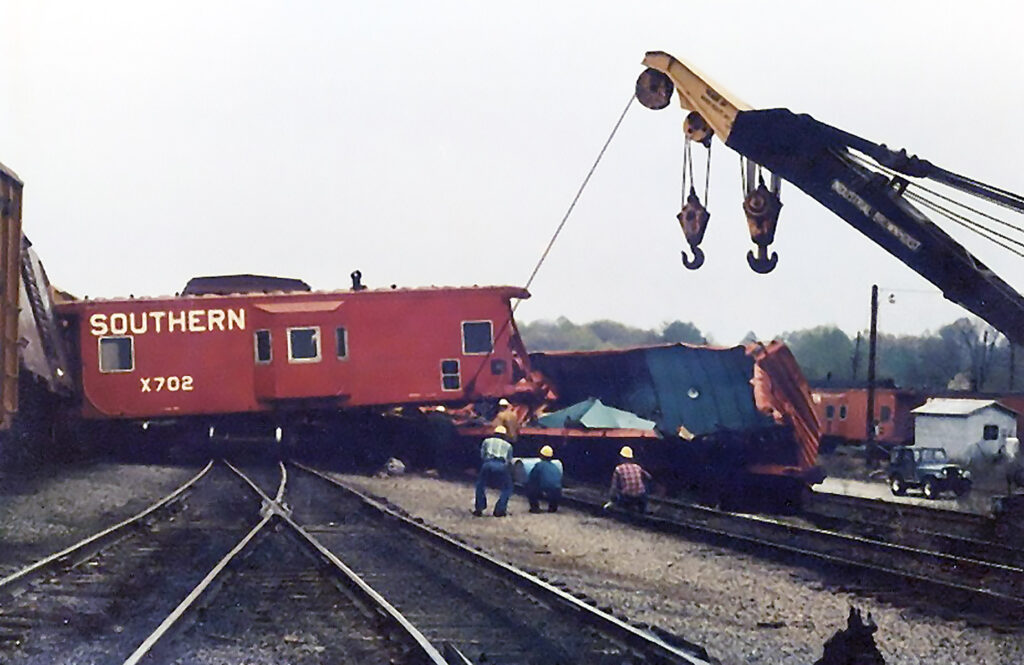
A red caboose sitting perpendicular over railroad track tied to a crane on an overcast day.

Privately owned caboose Welcome to the world of privately owned cabooses. The craving for a cab is a continuing urge for Americans. So, let’s probe this topic deeper. Matt Bumgarner, noted railroad author, publisher, and driving force behind the Southeastern Narrow Gauge and Short Line Museum in Newton, N.C., answers the following questions about his […]

Read More…

Railroad signals 101

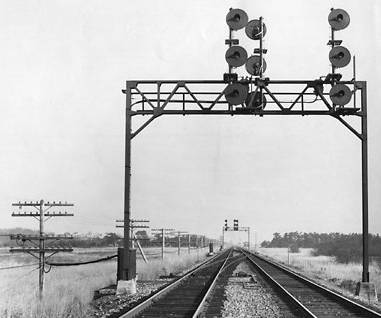
Absolute signal

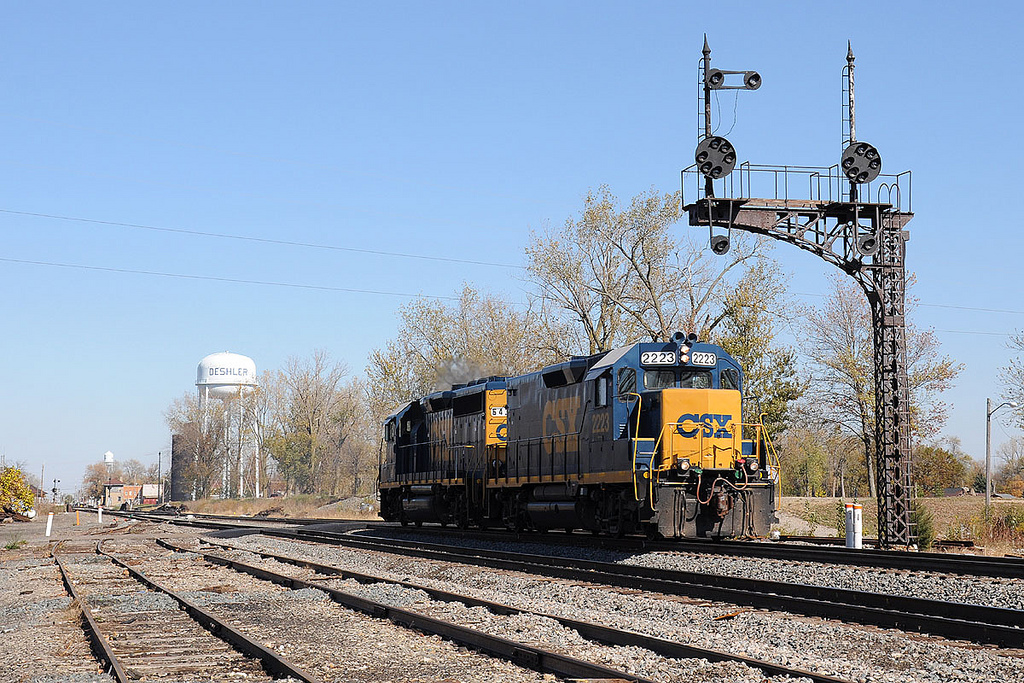
There is more to understanding railroad wayside signals than simply “green means go, red means stop.” To appreciate what the signals you see along the track are telling you, you first have to grasp a few basic concepts. Railroad traffic control boils down to three situations: trains running in the same direction on the same […]

Read More…

Track classifications

track1

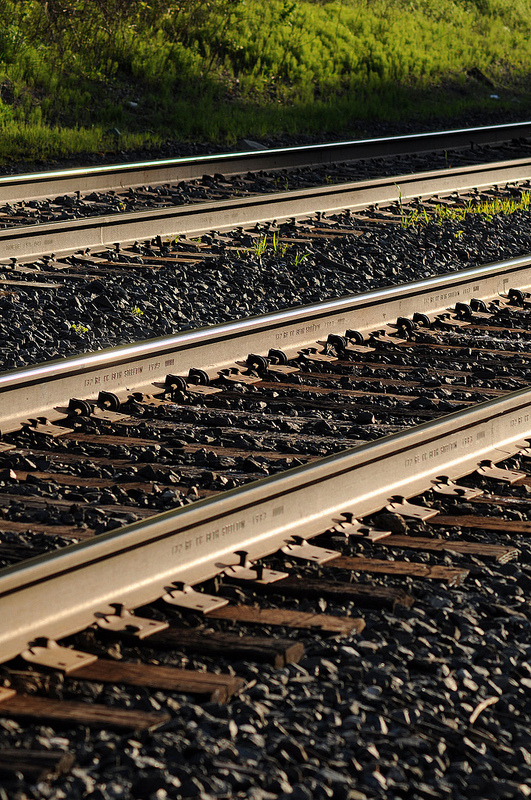
Track classifications are among the most basic — and essential — operating considerations in railroading, and an army of workers keep watch over the rails. You’ve seen them out there nearly every day in their hi-rail trucks, motoring quietly up and down the main and not-so-main lines of America. Perhaps you’ve waited for them to […]

Read More…

What is a Schnabel car?

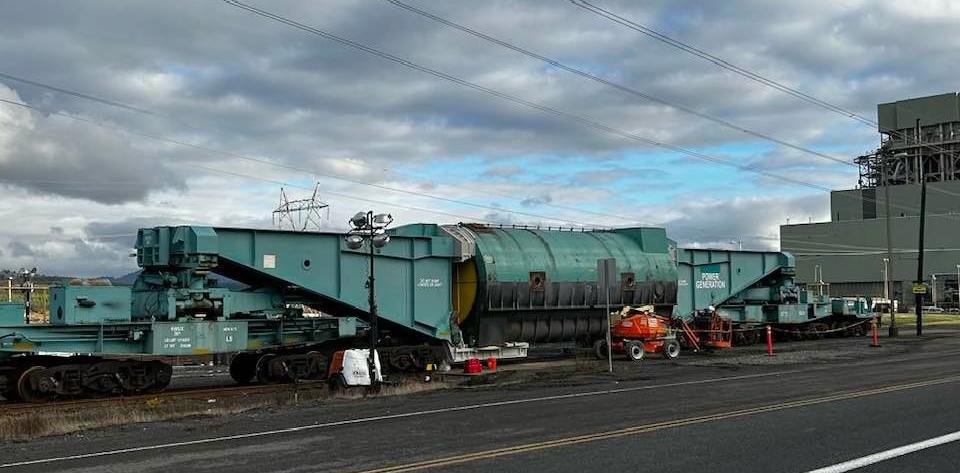
Special heavy-duty freight car, a Schnabel car, awaits a load

Schnabel car One may think 89-foot auto racks are large while standing trackside, but they can be dwarfed by specialized railcars called upon for heavy-duty service where shipping by truck isn’t available, practical, or affordable. These are Schnabel railcars, which feature the ability to carry heavy loads. With up to 22 axles, these cars used […]

Read More…

Building a train schedule

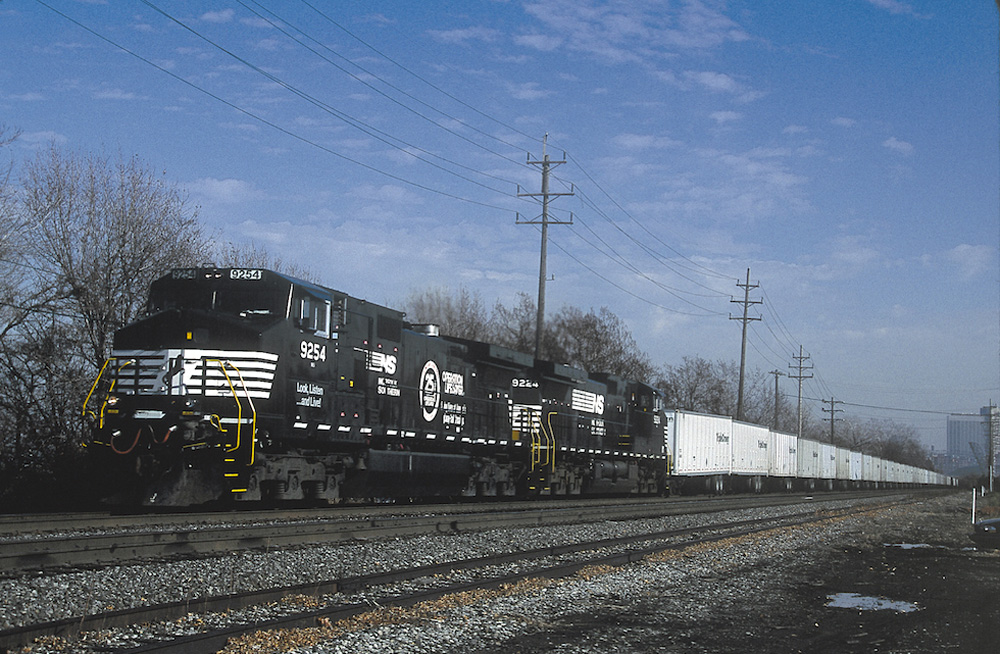
An image of two black locomotives pulling a long train of Triple Crown railcars

Did you ever wonder how a railroad goes about building a train schedule? It’s more complex than you may think. Train schedules have intrigued me since my father returned from a 1966 business trip with a present of current public timetables from 13 railroads. To 11-year-old me the timetables were like windows to a new […]

Read More…

Helper locomotives are an essential part of modern railroading

yellow helper unit mid-train

Helper locomotives Helper locomotives are an essential part of modern railroading. It is an additional locomotive (or locomotives) added to a train in order to provide sufficient horsepower when the train is working through steep inclines (or grades), or must keep up a specific speed. Many routes with stiff grades will have specifically designated “helper […]

Read More…

Sorting out locomotive headlights and class lights

closeup of yellow locomotive's lights

Locomotive headlights and class lights Aside from required ditch lights on most locomotives today, extra lights are essentially gone from freight locomotives, but if you look hard enough you can still find traces of the past when additional lights were ordered by railroads. Before the era of locomotive standardization, many railroads chose to equip their […]

Read More…