




Click the links below to download the appropriately sized image for your screen. Download the 1600 x 900 image Download the 1600 x 1000 image Download the 1600 x 1200 image […]
Lee Gasparik’s O scale PRR/New York Central background images
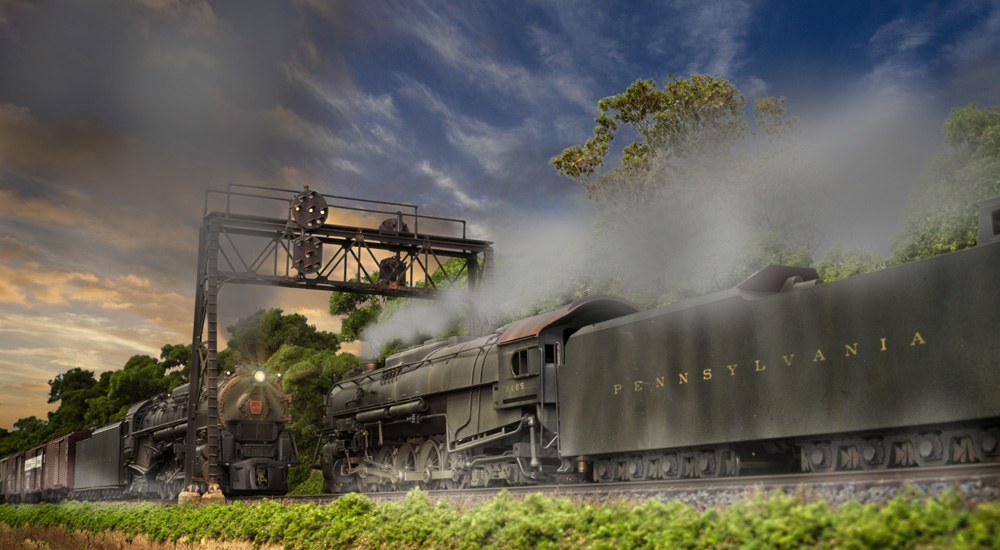
Click the links below to download the appropriately sized image for your screen. Download the 1600 x 900 image Download the 1600 x 1000 image Download the 1600 x 1200 image […]
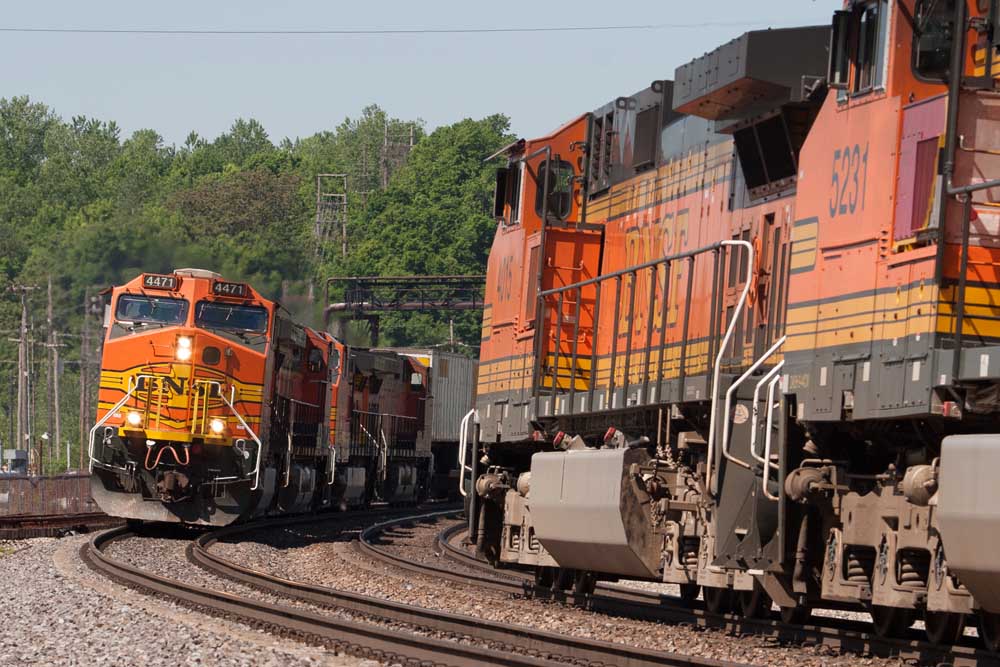
General Electric’s 4,400 hp C44-9Ws were, by far, the most popular D.C. traction locomotives the company every produced, with almost 3,600 copies built for North American customers. Sales began in the early 1990s just as A.C. traction was taking hold in the industry. Many railroads were still either wary of the new A.C. technology and […]
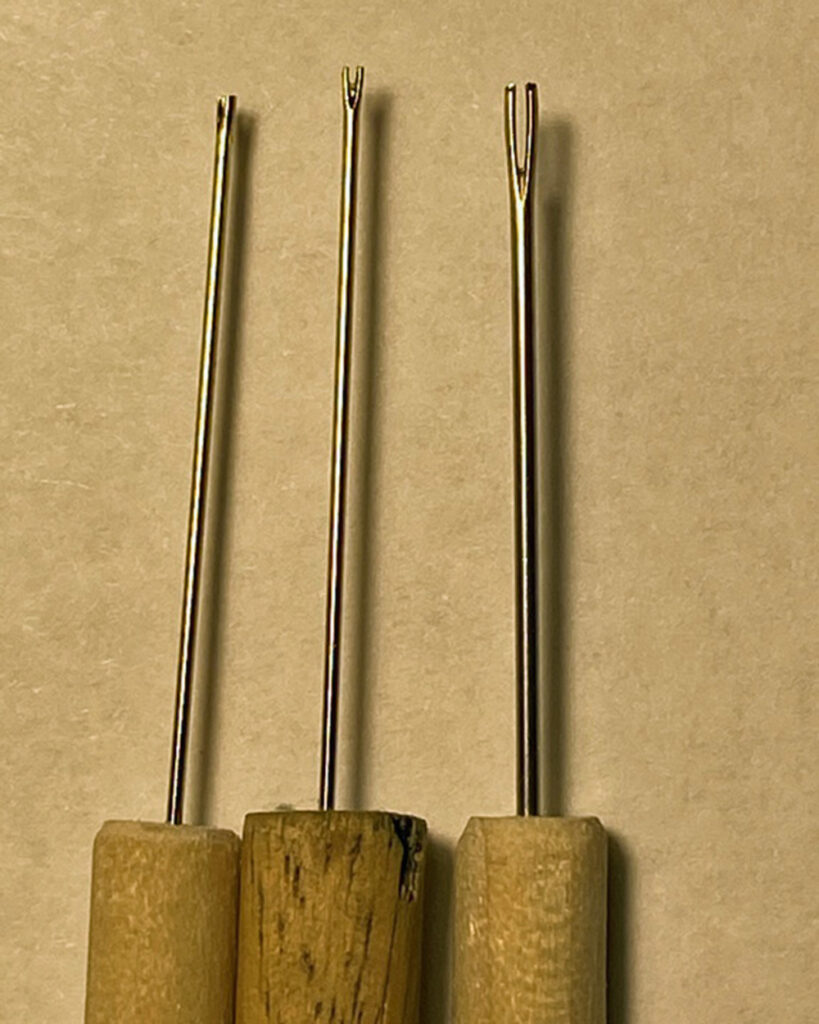
Recent scratchbuilding efforts prompted me to come up with a simple glue applicator that would put a small amount of adhesive precisely where I wanted it. There are many commercial products to do this, but none were exactly what I needed. I took a sewing needle, measured its diameter, and drilled a slightly smaller hole […]
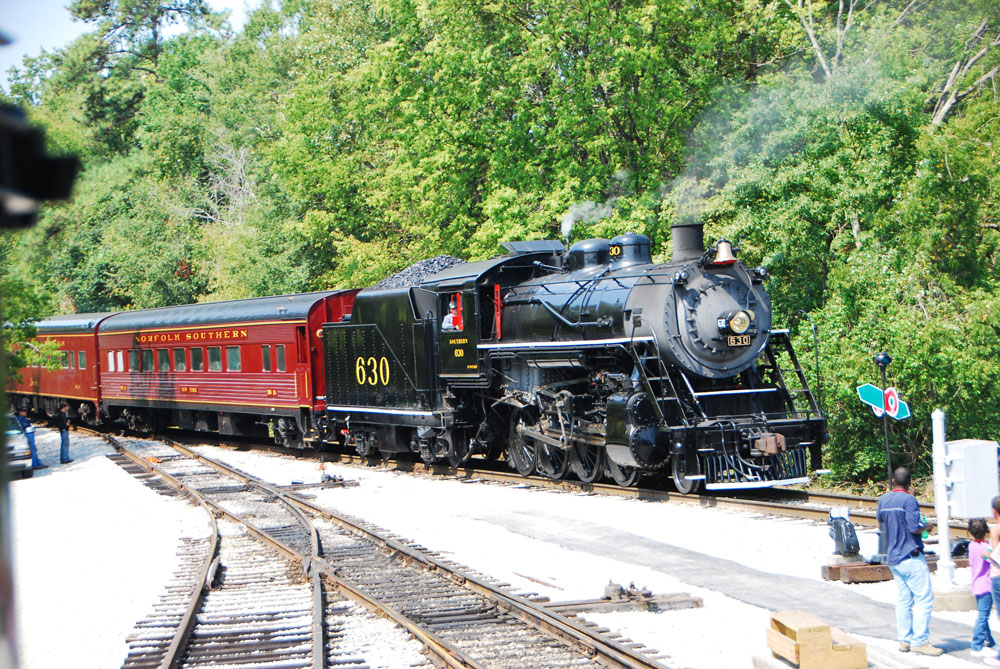
Visiting Tennessee Valley Railroad Museum If you took a major Class I railroad in the early 1950s, shrunk it, and set it aside to show people today what a section of big-time, steam-era railroading was all about, you’d create Tennessee Valley Railroad Museum. Set on a portion of Southern Railway’s original main line into Chattanooga, […]
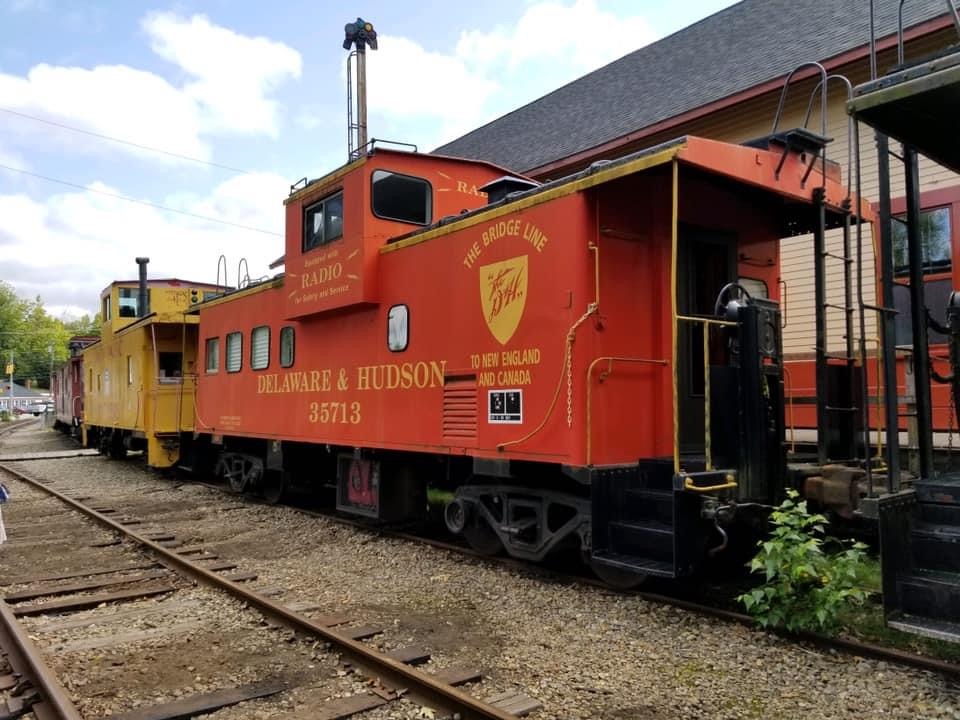
After being a ubiquitous part of American railroads for more than 150 years, they went away some 40 years ago. Today, you’ll find a rare and rusty handful on Class I railroads in use as lowly “shoving platforms,” with their windows and doors often welded shut. The lucky ones got away to museums, tourist railroads, […]
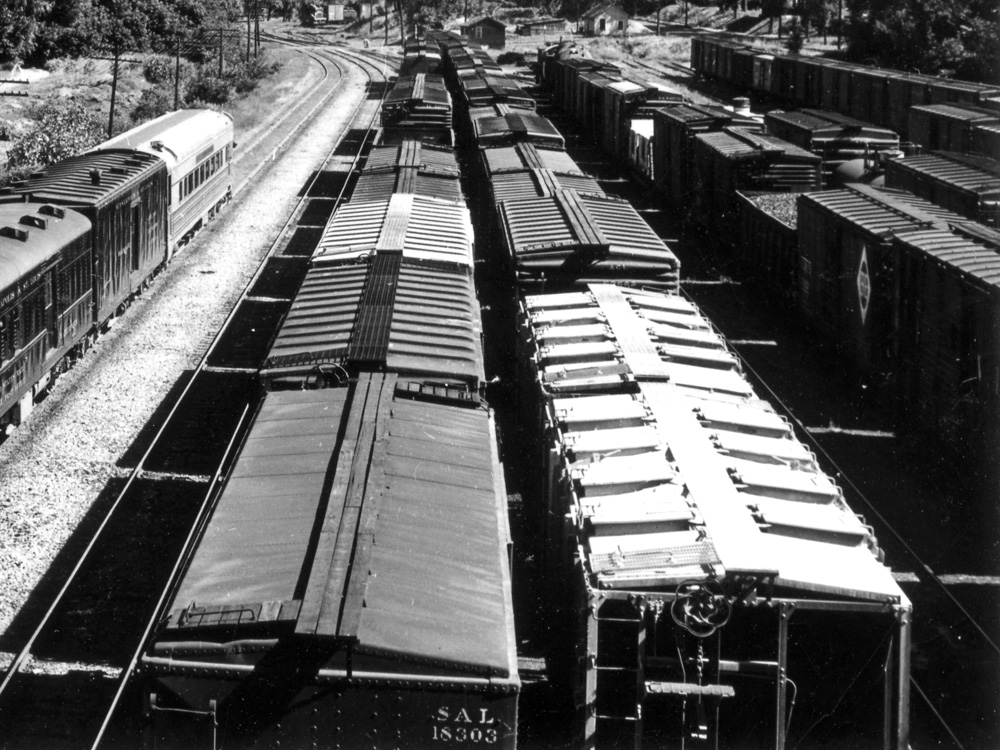
Q: My N scale layout is set in 1933. Several years ago, someone whose railroading knowledge I respect told me that running boards on early freight cars weren’t painted since they would be dangerously slippery when wet. However, all the models I see sold now have the running boards painted the same color as the […]
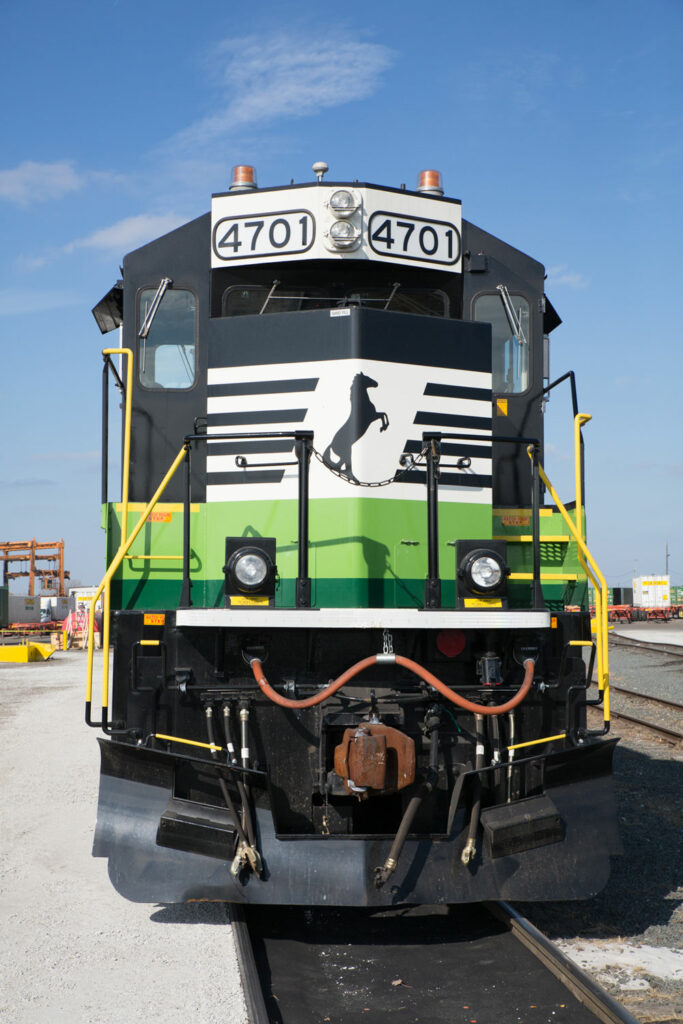
In the railroad industry, different locomotive models and manufacturers can be found in any train consist operating in different directions from one another. The ability to achieve this is due to a set of uniform standards for both pneumatic and electrical connections adopted by all manufacturers and can be found on almost all freight and […]
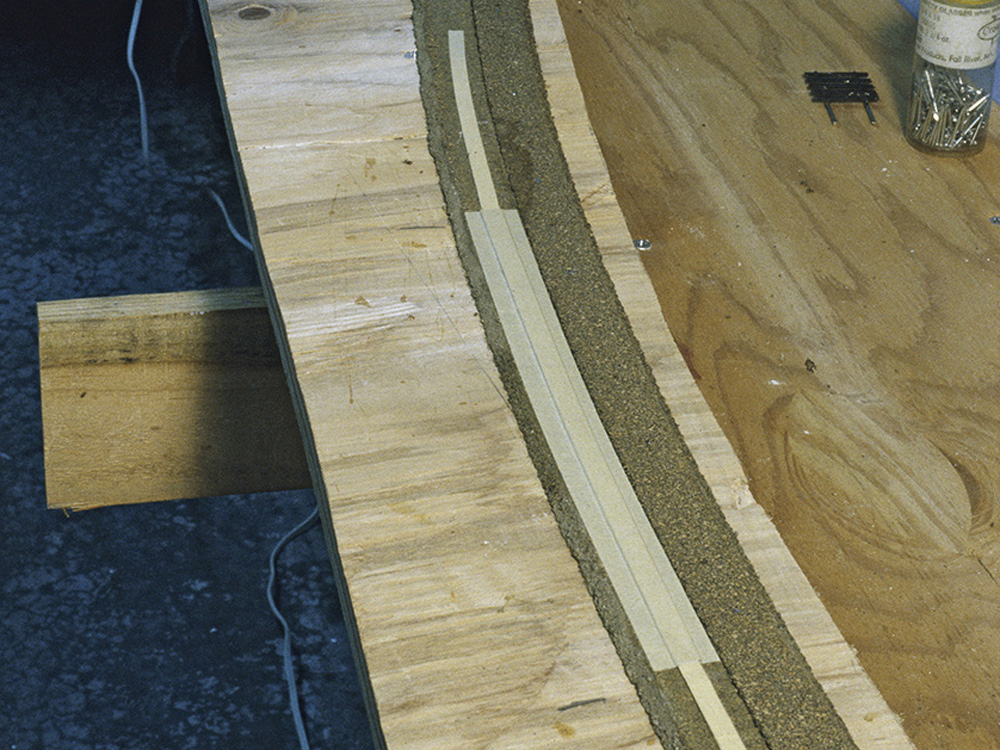
Q: When superelevating track curves with shims, is the shim placed with one of its sides along the track centerline or in the middle of the line? – Robert, last name not given A: Superelevation is where the rail on the outside of a curve is elevated slightly above the inner rail so trains transiting […]
Learn the fundamentals from Model Railroader with our FREE Basic Training E-mail Series! For beginners and those who could use a refresher on key model railroad fundamentals, Model Railroader’s Basic Training E-mail Series is for YOU! This series of six e-mails includes: •a clear explanation of scales and gauges •a demonstration of model train sets […]
Learn what you need to get started as a toy train operator/collector. Classic Toy Trains brings you a new 4-part email series called “Toy Train Basics.” Using insightful articles and helpful video guides, it teaches you the essentials of the hobby, including: •Lessons on fundamental terminology. •How to create a small, simple track plan. […]
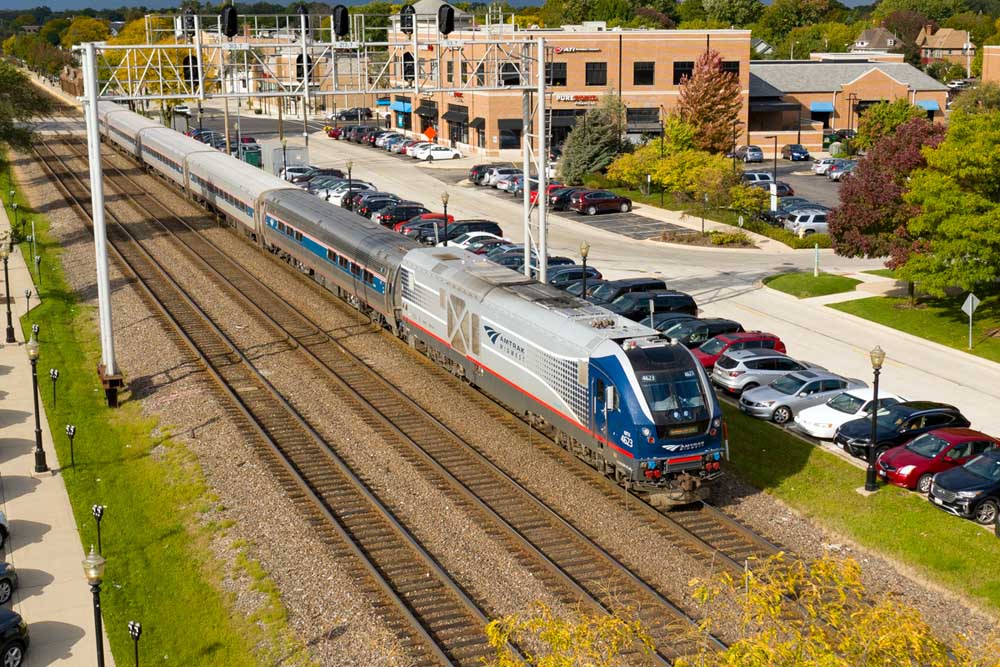
Locomotive builders use model designations to differentiate between products, describing major features found on them. Often, these model designations will be used by the railroads who purchase them, or they will be shortened or modified to conform to space limitations on a computer system, uniform naming schemes, or to identify features that are important to […]
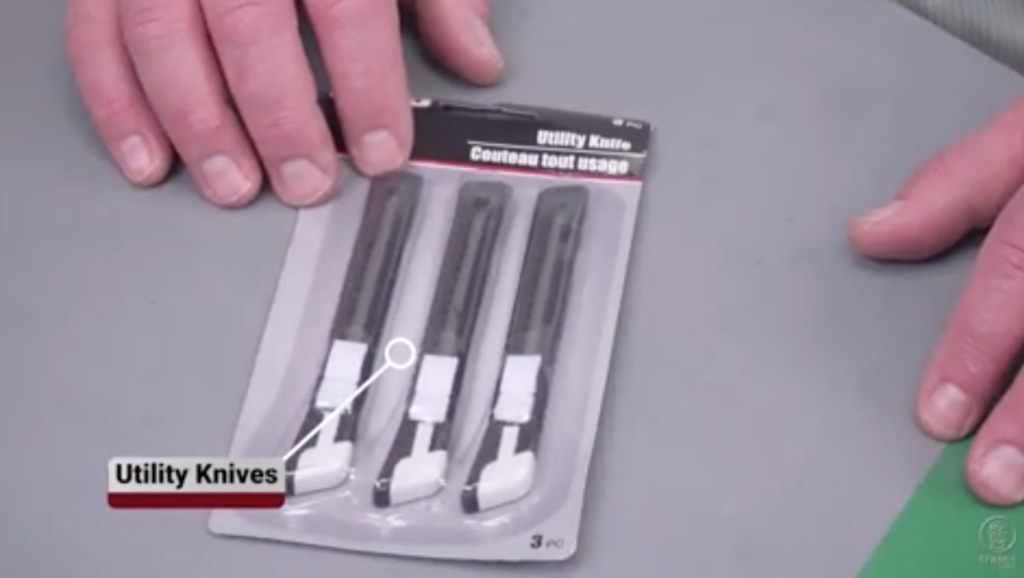
Classic Toy Trains Editor Hal Miller prowls the dollar store aisles in search of inexpensive items that are useful on the workbench or layout. […]
