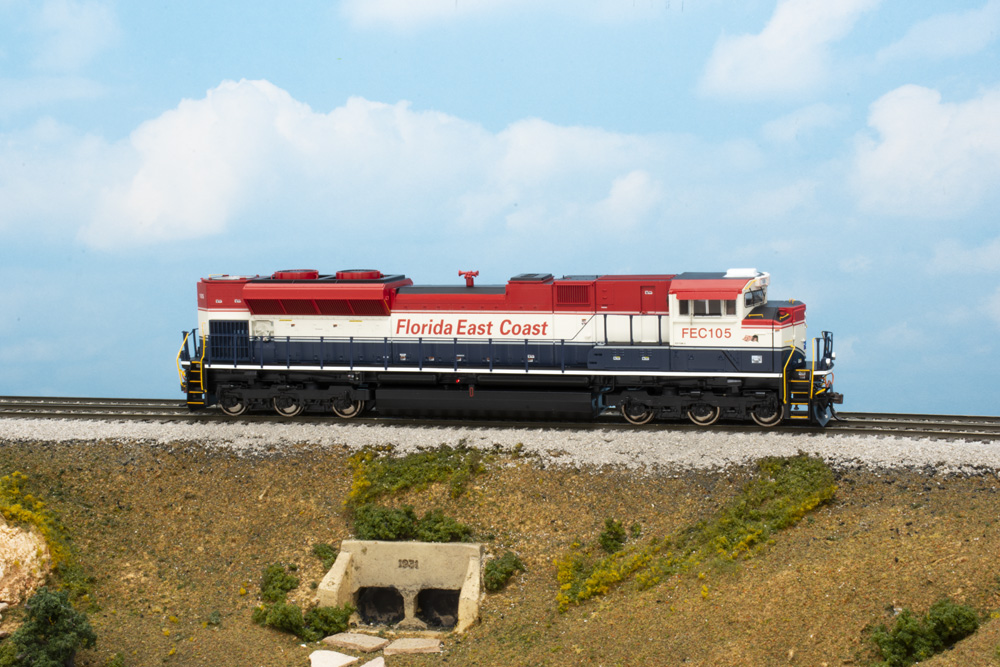
Parts of the Electro-Motive Diesel SD70M-2. Today is a great time to be a model railroader. The market is filled with a variety of locomotives from different manufacturers in many popular modeling scales. These engines often feature railroad- (and sometimes road-number-) specific details; factory-installed and painted wire grab irons; and sounds recorded from the prototype. […]
Read More…
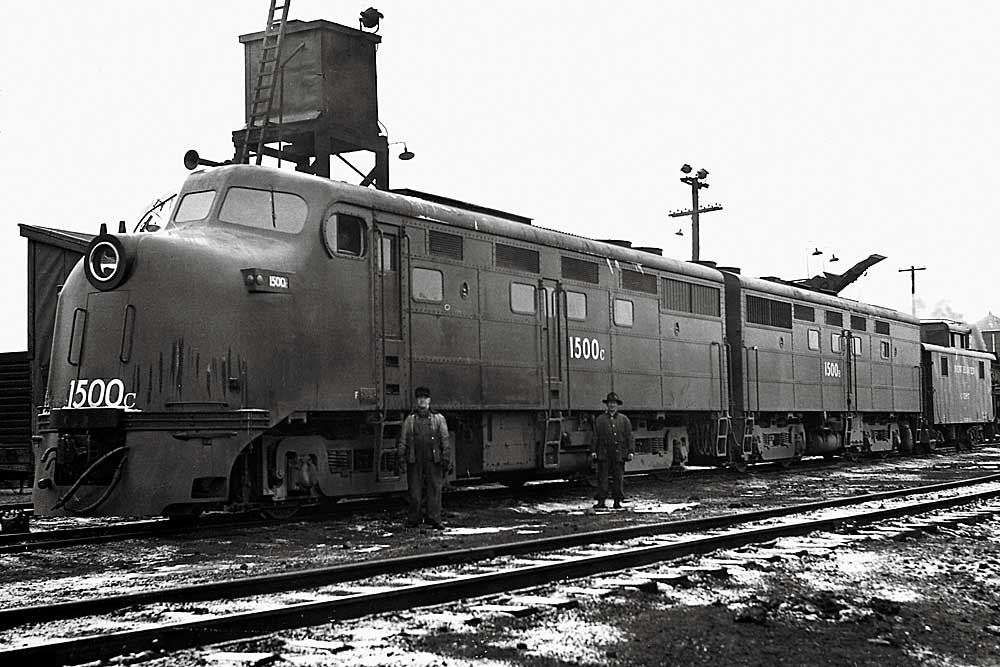
The Alco Black Marias, a trio of prototype cab units, were the builder’s initial attempt to enter the mainline diesel locomotive market after World War II. The U.S.’s World War II War Production Board closely monitored the railroad locomotive builders and what they could and could not produce. Loosely, EMD was manufacturing mostly road locomotives […]
Read More…
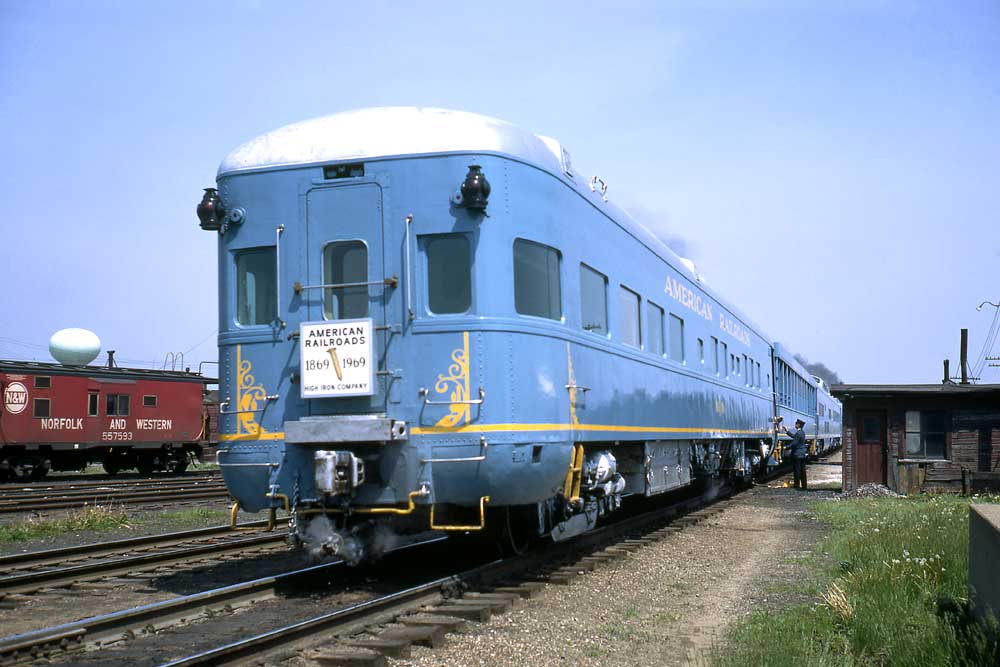
The Golden Spike Centennial Limited was born, in promoter Ross Rowland Jr.’s mind, as a reaction to the Association of American Railroads’ not planning anything special to mark the 100th anniversary of the nation-uniting event on the new transcontinental railroad at Promontory, Utah, in 1869. The apathy was perhaps typical of the Class I railroads […]
Read More…
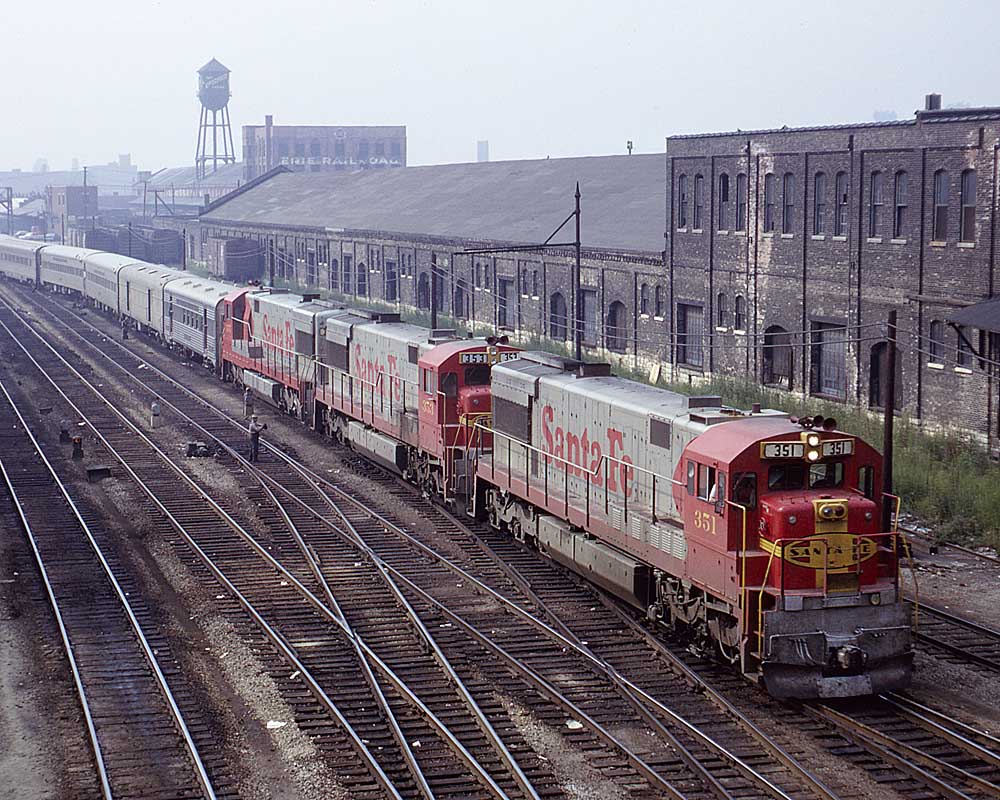
The General Electric passenger U-boats filled a niche in the 1960’s locomotive market. Santa Fe, like many Class I railroads at the time, was still proud of its passenger service. But its roster of suitable diesel locomotives was getting old and any thought of Amtrak was still years away. Keeping its aging fleet of silver […]
Read More…
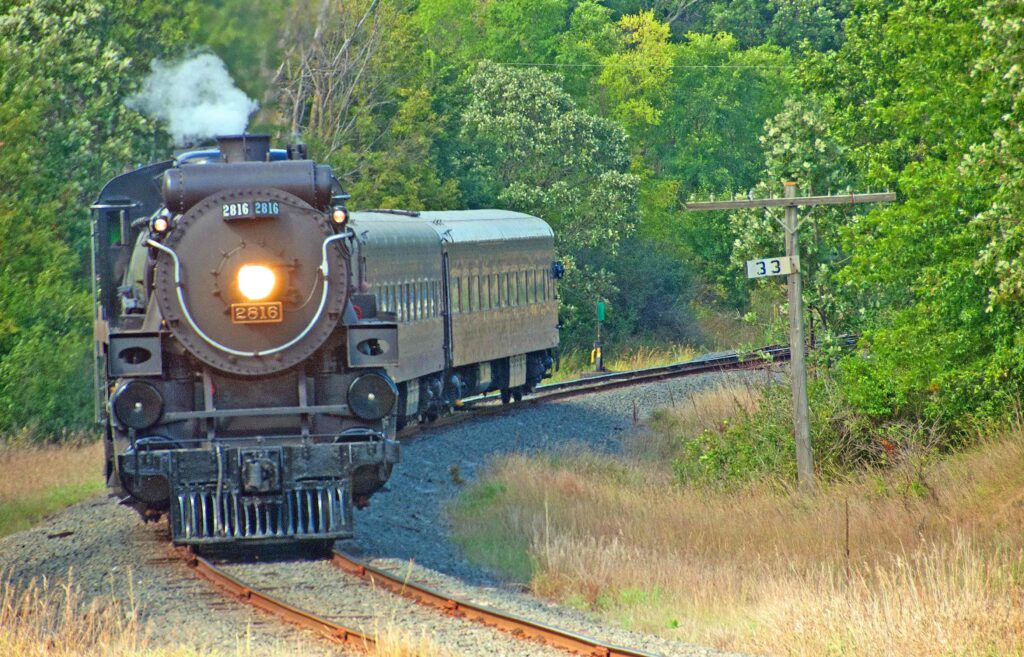
Introducing The Empress Canadian Pacific 2816 The Empress: Canadian Pacific President and CEO Rob Ritchie set the steam preservation world on its ear when in 1998 he revealed the railway’s plan to repatriate CP H1b Hudson No. 2816 from its long-time home at the National Park Service’s Steamtown museum and rebuild the 1930-vintage locomotive for […]
Read More…
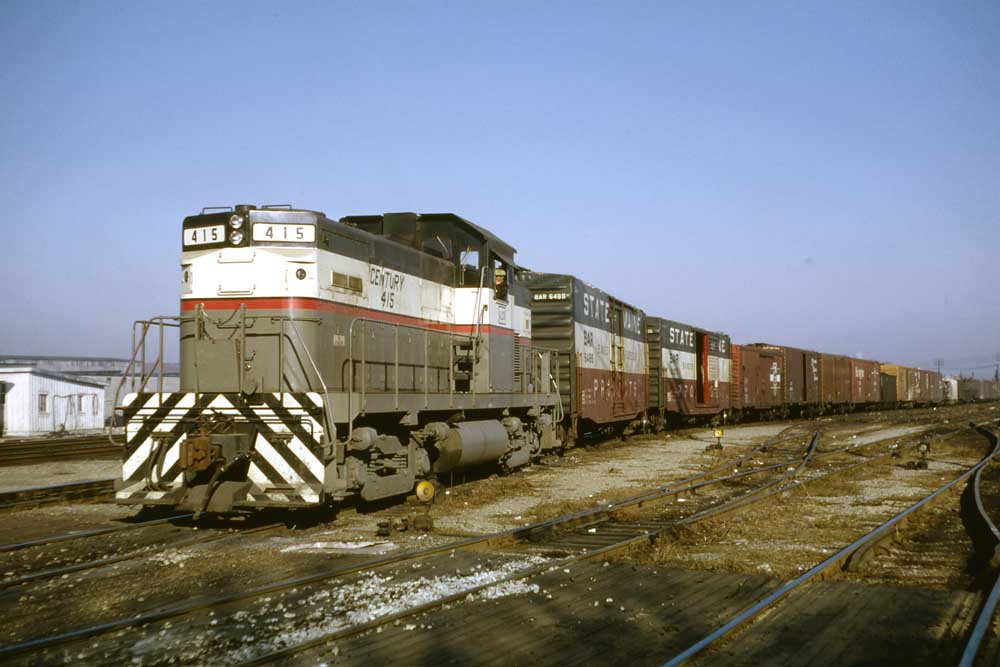
Alco C415 failure was not what the famed locomotive maker had in mind in the 1960s. At the time, Alco saw a need to revamp its switcher offerings and came up with the offset centercab configuration C415, which launched as a demonstrator in 1966. The arrangement separated the prime mover from the radiator on different […]
Read More…
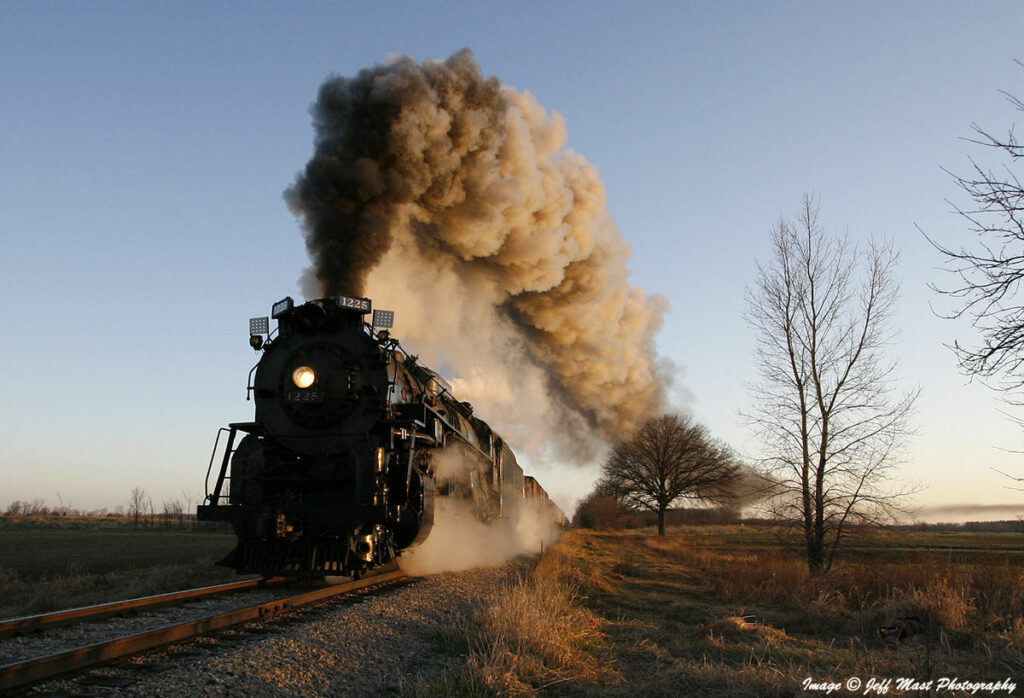
A Pere Marquette 1225 steam locomotive profile is long past due. Not only is it one of the most active mainline steam locomotives of the past 25 years it is also an iconic symbol of steam’s greatest technological leap forward: the development of Super Power technology, introduced in the 1920s by Lima Locomotive Works of […]
Read More…
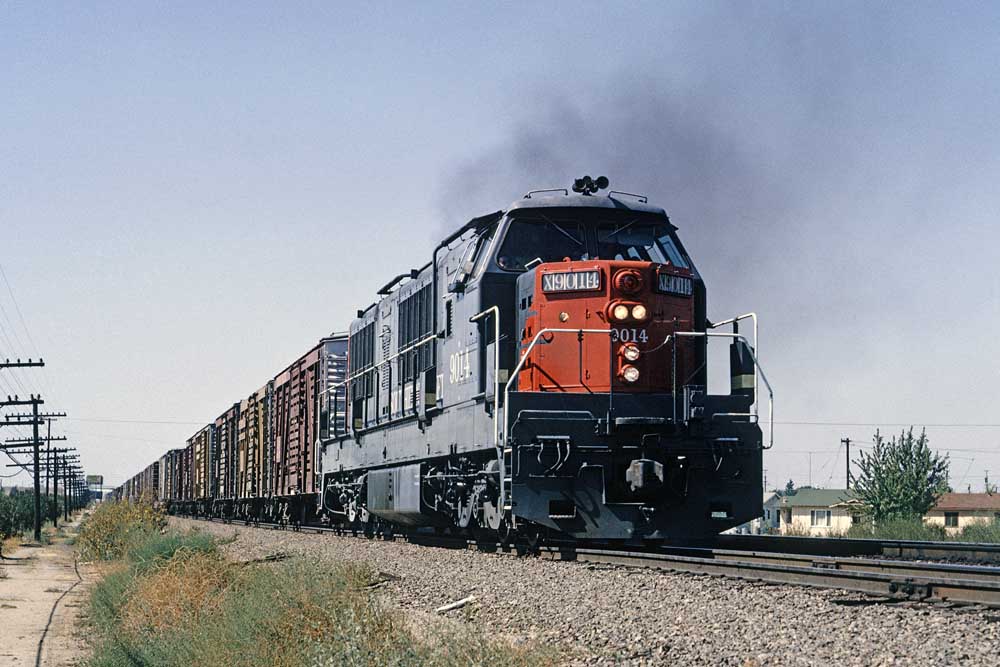
North American railroads never found a broad use for freight service diesel locomotives with a hydraulic drive, making them another case of the “diesels that didn’t.” Germany was the early leader in developing and building diesel locomotives that utilized direct-drive transmissions. Those early models in the 1930s incorporated torque converters and gears in lieu of […]
Read More…
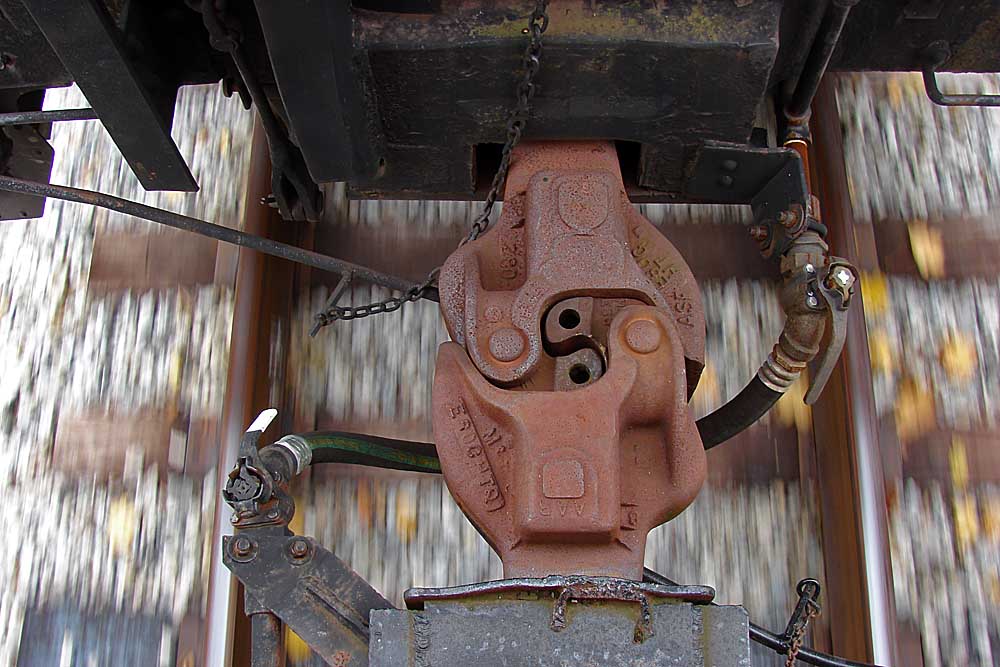
A lot happens between the horsepower output of a diesel engine and the drawbar where freight cars are coupled. A diesel engine’s raw output is known as brake horsepower, which is calculated without any additional equipment connected. After deducting those losses, the rest of the engine’s output is sent to the traction motors to pull […]
Read More…
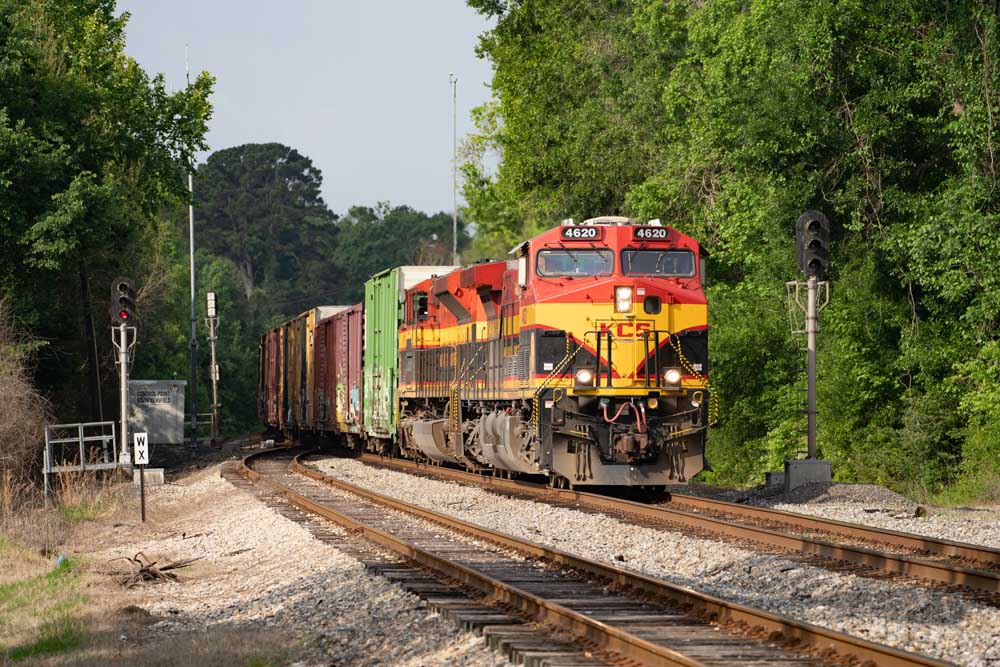
Mergers or acquisitions of two or more railroads always bring a blending of motive power rosters. Kansas City Southern, like all Class I railroads today, relies on its fleet of A.C. (alternating current) traction locomotives for most of its operations, similar to both Canadian National’s and Canadian Pacific’s motive power philosophies. Kansas City Southern’s grade-intensive […]
Read More…
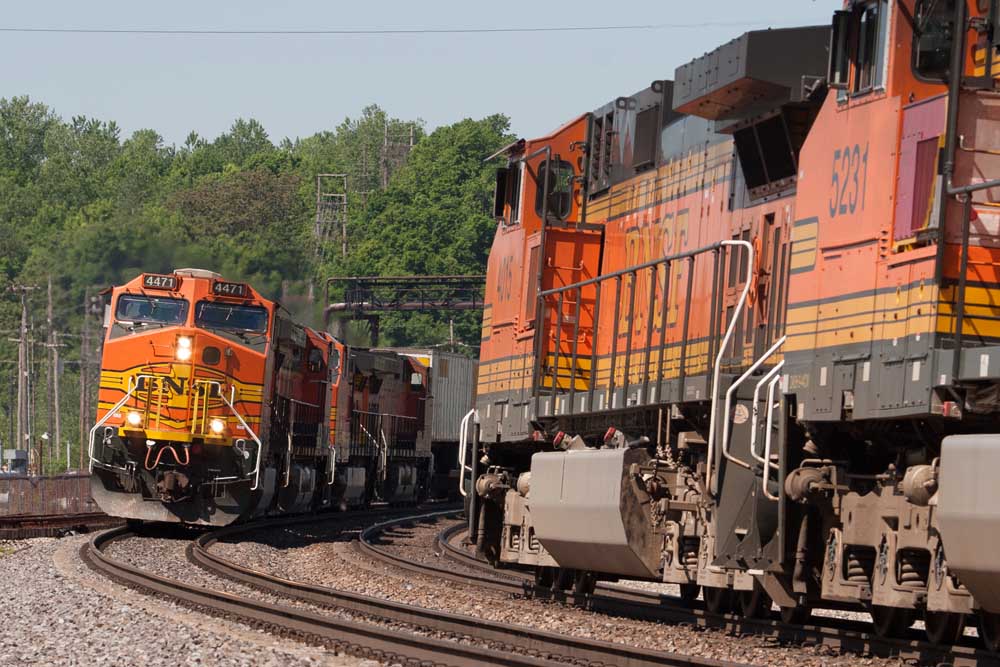
General Electric’s 4,400 hp C44-9Ws were, by far, the most popular D.C. traction locomotives the company every produced, with almost 3,600 copies built for North American customers. Sales began in the early 1990s just as A.C. traction was taking hold in the industry. Many railroads were still either wary of the new A.C. technology and […]
Read More…
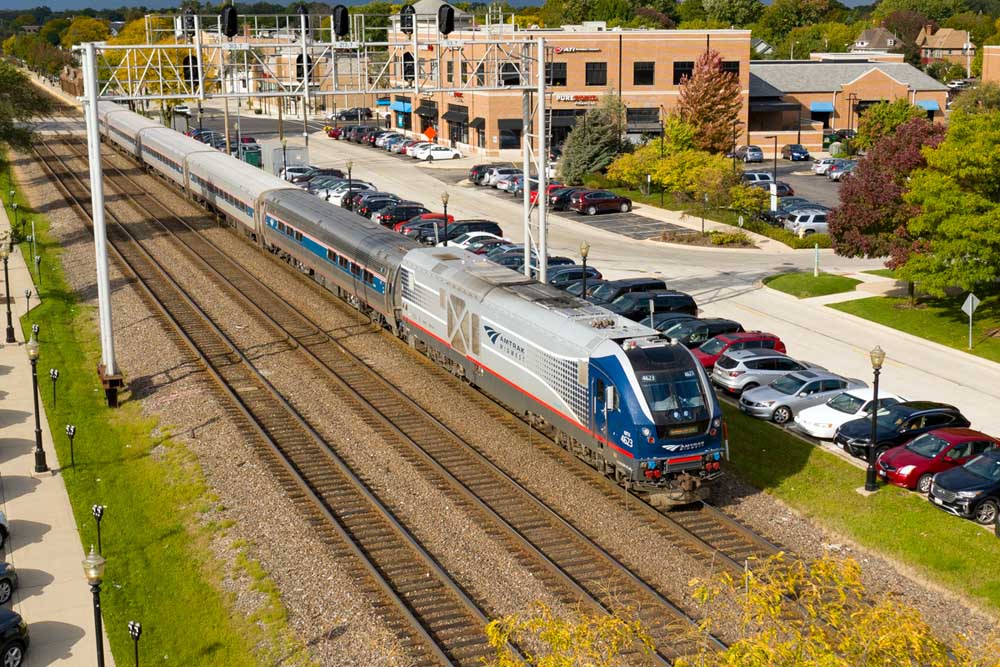
Locomotive builders use model designations to differentiate between products, describing major features found on them. Often, these model designations will be used by the railroads who purchase them, or they will be shortened or modified to conform to space limitations on a computer system, uniform naming schemes, or to identify features that are important to […]
Read More…