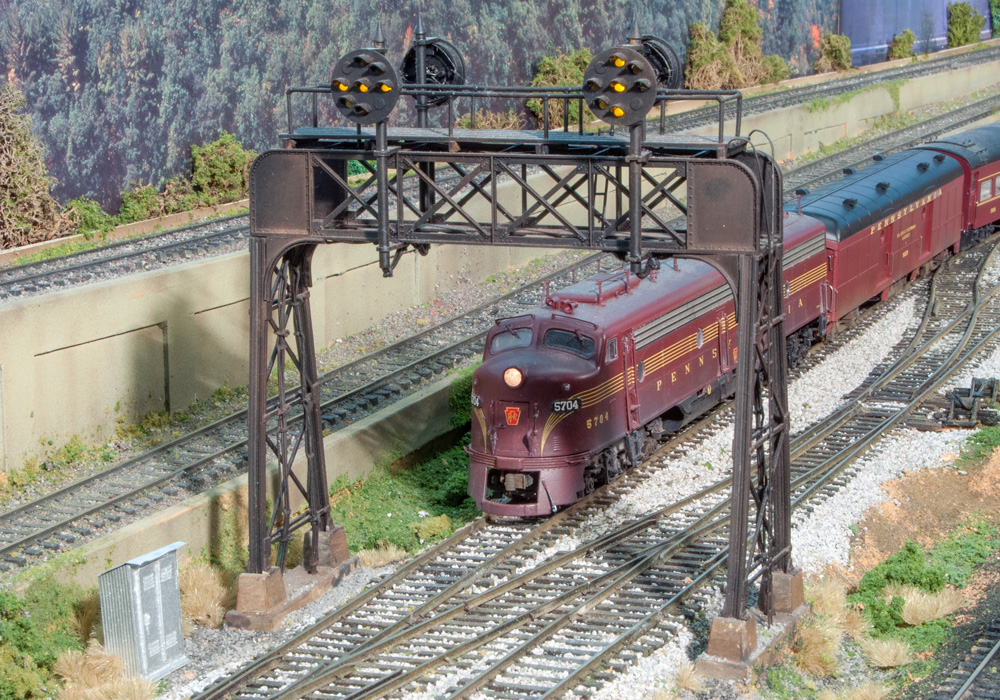
Unless you model a short line or branch line that owns only one locomotive, your layout probably needs some kind of model railroad signals. Signals are used to convey information to an engineer about the block of track ahead: whether it’s safe to enter, whether it’s occupied by another train, and how fast it can […]
Read More…
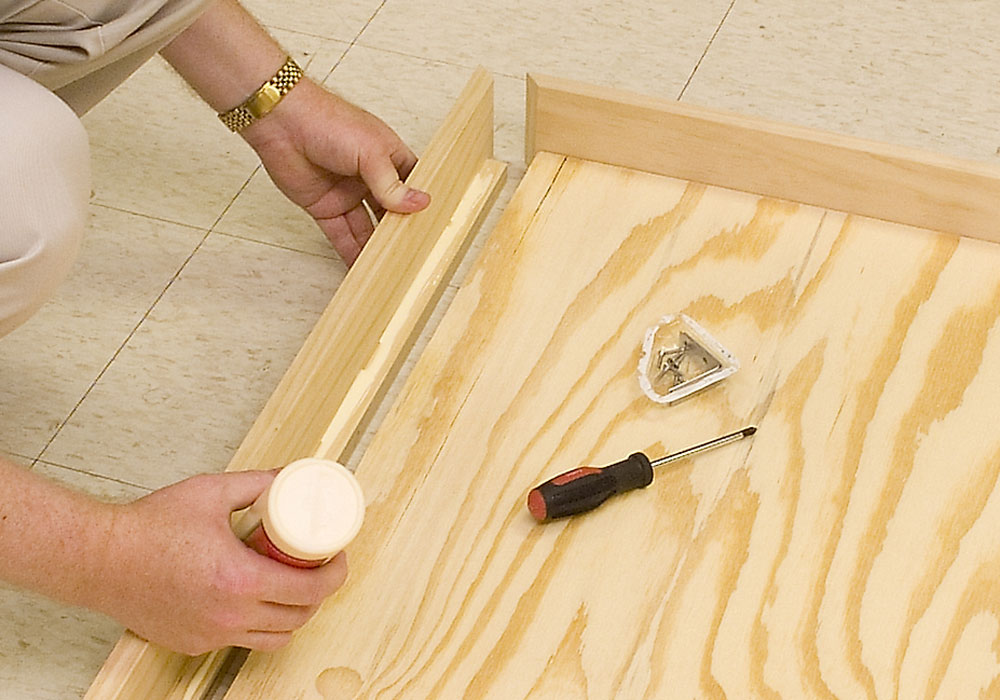
The basic tools to start building your train table: If you’re interested in building a train table for your layout, you’ll need a few basic tools to get started. Whether you’re a beginner or an experienced model railroader, having the right tools can make all the difference in the success of your project. Safety Gear […]
Read More…
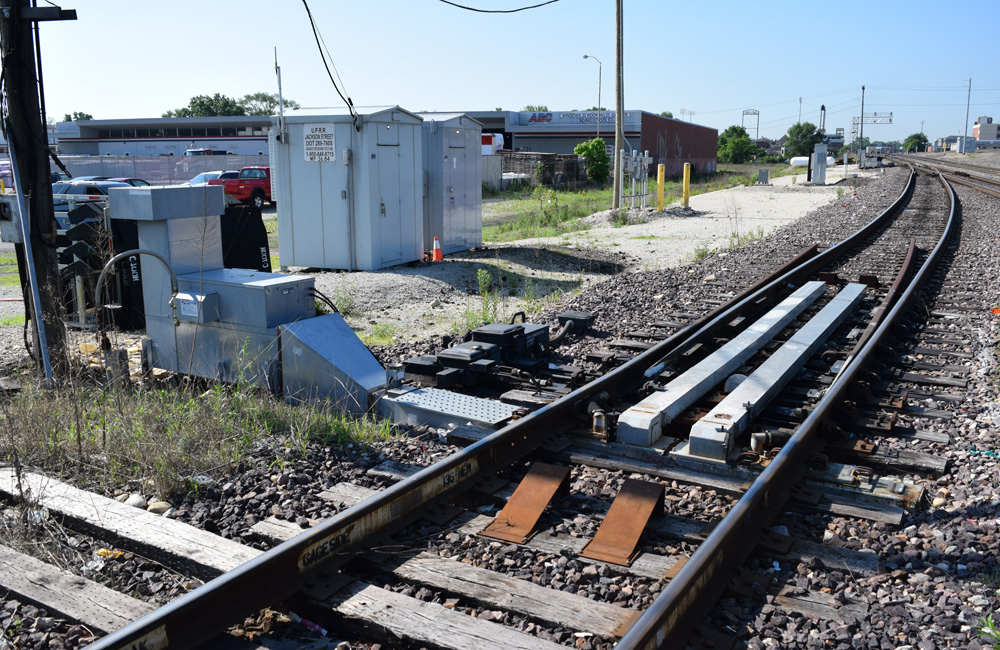
Q: How exactly do switch heaters work? And how can I model a switch heater? – Bob Kolankoski A: Over the years, railroads have tried many different methods to keep switch points from getting clogged with ice and compacted snow. One of the earliest was placing burning smudge pots between the rails. Later, more permanent switch […]
Read More…
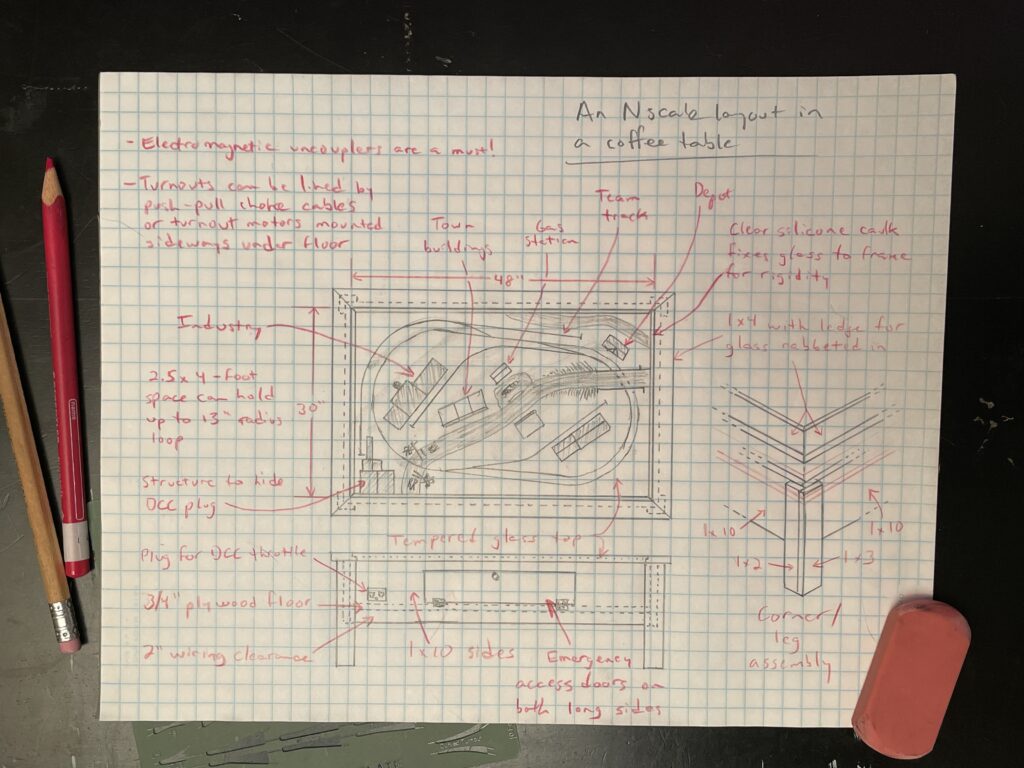
Over the years, I remember reading articles in Model Railroader about model train layouts built into furniture, like cabinets, dining tables, and coffee tables. I always thought this was a great idea, allowing modelers to bring their hobby out of the cold, lonely basement and into the welcoming atmosphere of the family room. It was an especially intriguing […]
Read More…
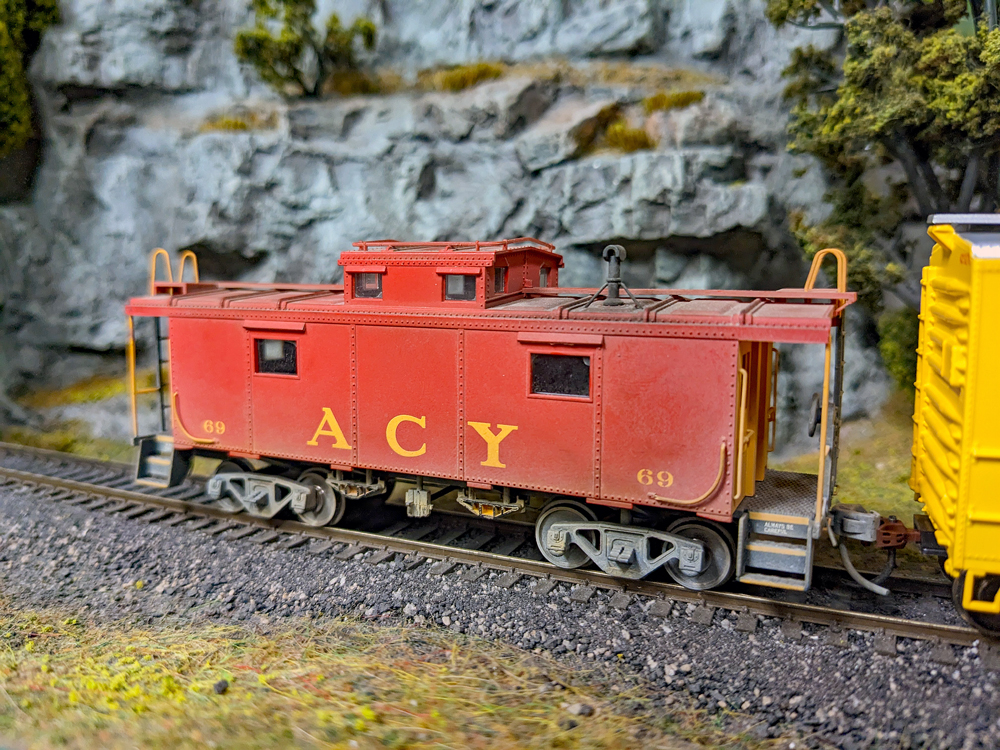
My favorite caboose: The MR staff picks their favorite caboose model and explains why it’s their favorite. What’s your favorite caboose? Leave a comment and let us know! Mitch Horner International Car Co. I-18 steel bay window caboose I’ve been enamored recently by Tangent’s Chessie System “’73+ Repaint Version 2” International Car Co. I-18 […]
Read More…
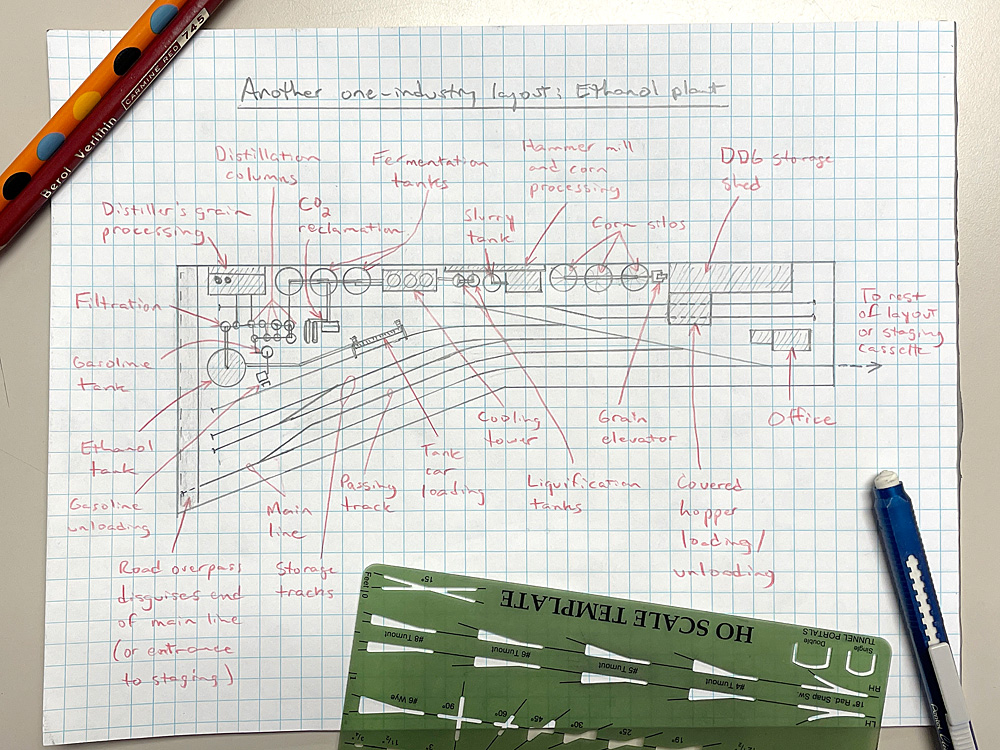
In last month’s “Sketching with Steve,” I explored a single-industry track plan by drawing a 4×8 paper mill layout. This month I’m doing it again, this time creating an ethanol plant track plan. If you’re looking for a modern industry that offers lots of business for your model railroad, an ethanol plant is for you. Jeff […]
Read More…
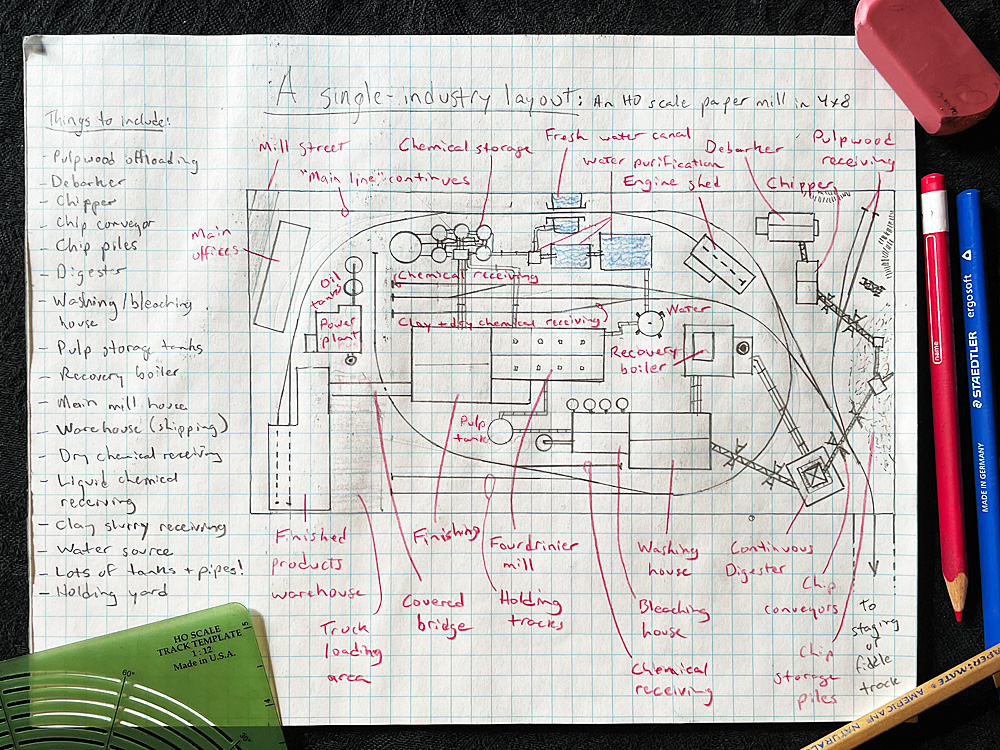
Modelers often compress industries to fit more of them on our model railroads. But doing the opposite – expanding a modeled industry to prototypical proportions – can create an intensely realistic operating experience that can’t be matched. Let’s explore that idea with a 4×8 HO scale paper mill layout. Some industries are just too large and […]
Read More…
Q: I’m building a new layout using Kato HO scale Unitrack. I have read many different opinions on whether to solder all track joints. What’s the best practice? Some say that using terminal joiners on Kato Unitrack for connection to the DCC bus is OK, while others say they’re unreliable. I use terminal joiners every […]
Read More…
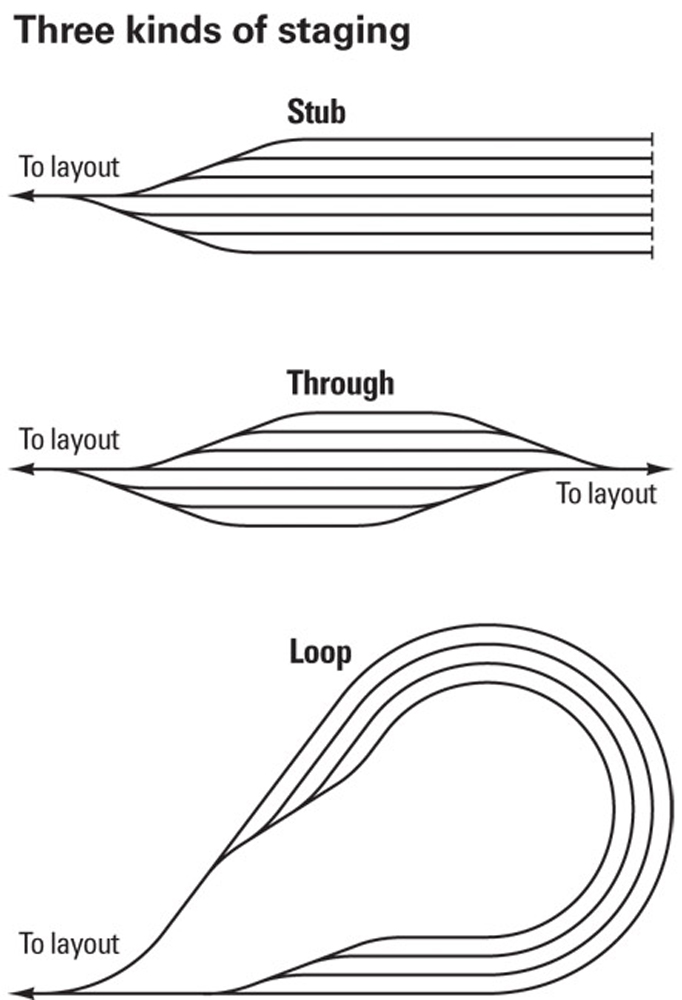
Three types of staging yards: Staging serves the role of representing a model railroad’s connections to the rest of the world. Different kinds of staging, though, perform differently. Using staging yards to represent “beyond the layout” connections is widely accepted among model railroad operators. There’s no better way to foster the illusion that a model […]
Read More…
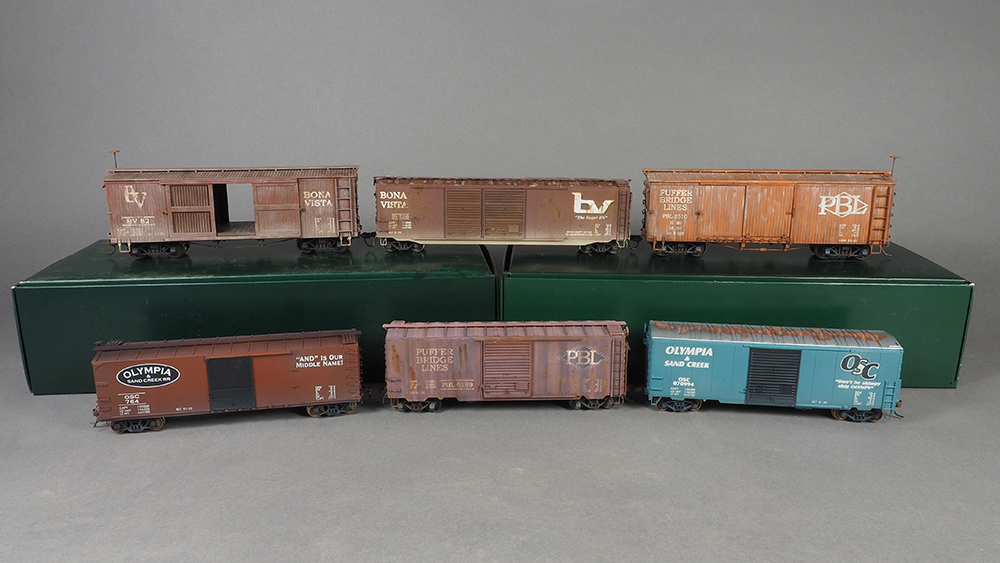
Car Swap Project part 9: Lessons learned: Once the last clear coat had dried, David and Seth sent their cars to Gerry for a class photo before he distributed them all to their new homes. After spending several weeks on the project, the three friends share some fun photos and a few of the lessons […]
Read More…
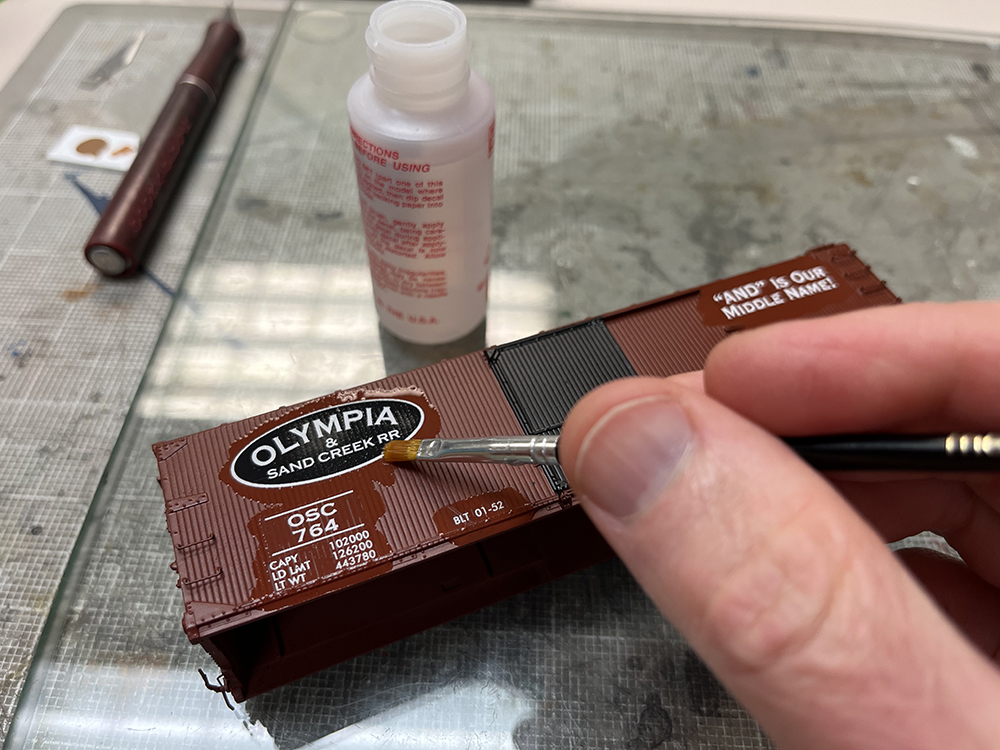
Car Swap Project part 8: Olympia cars and liquid rust techniques: In this installment of the Car Swap series, David explains how he completed the HO scale Olympia cars for Seth and Gerry’s layouts. Starting with a few of his own decaling tips, David explains how he weathered the cars using various paints, his airbrush, […]
Read More…
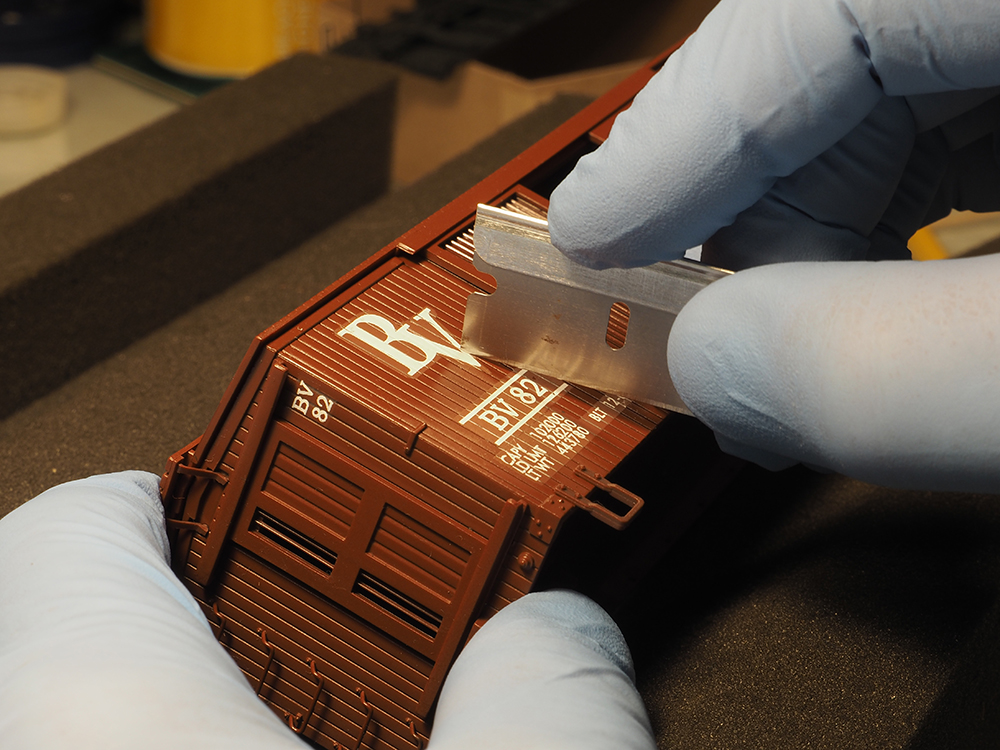
Car Swap Project part 7: Gerry’s creative touch: In this episode of our Car Swap series, Gerry explains how he completed the HO and O scale Bona Vista cars for Seth and David’s layouts. Starting with prep work and a few of decaling tips, Gerry then dives into extensive detail about weathering the two boxcars. […]
Read More…