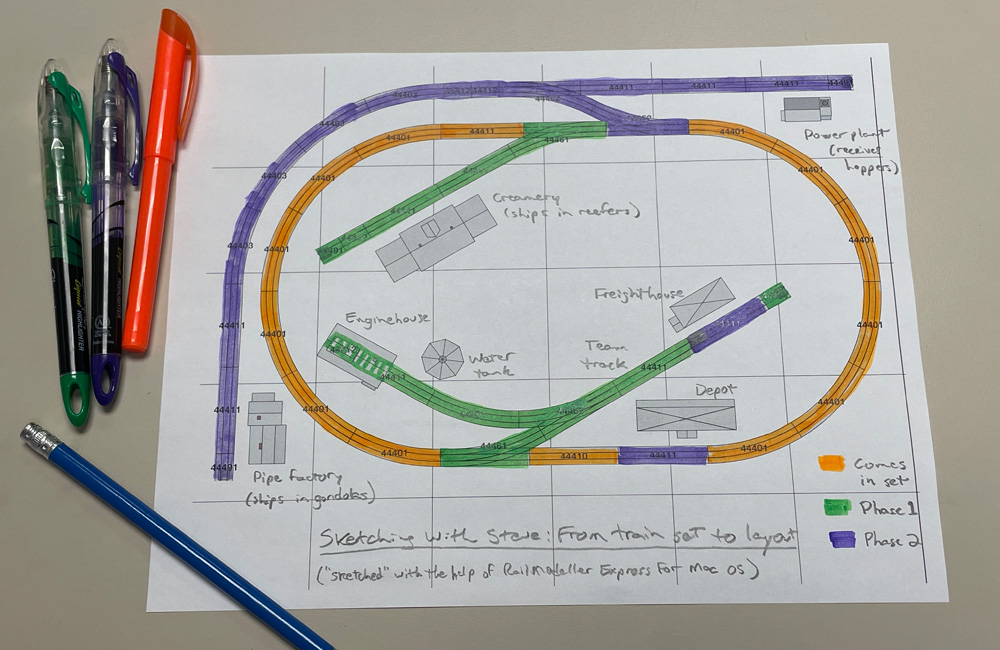
Many model railroaders get their start during the holiday season, with a train set either wrapped in colorful paper or already set up and circling under the tree on Christmas morning. But after a while, even a starry-eyed kid can get bored watching that train go around and around in an endless loop. It would […]
Read More…
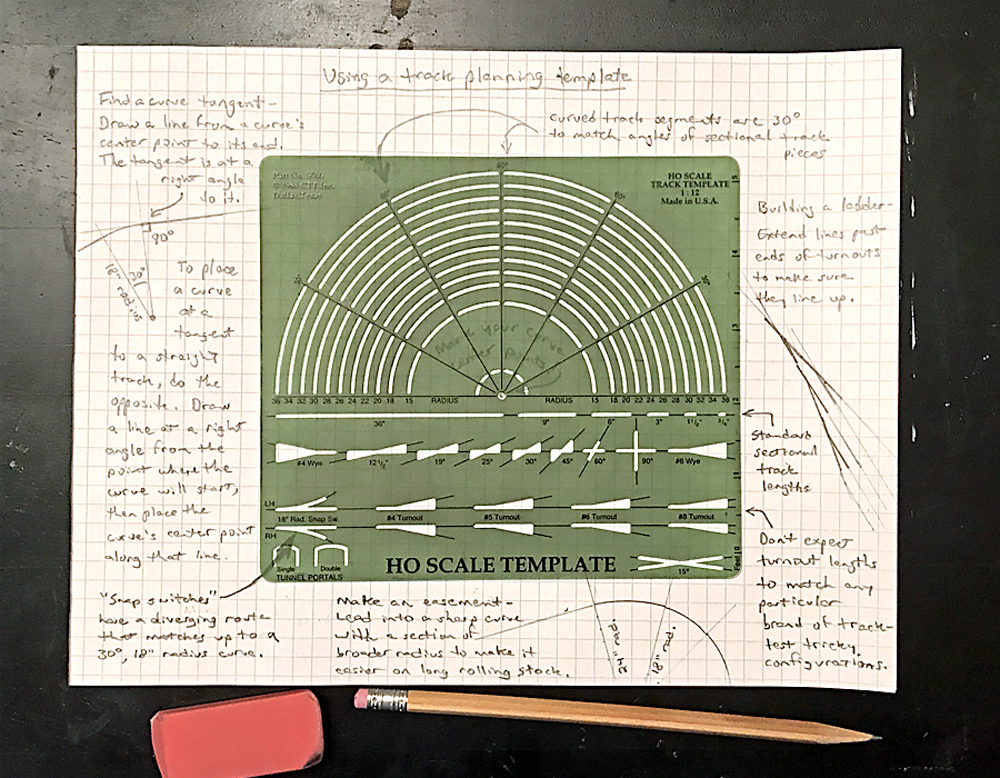
Sketching with Steve Introduction to track templates Learning to use a track template was among the first tasks I gave myself as a model railroader. You may have seen one of them hanging next to the register in your local hobby shop. Perhaps, in these days of point-and-click track-planning software, you thought it was a […]
Read More…
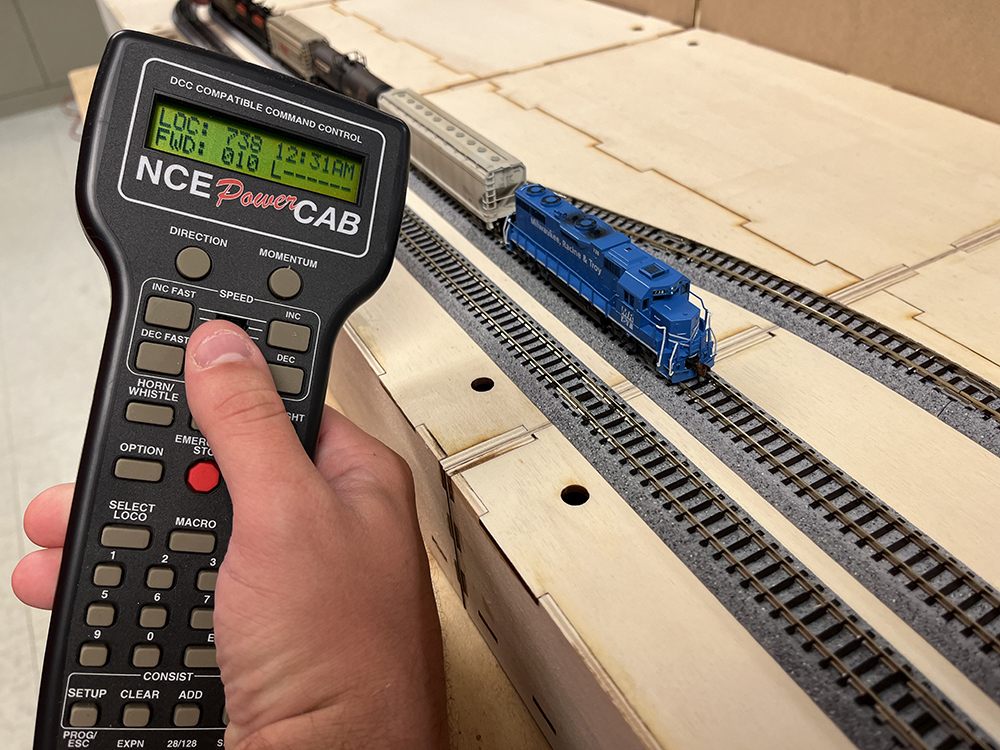
Modelers David Popp, Brian Schmidt, and Bryson Sleppy install the wiring power bus and Digital Command Control system on their modular T-TRAK N scale layout. T-TRAK is a modular N scale railroading system that uses foot-wide boxes plugged together to build tabletop layouts. In this fourth installment, the trio demonstrates how to build a portable […]
Read More…
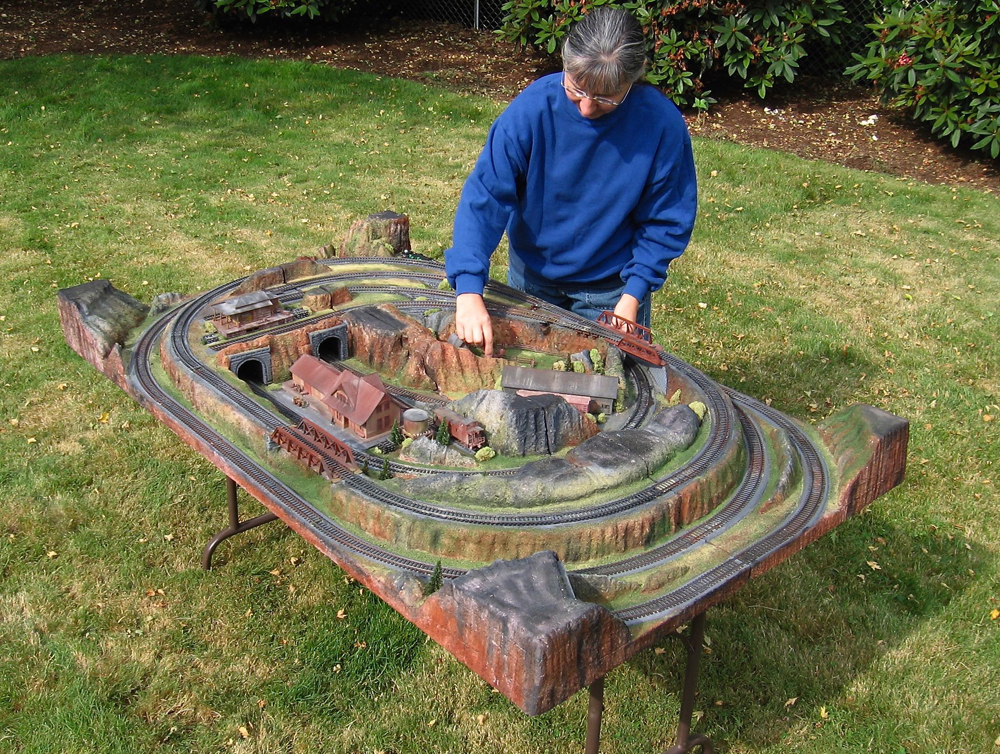
Like several other model railroaders, I lost my “right” to more layout right-of-way within our house several decades ago. Nevertheless, building a layout is perhaps the most enjoyable aspect of the hobby for me. Despite having two operating model railroads in the house, I still wanted to build more. At train shows I noticed many […]
Read More…
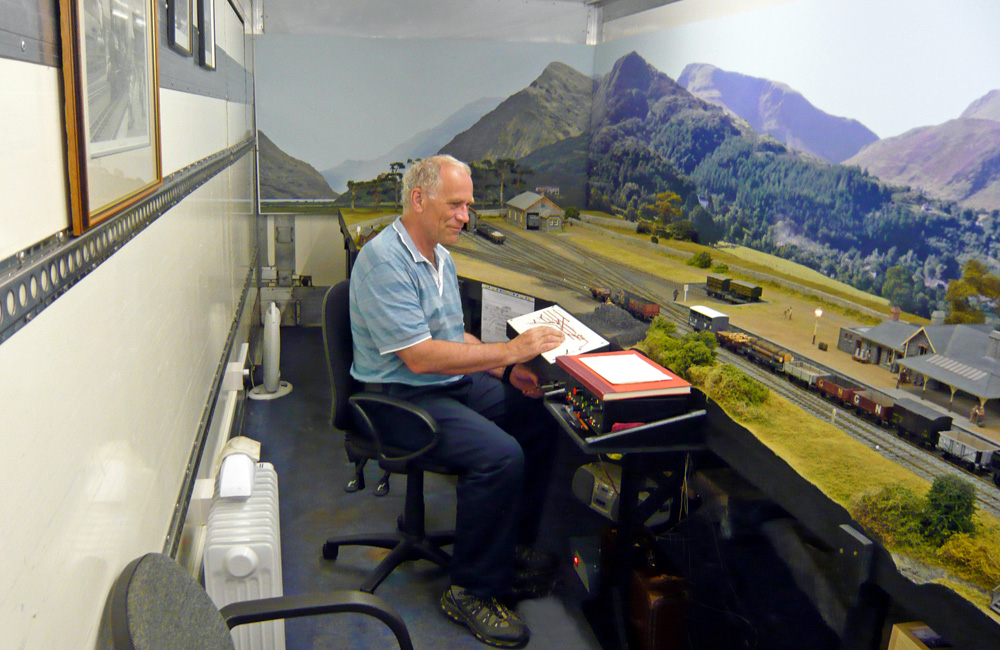
If you’re like many model railroaders, your first train was set up on the kitchen table, on a 4 x 8-foot sheet of plywood in the basement, or maybe on the floor around the Christmas tree. But when you’re ready for your first permanent layout, you have to decide where to build a model railroad. […]
Read More…
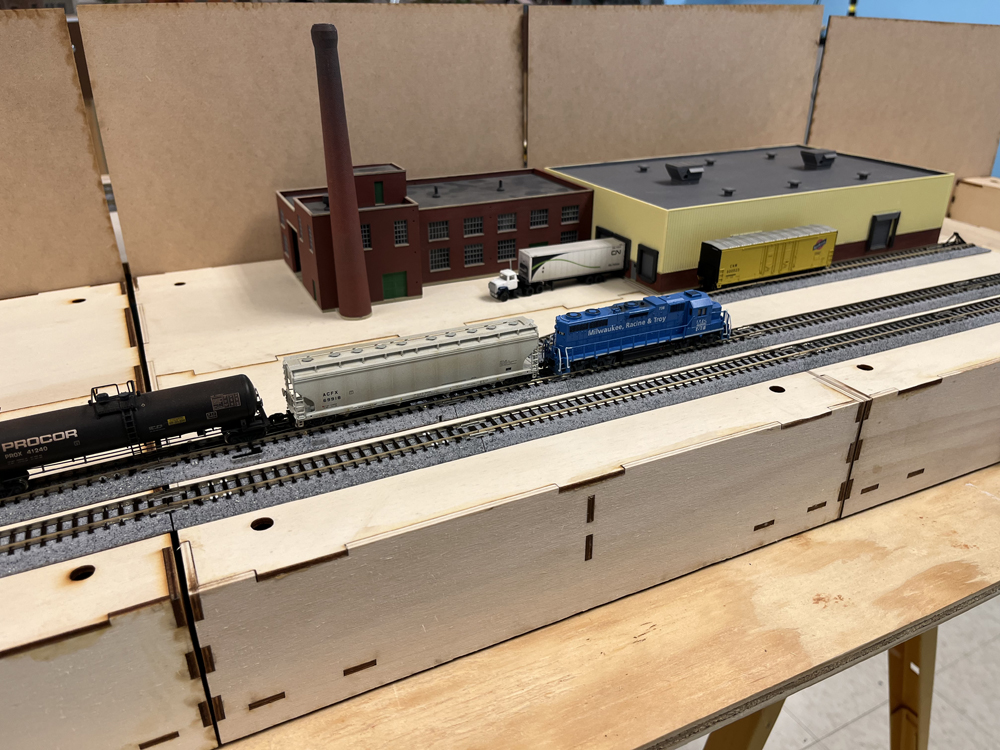
Modelers David Popp, Brian Schmidt, and Bryson Sleppy add Kato Unitrack to their modular T-TRAK N scale layout. T-TRAK is a modular N scale railroading system that uses foot-wide boxes plugged together to build tabletop layouts. In this third installment, the trio demonstrates how to build, wire, and install the Kato N scale Unitrack to […]
Read More…
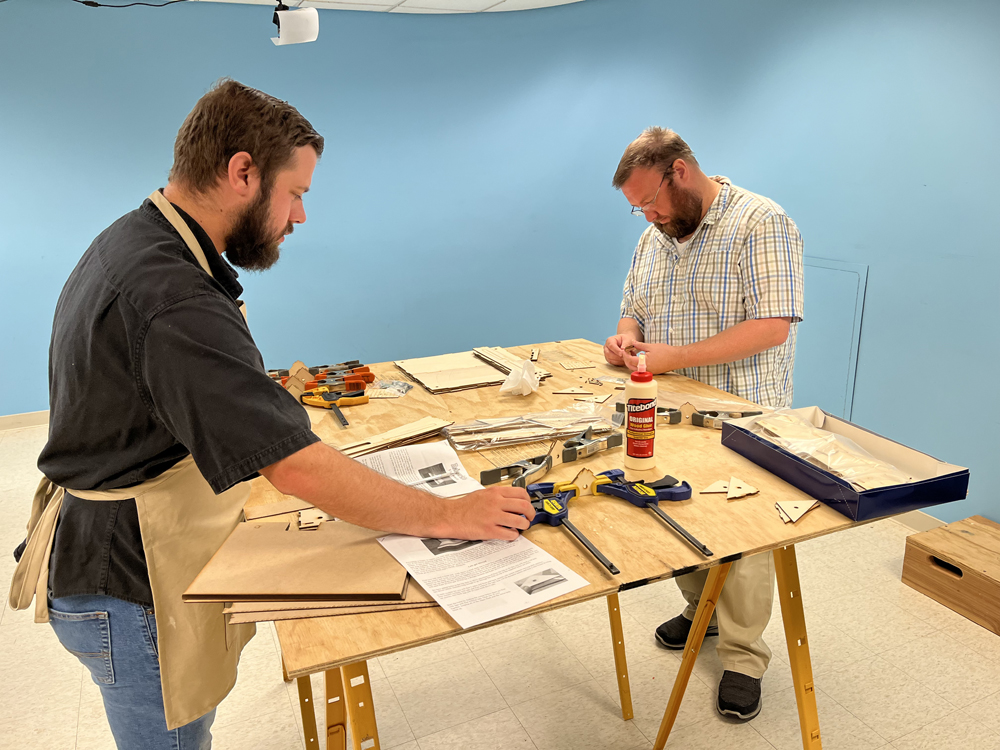
Modelers David Popp, Brian Schmidt, and Bryson Sleppy continue their series of projects to build a modular T-Trak N scale layout. T-Trak is a modular N scale railroading system that uses foot-wide boxes that can be plugged together to build tabletop layouts. In this second installment, the team demonstrates how to build RS Laser Kit […]
Read More…
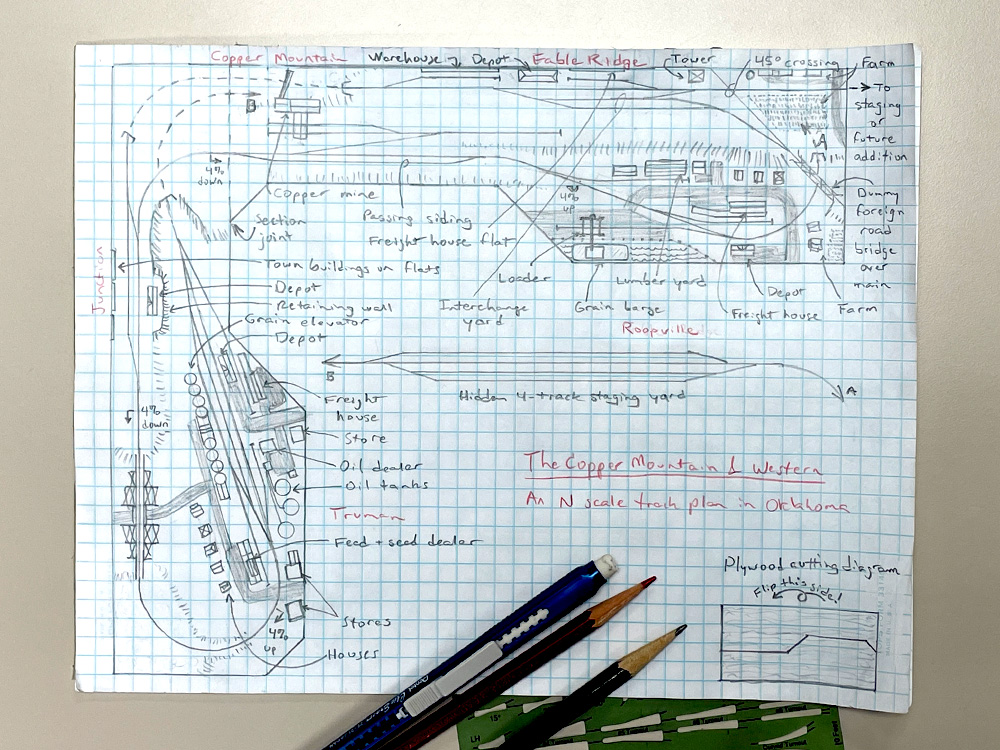
This started out as an attempt to draw a simple L shaped N scale track plan and came out one of the most involved sketches I’ve ever drawn. In August 2008’s Model Railroader I wrote an article called “Three track plans for one sheet of plywood.” (All three of those plans are available on Trains.com.) […]
Read More…
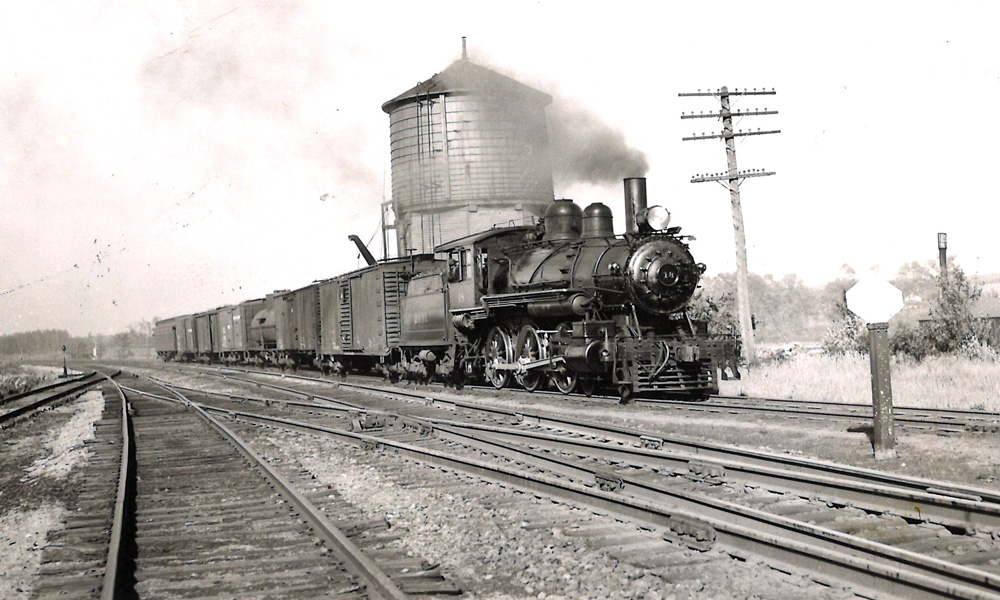
Q: I’m interested in modeling a Maine short line in HO scale. What can you tell me about the Belfast & Moosehead Lake RR in the steam era? – Joel Norman A: The Belfast & Moosehead Lake looks like a great subject for someone interested in modeling a Maine short line, especially if you’re intrigued […]
Read More…
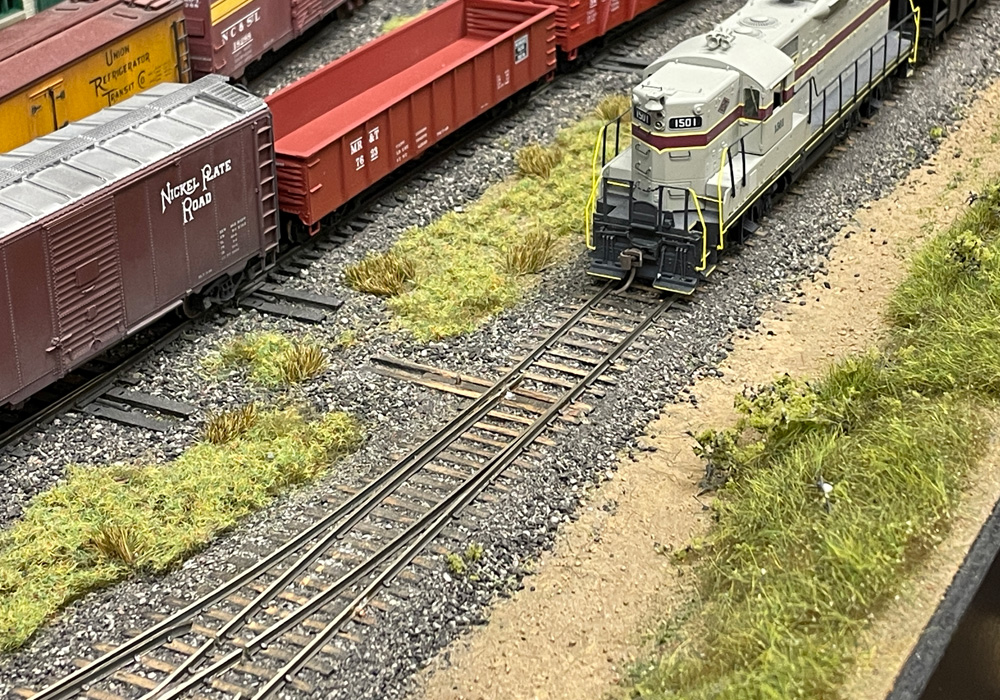
When you’re building a layout, there are four kinds of track for model railroads you can choose from. Those four are sectional track, sectional track with attached roadbed, flextrack, and hand-laid track. Each has its advantages and drawbacks. Luckily, you can mix and match the different types on the same layout to take advantage of […]
Read More…
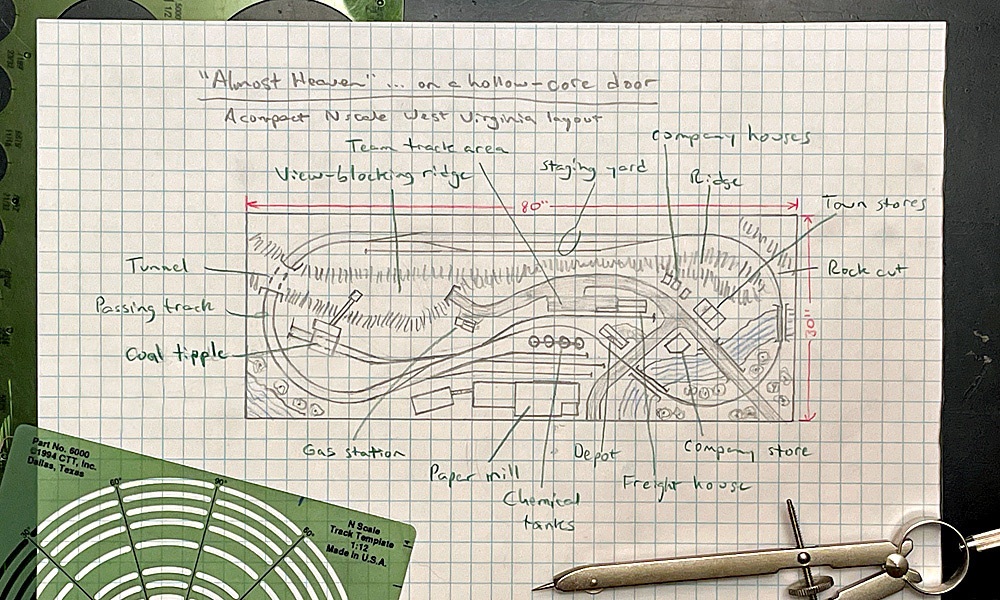
An N scale layout on a door is to that scale what a 4 x 8-foot table is to HO: a popular and convenient platform on which to build a compact layout. And for good reason. A hollow-core door is a lightweight, rigid surface, easy to handle and build on, and not too expensive. It’s […]
Read More…
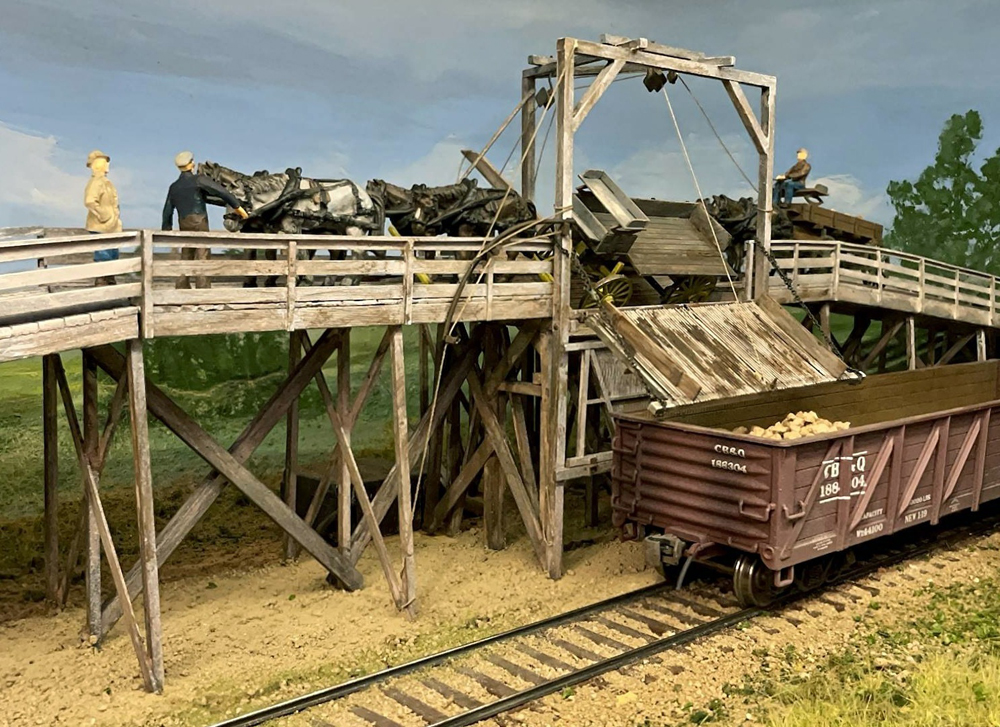
Sugar beet production and sugar refining was an important rail industry throughout the 20th century. Every fall, farmers brought their crops to nearby sugar beet dumps, where beets were loaded into railcars and rushed to sugar company factories. In the early 1900s, sugar companies built tall wooden Carroll beet dumps to speed loading. At the […]
Read More…