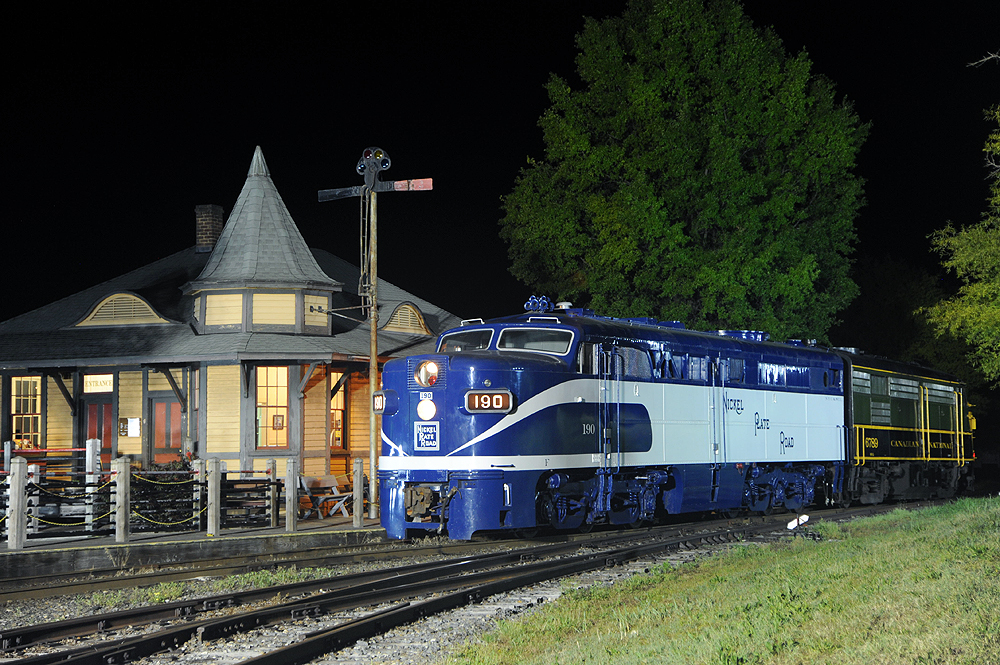
Top preserved diesel locomotives are units that were not only saved from the scrap heap, but special. These locomotives are important to see and understand not only because they were saved but because visionary railroad management saw them as examples of the past that should be saved to be enjoyed by the present and future […]
Read More…
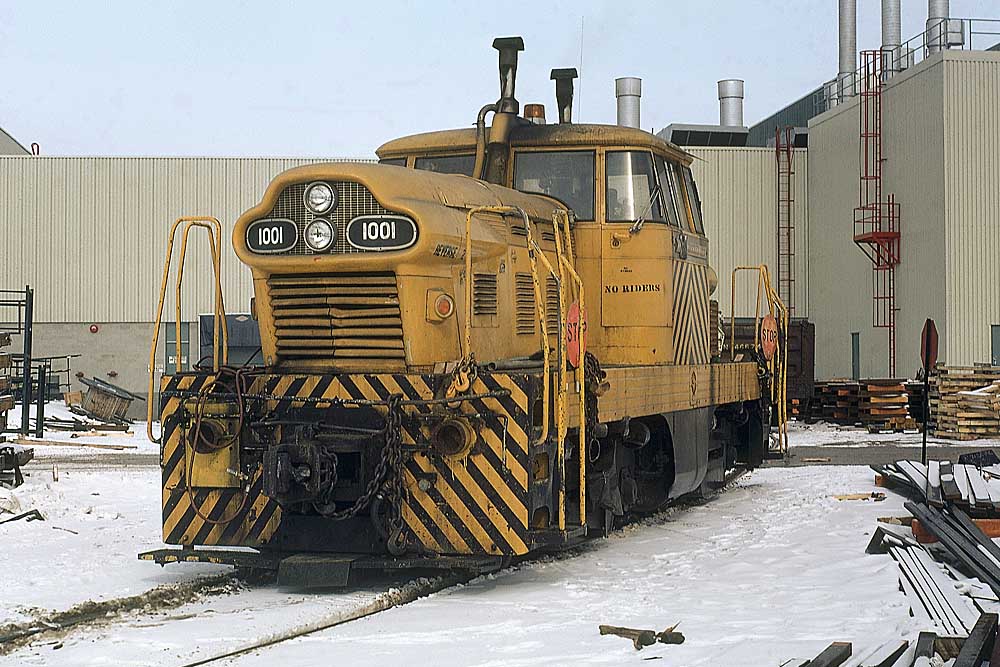
The GMDH1 diesel-hydraulic locomotives led a short life with one staying near their birthplace of London, Ontario. Diesel-hydraulic railroad locomotives are just what they say they are: diesel engines connected to a hydraulic transmission via the same principle as you would in your automobile. They can be found in various parts of the […]
Read More…
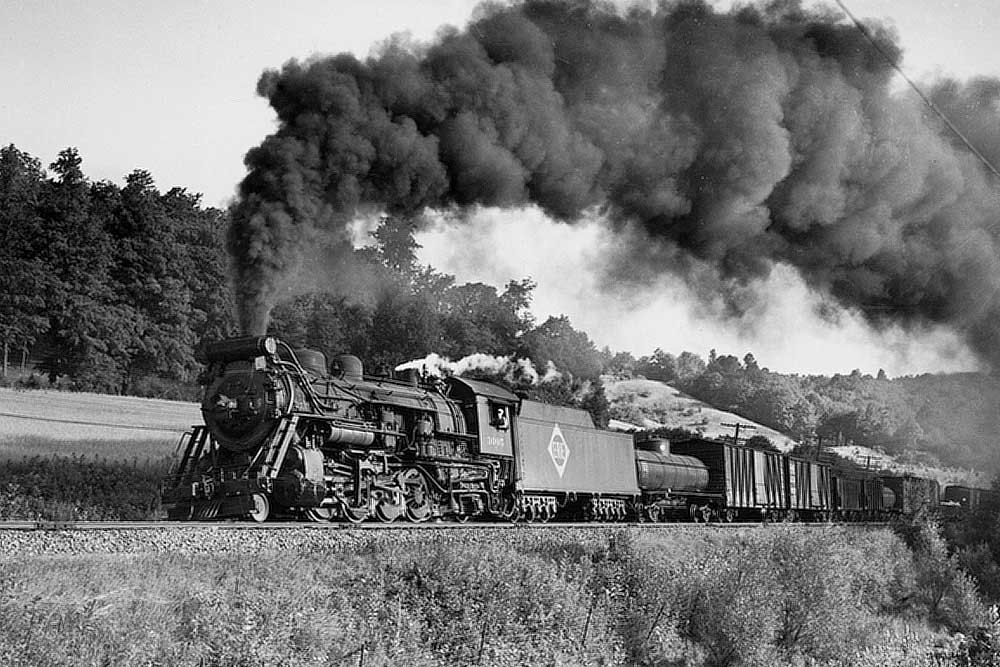
Erie Railroad locomotives included both oddball steam and diesels right out of a builder’s catalog. The Erie was a big user of the 2-8-0 Consolidation and 2-8-2 Mikado steam locomotive types. Going a step larger, the Erie experimented with articulated locomotives beginning with three Camelback 0-8-8-0s for pusher service in 1907. This evolved […]
Read More…
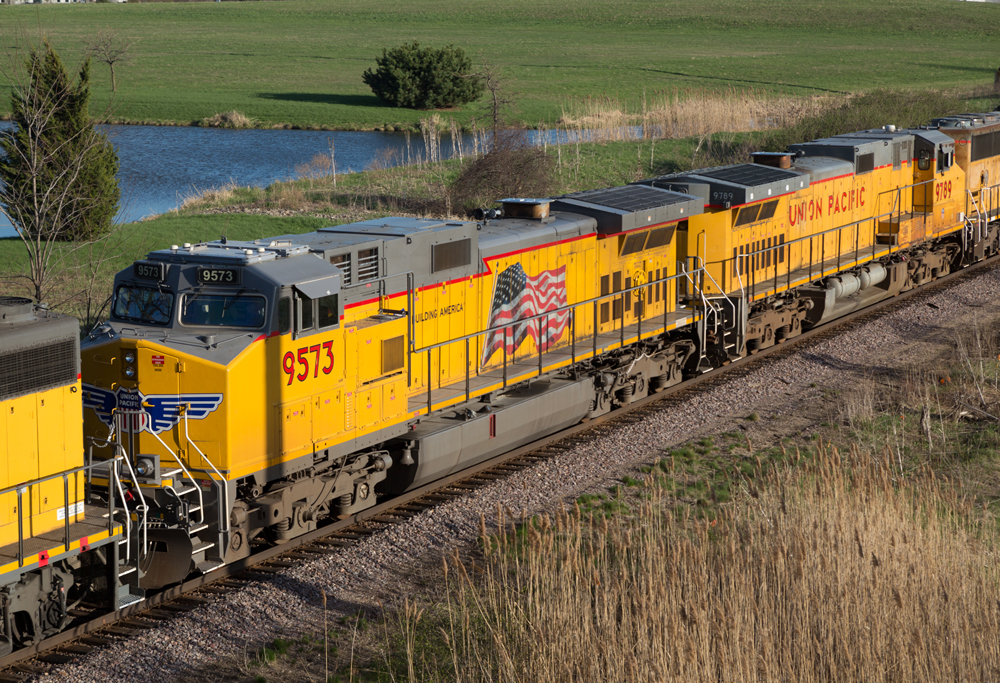
How to store diesel locomotives: The changing traffic levels of a railroad can affect the number of locomotives it operates. Outside of the effects of Precision Scheduled Railroading, which significantly reduces how many locomotives are needed, other factors such as losing a major contract to haul goods or the end of a cyclical demand, like […]
Read More…
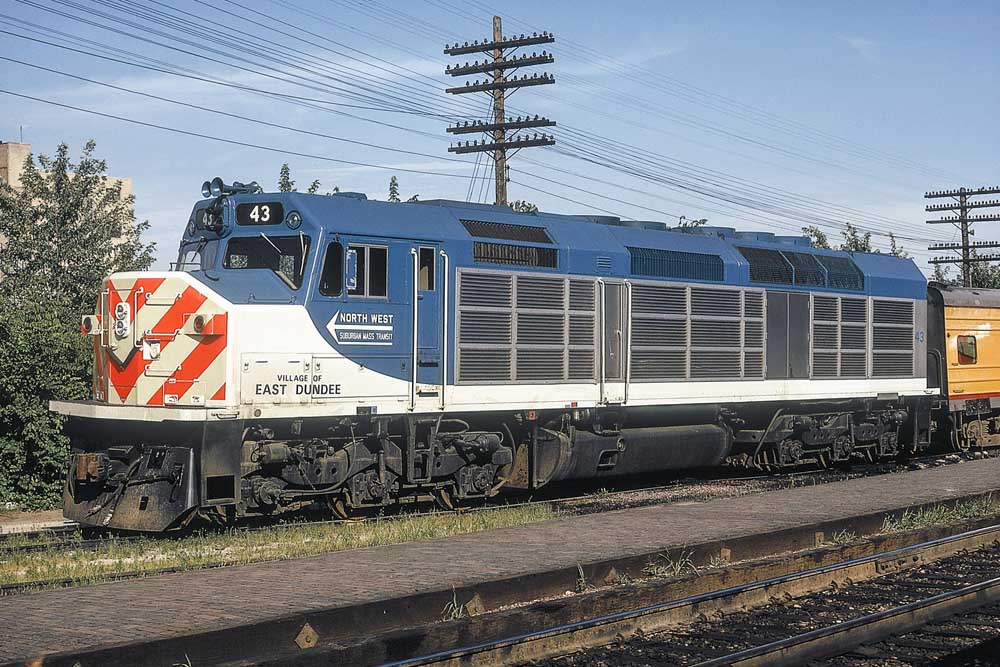
EMD F40C diesel locomotives were six-axle, 3,200-hp units built for Chicago-area commuter service in 1974. They were found on two Milwaukee Road-operated routes out of Union Station, one west to Elgin and one north to Fox Lake. The units had a cowl body like the Amtrak SDP40F of 1973, but used an alternator to […]
Read More…
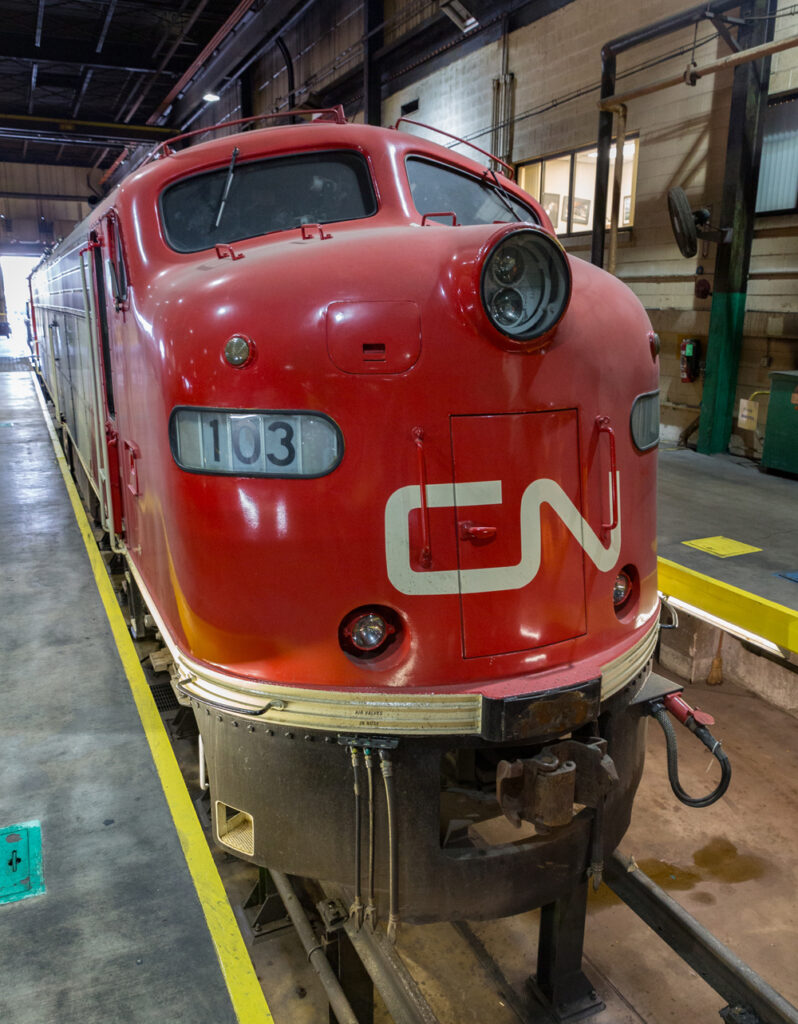
Locomotives with two diesel engines: The recent announcement by Union Pacific to donate a portion of its heritage steam and diesel fleet has lowered the number of Class I railroads owning double diesel locomotives to one. A double diesel locomotive features two prime movers on a single frame to increase the horsepower beyond what’s available […]
Read More…
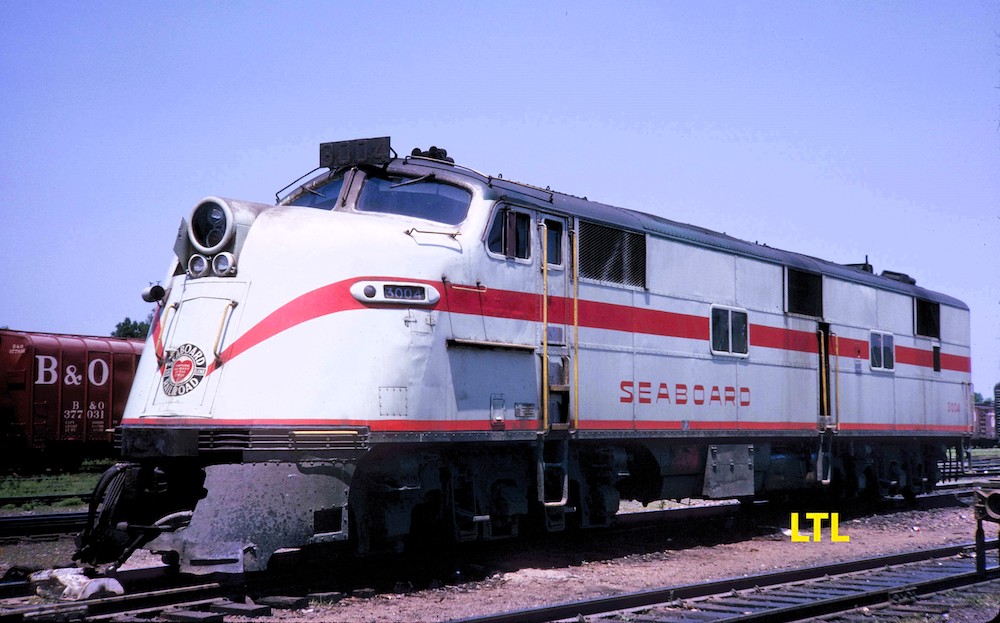
Locomotive paint schemes In an era when passengers and passenger trains were an important part of the revenue stream, railroads generally did their best to keep their equipment clean. If the marketing department was going to promote classy passenger locomotive paint schemes, railroaders did their best to make sure the rolling stock shined. Whenever a […]
Read More…
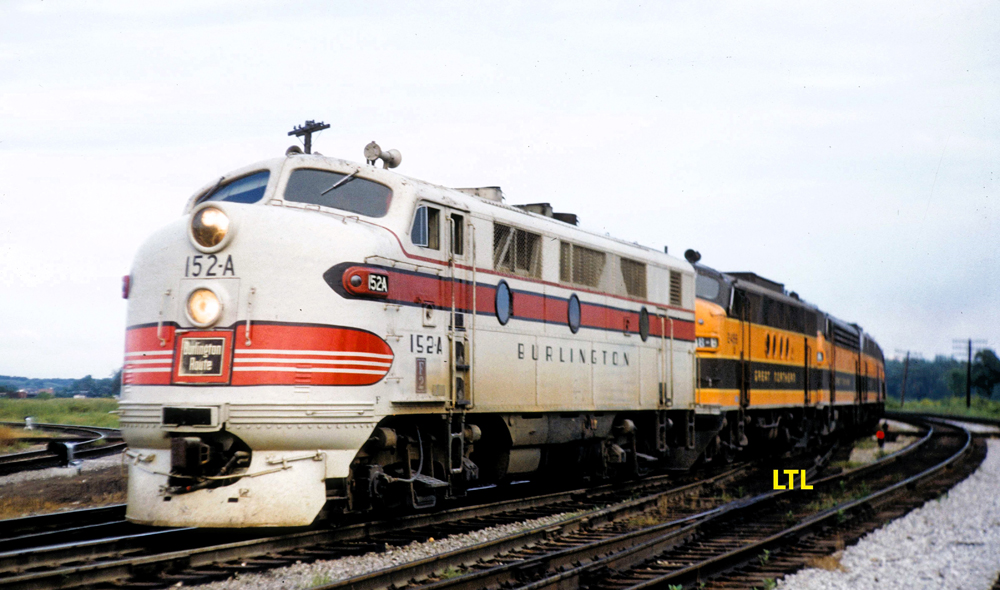
EMD F2 diesel locomotive For a number of years, there was a streamlined diesel road locomotive hiding in plain sight, and it was only the savviest of fans with a penchant for details and numbers that could ferret them out from the rest of the herd. It is the EMD F2. Only 104 were built […]
Read More…
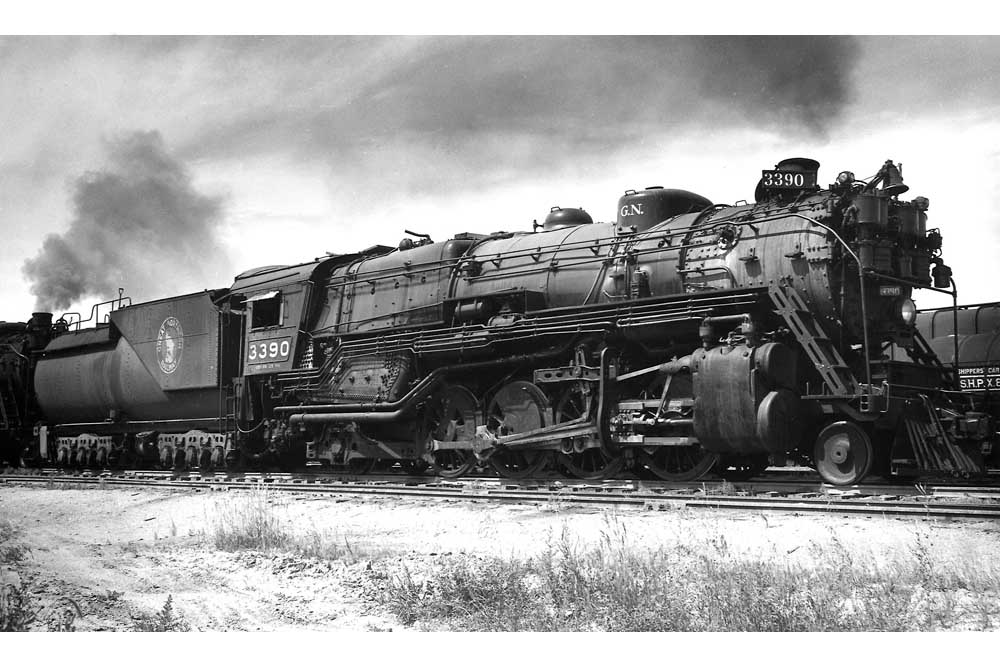
For much of the first half of the 20th century, the 2-8-2 Mikado was the dominant freight locomotive of the steam era. With its medium weight and medium power, it became the go-to, general-purpose engine — sort of the GP38 of its era. Consider how the World War I-era United States Railroad Administration divvied up […]
Read More…
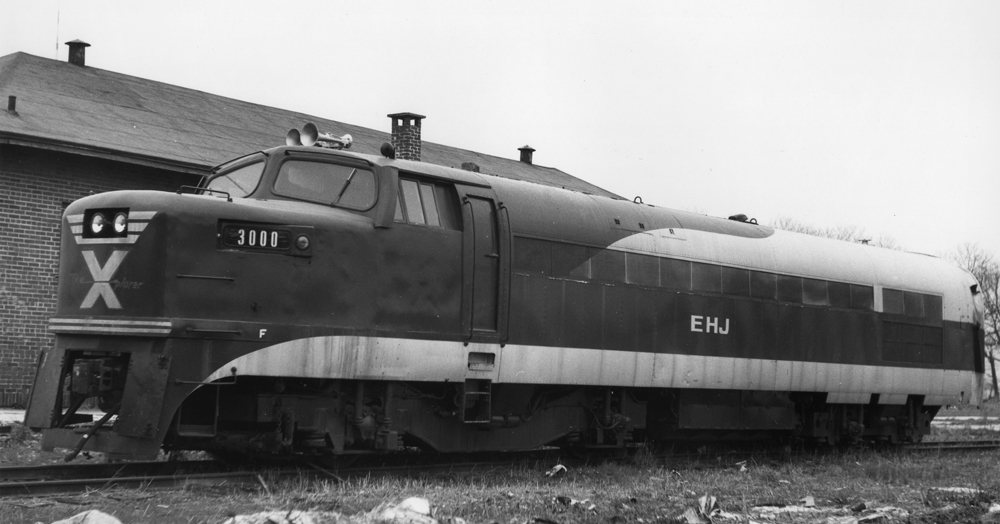
This is a list of locomotives we wish we could have preserved, the ones that got away. Gone, in some cases, before we even realized that they were on the endangered species list. Going from work-a-day diesel locomotives to denizens of deadlines, they didn’t make it to museums or public displays, just the junk man. […]
Read More…
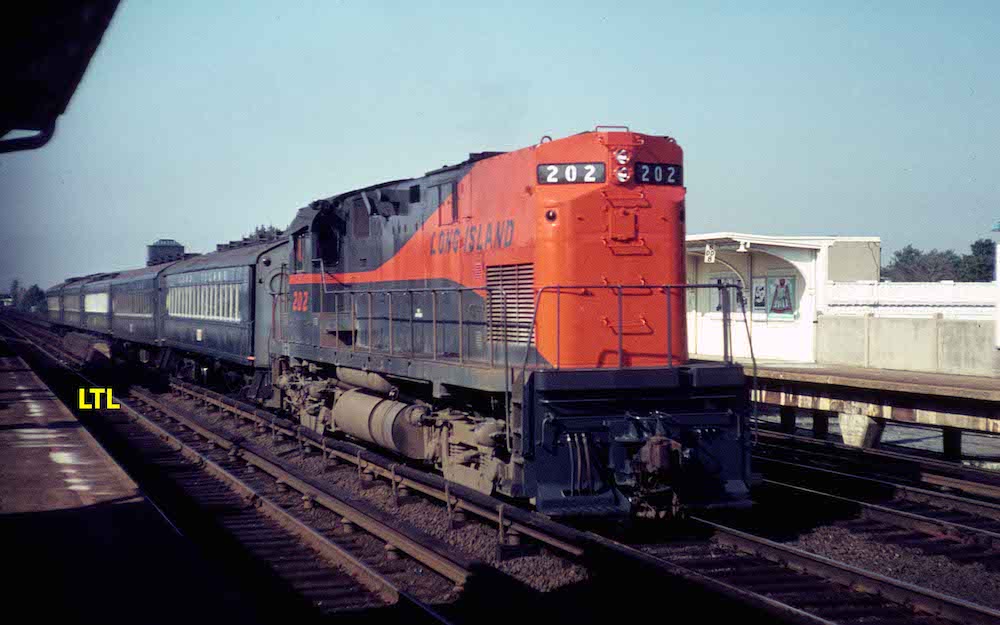
In the early 1960s, The Alco C420 diesel locomotive hit the market, part of the builder’s Century Series, a line of diesel locomotives designed to answer any operating requirement railroads could imagine. One of the designs was the Century 420, a four-axle, 2,000-horsepower diesel locomotive built upon the years of experience gained from earlier RS2, […]
Read More…
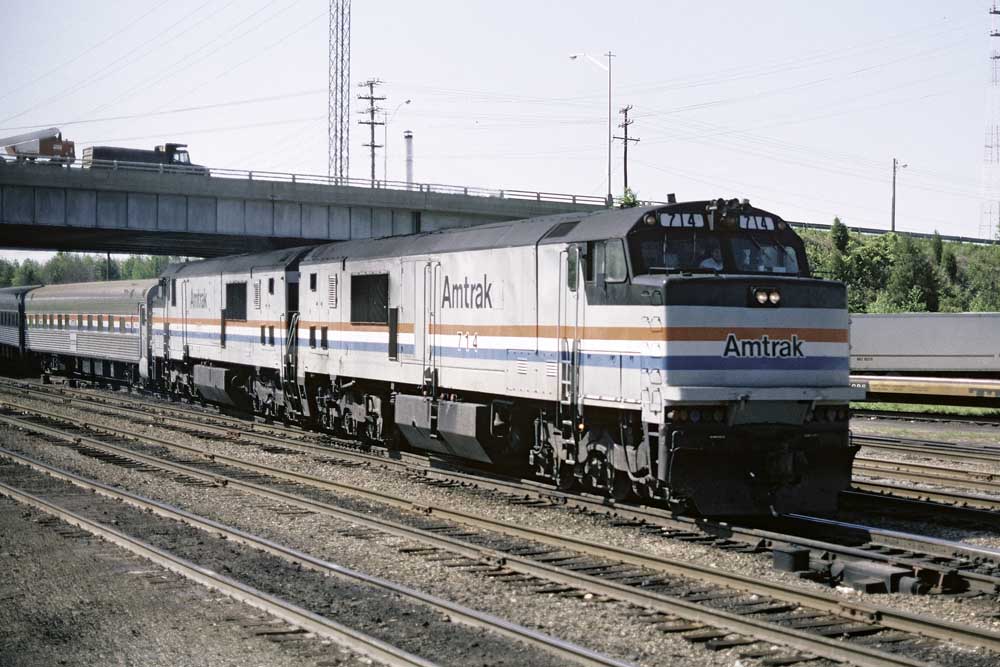
The Amtrak GE P30CH locomotive is the spiritual successor to the GE U30CG passenger locomotive of 1967. Amtrak acquired 25 of the P30CH model, Nos. 700-724, between August 1975 and January 1976. The model designation led to the units’ nickname: “pooch.” It was essentially a U30C freight locomotive with a cowl body and […]
Read More…