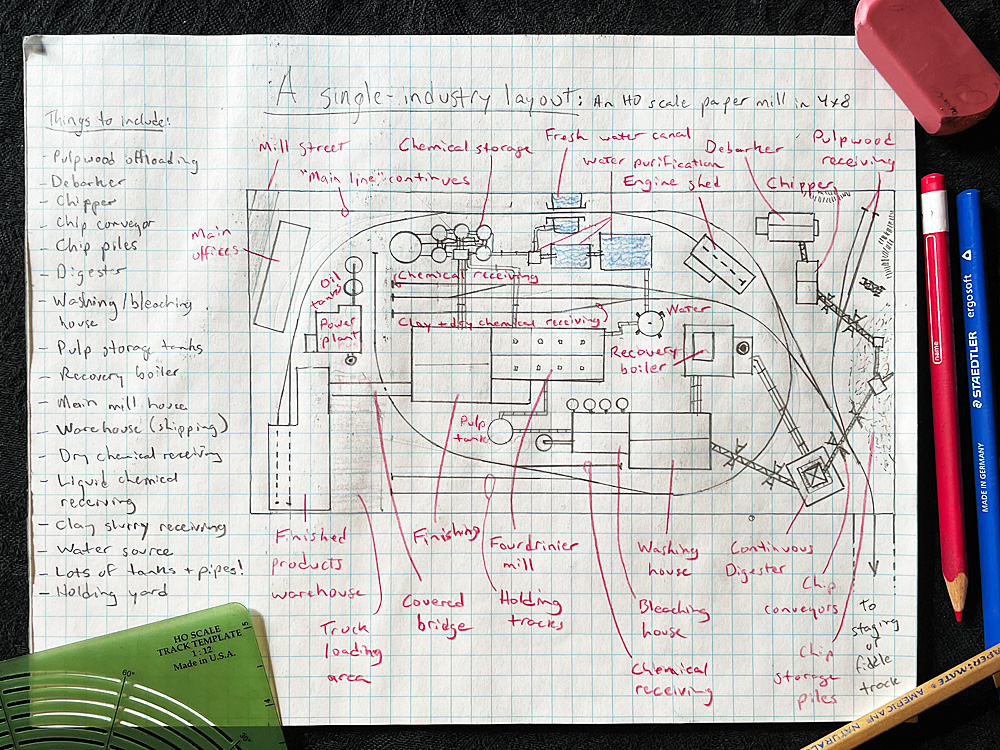
Modelers often compress industries to fit more of them on our model railroads. But doing the opposite – expanding a modeled industry to prototypical proportions – can create an intensely realistic operating experience that can’t be matched. Let’s explore that idea with a 4×8 HO scale paper mill layout. Some industries are just too large and […]
Read More…
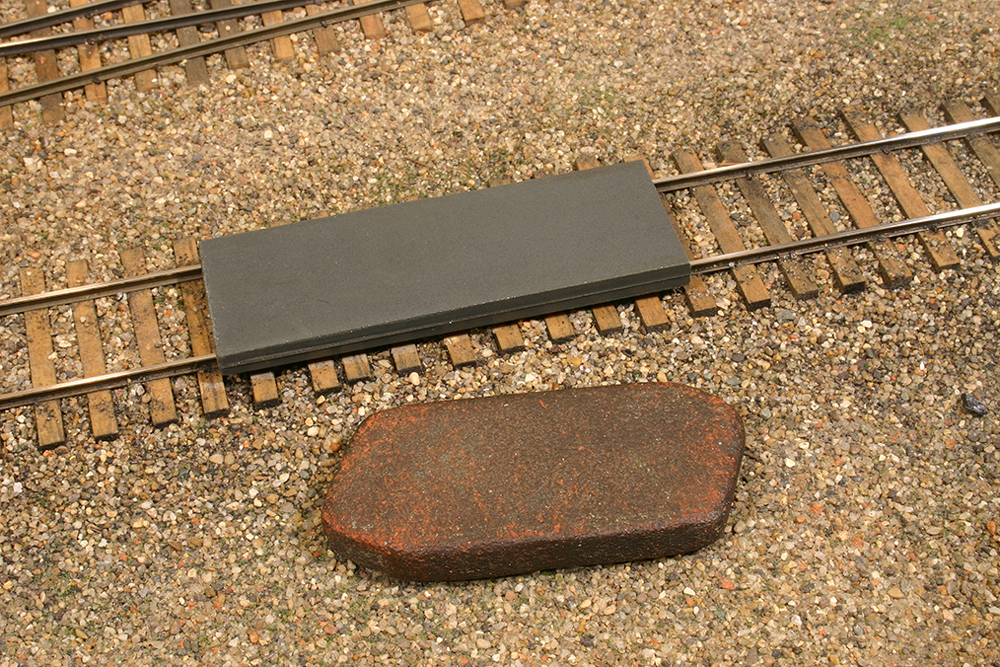
As modelers we take pride in our work, especially our layouts, whether they be a shelf layout, or a sprawling rail empire. One thing that we may not spend enough time doing, however, is taking care of said layout, especially cleaning it. We may run a track cleaning car around the mainline a few times […]
Read More…
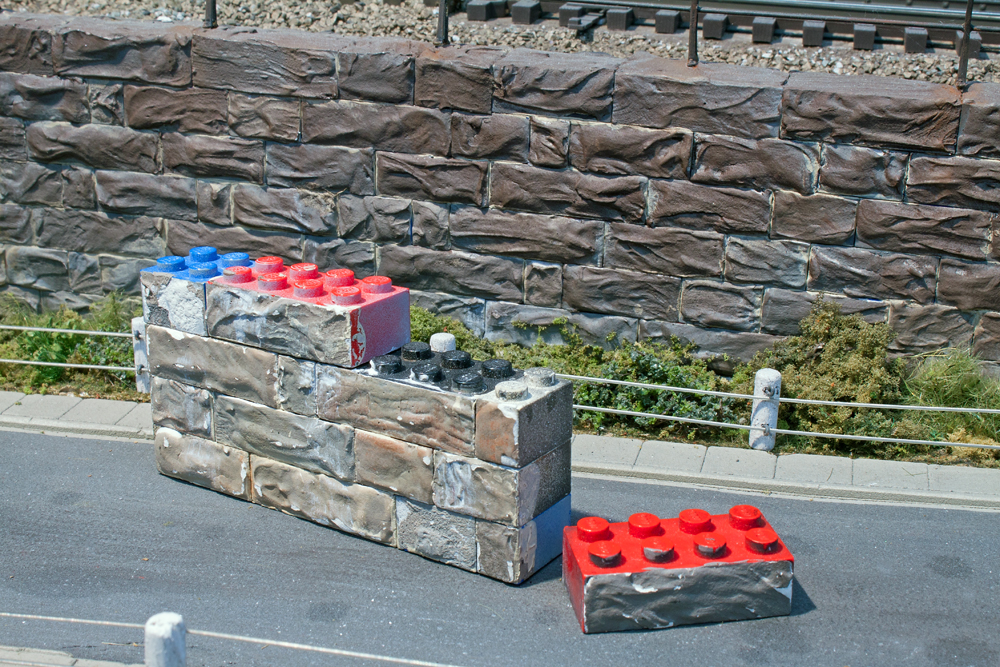
Five model railroad uses for Lego. My wife and I have two kids who are enthusiastic about Lego. We enjoy watching the creations they make straight from the box and share in their joy when they make new creations by rebuilding sets. And, like many of you, we’ve also felt the pain of stepping on […]
Read More…
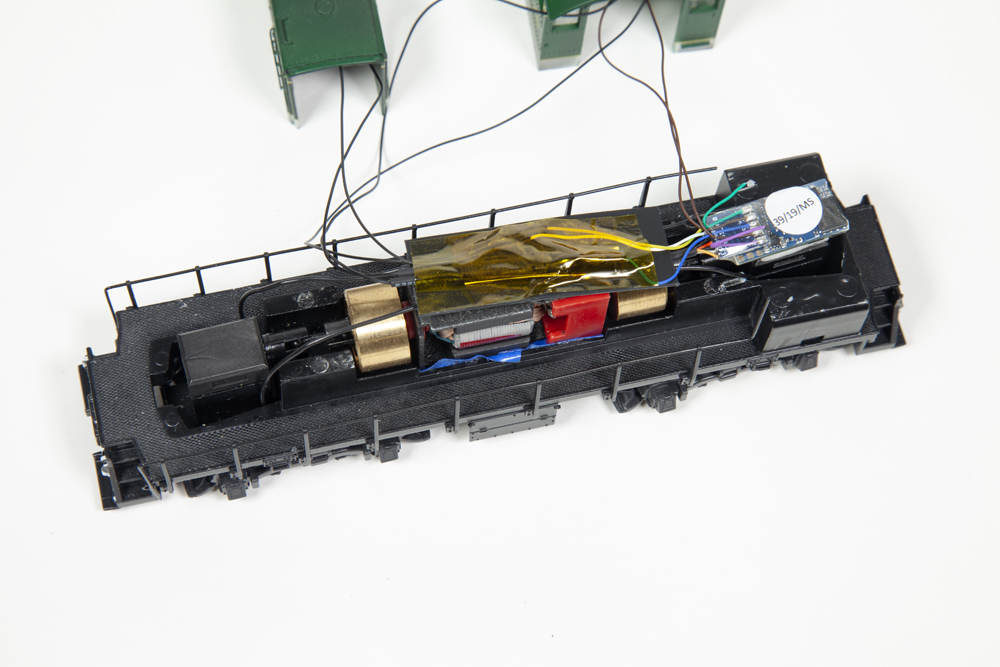
How do you blow up a decoder? Fail to isolate the motor, creating a dead short. Various older locomotives used the chassis as part of the power pathway to one of the motor brushes, making the chassis is electrically live. This can be easily fixed with insulating tape placed under the motor and plastic or […]
Read More…
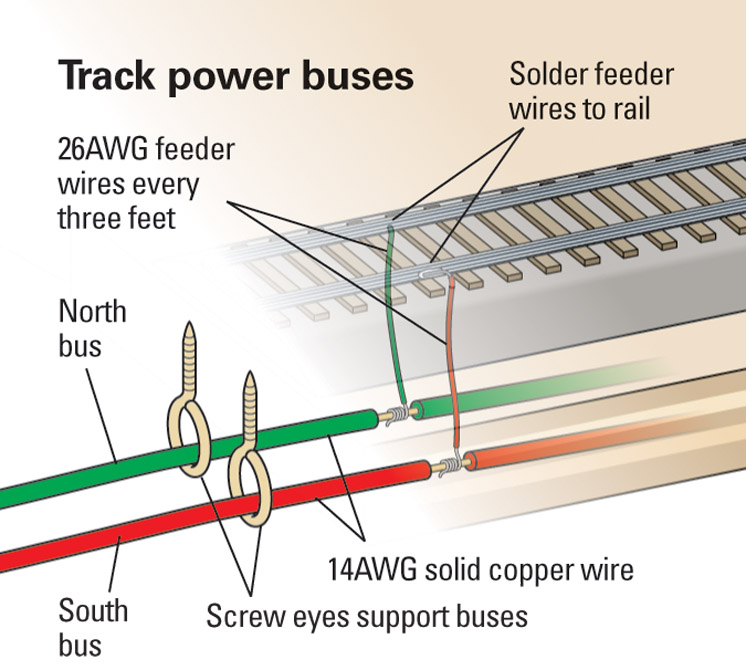
Track buses for Digital Command Control: Layouts wired for direct-current block control have several isolated track sections called blocks. Each block has an electrical switch that controls which DC throttle powers that track section. In theory, a Digital Command Control (DCC) layout could be wired as one large block with two wires feeding the power […]
Read More…
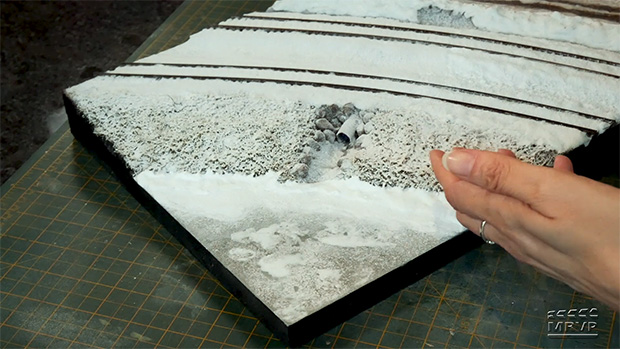
Winter is my favorite season, especially for watching trains. The snow gives everything in the background and foreground a pure, white canvas. Snow in the air gives photographs depth. Iced-over bodies of water give an awesome effect. It seems like snow scenes are quite rare when it comes to HO and N scale layouts, and […]
Read More…
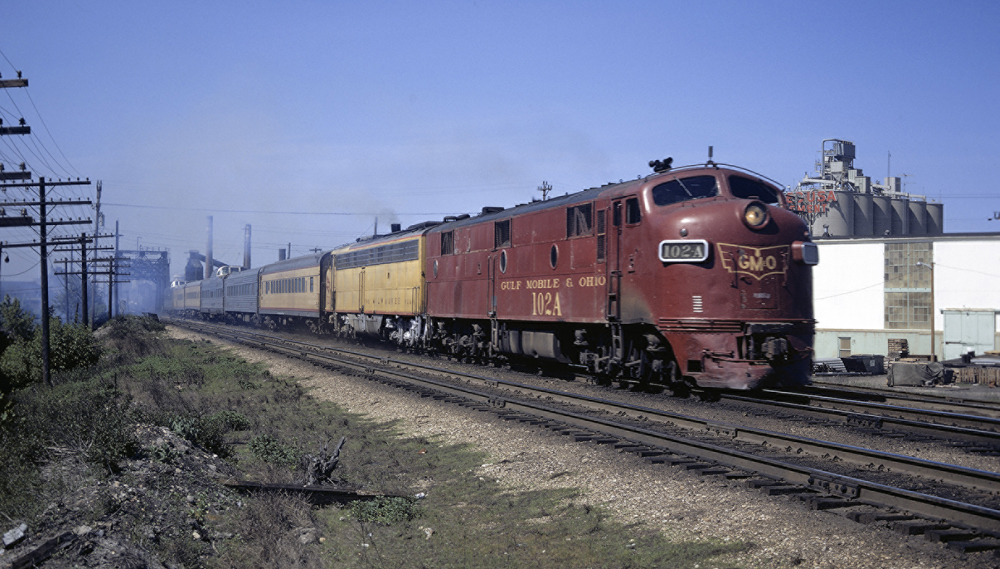
What is Amtrak’s “rainbow” fleet? Amtrak began operations on May 1, 1971, and at the time had only one piece of equipment sporting Amtrak’s first logo, E8 No. 4316. This engine is currently offered by Rapido. All of the passenger equipment came from the railroads that joined to form Amtrak, including over 400 from the […]
Read More…
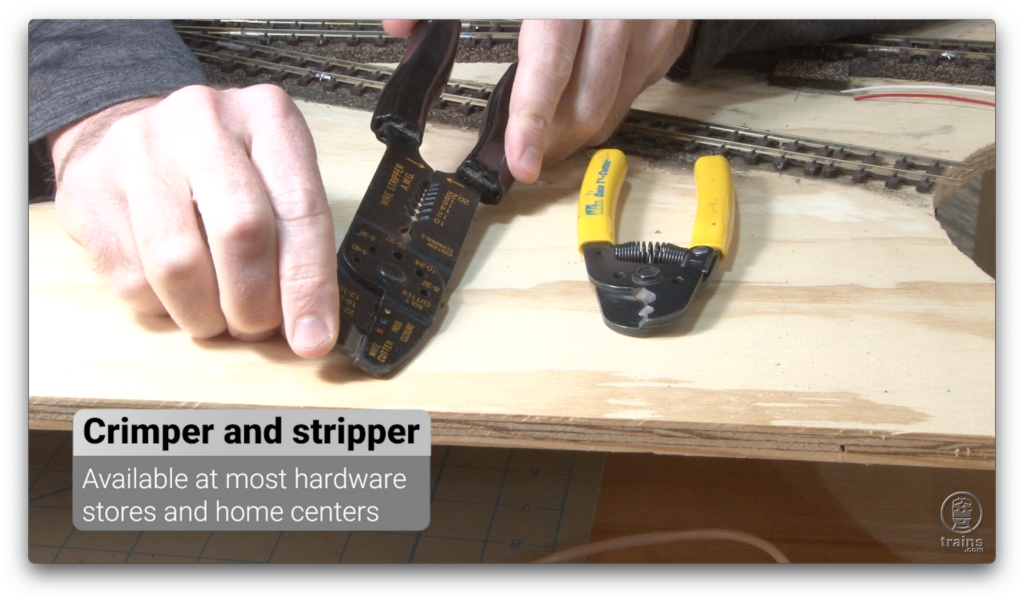
Working with wire cutters – Trains.com director David Popp demonstrates the application of wire cutters, crimpers and strippers in model railroading. A pair of wire cutters are an invaluable tool in wiring your model railroad, and David demonstrates the different usages for each tool as they relate to model railroading. You can read more about […]
Read More…
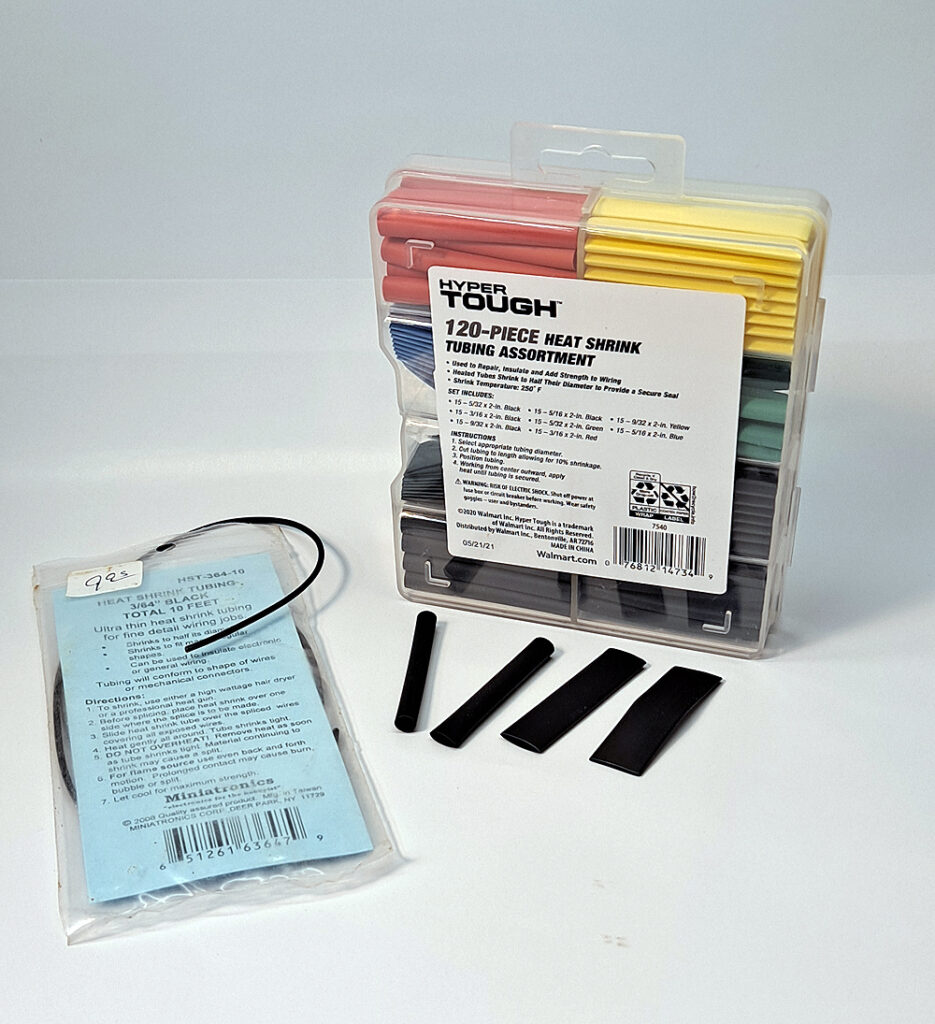
Heat-shrink tubing is something you need to have in your wiring toolkit. This material makes neat, insulated soldered joints simple and fast. What is heat-shrink tubing? As the name implies, the material shrinks when it’s heated. It comes in multiple sizes, some of which are somewhat specialized and are most likely to be found in […]
Read More…
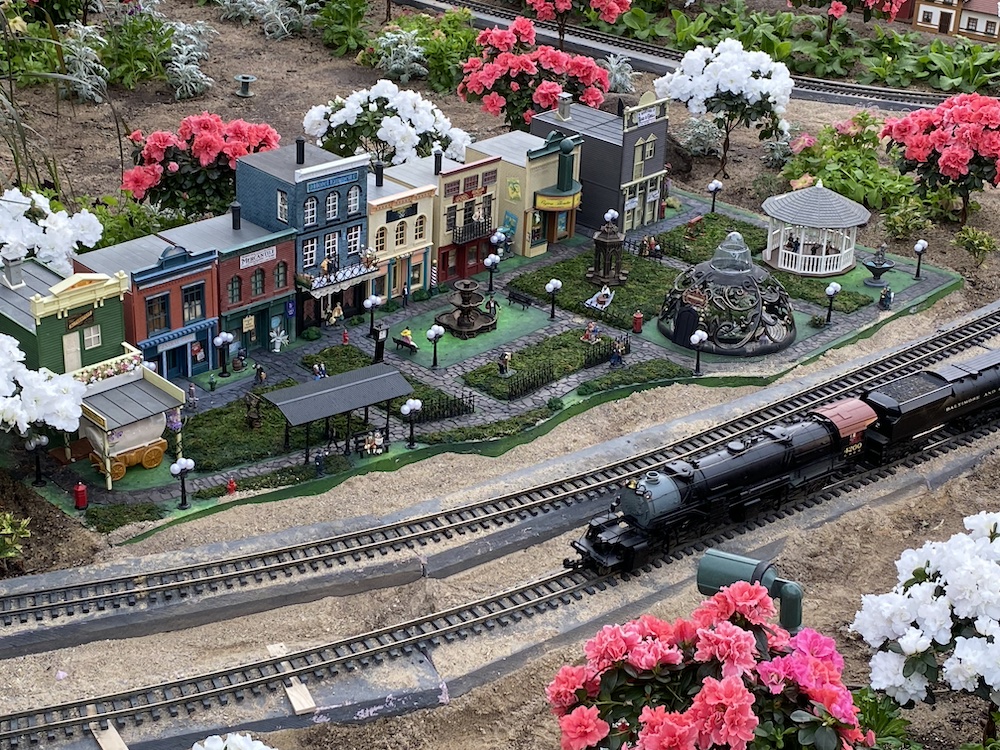
From simple elevated loops to railroading empires through a floral oasis, consider these permanent large-scale displays and garden railroads you can visit: Both across the United States and around the world. Please note that the status of any location can change, which is why it’s recommended to contact prior to a planned visit. If you […]
Read More…
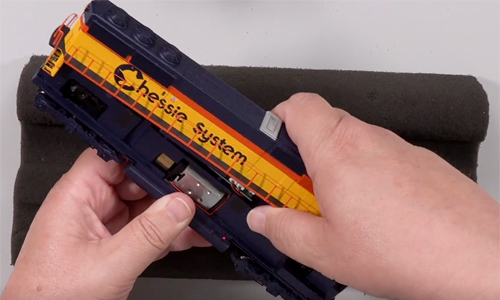
How to disassemble a locomotive without damaging it and then reassembling it is one of the more advanced tasks of a model railroader. Some people just want to see the inside of the locomotive, while more often, there’s a circuit board that needs repair or replacement, gears that need lubricating, or a faulty wire or […]
Read More…
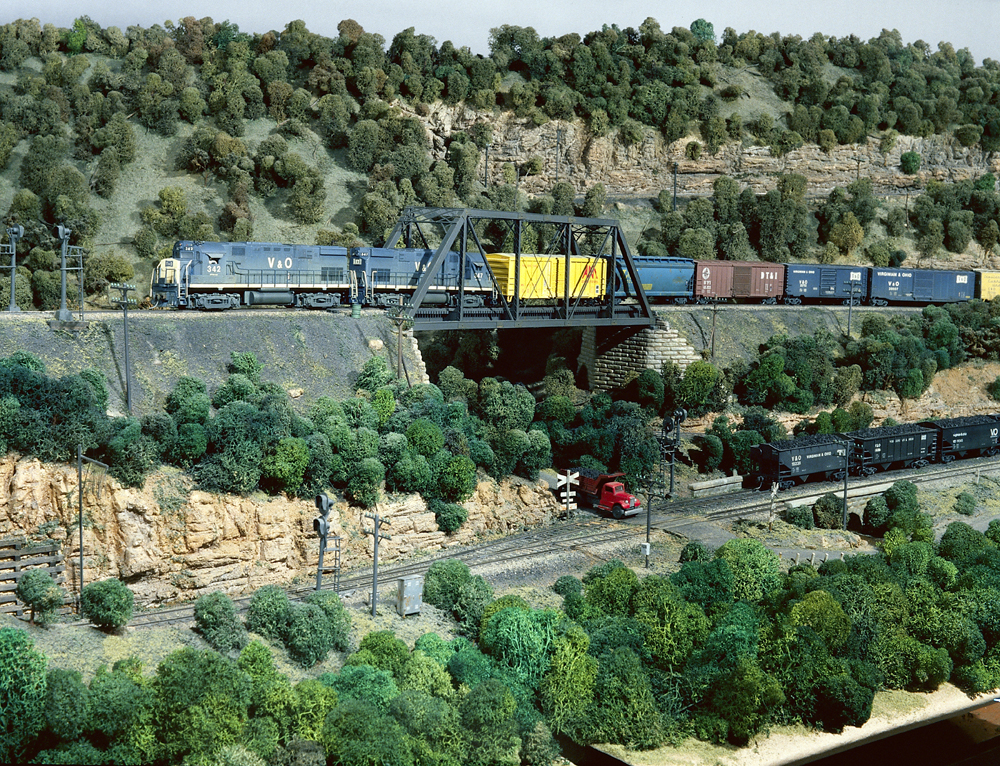
Virginian & Ohio photo tribute. W. Allen McClelland, builder of the freelanced HO scale Virginian & Ohio, passed away on October 28, 2022. You can read his obituary here. In this photo gallery, we’ll take a look at images from both versions of the V&O. The photos are from Andy Sperandeo’s article “Allen McClelland’s trendsetting […]
Read More…