
Lionel’s No. 6417 porthole caboose

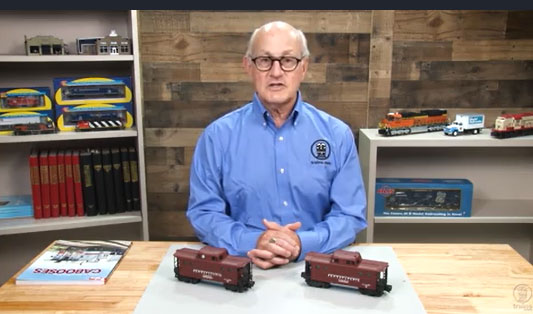
Roger Carp with two variations of a Lionel N5c caboose.

Lionel’s model of the Pennsylvania RR’s N5c caboose has been a favorite since it was first added to the catalog in the 1950s. CTT’s Professor Carp details the history of these toy train stalwarts, shows some of the other roadnames and colors in which it was produced, and explains why one variation is worth far […]

Read More…

Lionel’s no. 6417 porthole caboose

Roger Carp with two variations of a Lionel N5c caboose.

Lionel’s model of the Pennsylvania RR’s N5c caboose has been a favorite since it was first added to the catalog in the 1950s. CTT’s Professor Carp details the history of these toy train stalwarts, shows some of the other roadnames and colors in which it was produced, and explains why one variation is worth far […]

Read More…

Drawbar vs. horsepower on the railroad: Is there a difference?

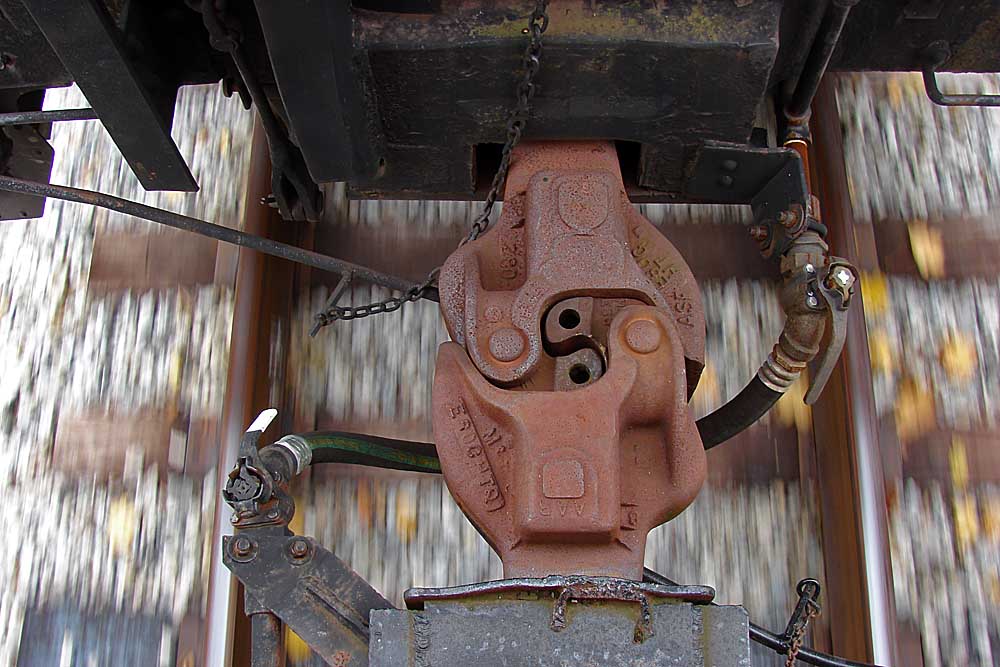
Looking down on a coupler connection between cars at speed

A lot happens between the horsepower output of a diesel engine and the drawbar where freight cars are coupled. A diesel engine’s raw output is known as brake horsepower, which is calculated without any additional equipment connected. After deducting those losses, the rest of the engine’s output is sent to the traction motors to pull […]

Read More…

How to keep rust off your trains

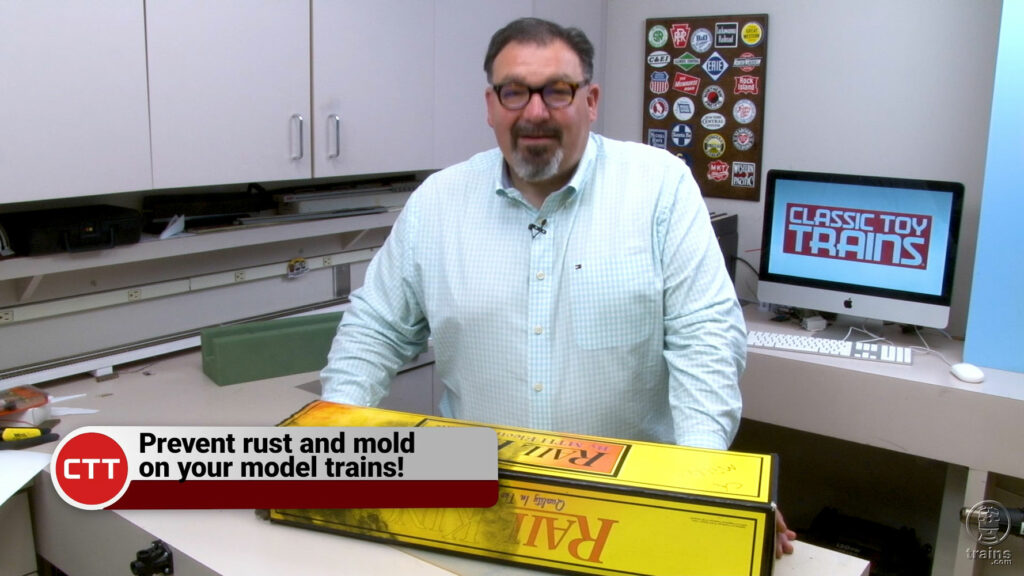
Hal Miller with a water-damaged locomotive box

Those little packets of silica gel that come in model train and other boxes are there for a reason – to keep moisture away from your valuable items. Classic Toy Trains Editor Hal Miller tells you how they work and where you can get more if you’ve thrown yours away. […]

Read More…

How to keep rust off your trains

Hal Miller with a water-damaged locomotive box

Those little packets of silica gel that come in model train and other boxes are there for a reason – to keep moisture away from your valuable items. Classic Toy Trains Editor Hal Miller tells you how they work and where you can get more if you’ve thrown yours away. […]

Read More…

Ask MR: What prototype rail weights do scale track codes correspond to?

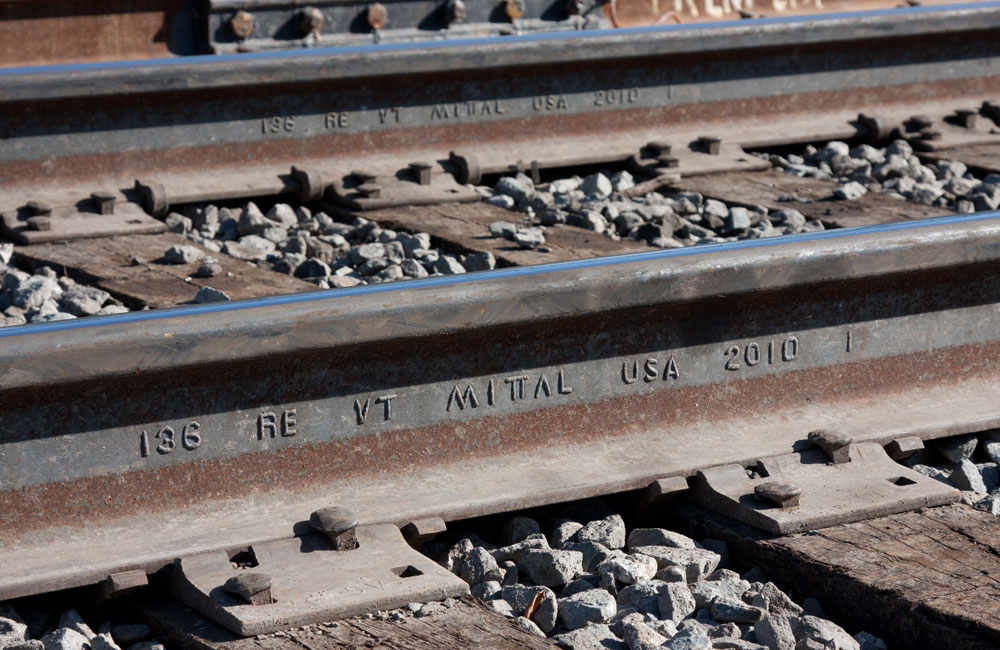
A close side view of newly installed rail on a CSX main line shows lettering in the web of the rail.

Q: What weight of rail (pounds per yard), does Code 83 represent? Maybe you could publish a table of weight vs. code vs. scale? – Jeff Schredder, Burbank, Calif. A: The relation of model rail code to prototype rail weight depends, of course, on scale. I found in the March 1940 issue of Model Railroader a […]

Read More…

Thrift stores have cheap stuff for your train layout

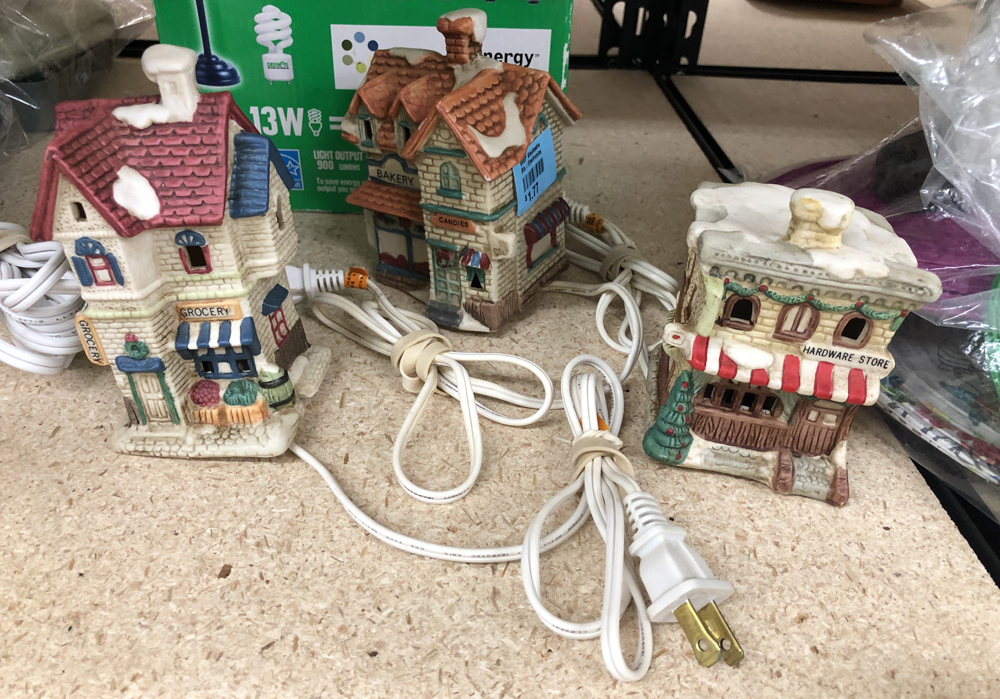
Three ceramic Christmas buildings

Thrift stores can hold a wealth of treasures for hobbyists, if you know where to look. I have suggestions of which departments to look for items for your layout. I suggest going into a store with an open mind. For just a few dollars and a maybe a bit of paint, you might find something […]

Read More…

Ask MR: Why do these CN boxcars have built-in flashers on the ends?

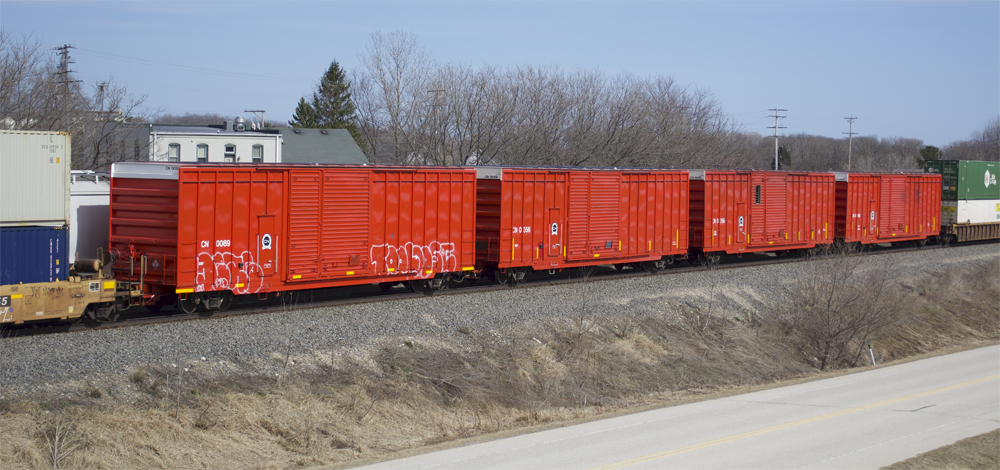
Four red CN high-cube distributed braking cars in the middle of an intermodal train.

Q: I recently saw these bright orange boxcars parked near the Canadian National Woodcrest Shops. They have CN reporting marks, though I haven’t gotten close enough to get specific numbers. Many of them have red lights on both ends that look to be like the ones used at crossing gates. They must move these cars […]

Read More…