
Schomberg Scale Structures Locomotive Tender Tank Kit
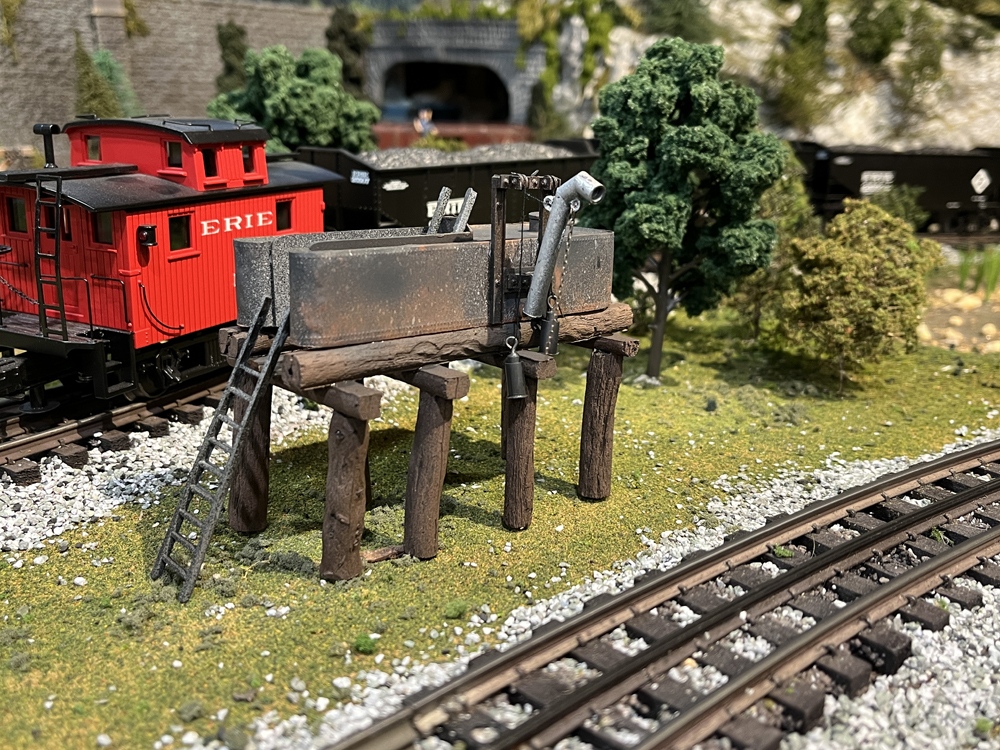
tender tank on layout

When it comes to detail parts, often we find ourselves sourcing the same buildings, fences, or houses. If you’re not confident in your model building skills developing a unique scene without premade structures can be a challenge. Recently, Mr. Muffin’s Trains (Atlanta, Ind.) has started selling Schomberg Scale Structure kits, formerly sold under the Schomberg […]

Read More…

10 scenery products you should know about

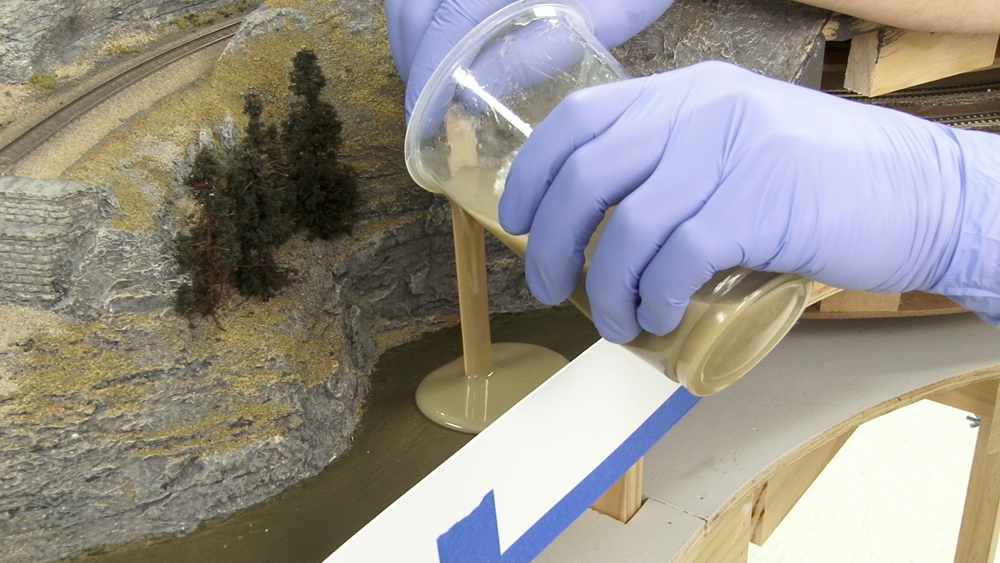
Photo showing gloved hands holding cup with stick guiding resin onto a layout surface.

The evolution of model railroad scenery products has been fun to watch. In prior generations, molded-Styrofoam mountains and scenery mats with dyed green sawdust were considered the norm. Today, we’re blessed with a variety of tools and products that make our layouts look more like what we see when we’re standing trackside. In this article, […]

Read More…

When trains take a detour

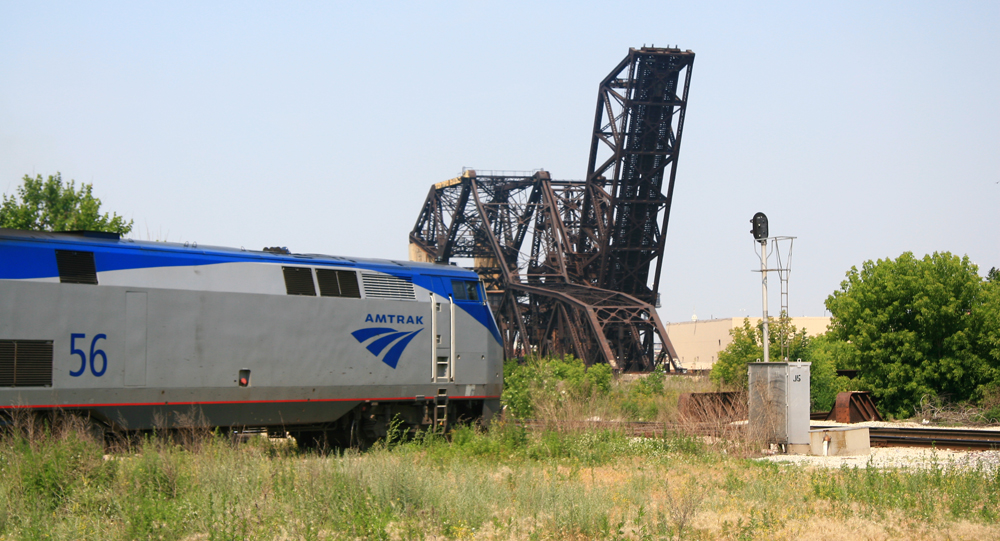
Locomotive approaches signal with raised bridge in background

Trains take a detour The whir of an electric switch motor fills the air as a dwarf signal flashes from red to green. Beneath a blinding headlight, four locomotives advance stiffly along a tight connecting track as the rails squeal in protest. A dark figure emerges from a pickup truck waiting in the gathering darkness, […]

Read More…

Why were billboard reefer cars outlawed?

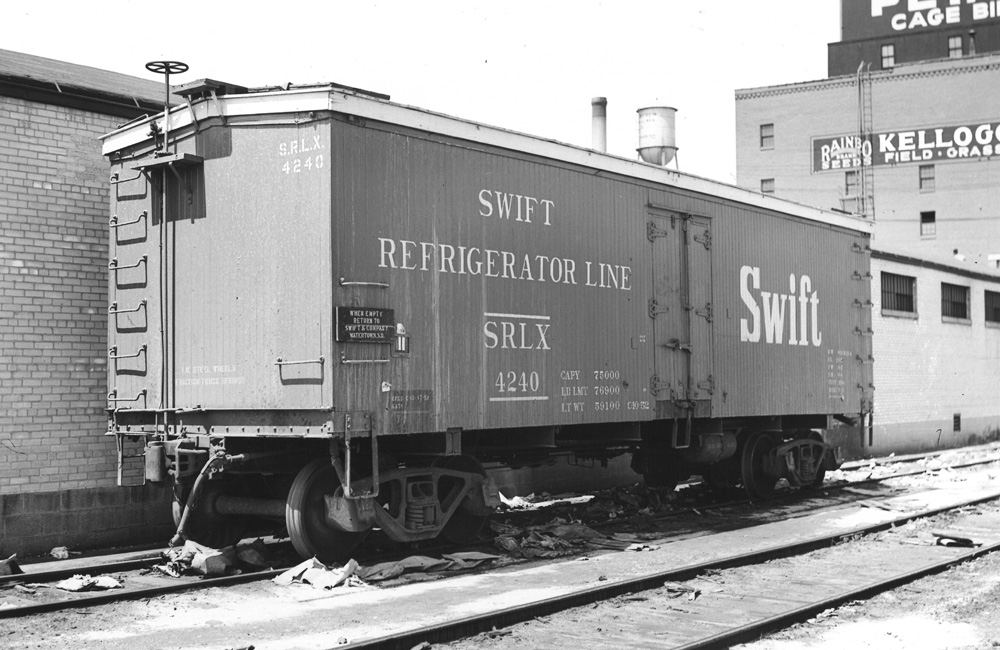
Black-and-white image of a wood refrigerator car with large “SWIFT” lettering on the side

Q: Why were billboard reefer cars outlawed? I recently received my copy of Gerry Leone’s Model Railroader’s Handbook. It is certainly a deep well of information. I came across the “Railroad regulatory timeline” on page 111. Most of the regulations banned older, unsafe technology (arch-bar trucks, truss-rod car construction, etc.) as newer technology developed. That makes sense. But […]

Read More…

Six EMD locomotives no one wanted

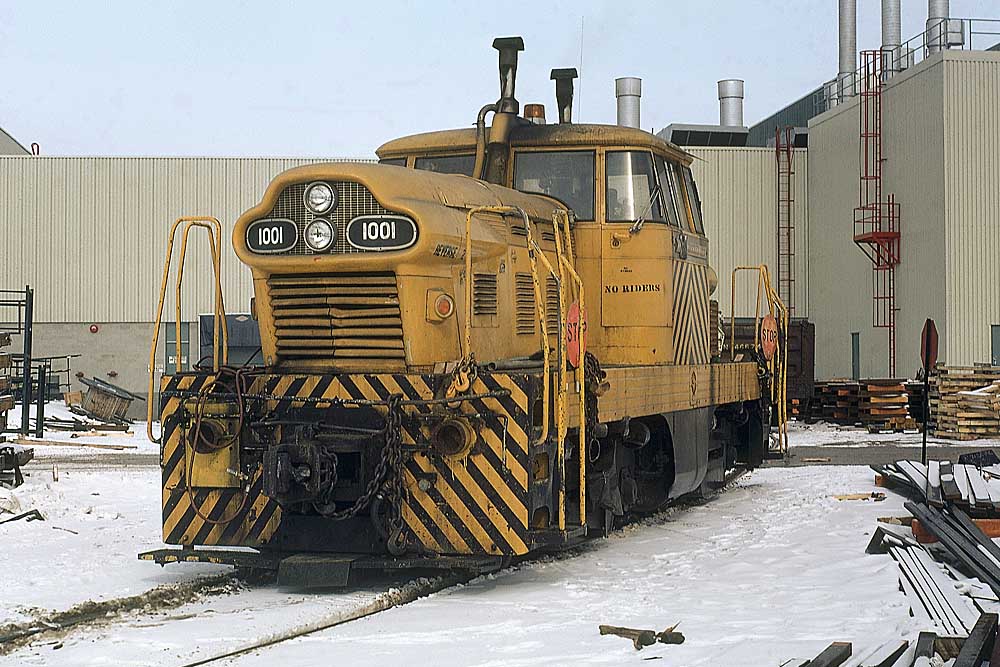
Yellow-and-black centercab GMDH1 diesel-hydraulic locomotives outside factory

EMD may be the most famous locomotive manufacturer in the history of railroading. Despite that success, there are models in the the EMD history books which arrived to little fanfare and few orders. The following are six notable examples of EMD locomotives that, for one reason or another, no one wanted. EMD Model 40 The […]

Read More…

Five key steps to storing locomotives

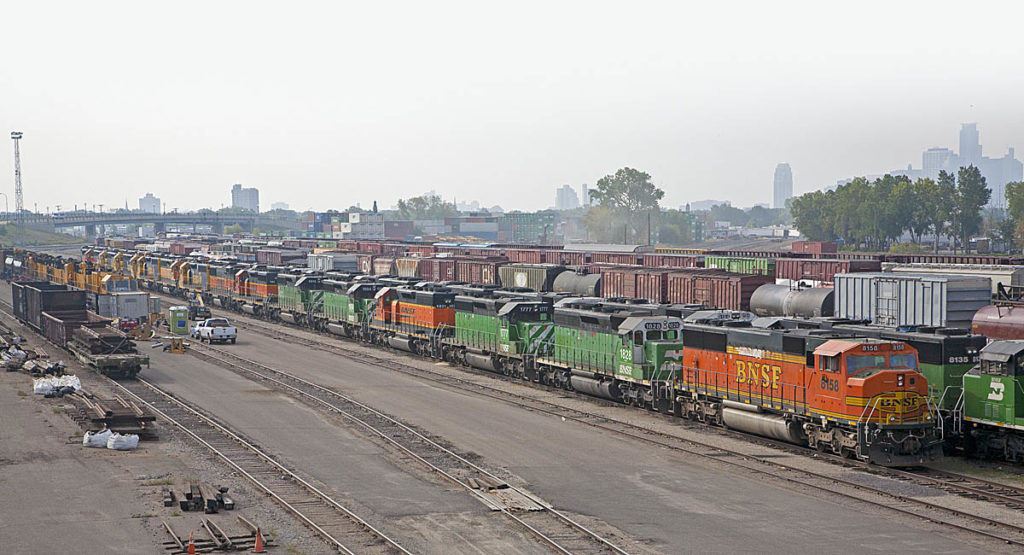
BNSFstoredlocomotivesNorthtownMinneapolisMinnesota

Storing locomotives Changing traffic levels affect the amount of equipment in operation, from freight cars to locomotives. When events occur such as a softening of the economy, losing a major contract to haul goods, or the end of a cyclical demand such as a grain harvest, a railroad will occasionally have to store equipment when […]

Read More…

How to put a price on toy trains

Lionel Rio Grande and Missouri Pacific 6464 boxcars], tends to attract attention

One of the most frequent questions Classic Toy Trains readers ask is, “What are my trains worth?” It’s hard to get an accurate answer. There are some key points to consider: Demand Toy trains’ increase in value depends on: • Are the cars well known throughout the hobby and therefore attractive to potential purchasers? • […]

Read More…

How to lubricate your O and S gauge trains

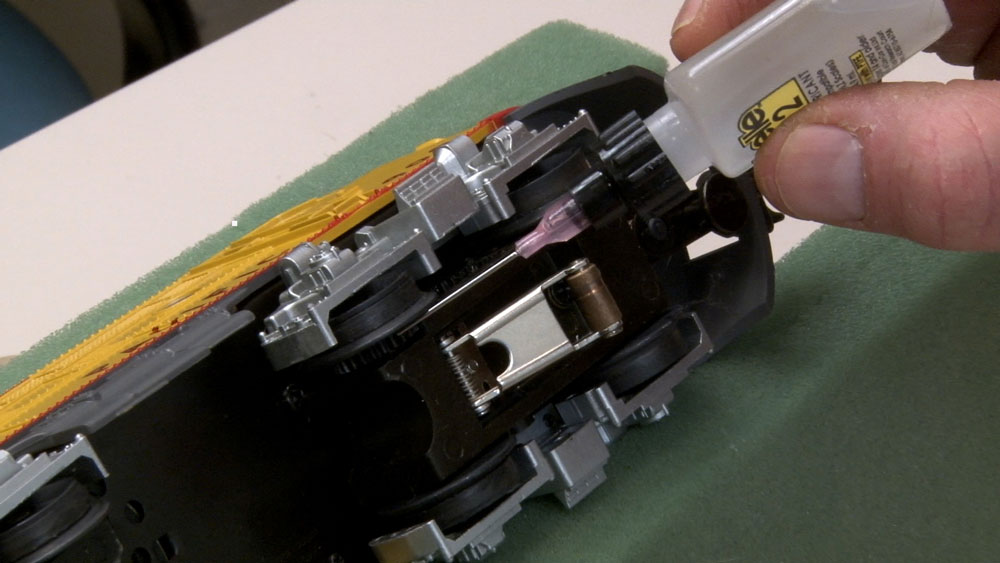
Applying light gear lube to a model locomotive truck with a needle applicator.

Some questions we get frequently are: “How do I lubricate my locomotives?” followed by “What type of lubrication should I use on them?” Here are some answers. And remember, when it comes to oil and grease on locomotives or other rolling stock, less is more. Fortunately, there’s a quick and easy answer for what to […]

Read More…

Why do my trains stop between wiring blocks?

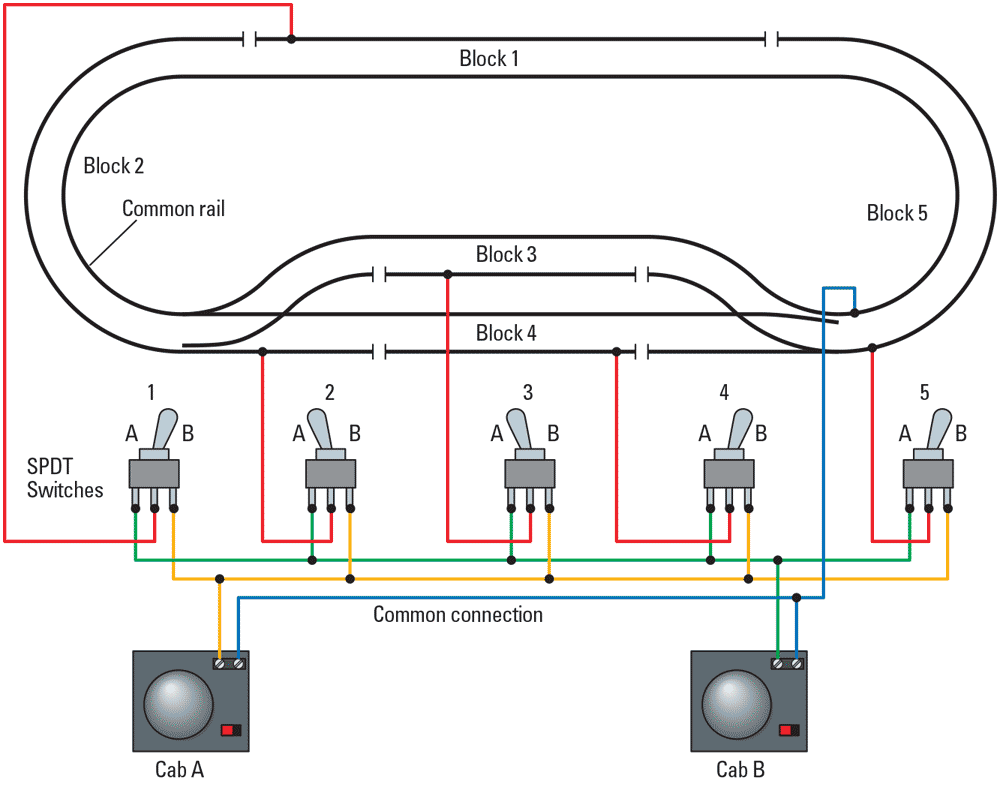
A wiring diagram showing how to wire a simple track plan for dual cab control

Q: I’m experiencing a problem with trains that stop between wiring blocks on my N scale train layout. I have two identical direct current (DC) power packs and am using Kato Unitrack throughout the layout. One power pack runs the main line while the other operates the yards. The problem is that whenever I attempt […]

Read More…

Common methods for uncoupling cars

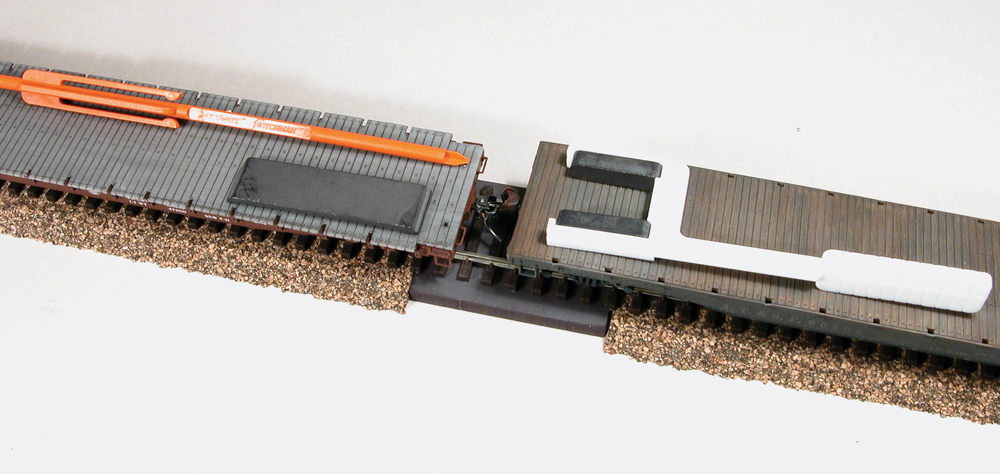
Photo showing two flatcars and assorted uncoupling items.

Automatic knuckle couplers have been a part of model railroading for more than 60 years. Not only do these couplers look more like what you see on full-size locomotives and freight cars, they’re easy to install and use. You can learn more about them in my articles on HO and N scale couplers on Trains.com. […]

Read More…

Dynamic braking 101

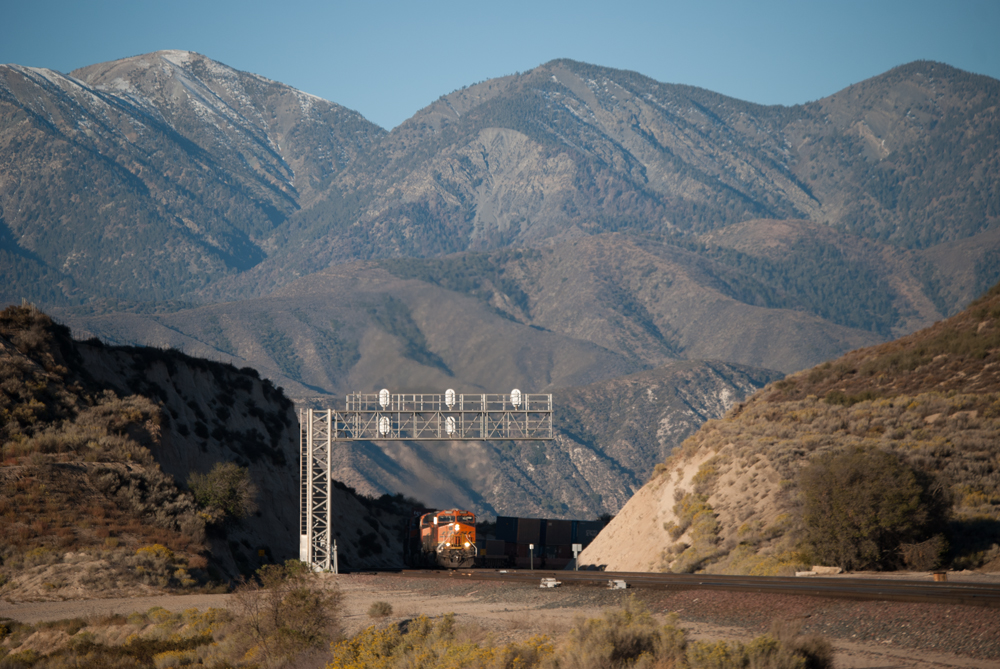
Wide-field image of an orange locomotive in a barren mountain scene.

The dynamics of dynamic braking A half-century ago, when diesel locomotives were replacing steam engines, a revolutionary breakthrough — dynamic braking — was making freight operations safer and more efficient. Dynamic braking is the method of train braking whereby the kinetic energy of a moving train is used to generate electric current at the locomotive […]

Read More…