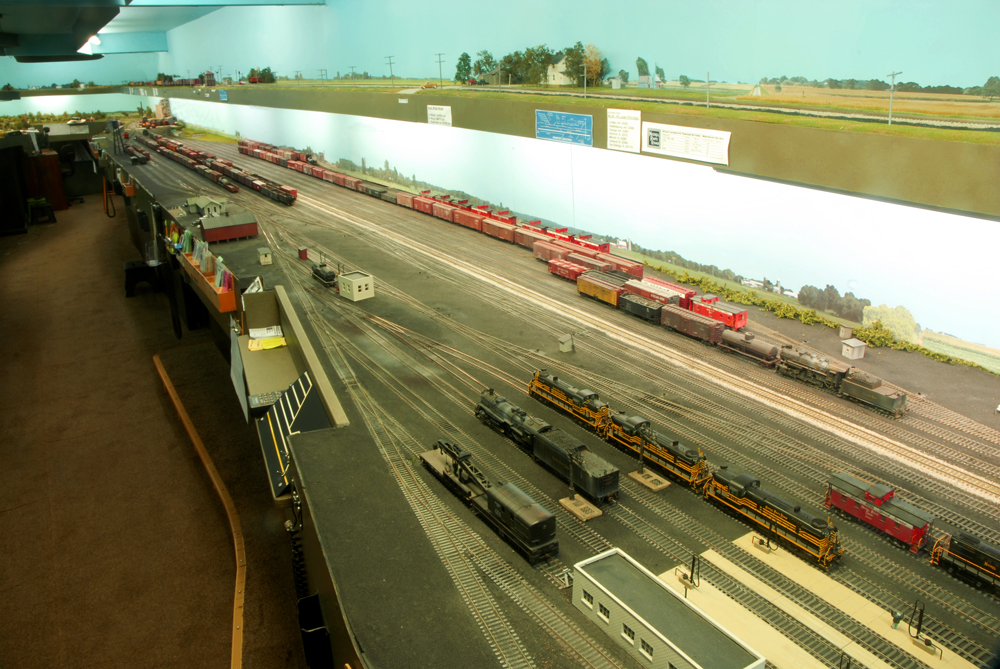
Why do you stage a model train layout? Let’s be clear about the need for staging. Unless you’re modeling a very small railroad or perhaps a branch line, you’re faced with the need to simulate the connections that the part of the railroad you’ve opted to model makes with the rest of that same railroad […]
Read More…
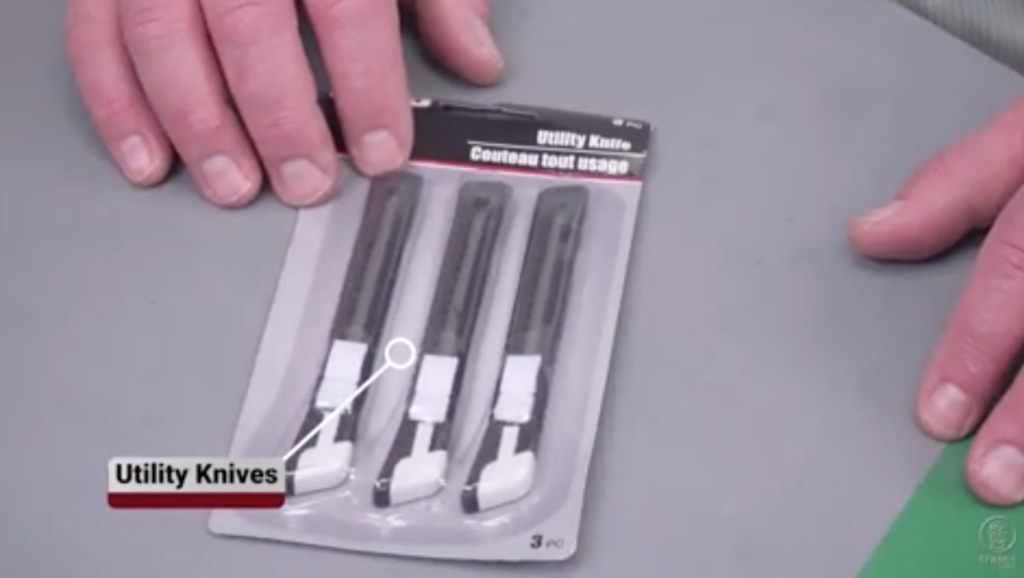
Classic Toy Trains Editor Hal Miller prowls the dollar store aisles in search of inexpensive items that are useful on the workbench or layout. […]
Read More…
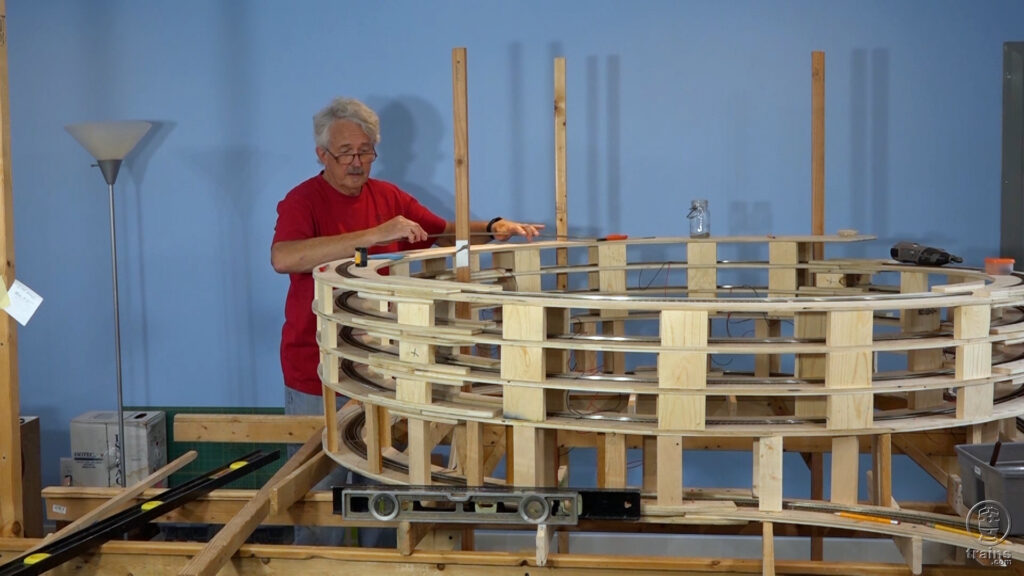
As the world and Gerry’s helix continues to turn, he deals with its ups and downs. See how he works to avoid wavering levels on each turn of the helix. And you won’t want to miss the first running train on the new layout. […]
Read More…
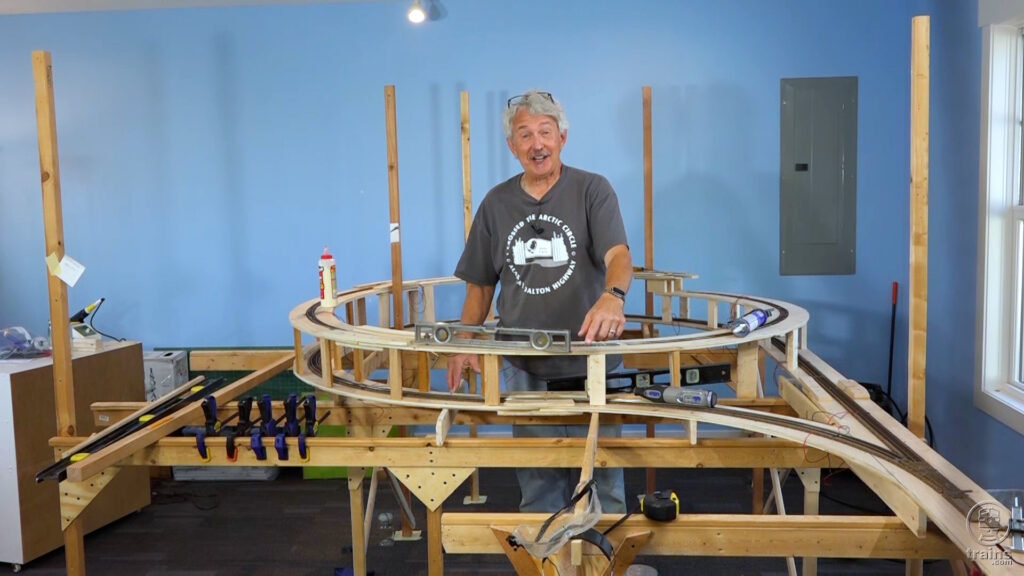
Even with a little help from a friend, host Gerry Leone still struggles with benchwork construction. But after setting joists straight and level, he jumps right into raising the grade along the helix. Discover a few new track tips and tricks along the way. […]
Read More…
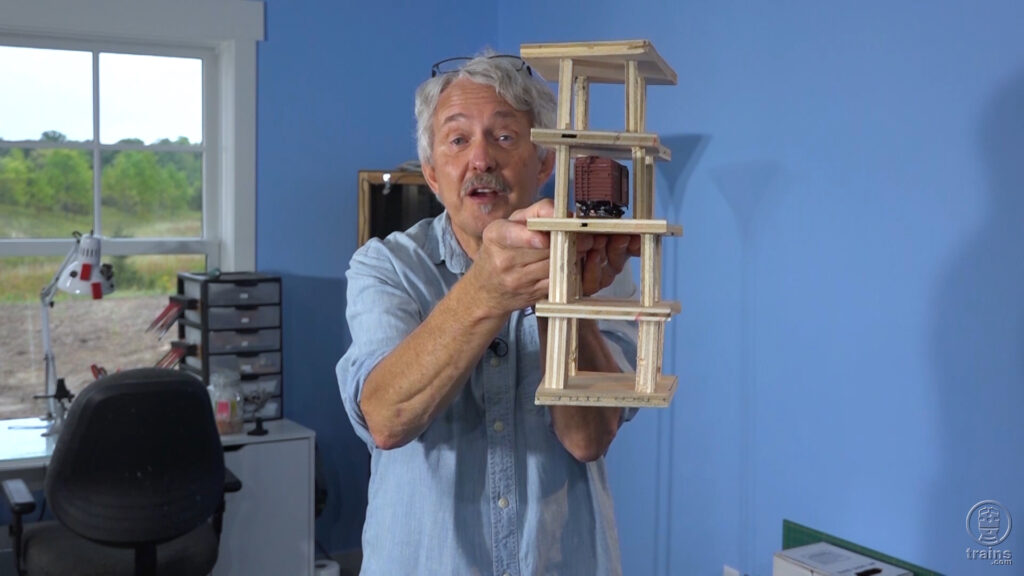
With design issues behind him, Gerry begins building the components of a four-turn helix. Even though math is involved in this stage, our host is up to the task. And he’s clever enough to use and share a number of helpful resources that make the process easy to understand and follow. […]
Read More…
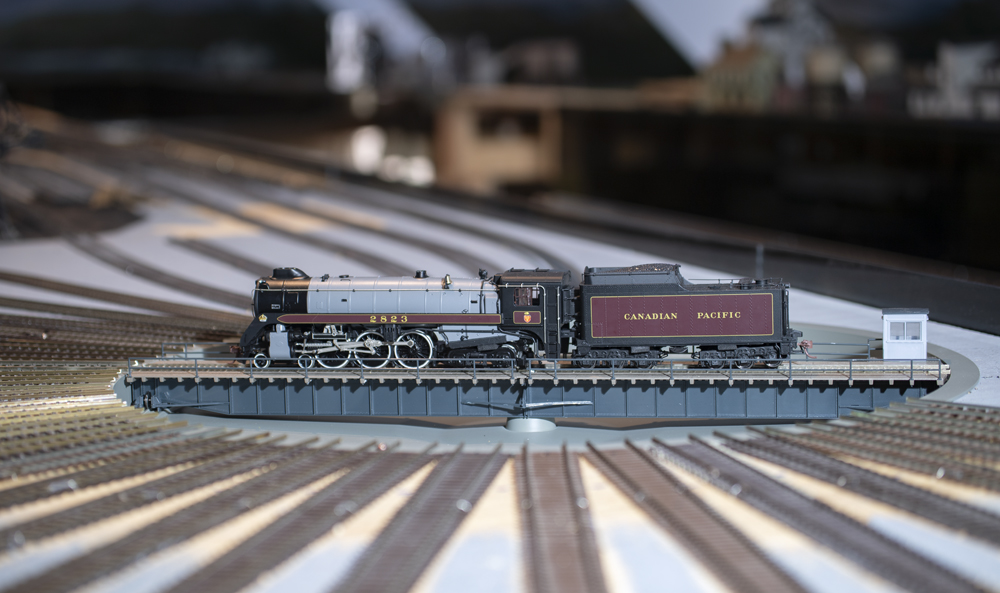
By Allan Gartner The Advanced Control Module from Walthers will work with DCC systems capable of controlling accessories, such as turnouts. Your system will need at least one throttle that you can set thrown/closed, on/off, 1/2, or whatever your system calls it, as needed. Systems where the throttle only allows you to toggle from the […]
Read More…
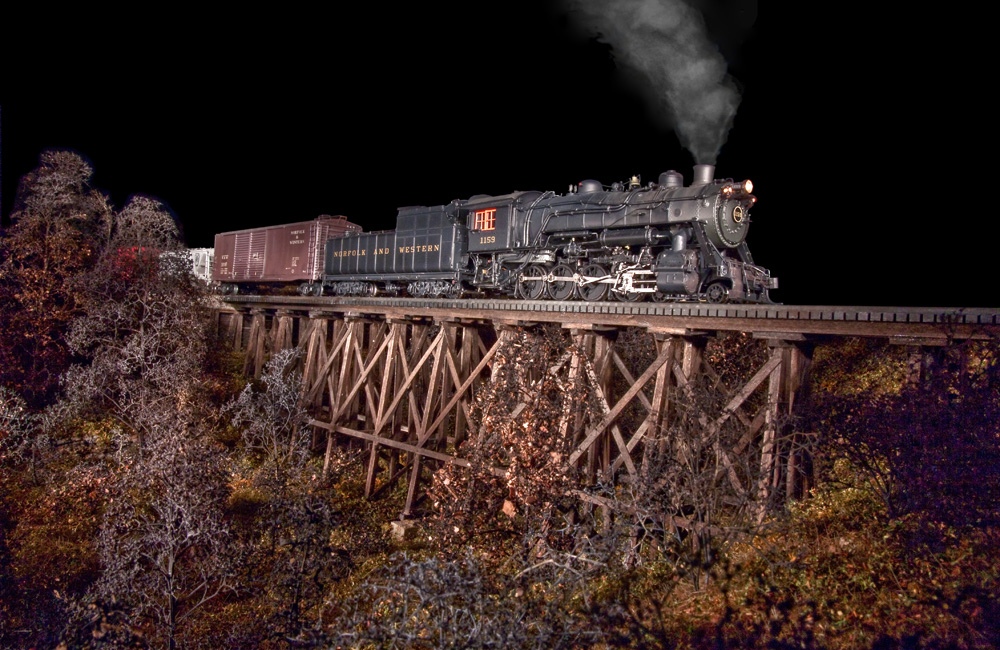
Trackside Photos is a showcase for the work of Model Railroader readers. Send your photos (digital images 5 megapixels or larger) to: Model Railroader, Trackside Photos, P.O. Box 1612, Waukesha, WI 53187-1612; or upload them to http://fileupload.kalmbach.com/contribute. For our photo submission guidelines, contact associate editor Steven Otte at sotte@mrmag.com. […]
Read More…
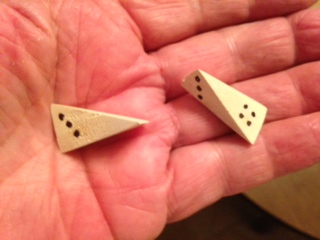
We enjoy operations on our Weona (we-own-a) Railroad, but we wanted something different for our operating sessions. Here’s how we do it. I made a pair of four-sided dice, one with sides labeled 1, 2, 3, and 4, and the other 1, 2, 3, and blank, giving a possible outcome of 1 to 7, to […]
Read More…
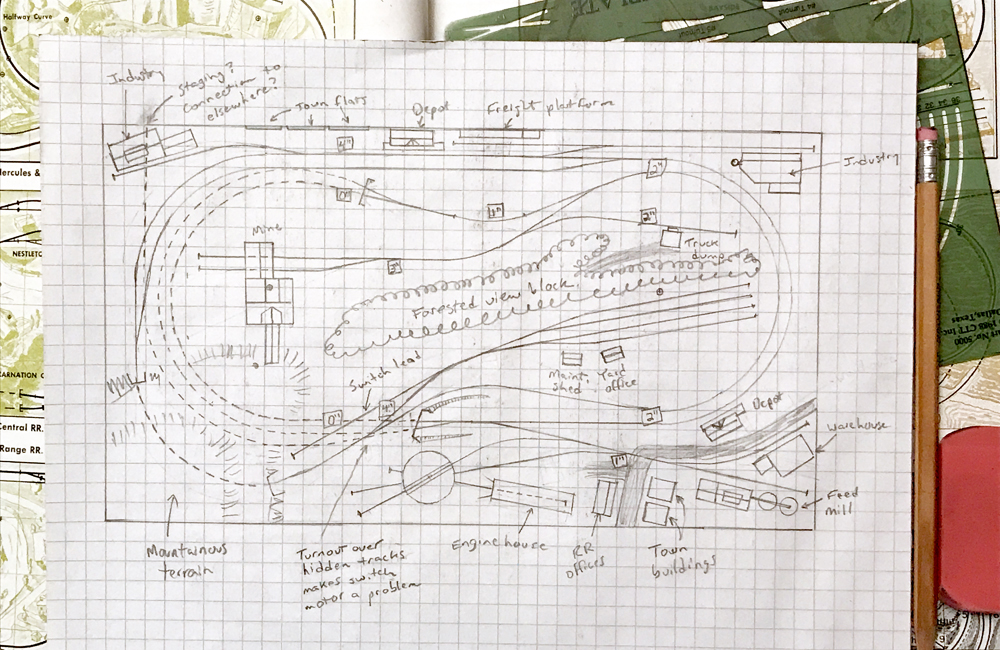
Sketching with Steve The good old 4 x 8 train table is a tradition – if not a cliché – for a reason: plywood comes in 4 x 8-foot sheets. When our dads or grandpas bought us our first train sets for Christmas, they often nailed that simple oval or figure-8 onto a table made […]
Read More…
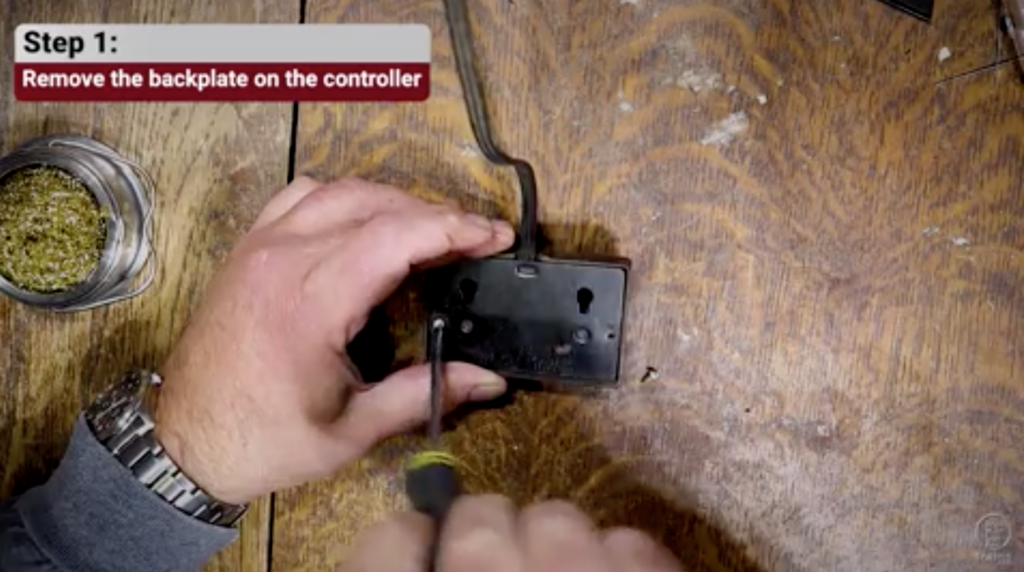
In this Classic Toy Trains How-to Minute, editor Hal Miller replaces the crumbling 3-conductor cable on a postwar RCS controller that goes with the Lionel No. 97 Coal Elevator. New 3-conductor cable is available from a variety of sources that deal in vintage toy train parts and the technique is applicable to a number of […]
Read More…
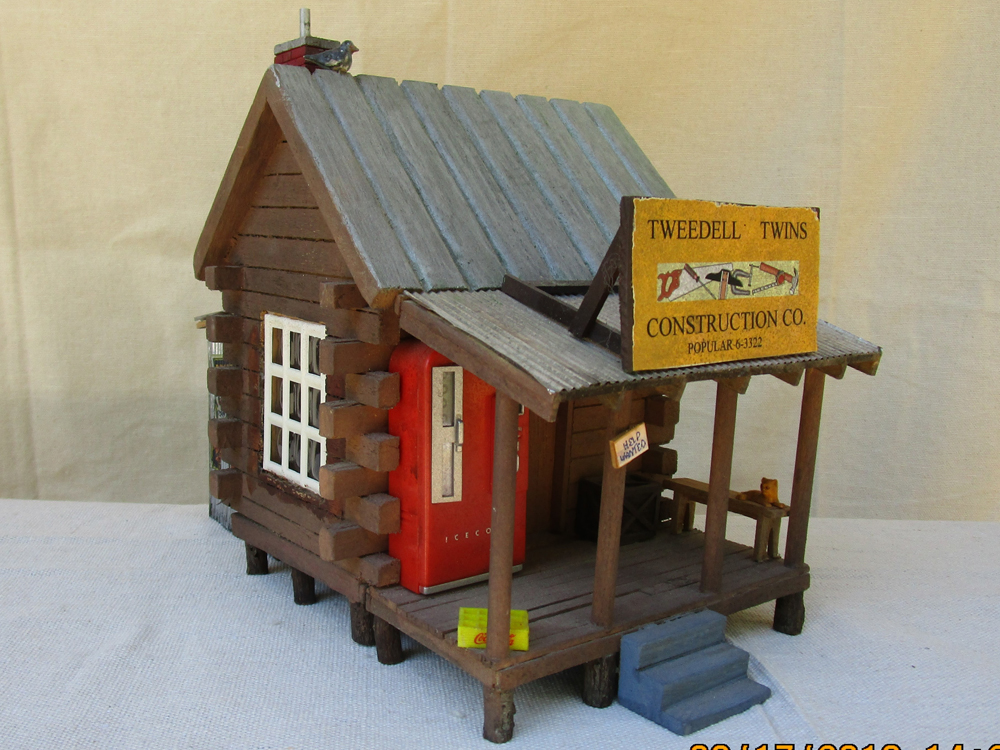
Our local Michaels craft store sells an unfinished wooden birdhouse you can buy for just $4.99 (or less if you use a coupon). I’ve found it useful for kitbashing small buildings for your railroad. I will share three examples I made for my own railroad. [Note: All unfinished wood should be painted/stained before leaving […]
Read More…
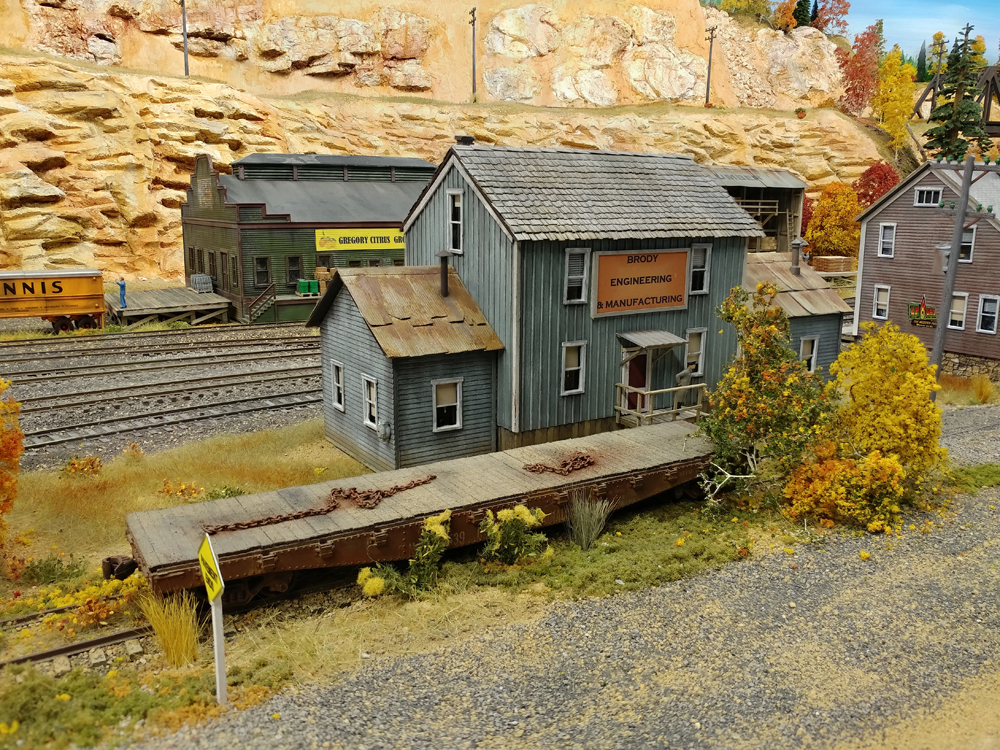
John Feraca’s Stone Canyon HO scale layout is featured in the June 2021 issue of Model Railroader. Set in the transition era, motive power for the SCRR consists of a mix of steam and diesel. Steam engines range in size from 0-6-0 switchers to a 4-8-8-4 Union Pacific Big Boy. Most are first generation […]
Read More…