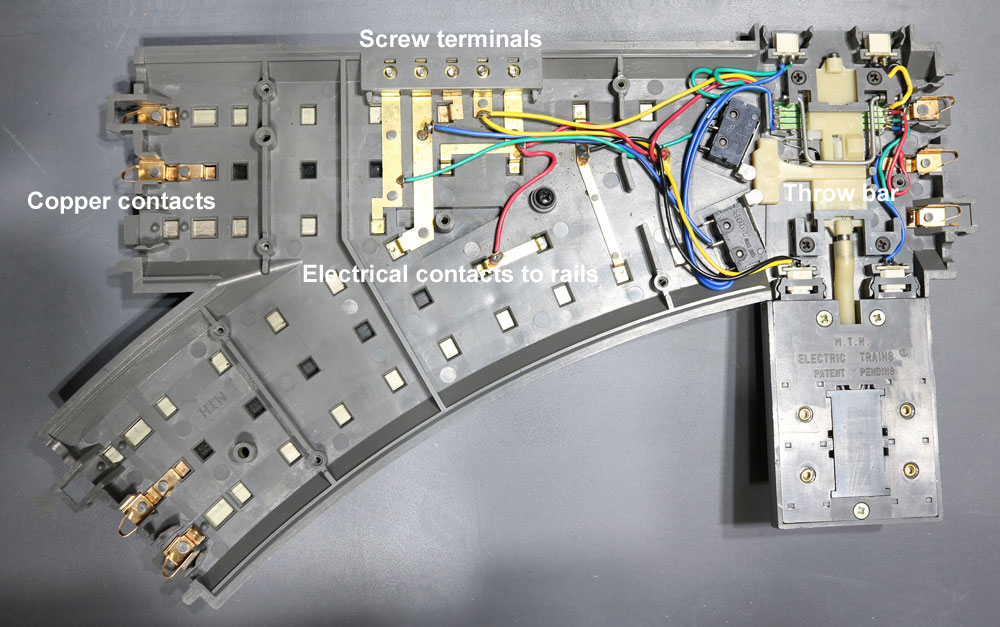
Here are a few tips and tricks when working with MTH RealTrax: The two ground rails are not tied together. This is true for other track systems using non-metallic ties, including those from Atlas O and GarGraves. If you add a switch, you need to add a lockon and make sure it’s on the […]
Read More…
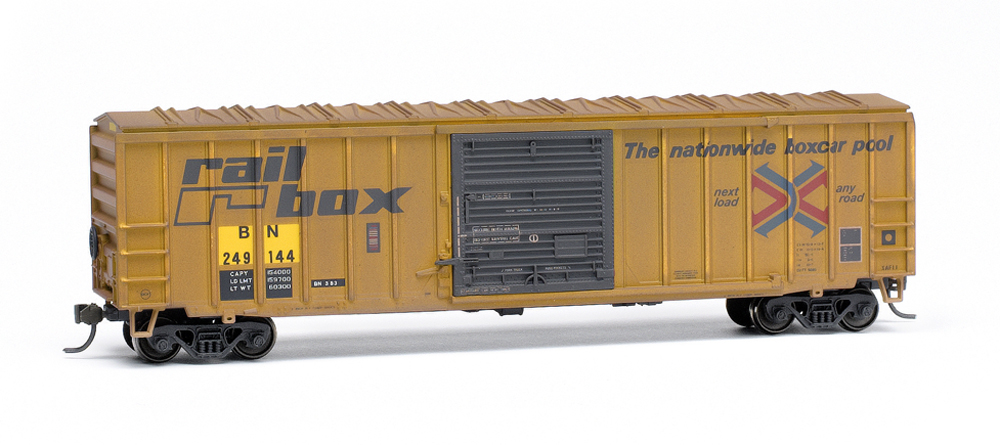
Several years ago, I purchased some undecorated Athearn HO scale 50-foot Railbox boxcar kits at a local hobby shop. Wanting to add some variety to my rolling stock fleet, I decided to model the cars in Railbox colors but with Burlington Northern reporting marks, 1. Easy enough, right? Well, not so fast. As most veteran […]
Read More…
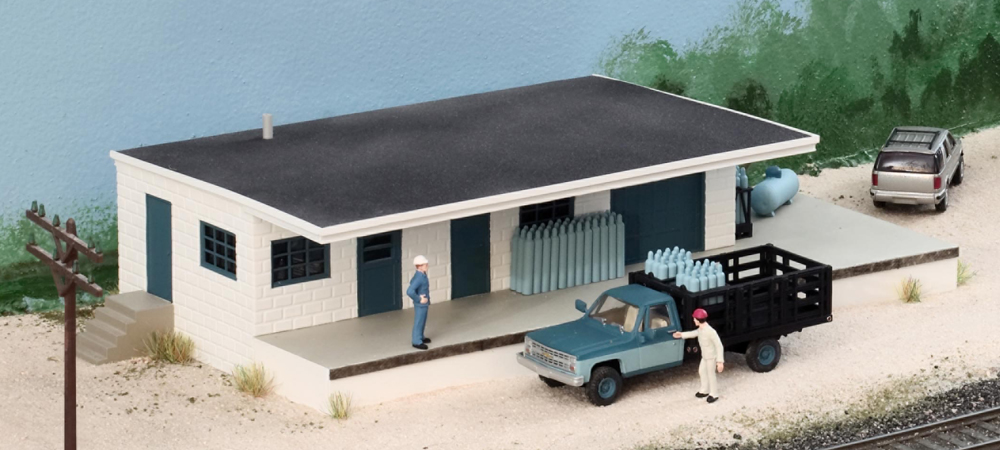
I enjoy scratchbuilding structures from styrene because it’s easy to cut, it takes glue well, and it’s readily available, 1. Though cutting wall sections is easy, making door and window openings can be tedious. However, with the Nibbler cutting tool, you can cut openings quickly and accurately. The Nibbler is a hand-operated punch-and-die tool that […]
Read More…
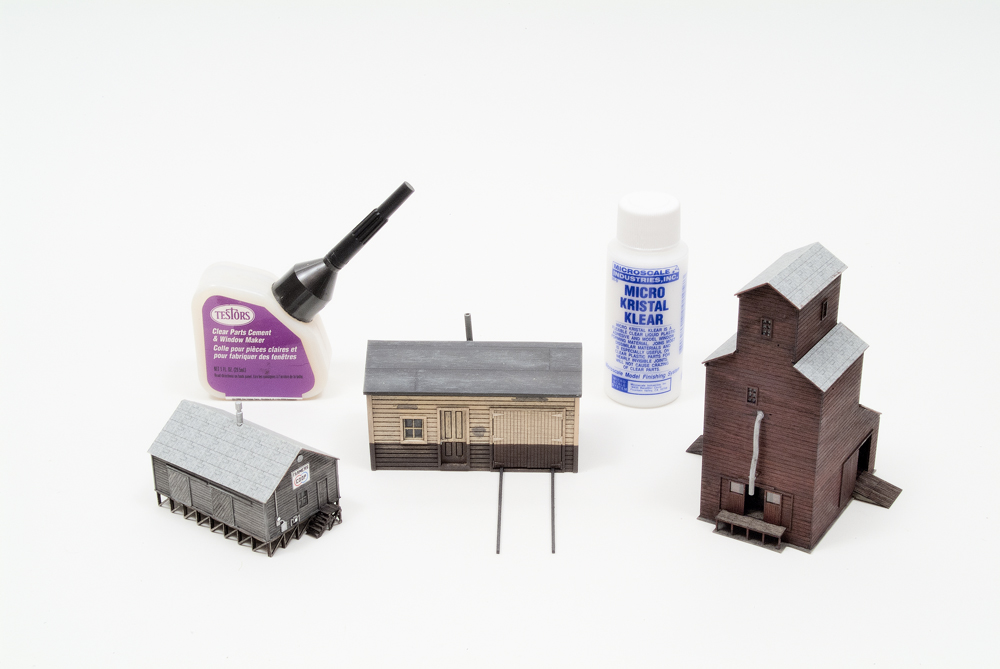
Microscale Kristal Klear is a versatile adhesive. One of its uses is to secure clear parts to models. But in a few simple steps, the adhesive can also be used for window glazing, 1. Kristal Klear works best on smaller window panes. Start by dipping a Microbrush into the Kristal Klear. Then, working from the […]
Read More…
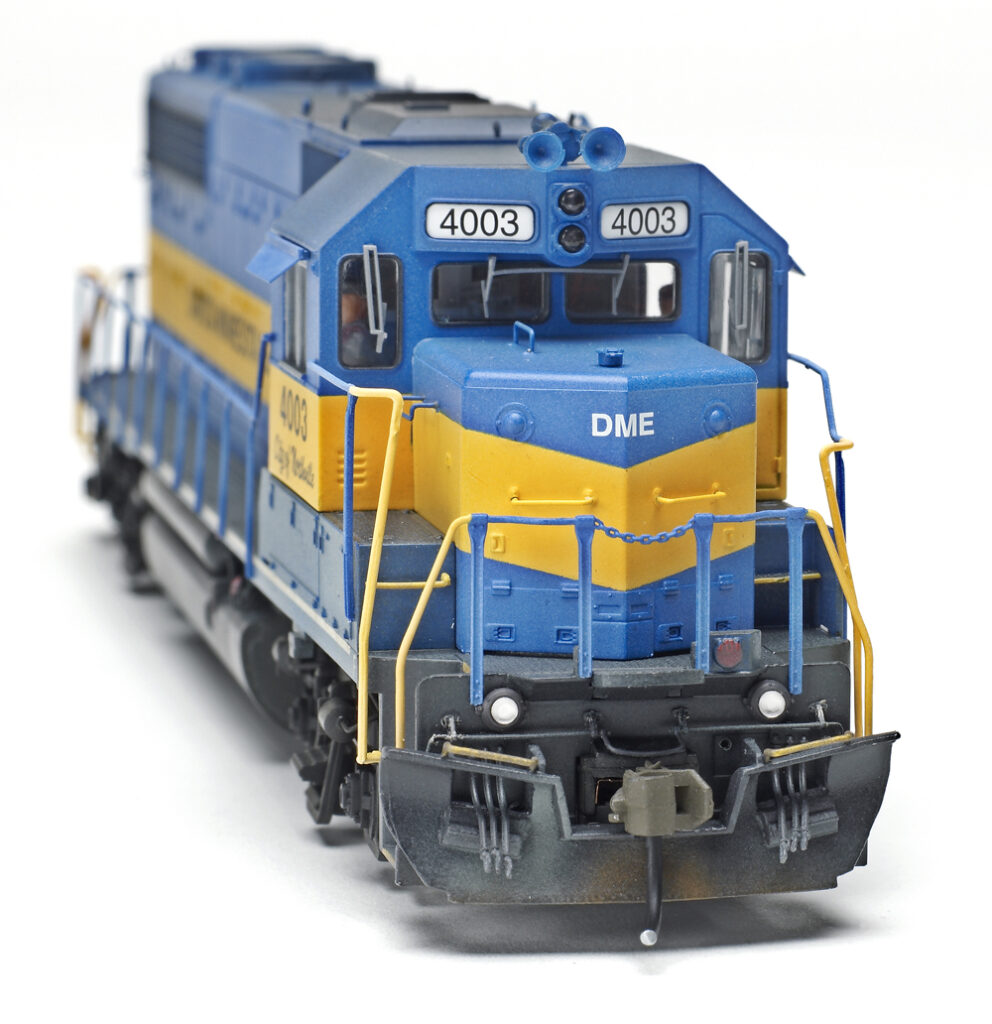
I’ve seen many well-weathered models, but too often the effect is ruined by shiny black couplers with bright metal centering springs. But in three easy steps, you can weather your couplers to look more prototypical, 1. On my Dakota, Minnesota & Eastern GP40, I wanted the couplers to look older, so I sprayed them with […]
Read More…
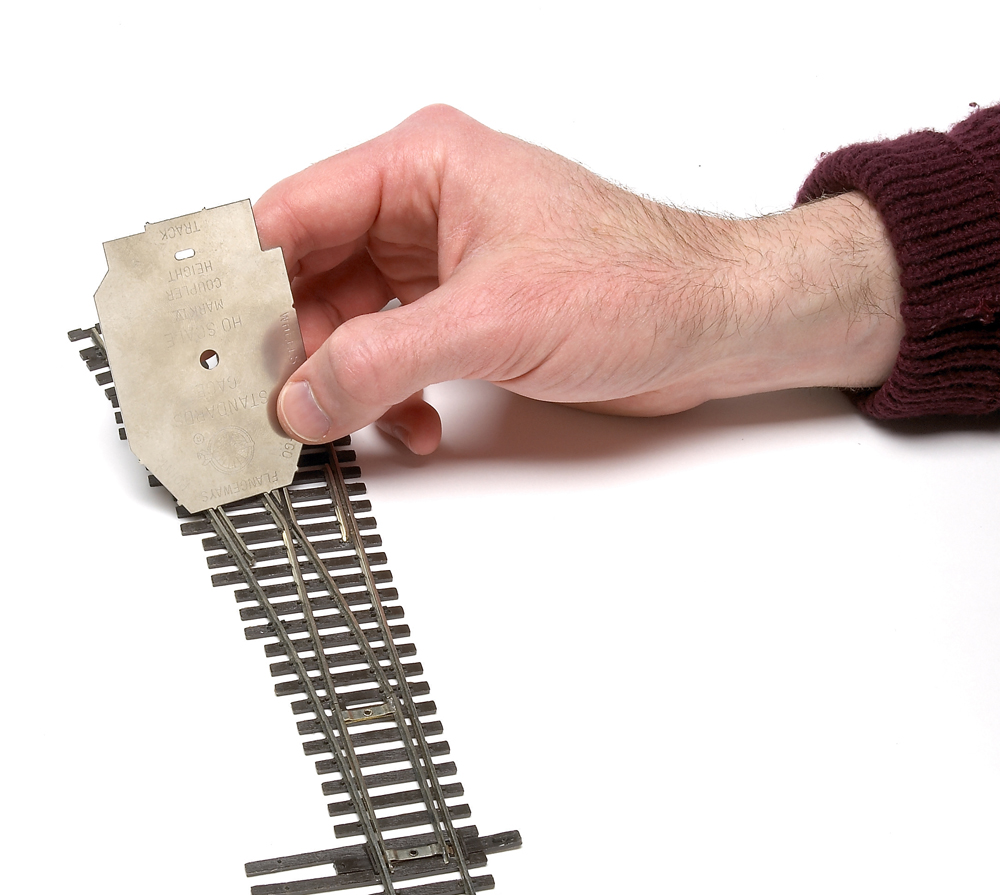
Many modelers build their layouts with commercial turnouts with the expectation that these components are ready to install. However, building my HO Ohio Southern has convinced me that most commercial turnouts are really “ready to finish.” They may need a little tune-up to ensure smooth performance and reliable operation. Gauge (the proper spacing of the […]
Read More…
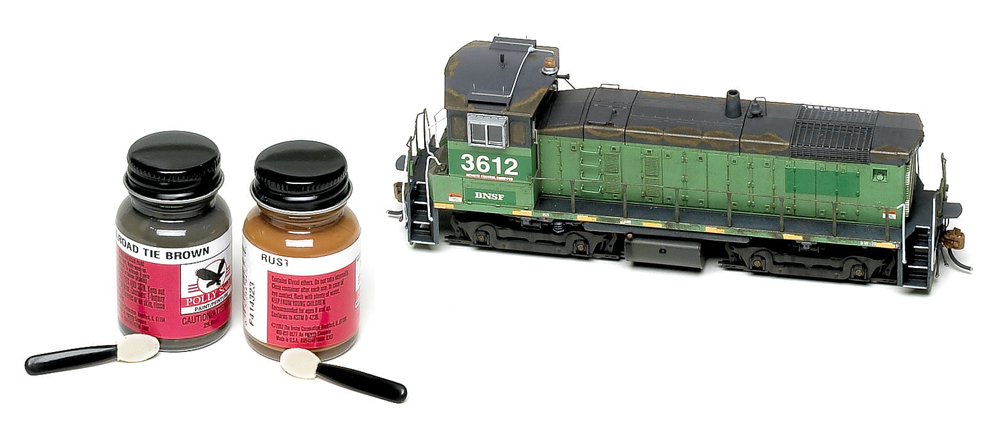
When I asked my wife if we could walk through the cosmetic department at the local drugstore, she gave me a somewhat puzzled look. This part of the store is home to some fantastic weathering tools, including foam-tipped cosmetic applicators. I used these applicators to simulate rust and paint wear on this Athearn HO scale […]
Read More…
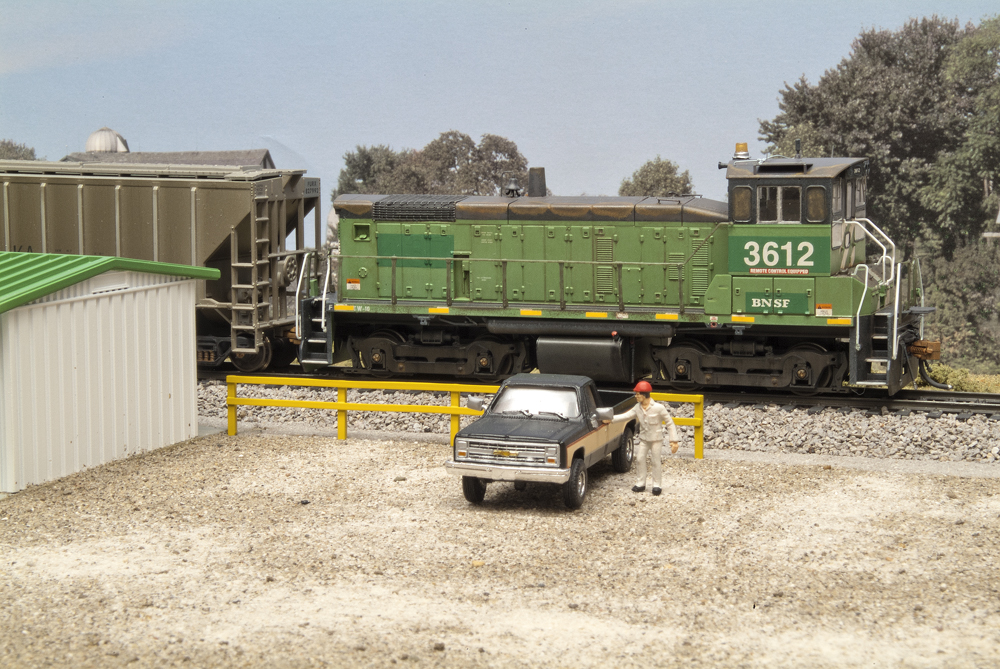
Central Valley’s HO scale injection-molded plastic fence is a close match for the fence used by the Burlington Northern near buildings in the area of Minnesota that I model, 1. Though the fence looks good, it’s difficult to attach as-is to an extruded-foam insulation scenery base. However, with brass mounting pins, the fence can easily […]
Read More…
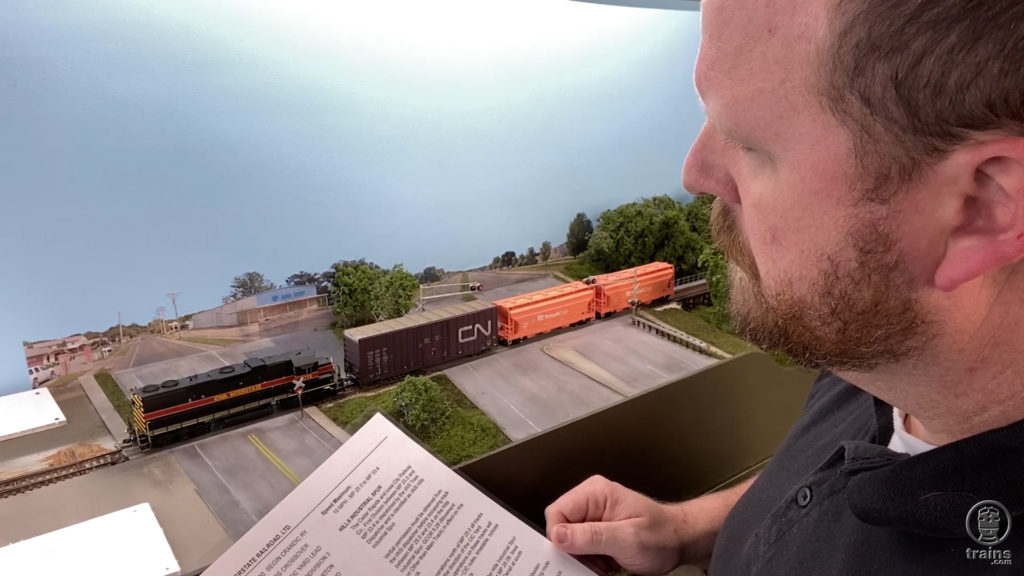
Shall we play a game? Host James McNab is up for a round of Operations on his HO scale Hills Line layout! In this episode, he works from a perspective inside the cab of a locomotive to explain some of the prototype procedures crews follow to make running his small model railroad so interesting. […]
Read More…
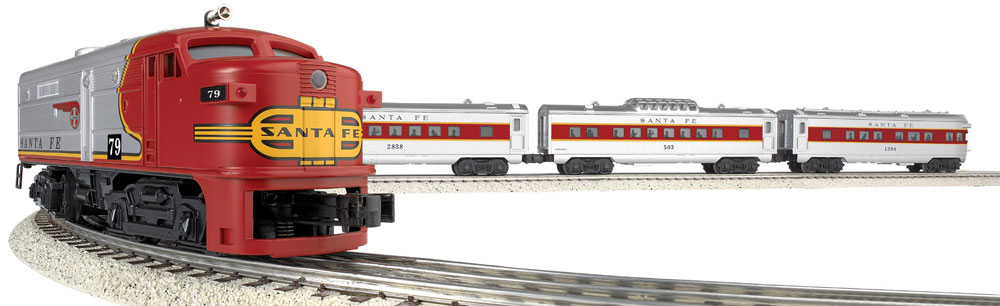
Have you ever been curious as to just how fast your locomotives can travel and what will happen if a speeding train encounters a sharp curve? With a stretch of straight track to accelerate on, and an O-27 curve at the end, you can usually find out. But the question remains: Just how fast can […]
Read More…
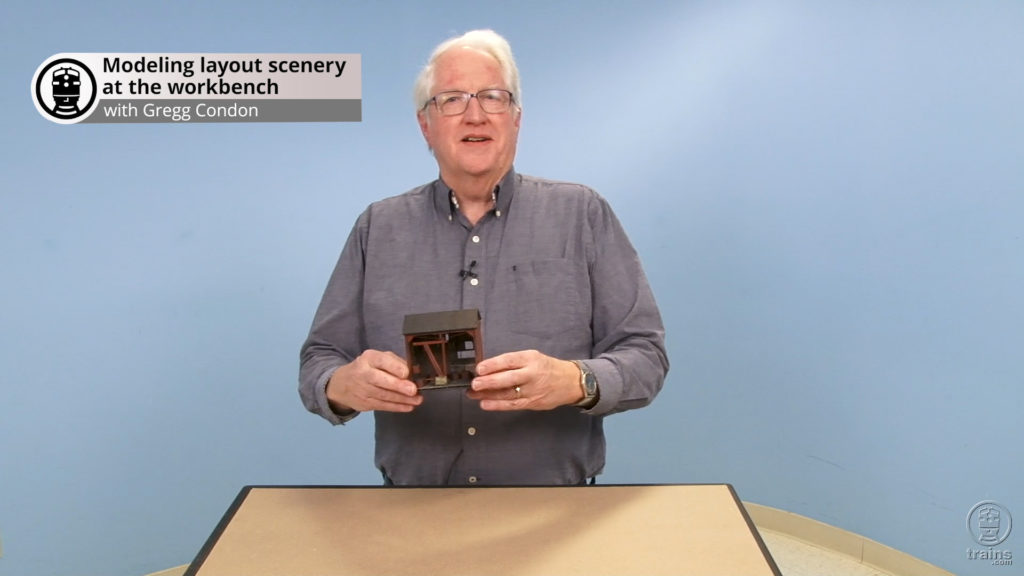
Narrow gauge modeler Gregg Condon presents a simple way to make model railroad scenery right at your workbench. In this quick-tip video, you’ll see how realistic model railroad scenes can be crafted from a comfortable, seated position, with all of your supplies right at hand! […]
Read More…
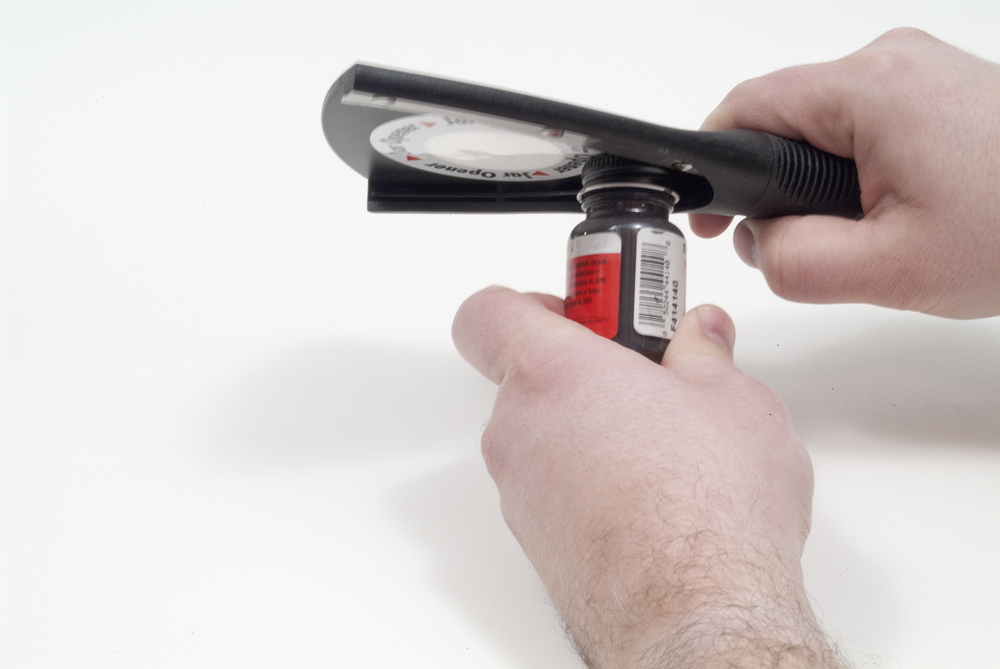
Paint jar caps that are stuck or tightly sealed are a problem most modelers’ experience. In the spray booth at Model Railroader, we use an Oxo Good Grips jar opener (no. 21191) to open stubborn paint bottle caps. These are sold at most major discount stores and specialty cooking shops. Just place the cap into […]
Read More…