At the dawn of the 20th century, dusk was approaching for the narrow gauge (3 feet or smaller between the rails) fad that began roughly 30 years prior. As 4’ 8 ½” officially became the “standard” gauge, as it remains to this day, retaining multiple rail lines in different gauges no longer made sense for most companies from a practical and economical standpoint. That is why many wasted no time in converting their narrow gauge systems to standard gauge, unless they believed that investing was no longer worth it and instead sold or abandoned the infrastructure. Class I railroads were no exception regarding their own subsidiary operations. Some narrow gauge lines, however, were spared, and made it well into the 20th century. Notable memories of a select few still exist today, thanks to the efforts of preservationists. The following are five Class I railroads with prominent narrow gauge operations that lasted into the 20th century.
Denver & Rio Grande Western
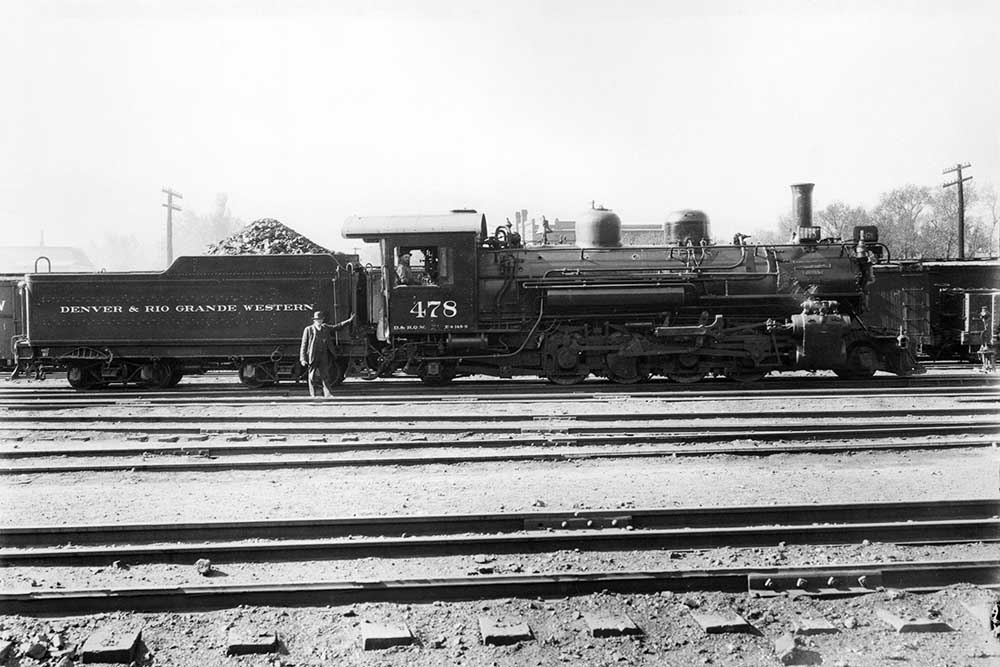
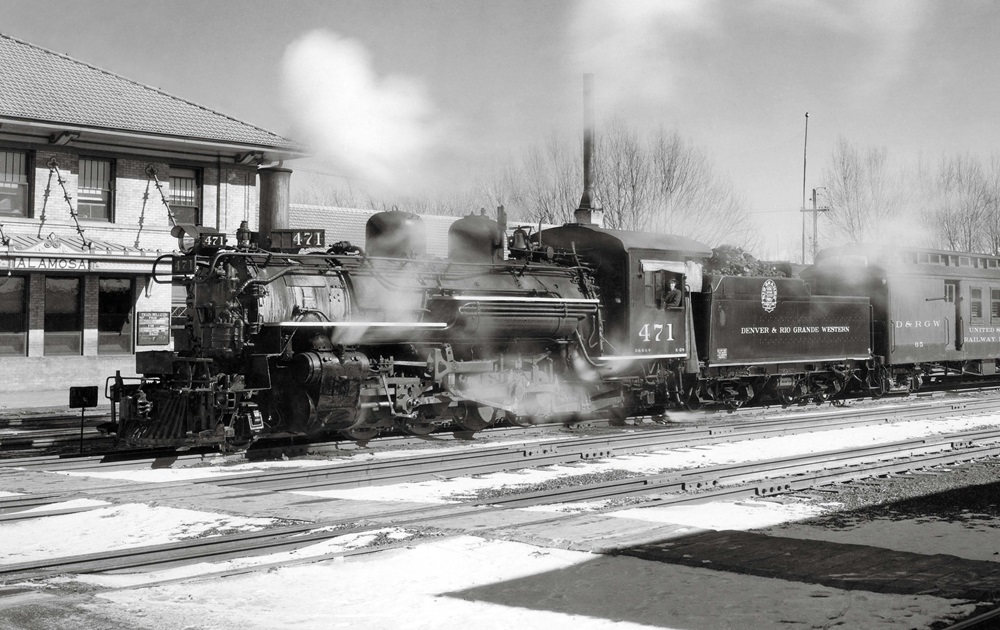
Nicknamed “Rio Grande,” the Denver, Rio Grande & Western was synonymous with narrow gauge railroading, especially in and around the Rocky Mountains.
Originally incorporated in 1870 to economically connect Denver and El Paso, Texas, the 3-foot main line of the Denver & Rio Grande Railway pivoted west from Pueblo, Colo., to connect Salt Lake City with a heavy emphasis on a full, standard-gauge conversion. By the time it became the Denver & Rio Grande Western Railroad (D&RGW) in 1925, an estimated 800 miles of narrow gauge track remained in use across the San Juan Mountains in Colorado and reaching south to Santa Fe, N.M.
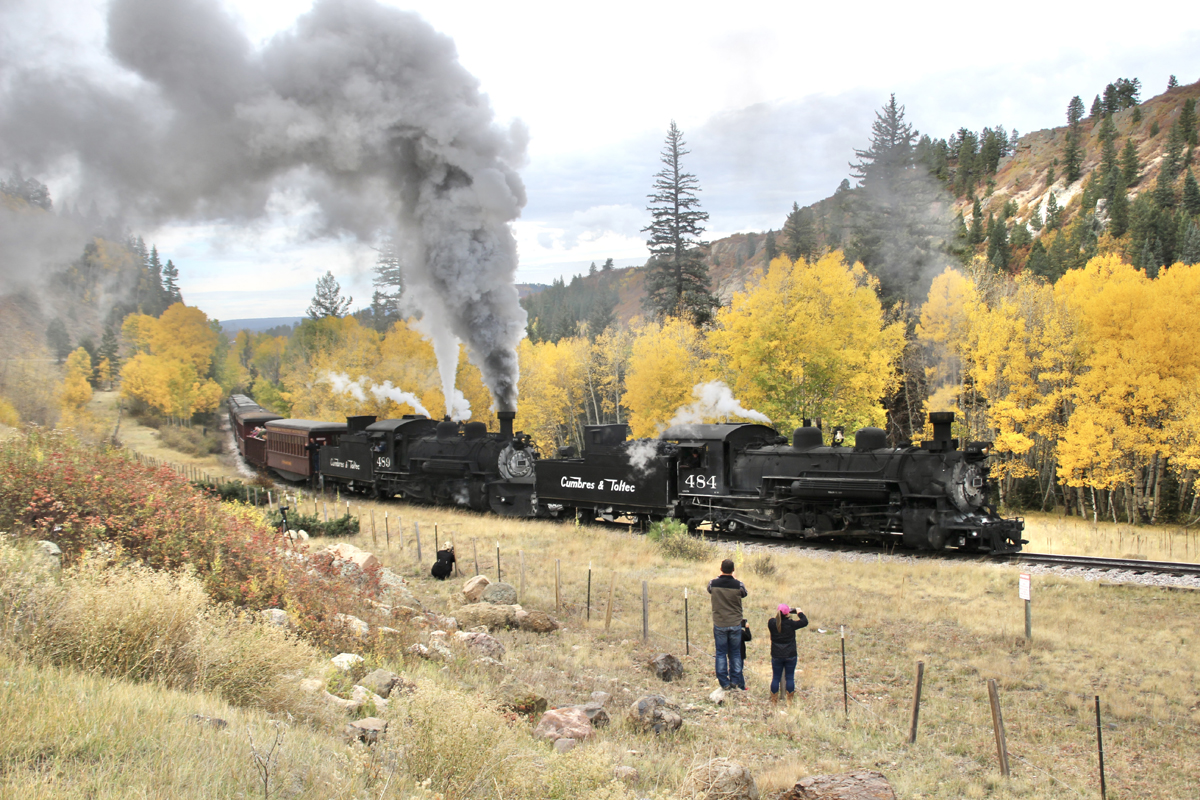
In the 1940s, the vast infrastructure no longer turned a profit. Abandonment began in 1942, but certain sections of the system were famously saved by the interest of Hollywood and supporters. The branch line between Durango and Silverton, Colo., and the main line linking Chama, N.M., and Antonito, Colo., survive as modern-day tourist operations under the Durango & Silverton Narrow Gauge Railroad and Cumbres & Toltec Scenic Railroad, respectively.
Colorado & Southern
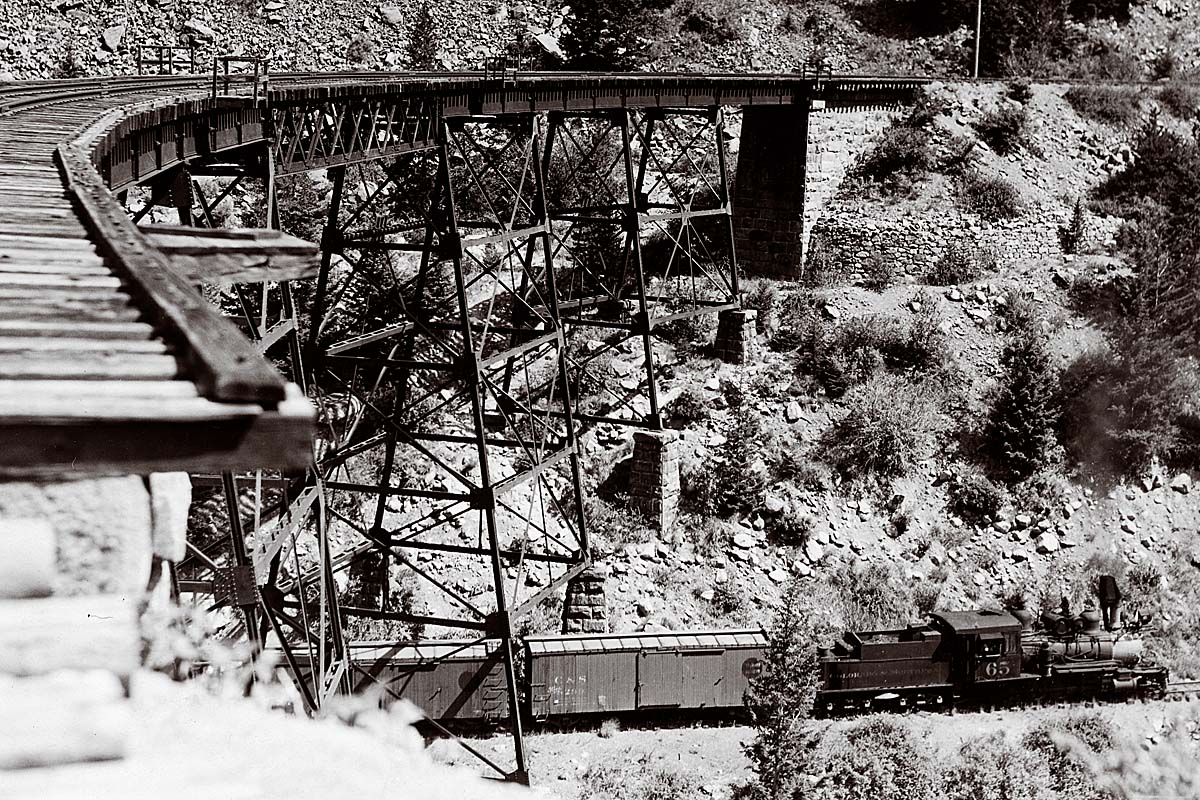
It might’ve been second fiddle to the D&RGW, but the Colorado & Southern Railway (C&S) held strong with its own narrow gauge empire in the Centennial State. The C&S became a subsidiary to the Chicago, Burlington & Quincy by 1908.
The 1898 formation of the railroad brought several historic mining lines under one umbrella. These included the Colorado Central Railroad, renamed the Clear Creek Division that headed west out of Denver into the heart of the Rockies; and the Denver, Leadville & Gunnison Railroad, which crossed the Continental Divide to connect Denver and the silver mines of booming Leadville, Colo. The Gilpin Gold Tram, Colorado’s only 2-foot, common carrier railroad that was built to haul gold-bearing quartz from the nearby mines of Central City, would later be acquired by the C&S in 1906 as the Gilpin Railroad.
The 20th-century operations under the Colorado & Southern were short-lived. Abandonment gradually took hold, beginning in 1910. Only the Georgetown-Silver Plume section of the former Clear Creek Division remains as the Georgetown Loop Railroad.
Milwaukee Road
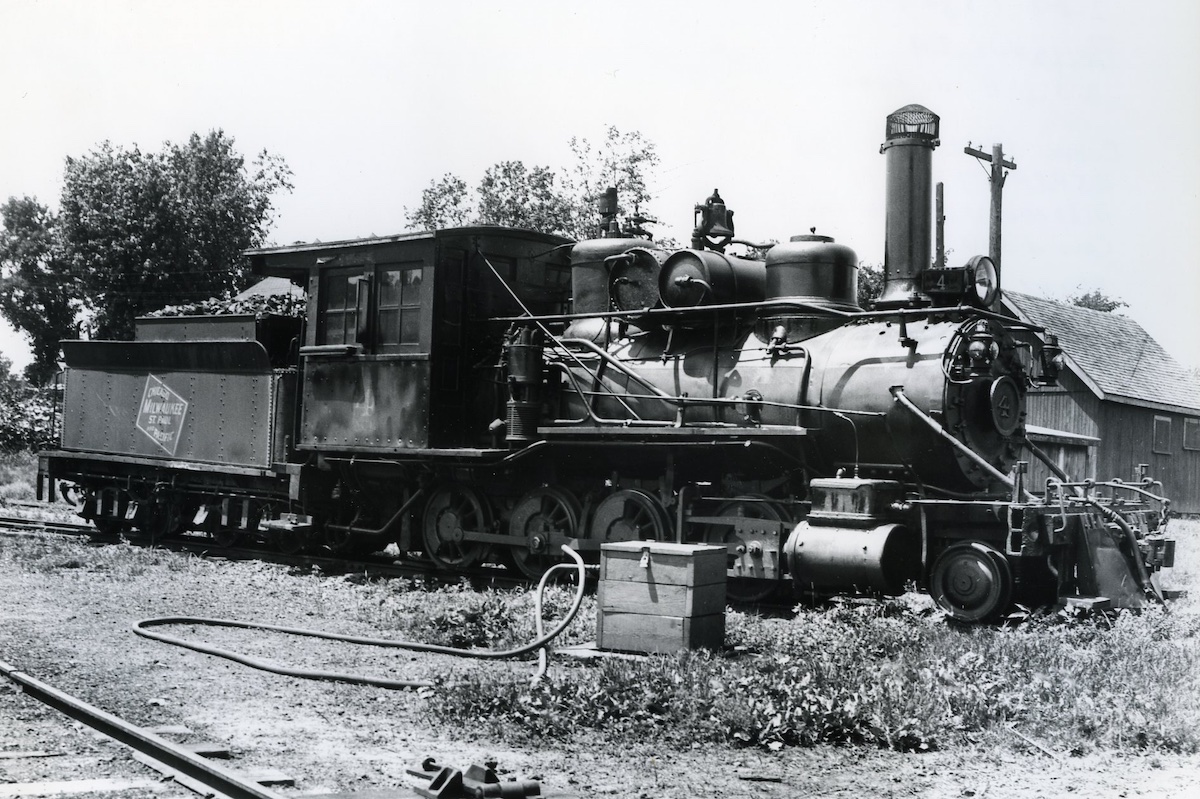
When the Chicago, Milwaukee, St. Paul and Pacific Railroad (Milwaukee Road) acquired the standard-gauge Chicago, Clinton, Dubuque & Minnesota Railroad in 1880, the deal included a 36-mile, 3-foot line known as the Chicago, Bellevue, Cascade & Western Railway (later the Bellevue & Cascade).
Built in 1879 and nicknamed “Milwaukee Road Narrow Gauge,” the line connected the namesake towns of Bellevue and Cascade, Iowa. Out of the roughly dozen narrow gauge lines across the Hawkeye State, the Bellevue & Cascade could arguably be proclaimed the most famous for its sharp twists and turns and a maximum grade of 2.8%.
It also held out the longest in Iowa, thanks in part to joining the Milwaukee Road family. However, the Class I sold the line in 1933, and its tracks were dismantled by 1936.
Read Trains Magazine’s April 1954 issue to learn more about the Bellevue & Cascade.
Southern Pacific
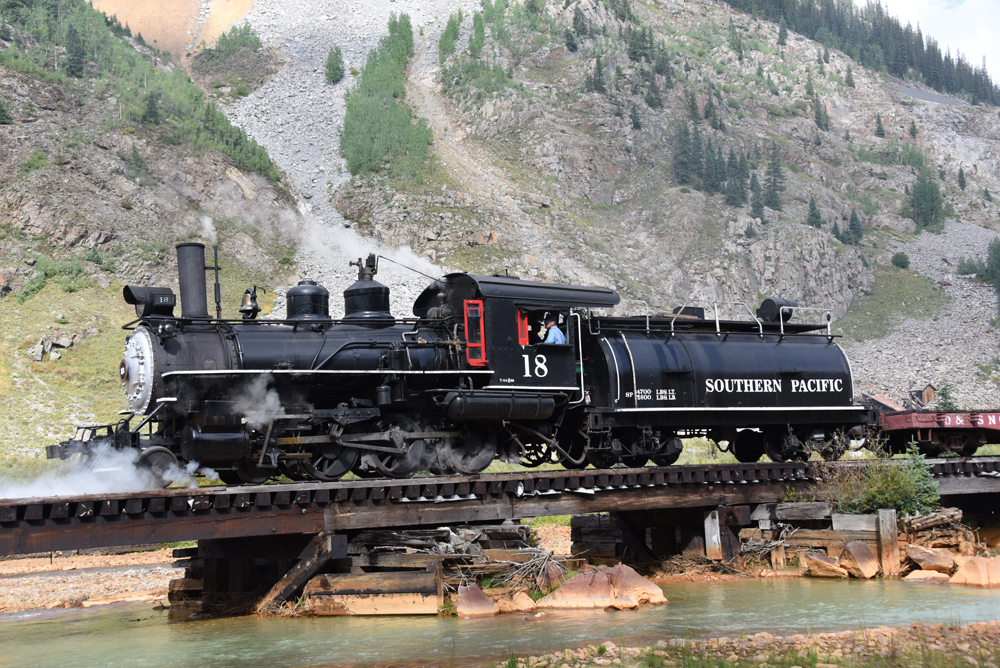
The Southern Pacific Railroad would see its fair share of narrow gauge lines join the company under the “Narrow Gauge” system, only to see the majority converted to standard gauge in great haste.
The former Carson & Colorado Railroad, acquired by the SP in 1900, notably retained most of its 3-foot roots throughout its operational history. It originally spanned 300 total miles, traversing California’s Owens Valley, from Mound House, Nev., to Keeler, Calif.
By the end of operations, only the 64-mile segment from Laws, Calif., to Keeler remained. This segment hauled mineral talc and shuttled sheep between grazing pastures, with a connection to the outside world via SP’s standard gauge Jawbone Branch from Mojave to Owenyo, Calif. The line’s final revenue run came on April 30, 1960.
Memories of the Southern Pacific Narrow Gauge are still preserved today, with the crown jewel fit for a princess: 4-6-0 No. 18 “Slim Princess.”
Read Trains Magazine’s November 2017 issue to learn more about the Southern Pacific Narrow Gauge.
Canadian National
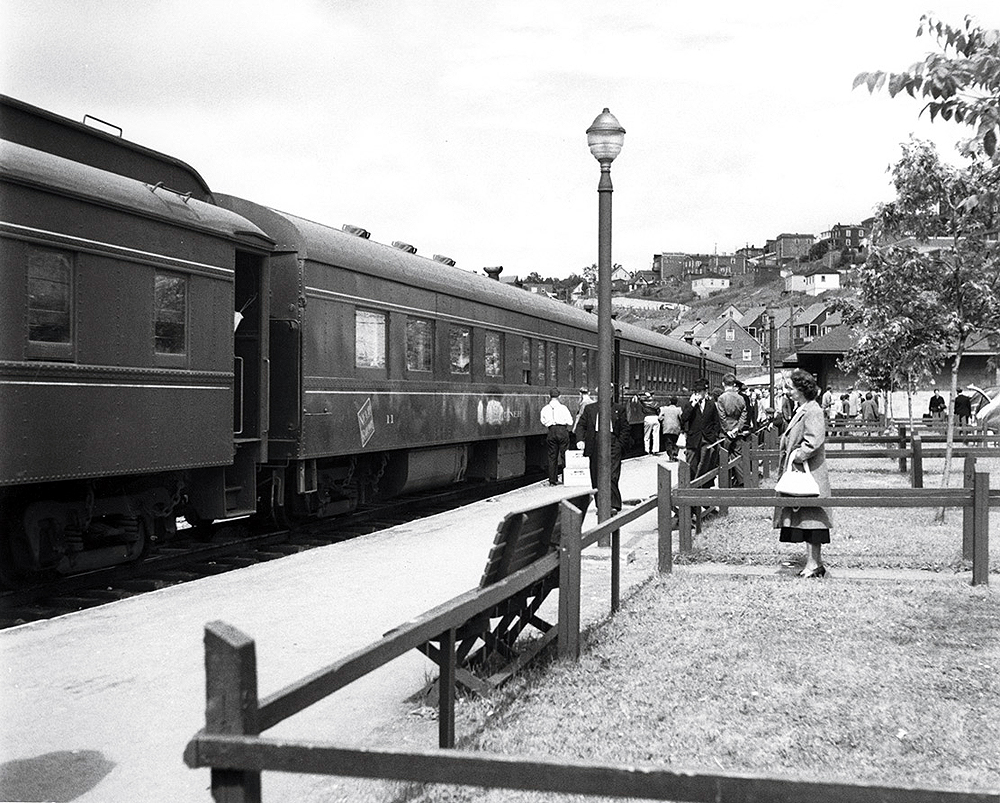
While many Class Is with narrow gauge railroads looked to cut loose by the 1940s, the Canadian National Railway defied the trend.
In 1949, it assumed management and operation of the Newfoundland Railway, following Newfoundland’s entry into Canada. The federal government agreed to subsidize operations. They acknowledged the 547 miles of the meandering 42-inch-gauge track had been, and would continue to be, a chronic money-loser, despite wartime profits and some postwar rebounds.
CN would still live up to the end of its bargain by investing heavily in the infrastructure, as it was the only land link spanning Newfoundland. However, the opening of the Trans-Canada Highway in late 1965 triggered an irreversible diversion of traffic off the railway. CN finally closed the Newfoundland Railway in October 1988, marking the end of common-carrier, narrow-gauge railroading in North America.