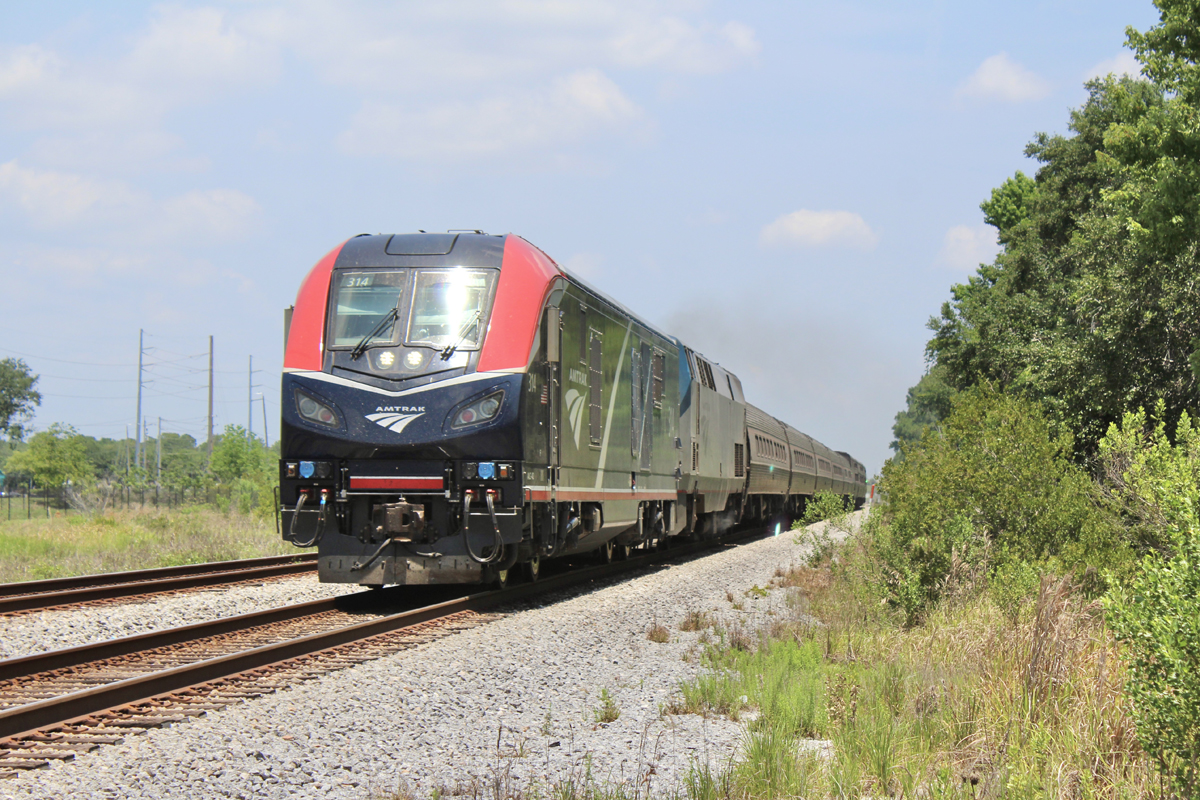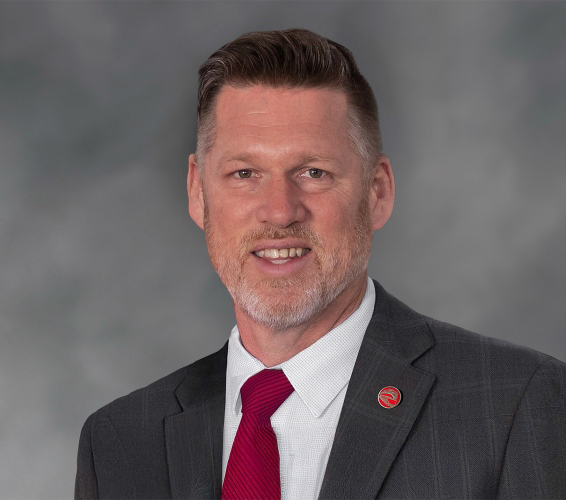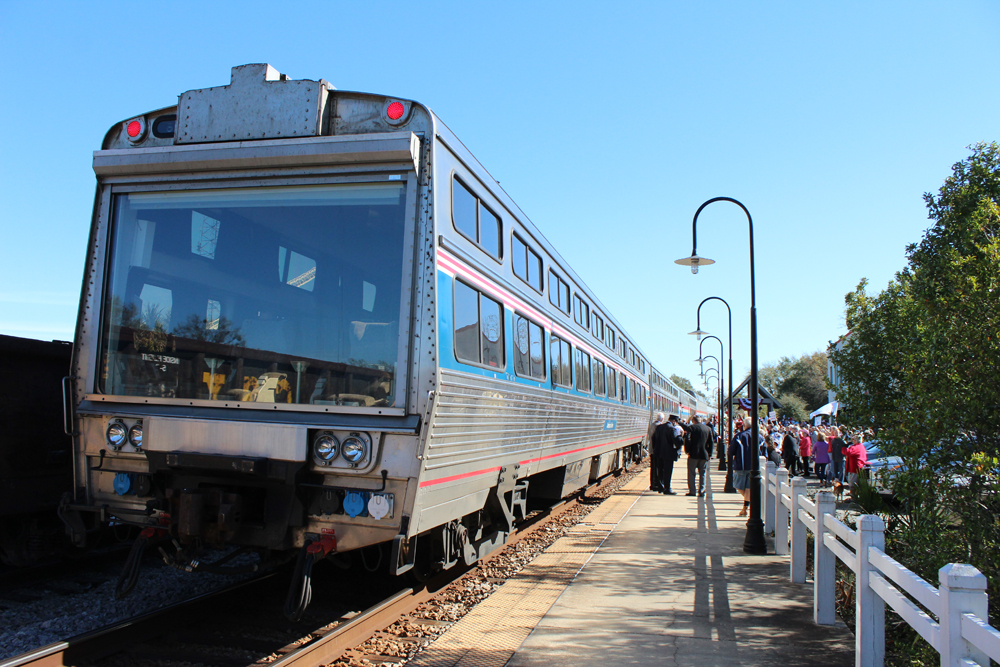
WASHINGTON — Cross-examination of Jim Blair, Amtrak’s senior director of host railroads, consumed the full 8-hour, 28-minute session Monday as the Surface Transportation Board’s hearing on the effort to launch passenger service between New Orleans and Mobile, Ala., resumed after an almost three-week hiatus.
Blair was questioned by lawyers from Norfolk Southern, CSX Transportation, and the Port of Mobile; redirect questioning from an Amtrak attorney was held over until the hearing resumes today (Wednesday, May 11), at 9:30 a.m. EDT. That session will be lived streamed at the STB YouTube channel, which also has recordings of Monday’s session and those of the previous eight days.
With two Amtrak witnesses still to be called, following by closing arguments from all parties, as many as three additional hearing dates could be likely. Those dates will be determined Wednesday.
More than three hours Monday’s proceedings were held in “confidential” sessions withheld from public viewing because of what the parties perceive to be sensitive and proprietary information.
Operating information not shared
Access to operating information has been a long-running issue in Amtrak’s effort to offer two daily round trips on the New Orleans-Mobile route. Board members learned Monday that secrecy demanded by host railroad CSX drove the railroad’s requirement that its 2019 traffic data only be used in Rail Traffic Controller modeling by consultant HDR. The firm had authored a previous study which concluded $2.2 billion in infrastructure improvements would be required to accommodate Amtrak service between New Orleans and Orlando, Fla.
Blair testified that Amtrak’s decision not to extend the RTC study past one year was driven by Amtrak’s inability to receive access to this data in September 2020, along with subsequent delays into 2021 while HDR ran additional iterations of the study. The Federal Railroad Administration expressed the same concern. This is what prompted Amtrak to seek route access from the STB in March 2021.
When HDR finally released modeling details during the hearing’s discovery phase in September 2021, “Amtrak people were not allowed to look at the RTC data,” Blair said, adding, “We were denied access to string lines (graphs) of actual train operations.”
He said Amtrak and HDR agreed to tweak departure times of the round trips to minimize known freight train interference. Also disclosed Monday: the schedules contain recovery time (padding) that amounts to 22% of pure running time, compared with the typical recovery time of 10%. This was tacit acknowledgement by Amtrak that schedules should have more wiggle room during construction of $99 million of infrastructure improvements recommended in a 2017 Gulf Coast Working Group report.
Chairman wants to hear more about meeting
As in previous sessions, Chairman Martin Oberman’s questioning zeroed in on key issues. A subsequent RTC model, using 2019 data projected to 2039, was created by consultant HNTB as the basis for $440 million of infrastructure improvements CSX and Norailroads now say is required to start service. Oberman asked Blair whether Amtrak could have run the model without the 20-year projection, but Blair said because that data was proprietary, “We didn’t have a live model to run scenarios off of.”
Oberman also wanted to know more about September 2021 meetings between NS, CSX, local officials, and members of the Southern Rail Commission. As Trains reported [see “Gulf Coast Showdown,” April 2022], the railroads suggested $140 to $160 million of route improvements would be sufficient, but evidence of those proposals has not been introduced.
CSX Attorney Ray Atkins said the meetings “were part of a global effort by Norfolk Southern and CSX to secure a settlement in this case, and those discussions should not be admissible under the federal rules of evidence.” Observed Oberman, “If the discussions were with an outside party, the Southern Rail Commission, and reported in the media, I’m not sure how you can say they are not produceable.”
After determining Blair had not been present, Oberman said, “I’d like to hear from counsel, not now, about our consideration of whatever happened in that meeting, whether it is privileged or admissible in this proceeding.”
Although the witnesses, STB members, and most attorneys were in the Washington hearing room, streamed video of the proceedings often lacked audio for either the question posed or answer given — a problem that had not been evident in the eight previous sessions, held only by Zoom.
Share this article