WASHINGTON – The Federal Railroad Administration today published its final rule mandating inward- and outward-facing cameras in passenger locomotives, a move that immediately brought criticism from the chair of the National Transportation Safety Board, who said the rule doesn’t go far enough.
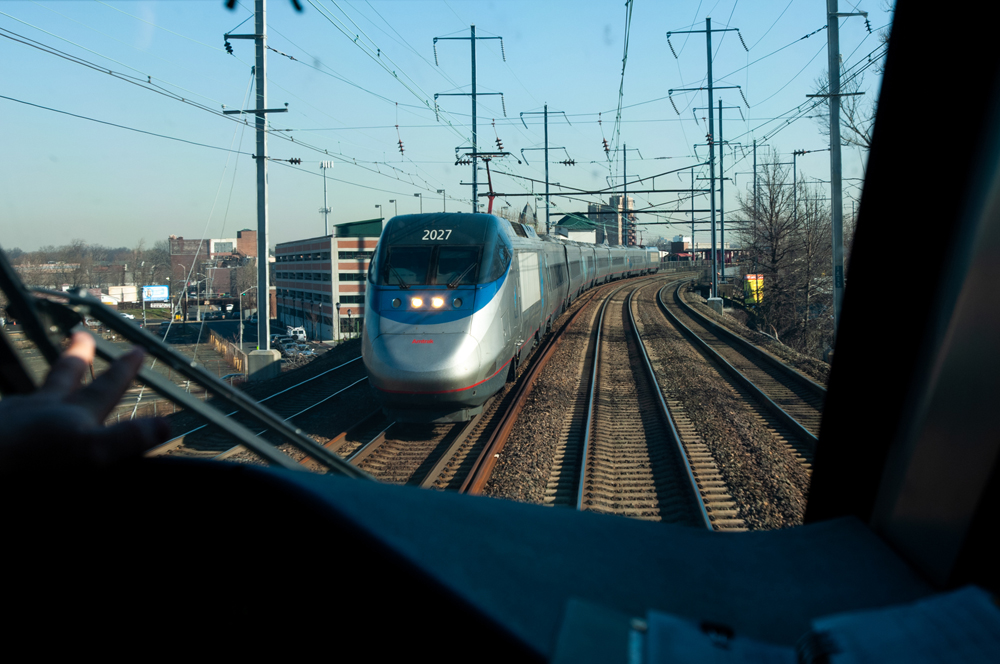
The FRA rule, which goes into effect on Nov. 13, will require the installation of the video cameras on all lead locomotives in passenger trains. The rule requires that the devices record while the lead locomotive is moving and that 12 hours of data must be retained in a crashworthy memory module.
The rule also treats the cameras as safety devices under existing regulations, meaning tampering or disabling them is prohibited. The recordings also can be used to conduct operational tests that determine passenger railroad operating employees’ compliance with applicable railroad rules and federal regulations.
“While video recorders cannot directly prevent accidents, they help maintain a higher standard of safety,” FRA Administrator Amit Bose said in a statement. “In addition, these devices play a vital role in post-accident investigations, providing valuable evidence that helps us understand the circumstances leading to the accident and take appropriate action to prevent similar accidents in the future.”
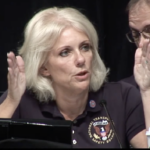
“While this is undoubtedly a step forward for passenger rail safety, FRA’s rule falls short of our recommendations in two ways — the first of which is by failing to require audio recorders for passenger trains,” Homendy said in a statement. “We’re also deeply disappointed the rule excludes freight rail entirely. In fact, FRA’s belief that the cost ‘could outweigh the safety benefits’ is an affront to every community that’s experienced a freight or freight-passenger rail disaster.”
Although the FRA didn’t mandate the cameras in freight locomotives, the agency said that “it should be noted that they have been voluntarily installed by freight railroads on a widespread basis.” The Association of American Railroads had opposed requiring cameras on freight locomotives.
The FRA also said that it would continue to monitor freight railroad installation and use of onboard video cameras and that it may take additional action in a separate proceeding.
More than a decade ago the NTSB recommended that FRA require audio and image recorders in all locomotives. The recommendations were prompted by dozens of railroad accident investigations in which NTSB determined having inward- and outward-facing audio and image recorders would have provided crucial information to the railroads, its workforce, FRA, and NTSB that could have improved safety. In a number of those accidents, the operator died, was seriously injured, or could not recall details from moments before the accident.
“Though many in the freight rail industry have opted to install recorders voluntarily, there’s absolutely no standard for the number of hours of data they must preserve after an accident,” Homendy said. “East Palestine [Ohio] is a striking example: instead of having 12 hours’ worth of in-cab video, as we’ve recommended, our investigators only have access to a 20-minute recording — not nearly enough to help us or the FRA identify critical safety improvements needed to prevent similar accidents from reoccurring.”
The FRA rule exempts freight locomotives from compliance with the regulation when they are pressed into rescue service on the point of a passenger train with a failed locomotive.
The final FRA rule is available online.
Share this article