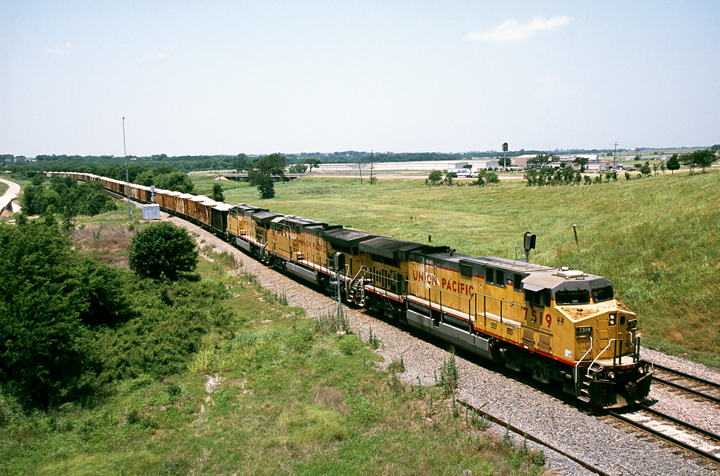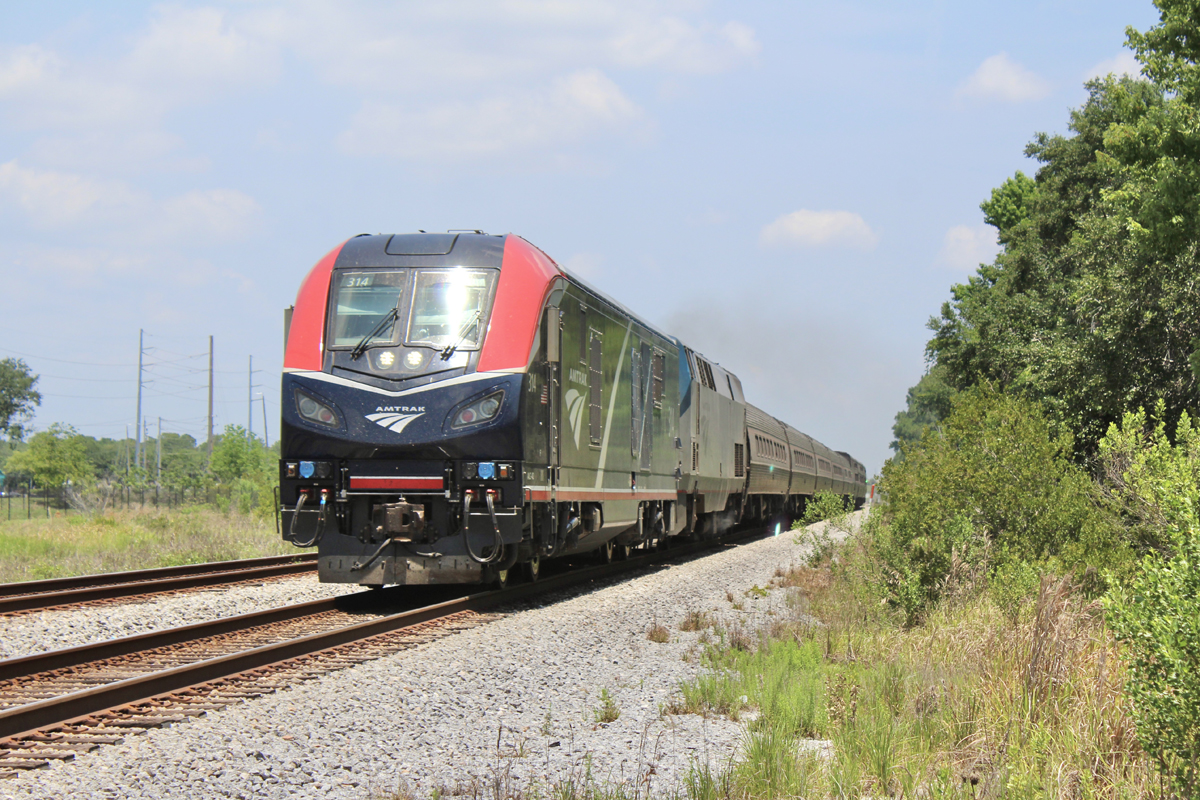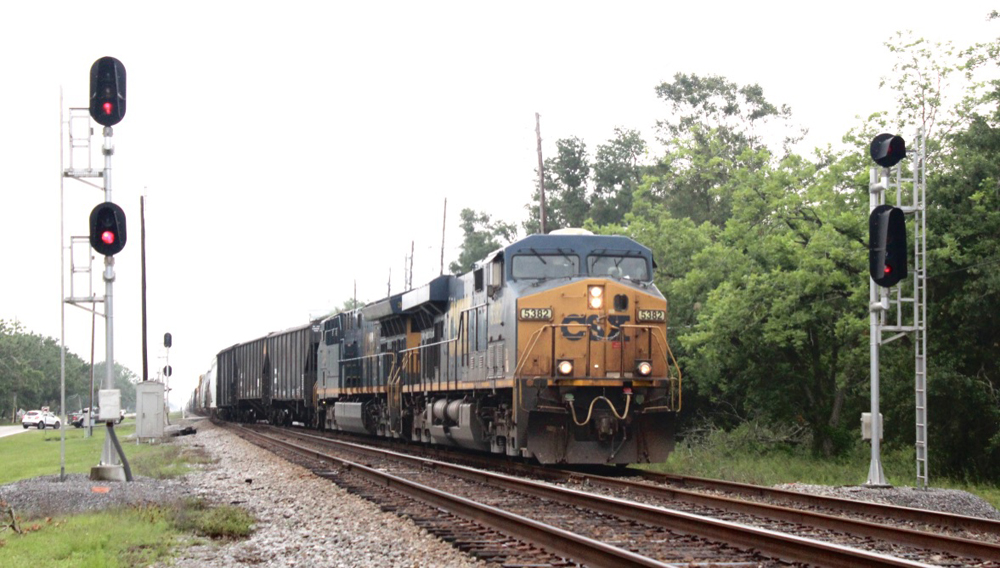
WASHINGTON — In filings that maintain if not elevate the level of acrimony between the two sides, CSX and Norfolk Southern have attacked almost every aspect of Amtrak’s response to their initial argument in the dispute over Gulf Coast passenger service that is before the Surface Transportation Board.
The main document filed by the two railroads on Dec. 23, a 194-page rebuttal to Amtrak’s “reply evidence” filing of Dec. 3, is peppered with terms like “case study in overreach,” “glaring failure,” “replete with mistakes, exaggerations, and misunderstandings,” and “serious misrepresentation” to characterize Amtrak’s arguments. At one point, it devotes more than three pages to arguing against Amtrak’s definition of “unreasonable” in the phrase “unreasonable impairment” that passenger trains could cause for freight service.
Ultimately, it argues that the RTC traffic modeling study used by CSX and NS is sound, contrary to Amtrak’s claims, and that the modeling supports the railroads’ initial filing that the two passenger trains a day between New Orleans and Mobile, Ala., would have a dramatic negative impact on freight service [see “CSX, NS say Gulf Coast passenger service would ‘devastate’ freight operations,” Trains News Wire, Nov. 4, 2021].
“The 2021 Gulf Coast RTC Model shows that Amtrak’s proposed new service would cause significant impairment to freight transportation in the Gulf Coast region,” the filing concludes, “absent conditions requiring Amtrak to build adequate infrastructure to support its new service. [The legislation governing the case] does not permit Amtrak to force freight railroads to accept new passenger trains that will unreasonably impair freight service, and thus Amtrak’s application must be denied.”
In a second document, the two railroads ask the board to block Amtrak’s request to refile its Dec. 3 document without confidential material that was redacted from the original public version. Amtrak argued that the information regarding train counts, track drawings, and other operating data is publicly observable. The railroads claim “this train data is voluminous and detailed, such that no lay observer could ever hope to collect it through in-person track observation,” and that it is competitively sensitive for the railroads and shippers.
Share this article