When my wife and I had another couple over for dinner back in April, the cork was barely out of the wine bottle when our friends popped the question: What on earth is going on with railroads?
In the wake of the Feb. 3 Norfolk Southern derailment in East Palestine, Ohio, and intense media coverage of subsequent wrecks both large and small, our friends wondered why so many trains were running off the rails. They also asked about labor strife and how, in 2023, railroads could be so backward as to deny their unionized workers sick days.
Both were fair questions, and naturally I tried to clear up the misconceptions. Despite the headlines, railroads are safe and until now the unions and railroads had traditionally negotiated really good long-term sick leave benefits at the expense of paid sick days.
But perception equals reality, right? And the reality is that the railroad industry’s image has taken a beating over the past two years. It has one black eye from derailments, another one from labor upheaval and massive job cuts, and a bloody nose from the fallout of service problems that followed the onset of the pandemic. No wonder the public, employees, customers, lawmakers, and regulators are alarmed.
You can argue how much of the industry’s reputational damage has been self-inflicted and how much has been the result of media piling on and a public that knows next to nothing about railroads. But we all should agree that this turn of events is too bad, because railroads have a good story to tell, especially when you compare trains and trucks.
You know the details. Railroads are far safer than 18 wheelers. Due to their significantly lower greenhouse gas emissions, trains are better for the planet. Freight trains operate over a heavily taxed and privately funded network, while 80,000-pound big rigs beat the tar out of publicly funded highways, don’t come close to paying their way, and contribute to traffic jams.
Yes, railroads are sharing Association of American Railroads talking points all over social media. The problem with Facebook, Twitter, and the like is you’re either preaching to the choir or attracting trolls. Plus, railroads face a noisy social media landscape, where they’re competing for eyeballs with Taylor Swift, the latest political outrage, and whatever’s going viral on TikTok.
It’s hard to grab the public’s attention – and harder still to keep it long enough to explain why we need railroads.
Yet railroads have at their disposal the ultimate public relations tool: The steam locomotive. Nothing can attract people to railroads like a living, breathing mainline steam locomotive. They’re a nostalgic novelty in the era of Tesla, artificial intelligence, and virtual reality.
Which is why the industry should assemble a steam-powered train or two to criss-cross the continent coupled to cars that contain exhibits on railroad safety, history, technology, and how moving freight by rail benefits all of us. They could even put an exclamation point on progress by tucking a Wabtec or Progress Rail battery electric and a Canadian Pacific Kansas City or CSX hydrogen fuel cell locomotive between the tender and the exhibit cars.
The train would create a spectacle in every city and town it visits. People would flock trackside. National and local media would show up. And railroads could tell a positive story, including reminding folks of the vital work railroads do, from keeping the lights on and hauling crops to delivering your SUV and the imported goods that ultimately wind up on Walmart shelves and in Amazon warehouses.
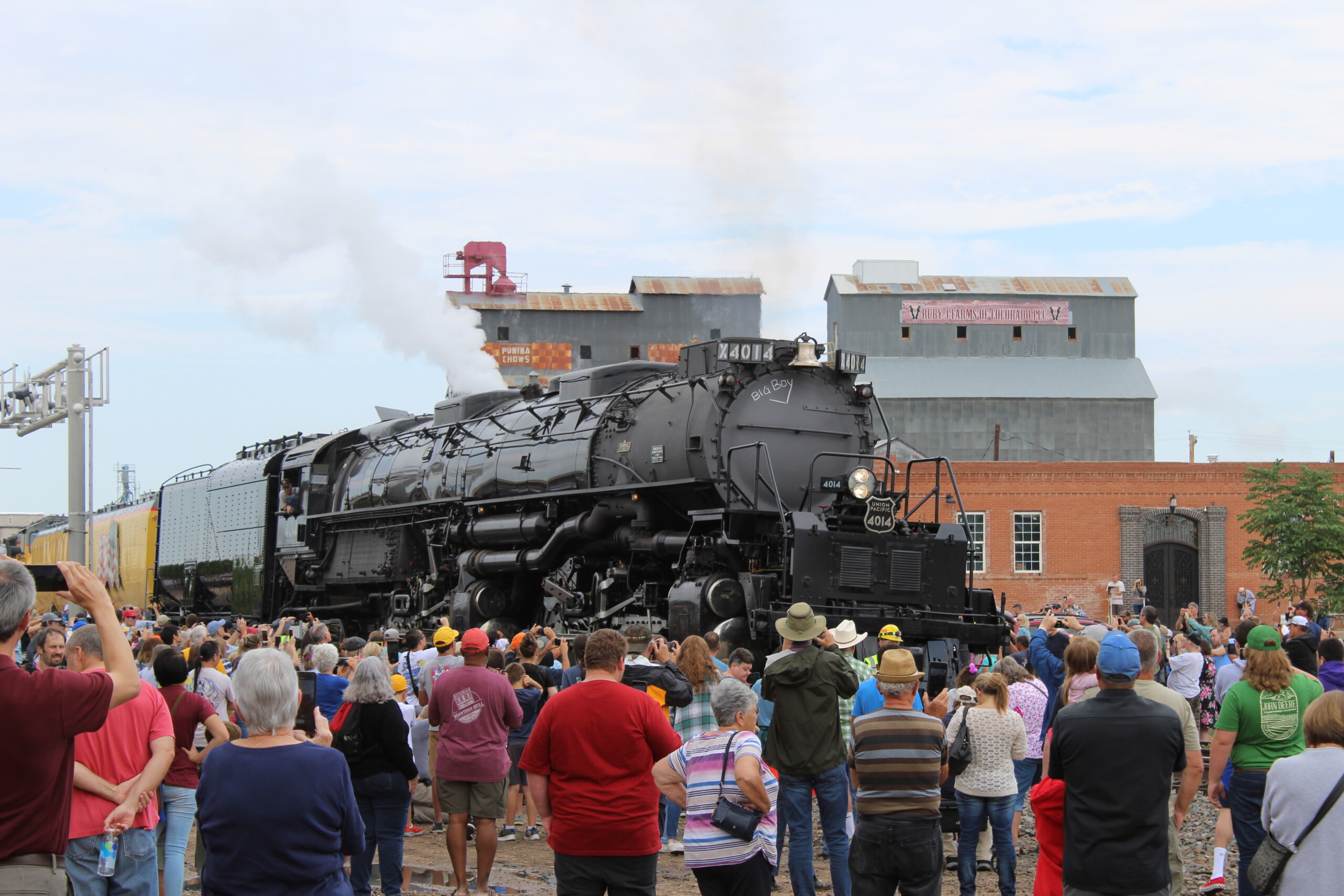
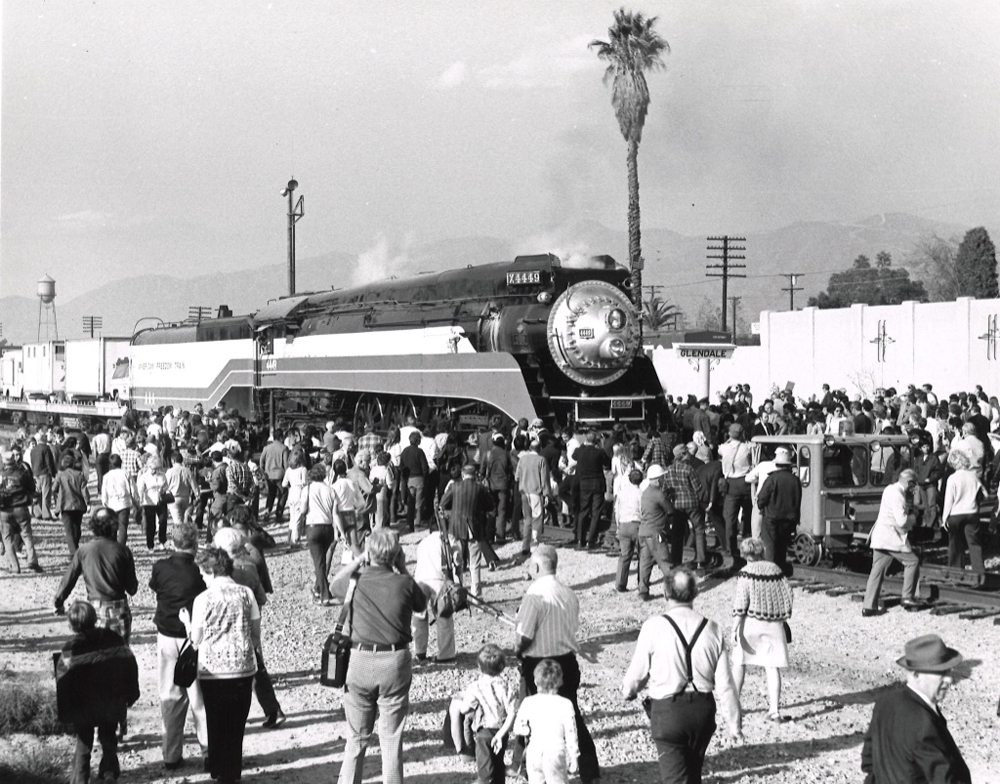
By virtue of its size, Union Pacific Big Boy No. 4014 is the most impressive railroad ambassador ever created. But it’s by no means the only one. Plenty of other locomotives – Nickel Plate Road 2-8-4 No. 765, Norfolk & Western 4-8-4 No. 611, Canadian Pacific 4-6-4 No. 2816, Milwaukee Road 4-8-4 No. 261, Santa Fe 4-8-4 No. 3751, and Southern Pacific 4-8-4 No. 4449 – have star power too. Any of them could lead a barnstorming trip in celebration of railroading’s past, present, and future.

No railroad has recognized the power of steam quite like UP. But the other Class I railroads, with the exception of Canadian National, have at one time or another used mainline steam to pull people to the railroad. Steam’s allure is why CPKC CEO Keith Creel took the 2816 out of mothballs and will have it on the point of the business train from Calgary to Mexico City this summer in honor of the CP-Kansas City Southern merger.
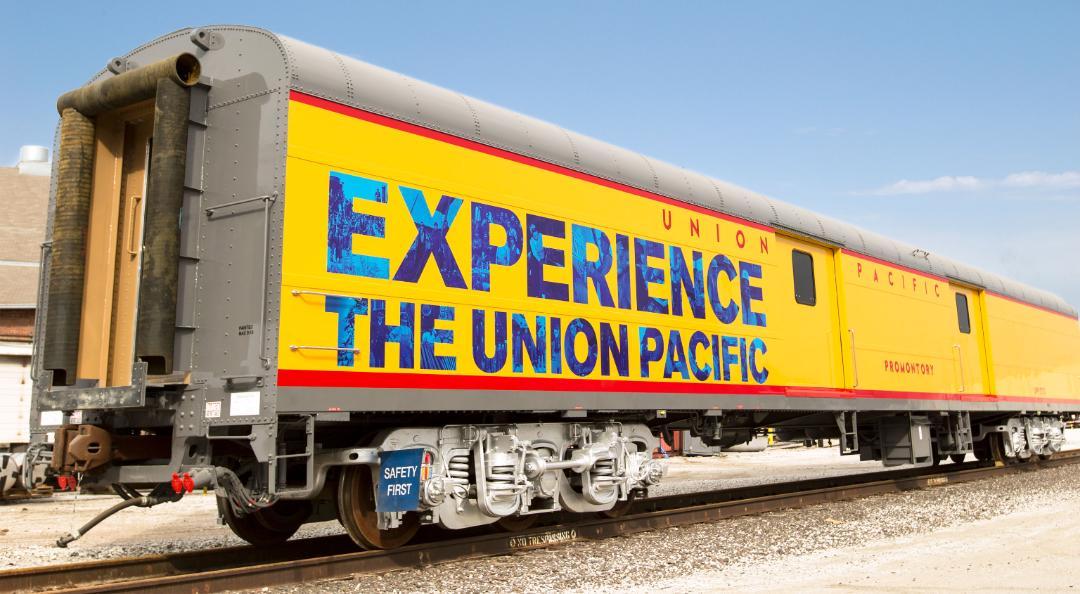
There’s no denying big steam’s ability to captivate the public: Just look at the throngs who have come out to gawk at the Big Boy and then toured the Experience the Union Pacific exhibit car. There’s also no denying that the Class I systems – which are making record profits – can afford to organize, outfit, and dispatch a steam train that shows off the power of railroading.
The question is can railroads afford not to take dramatic steps to burnish the industry’s image? Railroading is on the defensive. It’s time to play offense, with steam leading the way.
You can reach Bill Stephens at bybillstephens@gmail.com and follow him on LinkedIn and Twitter @bybillstephens
Share this article