




But, first, they had to develop it since there was no off-the-shelf solution.
“It’s one of those disruptive technologies that some hate and some love,” said Steve Mazur, director of government sales at Digi International.
Railroads must install PTC on tracks that carry regularly scheduled passenger trains or transport toxic-by-inhalation (TIH) materials. While the idea behind PTC is a simple one — help avert collisions — the execution is incredibly complex, which led Congress to vote in 2015 to extend the deadline for implementing PTC.
“Ten years was a very short period of time when you think through the task and really think through the planning and execution stage to get all this done, which is why it’s been extended,” said Jim McKenney, technical director at NCC Group’s Transportation Assurance Practice.
“We have to do this and keep trains moving and keep our bottom line in order,” McKenney said. “So, yes, it’s a very challenging task. But, when you think of the railroads. They’ve got that frontier spirit where, directionally, they’re going to figure out how to get there. Just give us some time.”
There is no standard timeframe for how long procuring technology should take. For many companies, the multi-stage process includes assessing the need, pricing options and negotiating contracts with suppliers before any system is even implemented.
But, PTC had the added layer of federal oversight.
“Part of the challenges of designing the system have been just to make sure that in the interest of guarding against adverse outcomes that the system is meant to solve, you don’t create other ones,” said Allan Rutter, a former administrator of the Federal Railroad Administration (FRA). “How do you make sure that this thing meets the safety operational standards that the industry and the regulators would like to have?”
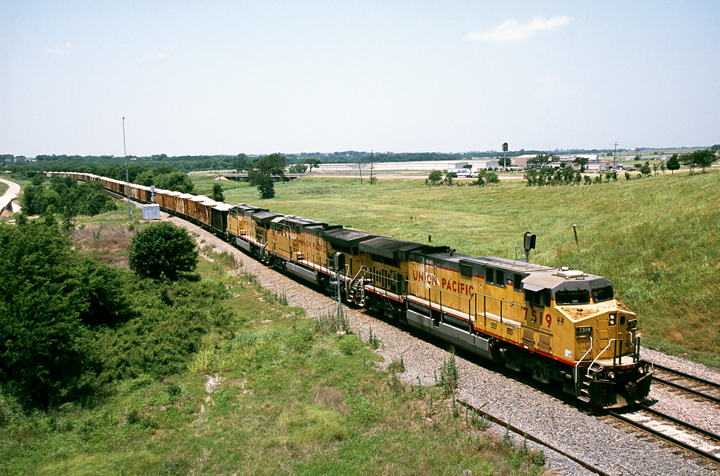
Railroads are installing PTC on 19,912 locomotives, according to the FRA. The nation’s railroads need to install PTC on nearly 57,848 route miles, numbers from the U.S. Department of Transportation (DOT) show.
“It’s a very complex piece of technology with a lot of different moving parts,” McKenney said. “It’s an unfunded mandate, a set of standards, not necessarily a way of doing things.
“When a government has an unfunded mandate, it tells you, ‘You have to do this,’ but not necessarily how to do it,” McKenney said. “Positive train control came along and really was a challenge. I think it still is a challenge. That’s why we’re continuously having to push the deadline back for compliance.”
Given the system’s complexities, it’s hardly a surprise the nation’s Class I railroads spent more than $10.6 billion installing PTC.
“PTC is a significant cost, but it should be figured into any procurement program, no different from any other safety feature railroads have already implemented,” said Michael Barasch, managing partner of Barasch McGarry, a New York-based law firm. In the long run, PTC “will actually save railroads money.”
“It’s a major expense, to be sure, but the risk of liability claims from a crash in which dozens and even hundreds of people are seriously injured or killed is significantly higher,” Barasch said. “From an economic point of view, it makes sense to spend the money now and make the switch. From a moral standpoint, railroads have a responsibility to protect passengers and bystanders from harm. The technology exists to do this, so it’s imperative that they do so.”
There are four different PTC solutions, Mazur said. Even as PTC is more or less up and running, railroads could move away from PTC systems that use wireless radio to systems that operate via cellular networks, Mazur added.
“What Congress asked us to do is make every locomotive work on every piece of track in the United States that has either passenger or TIH traveling along it,” McKenney said. “If you take a step back and think about that, that is just a monumental task — even if it’s been done before. But, it had never been done before.”