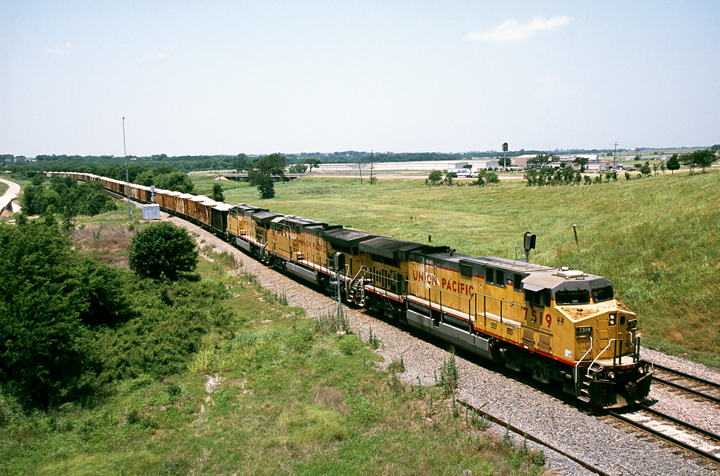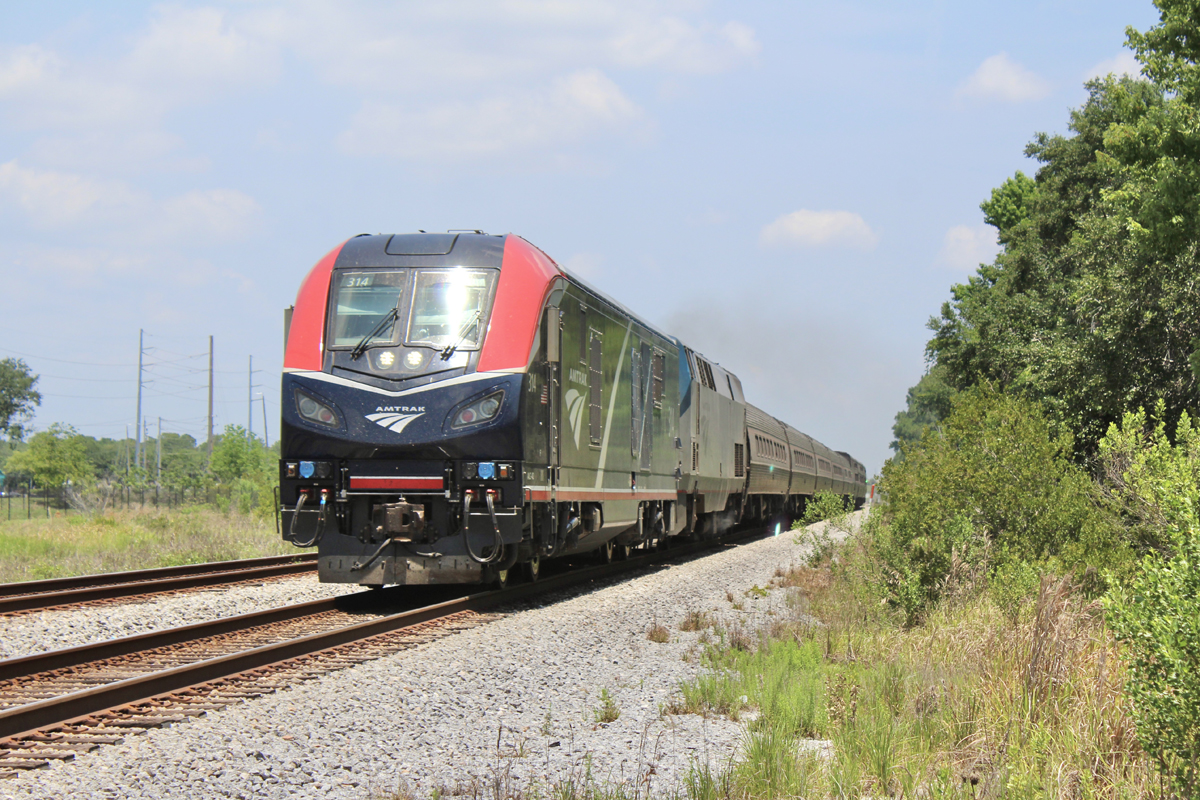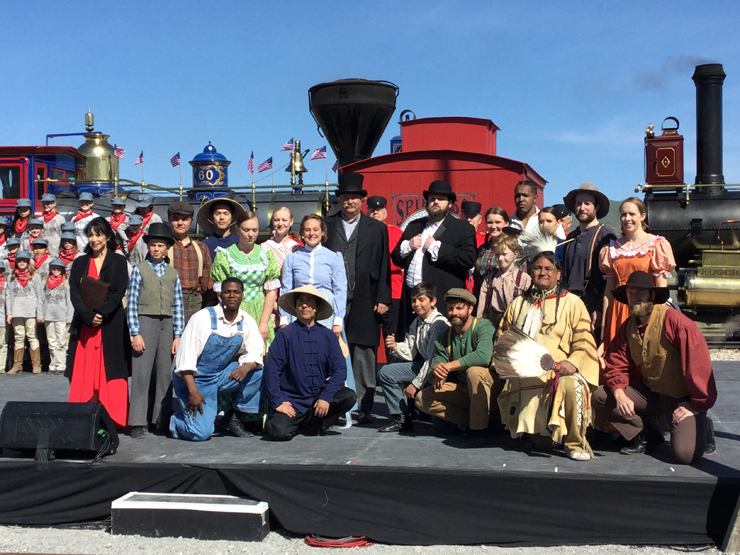
Not only did the May 10, 2019, celebrations in Promontory, Utah, and echoes of it throughout the country, commemorate joining of the East and the West, it was a chance to enjoy what we love most about railroads and railroading: history, mechanical wonderment, scenic vistas, colorful characters — and being in the same places as thousands of other people who feel the same.
If you were there in Utah on May 10, you know what we mean. (The appearance of a rare, large operating steam locomotive helped too.)
The railroad that generated riches for some and the opportunity to seek riches for others, bound a country together after the Civil War. But during this more reflective time in U.S. history, we’re beginning to add lost lives and livelihoods for millions of indigenous people and their descendants and the exploitation of thousands of laborers as part of the costs of making the Transcontinental Railroad.
These covered faults don’t take away from massive engineering feats in tunnel or bridge work or the sheer muscle power and determination of Central Pacific’s track gang laying 10 miles of track in one day.
Instead, 150 years after the fact, we’ve begun to see and understand how massive an impact the Transcontinental Railroad had on the destiny of North America and all people who would live here. It’s even greater than many of us realized.