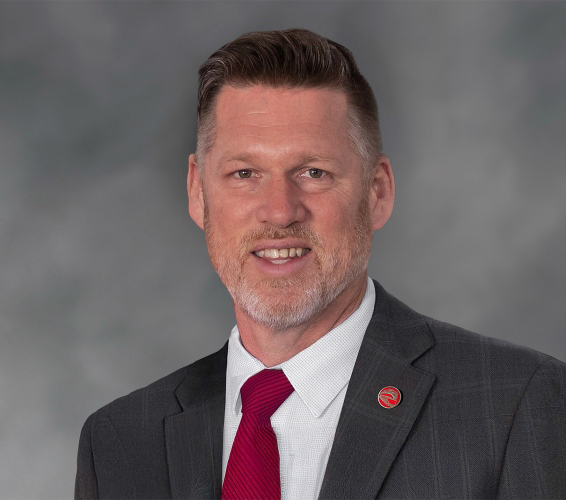
NS CEO Jim Squires has said his railroad is taking a balanced approach to PSR, one that collaborates with customers and maintains a focus on growth while simultaneously cutting costs and becoming more efficient.
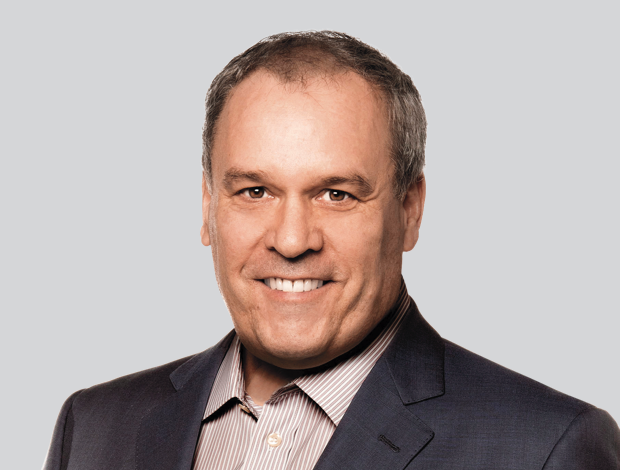
Mongeau mastered just this sort of approach while leading CN from 2010 until he stepped down for health reasons in the middle of 2016.
Mongeau built on the ultra-efficient railway foundation of his predecessor, E. Hunter Harrison. CN’s move beyond PSR was called Operational and Service Excellence, which to this day focuses on efficient operations while forming close partnerships with shippers. CN constantly talks with customers, burrows into their supply chains, and looks beyond where its tracks end. CN views itself as a supply chain partner, not just a railroad.
Mongeau’s results at CN speak for themselves.
From 2010 through 2015, CN led the industry with 17% traffic growth, a figure that was more than double the industry average. Over the same period, CN’s revenue shot up 52%, again more than double the industry average. And CN maintained its efficiency, pushing its operating ratio to 58.2% in 2015, down from 67.3% in 2009.
“An ecosystem of collaboration,” is the way Mongeau described his supply chain approach in a 2016 interview with Trains.
The goal is to build trust while improving service and efficiency for railway and customer alike. “It’s the gift that keeps on giving … It leads, eventually, to ideas you didn’t know were possible,” he said at the time.
Mongeau also mended fences with shippers, who were upset with the disruption and pace of change under Harrison, who brought his PSR model to CN as part of its 1998 acquisition of the Illinois Central.
Norfolk Southern has sought to avoid disruption, partly because Harrison’s rapid-fire changes at CSX Transportation has put railroads under increased regulatory scrutiny and partly because it wants to gain volume during its PSR transition.
NS has collaborated closely with shippers on operational changes, particularly merchandise customers who were involved in the clean-sheeting effort that redesigned local service and terminal operations. It also pulled off major changes to its operating plan this summer without so much as a hiccup in its key performance measures.
But NS has not made many friends with its more restrictive demurrage and accessorial charges, which it says are designed to move railcars faster. The charges, however, are railroading’s version of airline baggage fees and are about as popular. Shippers have sharply criticized the policies, which they view as an unfair revenue grab. And federal regulators are evaluating their fairness and effectiveness.
Mongeau’s experience navigating these sort of issues can only help NS as it follows CN’s lead.
Supply-chain collaboration requires a change in mindset and culture. Yet it’s a not-so-secret sauce that every railroad can whip up.
“It’s about a culture of embracing change, it’s about a culture of driving fundamental process innovation, and intense focus on execution,” Mongeau told Trains in 2016. “It’s no secret but it’s not easy to do.”
No doubt NS will find the job easier with Mongeau on its board.