WASHINGTON — Although Amtrak is in a holding pattern while state stay-at-home orders have decimated ridership and revenue, management is actively studying possible service changes when conditions improve.
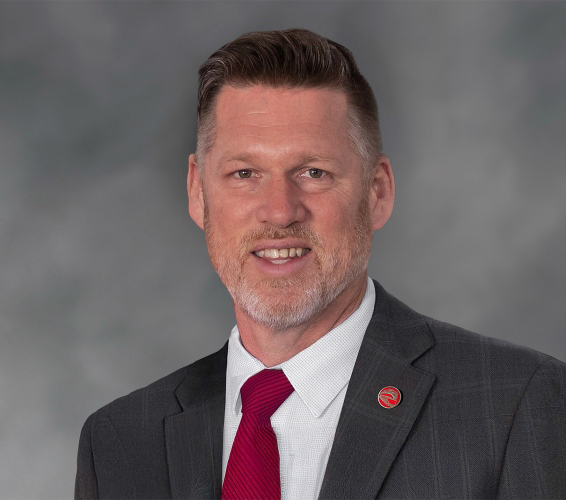
That’s the message Thursday from Board Chairman Tony Coscia, new President and CEO Bill Flynn, and Stephen Gardner, executive vice president and chief operating and commercial officer, in a conference call with reports.
Coscia pointed out that Flynn didn’t wait for his official start date of April 15 to assume his new role but jumped on board in early March as the COVID-19 pandemic began to unfold, and “essentially eliminated his compensation for the time being … in order to make a contribution to the company’s overall efforts to significantly reduce senior executive compensation.”
Flynn says Amtrak will continue to execute major capital projects such as its next-general Acela 21 trains, and is working with Congress and the Trump Administration on the Fiscal 2021 appropriation and potential infrastructure funding plans.
He also revealed the company is “conducting a fair amount of research to determine what recovery will look like,” developing multiple service plans that will be shaped by “surveys of customer sentiment,” and that Amtrak intends to “introduce product ahead of demand.”
Preliminary results show that it will be about three months or more before people expect to travel as they did before the downturn began. Flynn says, “We have to demonstrate to our customers that we have an attractive product that they will value when they come back.”
Gardner emphasized that Amtrak wants to “accelerate the process of seeking ways to connect better with customers throughout their journey.” This includes new ticketing kiosks, text messaging informing passengers where to head when they arrive at stations, and the ability to pre-order food from cafe cars. “We want to give customers a greater level of confidence about their journey when they are ready to come back,” Gardner says.
Asked whether Amtrak labor unions had agreed to delay or forego already-negotiated wage increases in an attempt to avoid furloughs, Flynn said, “So far, nobody has taken us up on that, but we continue to work with union leadership so they understand where we are in this crisis and how we are going to move forward.”
In response to a follow-up email, Amtrak spokesman Marc Magliari tells Trains News Wire that 58% of onboard service employees are on an extra board which guarantees them 150 hours per month of work. Regularly assigned employees are guaranteed a 180-hour month, so the pay reduction works out to about 16%.
“Engineers and conductors have a 40-hour-a-week guarantee, but many of them previously worked assignments that included overtime, which has been reduced,” says Magliari.
Asked about removal of downloadable schedules from Amtrak’s website because virtually all previously issued documents are now inaccurate, spokeswoman Christina Leeds explained that existing schedules are available only by origin and destination when accessed by date through the “schedules” link in the booking system. “We will add the (downloadable) schedules back when we start to restore service,” she says.