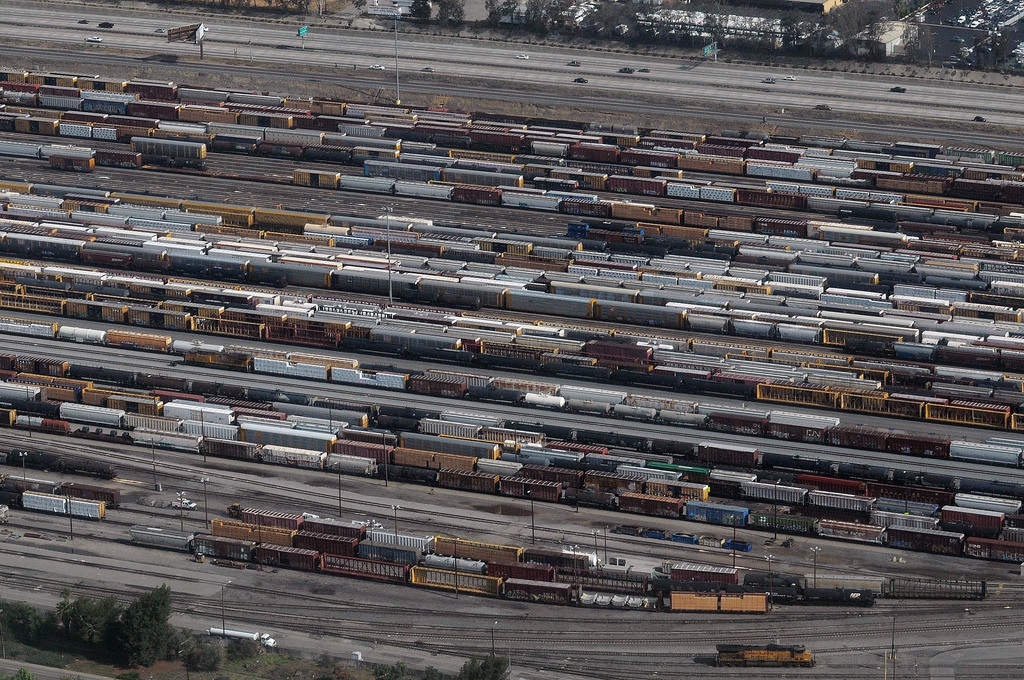
Railroads have increasingly turned to the charges as a way to encourage shippers to more quickly load and unload cars, as well as to penalize behavior that makes the rail system less efficient, such as ordering a car and releasing it empty or making late changes to unit train schedules.
Union Pacific and Norfolk Southern, which are implementing operating plans based on the principles of Precision Scheduled Railroading, in January will adopt a range of new policies and charges designed to make their operations more efficient.
Surface Transportation Board Chairman Ann Begeman asked UP and NS in November 2018 to show how the new demurrage and accessorial charges are fair and whether they permit customers to receive credits when the railroads are to blame for service failures.
This week, in letters to all seven Class I railroad CEOs, Begeman cast a wide net requesting information about the industry’s demurrage and accessorial charges.
“I would like to better understand the revenues that such charges generate for each Class I carrier,” Begeman wrote.
The railroads must provide the STB with quarterly revenue data for demurrage and accessorial charges for 2018 by Jan. 21. The same data for 2019 must be submitted to the STB within 15 days of the end of a quarter.
CSX Transportation adopted Precision Scheduled Railroading in March 2017 upon E. Hunter Harrison’s arrival as chief executive. In the first quarter of 2018, the railroad’s “other revenue” category – which includes demurrage and accessorial fees – nearly doubled, to $145 million, and represented 5 percent of total revenue.
Railroads have defended the charges, saying that faster loading and unloading of freight cars can reduce congestion and improve service because the number of cars online decreases, freeing up space in yards.
They also say that customers receive credits when a railroad’s own service failure would otherwise result in demurrage penalties from cars spending more time at a customer’s facility or in a local serving yard.
To read the letters, go to www.stb.gov.