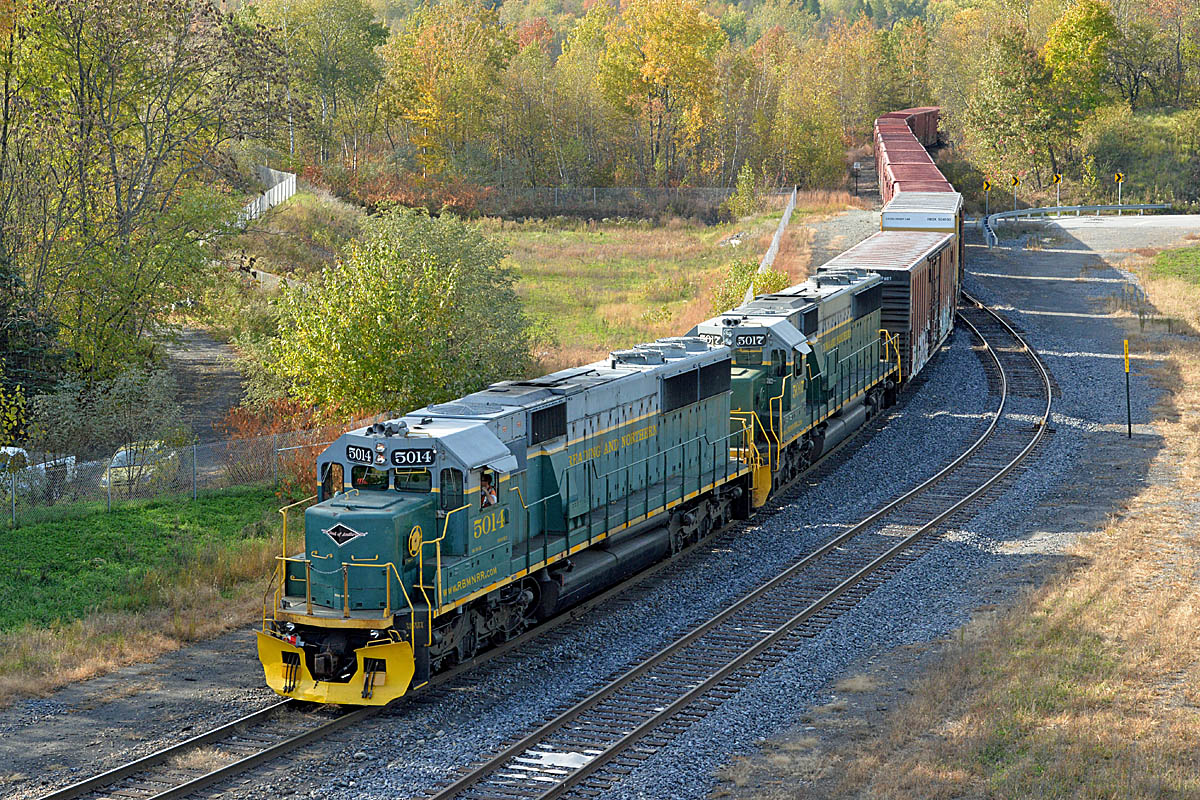
Now RBM&N, which also owns the Lehigh Gorge Scenic Railway tourist train operation, has equipped its first locomotives with event recorders: a pair of EMD SD50s. Equipping the two locomotives cost $12,000 each, according to Andy Muller, the railroad’s CEO. Muller says the railroad is still deciding which of the other 40 locomotives it owns will be equipped with event recorders. The recorders will be installed as shop crew time permits.
According to the federal regulations, event recorders must record train speed, selected direction of motion, time, distance, throttle position, and the applications and operations of the automatic and independent brakes. If a locomotive is equipped with cab signals, the recorders must also record the application and operation of the dynamic brakes and cab signal aspects. The recorders must document the last 48 hours of a locomotive’s operation.
Another tourist railroad that uses event recorders is the Adirondack Scenic Railway in upstate New York. According to Bill Branson, president of the board of the Adirondack Railway Preservation Society that operates the line, it has event recorders on all of its locomotives except for two switchers in yard service. Branson says the railroad purchased its first event recorder-equipped locomotives in Canada. It also has alerters that were added to several units a few years ago. The alerter sounds a warning after a period of inactivity by the engineer. If the engineer fails to respond to the alerter warning tone within 15 seconds, the system applies the brakes and stops the train.
Shop crews download data from the recorders using a laptop computer each time a locomotive comes in for federally mandated 92-day inspections, Houghton says.
The railroad uses that data to study train operations, checking for issues such as engineers exceeding maximum continuous traction motor current ratings on older DC units. “We can catch an engineer not being nice to the locomotive and nip those things in the bud,” he says. The recorders have also helped the railroad conserve fuel. If an incident does happen, the railroad can download the recorders to determine if operational factors contributed.
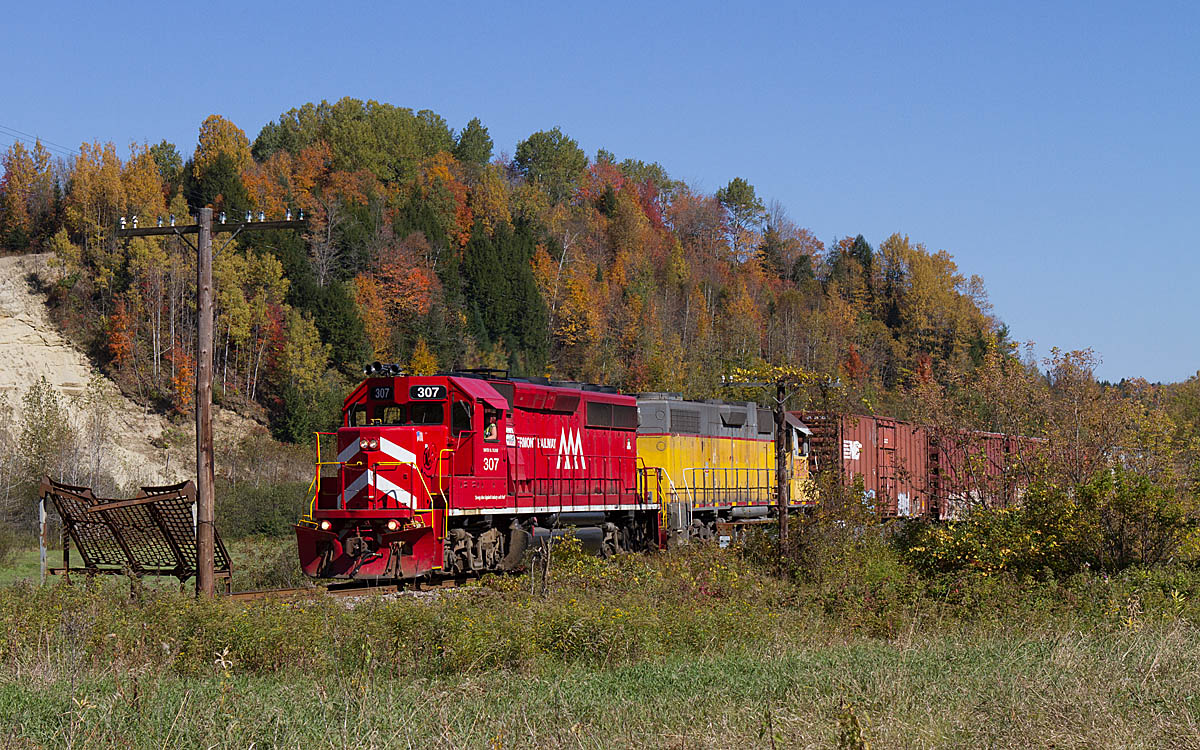
Houghton says the recorders have been quite reliable, with many of them being in service for 17 to 18 years. Track speeds on the Vermont Railway vary from 10 and 15 mph for freight and passenger trains up to 40 mph for freight and 59 mph for passenger trains, making the recorders a necessity.