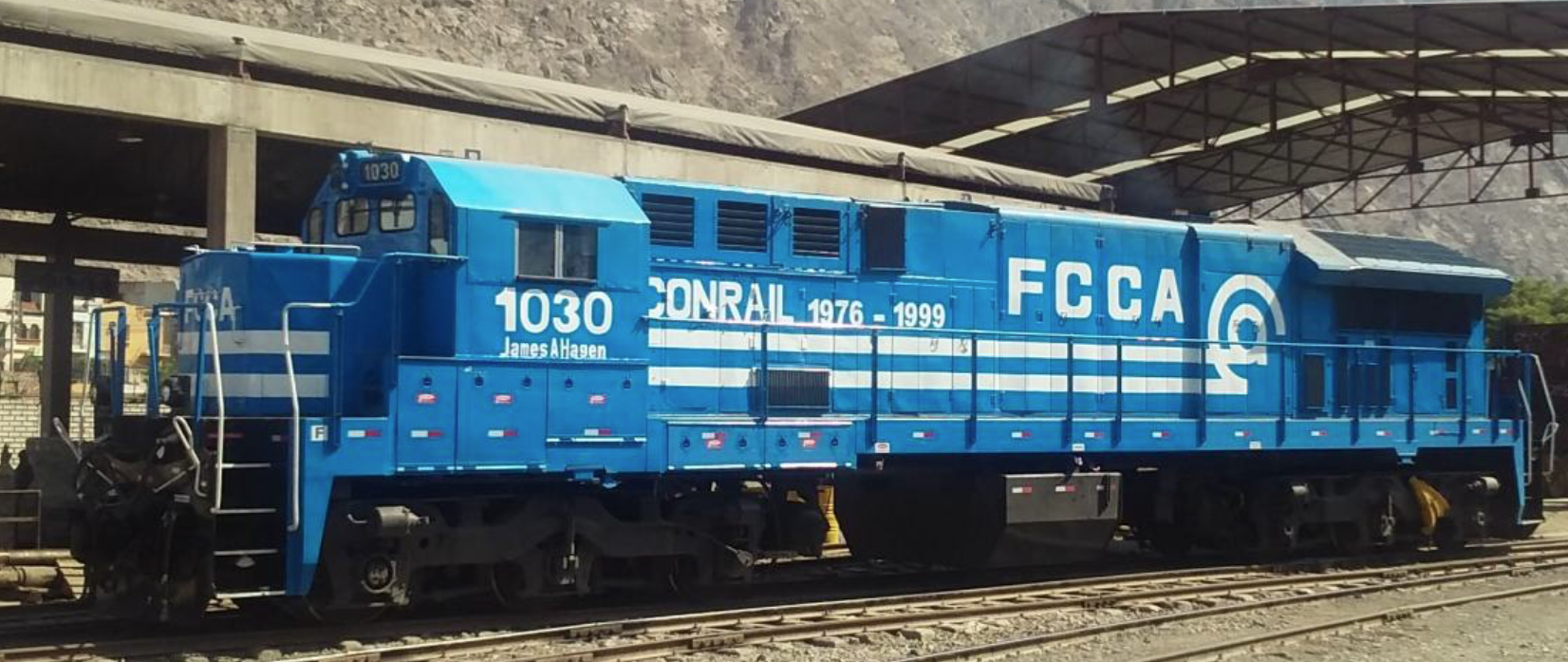
The bankruptcy of the ill-fated Penn Central in 1970 started the dominoes toppling, and the 1972 Tropical Storm Agnes flooding was the final blow for the Reading, Jersey Central, Lehigh & Hudson River and Lehigh Valley, while the Michigan-based Ann Arbor went bust in 1973. The new company had over 40,678 track miles and more than 94,000 employees when it started.
On day one, there were hundreds of miles of weedy, 10 mile-per-hour track, balky signal systems, ancient locomotives, bad order freight cars by the score, and yet, Congress expected this all to become profitable in short order. But even with millions of dollars of taxpayer funds, Conrail bled money. Not until the enactment of the Staggers Act in 1980, which allowed the railroads nationwide to recover their actual costs and abandon unprofitable lines, did Conrail have a chance to turn itself around.
In 1981, Conrail President L. Stanley Crane got rid of 4,400 miles of track that carried just one percent of Conrail’s traffic. The company got out of commuter train operations, always a drain on profits, by turning many commuter-heavy branches over to public transit agencies such as Boston’s Massachusetts Bay Transportation Authority, New York City’s Metro-North and Philadelphia’s Southeast Pennsylvania Transportation Authority. It finally began to turn a profit.
The government privatized Conrail in 1986, and in 1987, it offered itself in the largest initial public offering ever of $1.65 billion. By 1998, the company was down to 21,000 track and 19,600 employees. Just 10 years later, CSX and NS came calling, and on June 1, 1999, the two split up Conrail and it was all over.
About 1,200 miles of Conrail continues today, as Conrail Shared Assets, operating as a terminal railroad in New Jersey and Philadelphia, as well in the Detroit area.