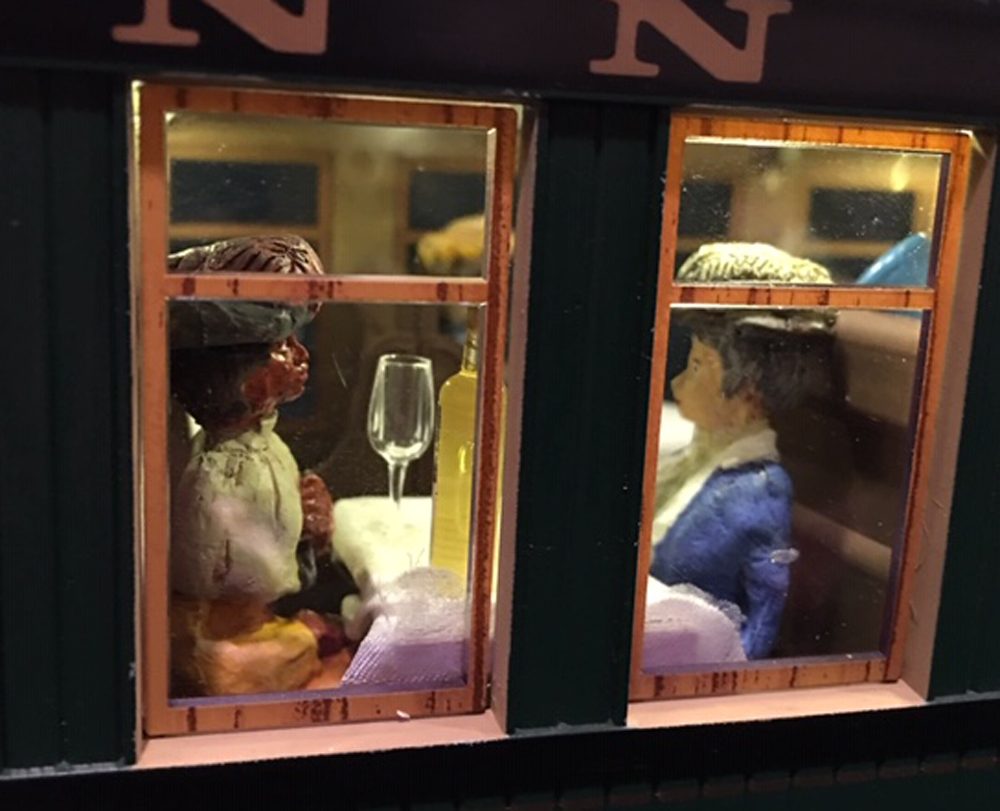

Convert a large-scale LGB passenger car into a dining car

Model figures in a dining car

By Frederic Williams Rohm and Brian Michelson I grew up in central Pennsylvania where my family had been long-time residents. My garden railroad is based on the Pennsylvania Railroad circa 1900; my grandfather and uncles worked on the PRR. The premier Pennsy passenger train of this era was the Pennsylvania Limited, which began making the […]

Read More…

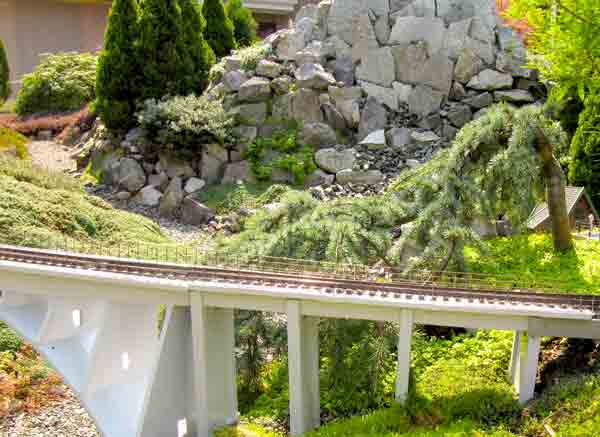
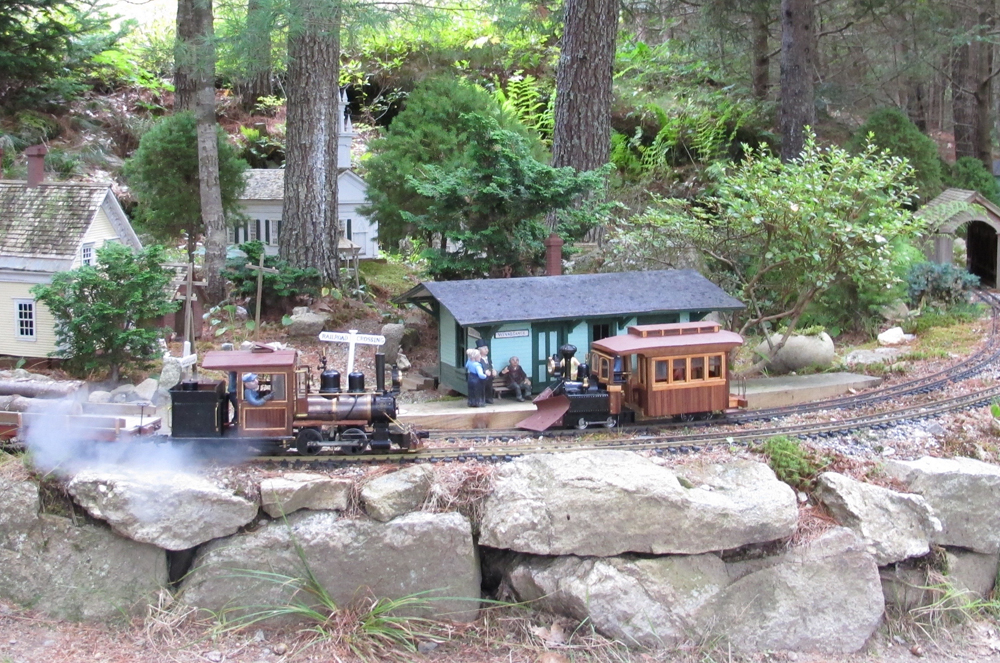
Weeping Norway spruce

A spruce on a garden railroad

Common name: Weeping Norway spruce 
Latin name: Picea abies ‘Pendula’ Plant type: dwarf conifer USDA Hardiness Zones: 2-8 Cultural needs: Moist, well drained, slightly acidic soil; sun to part shade Plant height: 18″ if prostrate; 10-12′ if staked Dark, evergreen needles on drooping soft branches make weeping Norway spruce an attractive specimen tree. Garden railroaders […]

Read More…

Selling a house with a garden railway: Help or hindrance?

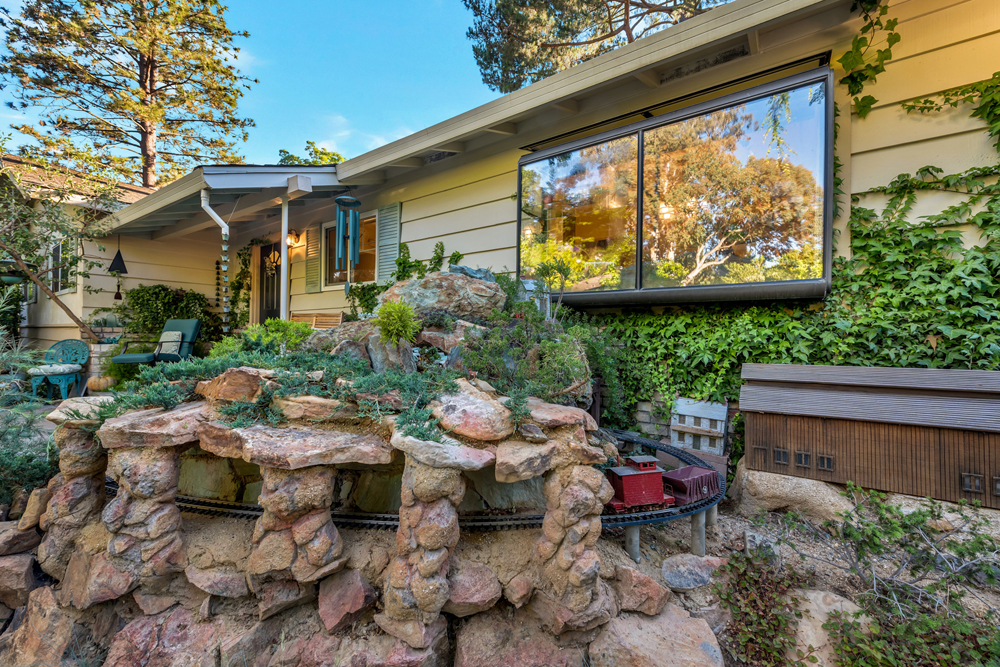
Front of house with part of garden railway

When I built my outdoor railway – on three sides of my house – I never intended to sell it. I thought I’d be teetering behind a walker at 90, running my live-steam engines over rails I had built to last a lifetime. I like building strong, “permanent” track, which gives me a feeling of […]

Read More…

Dwarf crape myrtle

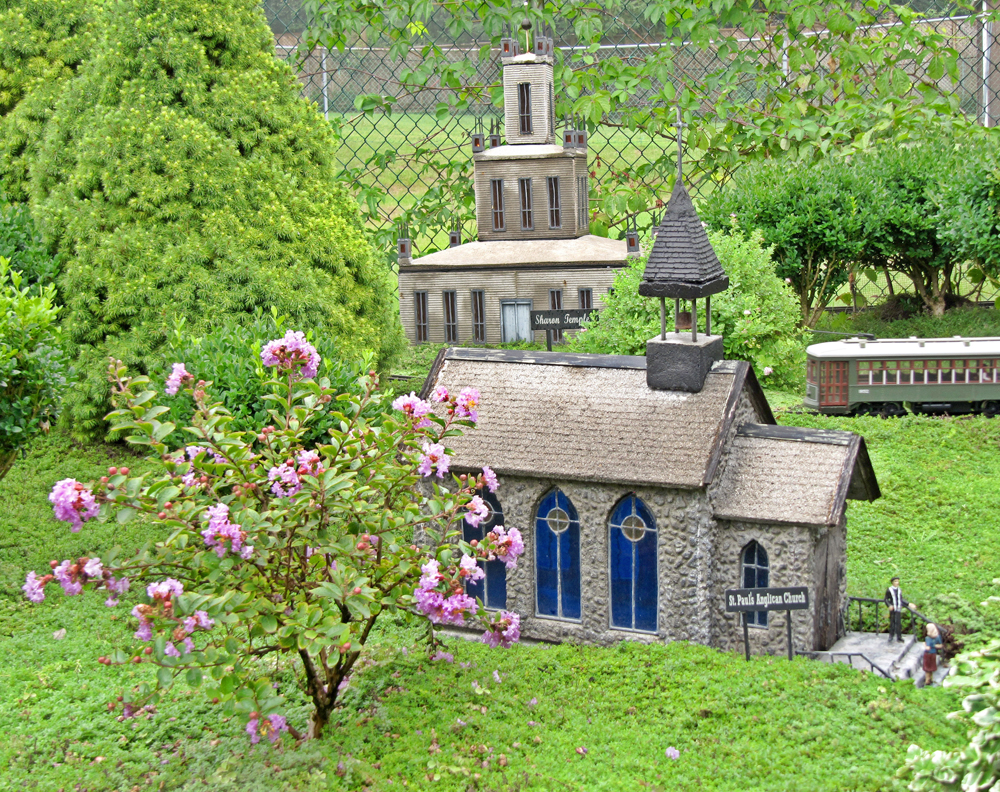
Miniature tree next to a model church

Common name: Dwarf crape myrtle 

Latin name: Lagerstroemia indica ‘Violet Filli’ (Filigree series) Plant size: 6-24″, depending on the miniature variety Plant type: Shrubs and small trees USDA Hardiness Zones: 4-11 (or grown as an annual) Cultural needs: Well-drained, slightly acidic to acidic soil, full sun The miniature crape myrtle in the photo, one of […]

Read More…

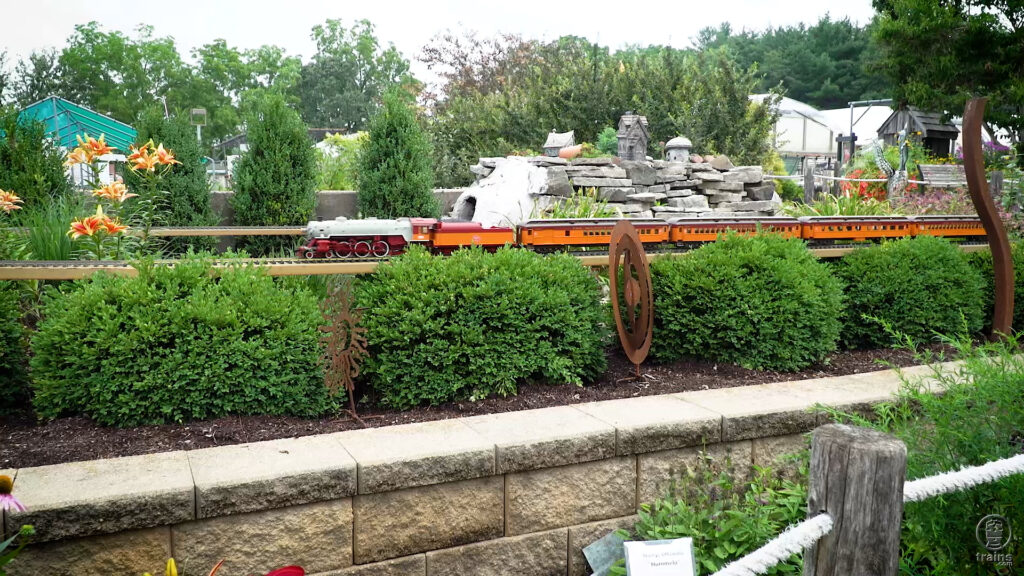
Visit the Burlington Garden Center’s garden railroad

Scenic garden railway

Garden center owner Walt Uebele had an idea—build a garden railway to keep the husbands and kids entertained while the wives shopped. Little did he know that folks of all ages would love watching the trains run. Watch an interview conducted by Production Editor Rene Schweitzer about the railway and its beginnings, only on Trains.com! […]

Read More…