
6 simple scenery tips for toy train layouts
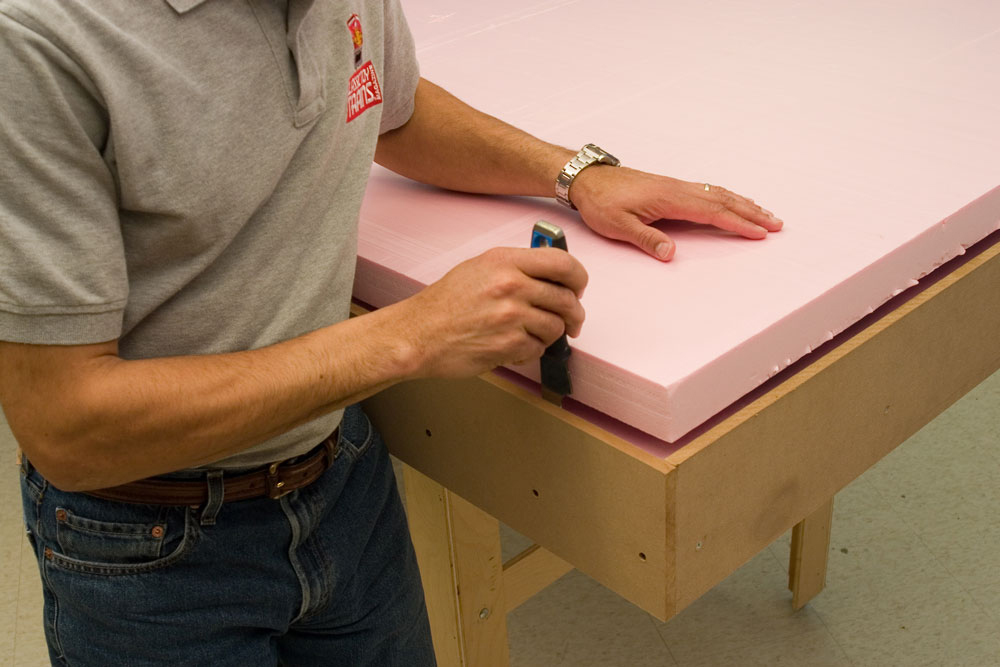
Man building model railroad layout working with pink extruded foam board.

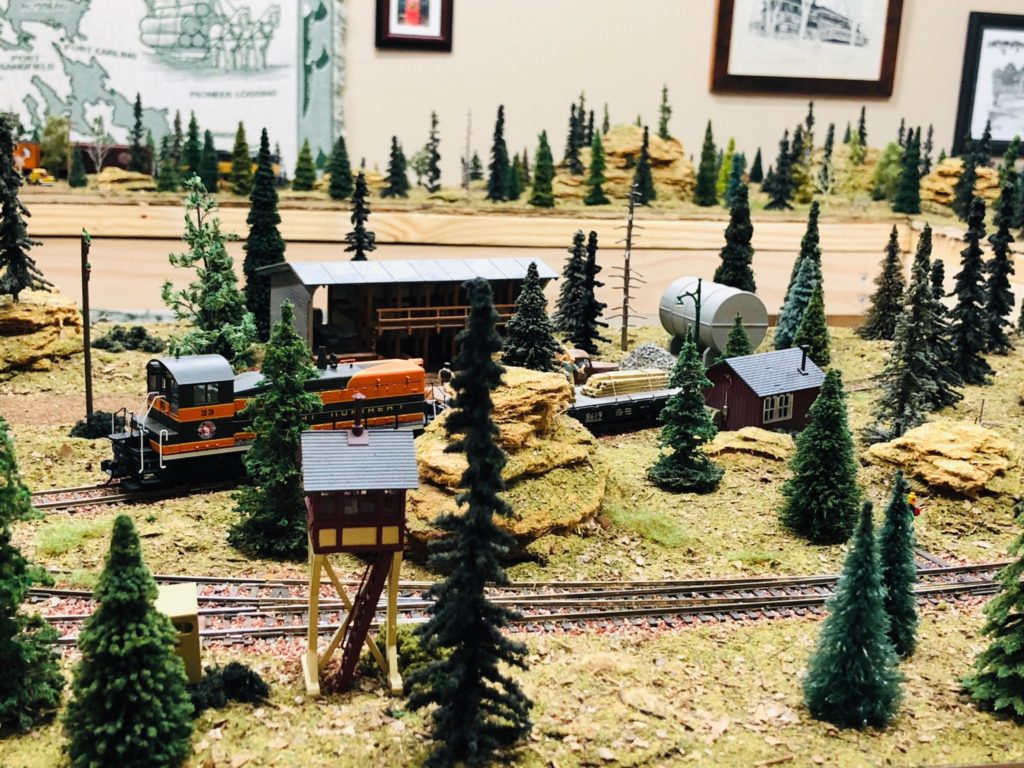
Classic Toy Trains recommends these six tried-and-true tips for simple scenery that goes beyond sparse displays of “trees” or a random tunnel and will improve nearly any toy train layout. 1. Start with foam framework A 4 x 8-foot sheet of 2- or 3-inch-thick pink or blue extruded foam insulation board is much lighter than […]

Read More…

Glues and adhesives for garden railroads

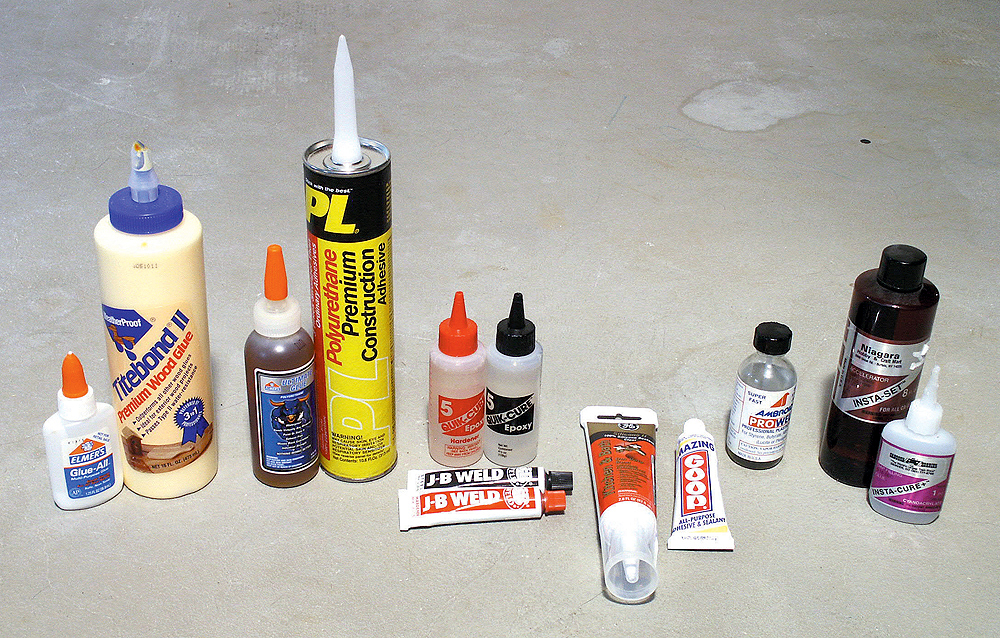
Several bottles and tubes showing the various adhesives described in the article.

Glues and adhesives are among the first things you need when building a model — to hold it together! There are lots of adhesives, and they all do specific jobs depending on the material. General-purpose adhesives White glue — This is known as a PVA (polyvinyl acetate) glue. When it dries, it’s nearly transparent. Its […]

Read More…

Basic maintenance tips for large-scale locomotives

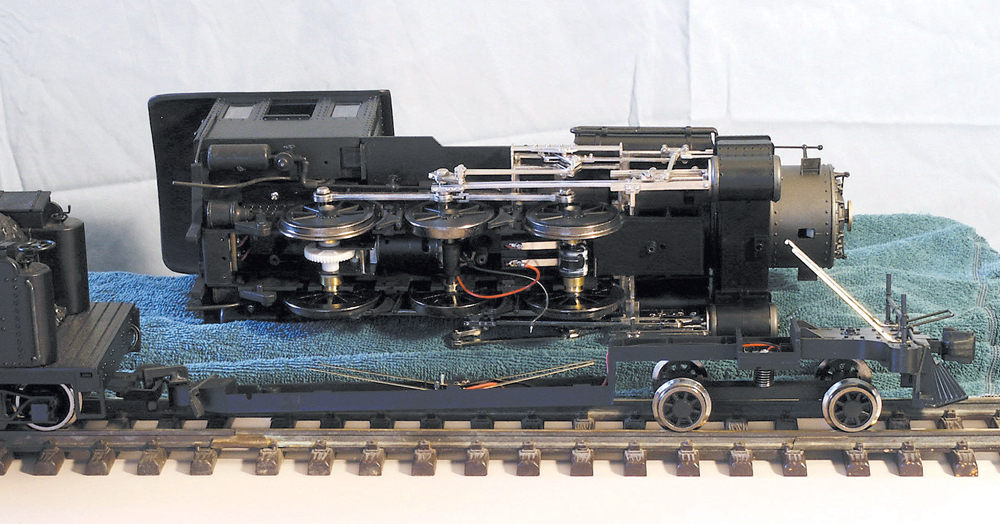
Large-scale model steam locomotive disassembled for lubrication and cleaning.

  Basic maintenance is the key to reliable operation. Here are several simple things you can do to keep your engines running: Proper lubrication is so important to reliable operation that Bachmann includes a video with many of its locomotives showing how to do it. This is no less important with other manufacturers’ locomotives. Many […]

Read More…

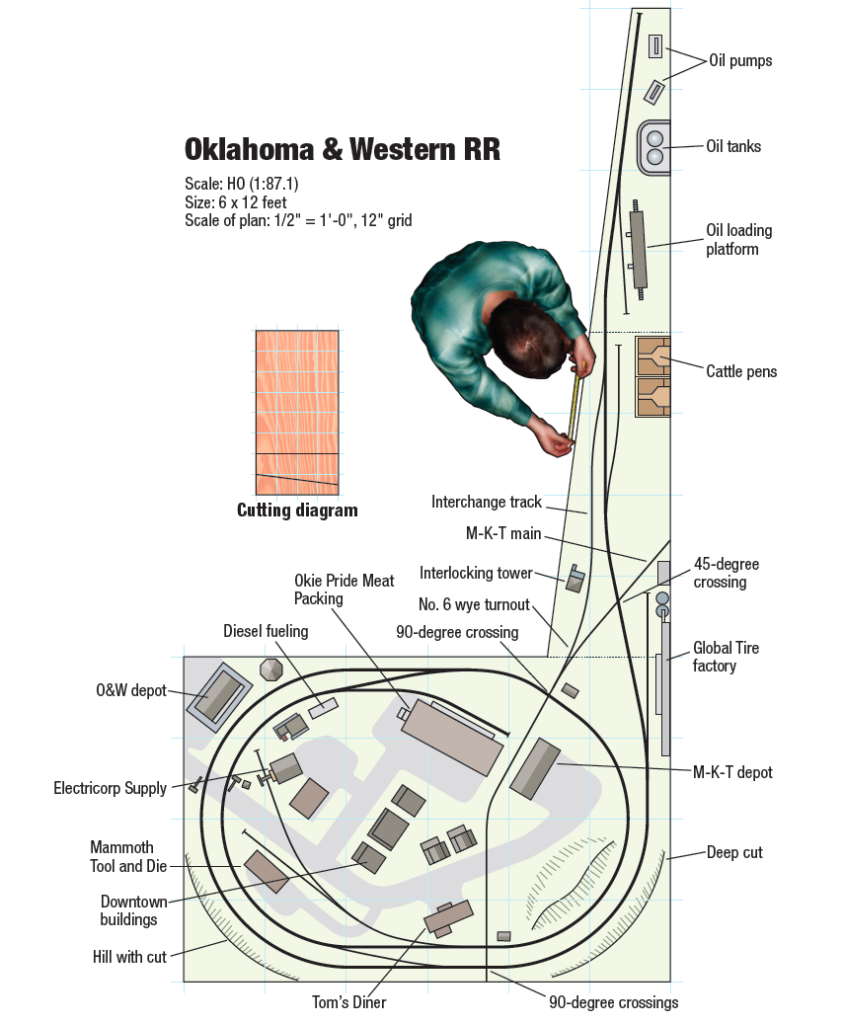
Small HO Scale layout with continuous running

A model train carrying lumber.

By: Don Chaney Operating model trains with a good deal of switching is extremely popular, but I prefer watching trains run continuously. Moving around my finished 7 x 91/2-foot layout while watching a steadily moving train is a never-ending joy for me. As I planned a layout for my 12 x 17-foot game room, my […]

Read More…

Five inexpensive garden railroad tools

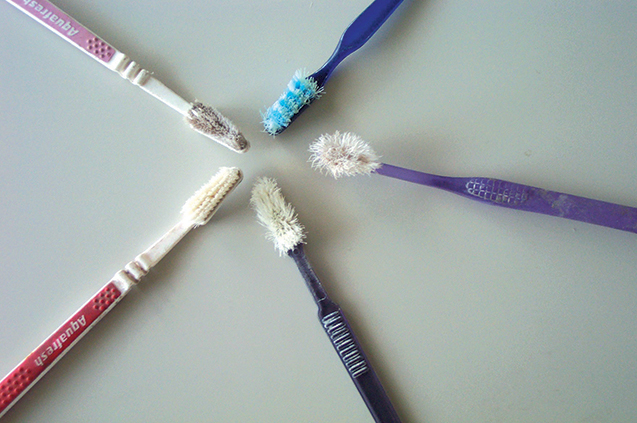
Grouping of old toothbrushes

Here are five tools for a garden railroad you can make or obtain cheaply. 1. Make a ballast broom If you do a lot of reballasting (or ballasting) on your railway, take an old 4-inch paint brush and attach the handle with screws to an extension pole about 3 feet long. This becomes a mini-broom […]

Read More…

Make quick-and-easy junked cars for toy train layouts

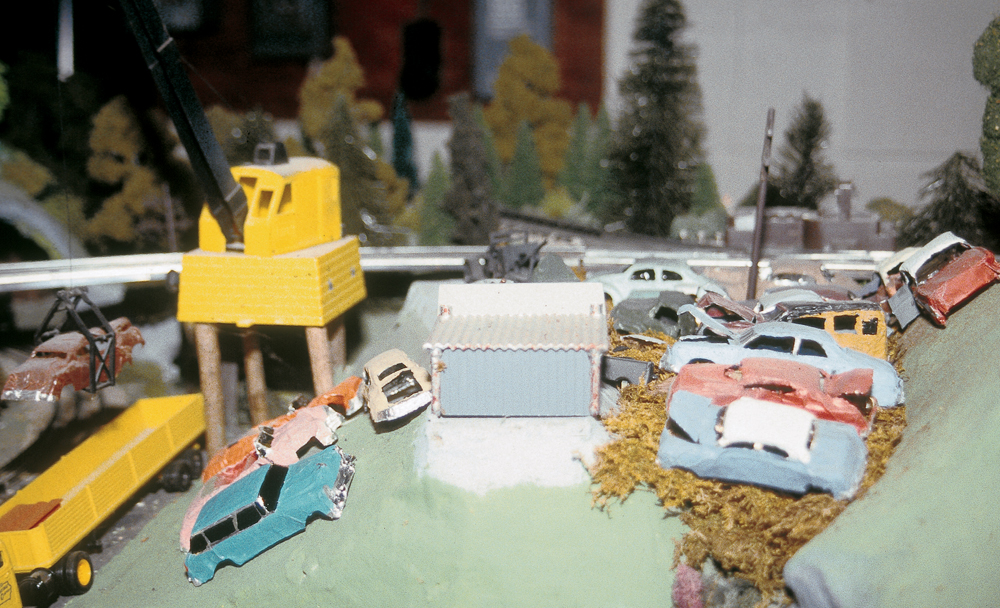
Junkyard with painted aluminum foil auto shells.

Toy train layout operators foiled by the lack of inexpensive details can you aluminum foil as the raw materials for unlimited “junked cars.” Best of all, the project won’t strain your how-to skills and will add detail to your layout. You’ll need heavy-duty foil, gloss black paint, your choice of flat colors, a hobby knife, […]

Read More…

Turnouts with troubles may benefit from these advanced tips

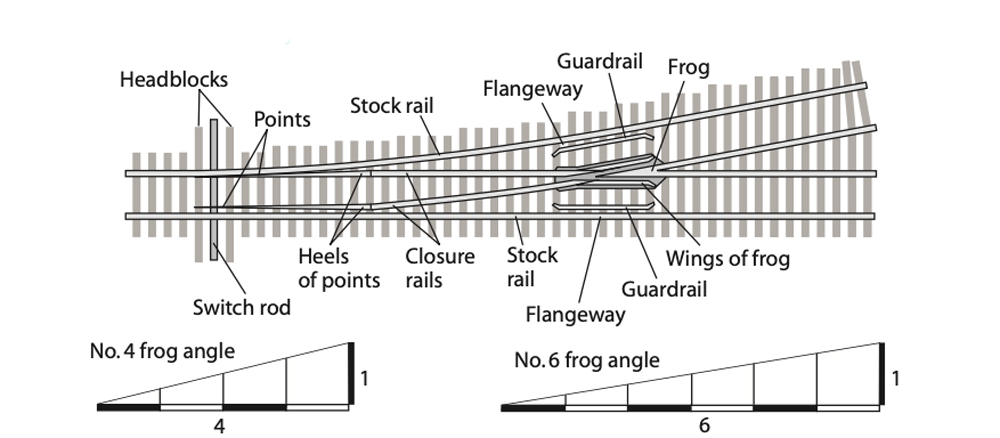
Diagram of a model railroad turnout with callouts naming the key components and showing their relative locations

Turnouts are generally reliable right out of the package. But sometimes problems arise that simple fixes can’t solve. Here are 3 advanced tips to try. 1. Fill flangeways In a perfect world, the wheel treads are wide enough, the gauge is  correct, and the flangeways are precise enough that a wheel never drops into the […]

Read More…

5 tips for weathering garden railroad trains and structures

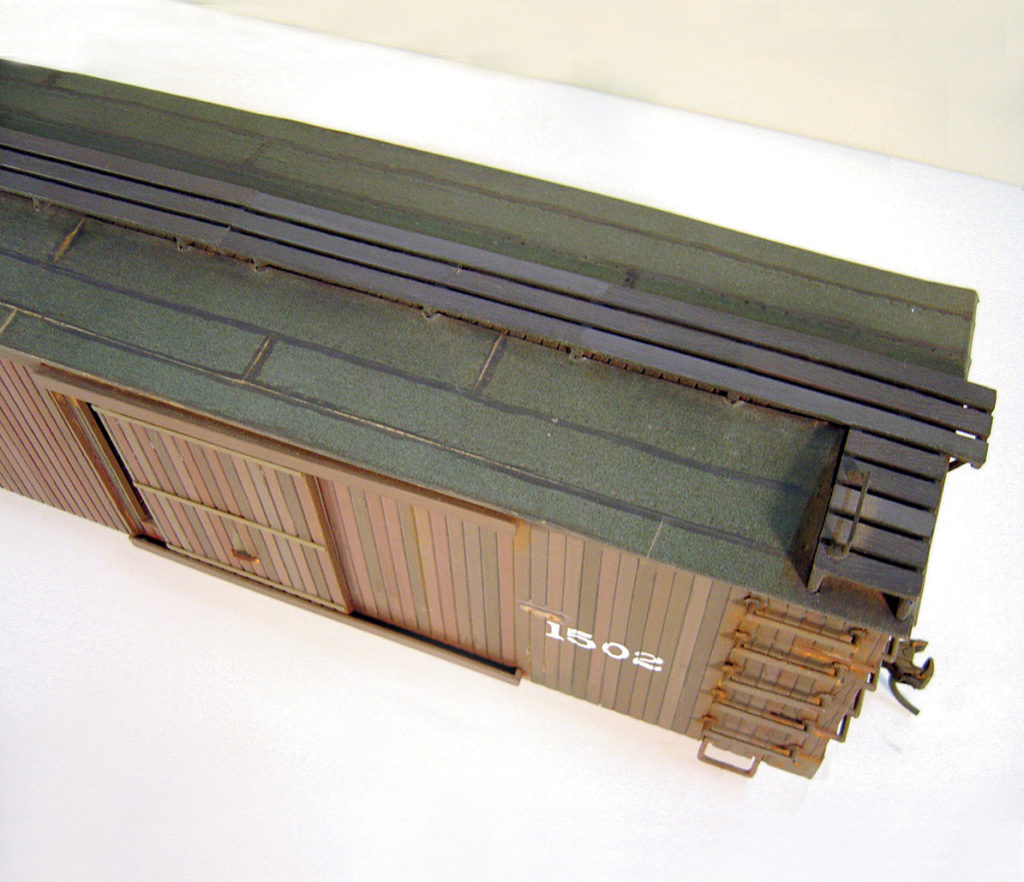
Black masking tape forms a faux tarpaper roof on this boxcar.

Weathering is one way to add realism to any garden railroad or garden railway. Weathering helps train models and rolling stock appear as though they have been exposed to elements and harsh conditions — like full-sized railroads. Here are top tips you can use. Paintbrush weathering To create a weathered finish on a passenger car […]

Read More…

A beginner’s HO scale layout from one sheet of plywood

track plan

(From the article “Three track plans for one sheet of plywood” from the August 2008 Model Railroader) HO scale model railroads are often small layouts based on 4 x 8-foot sheets of plywood, for obvious reasons. A flat tabletop is a lot easier to build than L-girder benchwork, and almost any home has room for […]

Read More…

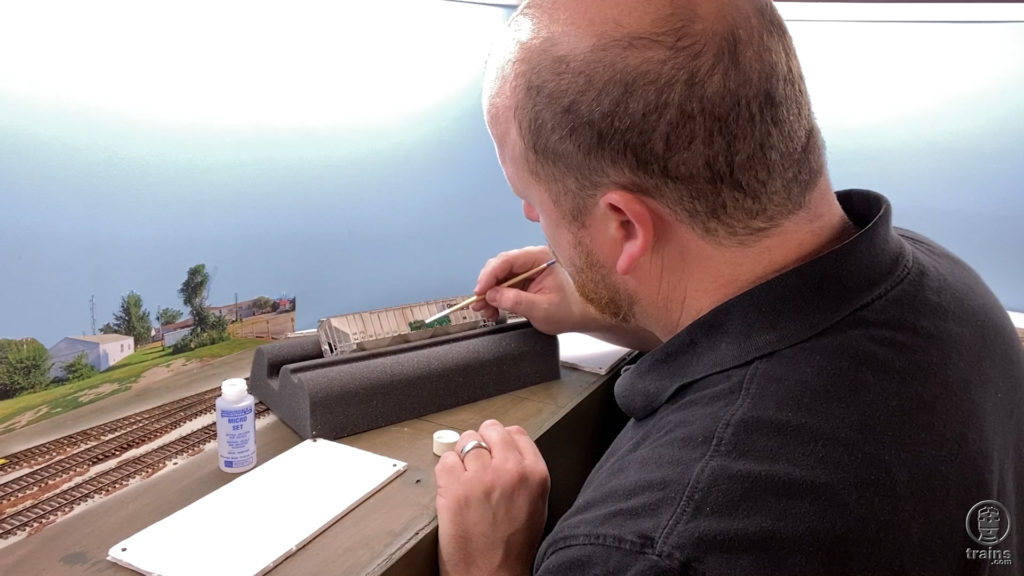
The Hills Line with James McNab: Freight Car Fixes, Episode 9

James McNab weathering an HO scale boxcar

Freight cars are the stars of James McNab’s HO scale Hills Line layout, so he’s working to get them performance ready! Discover his helpful modeling tips, tricks, and insights that you can use to keep your rolling stock in prime operating condition! […]

Read More…

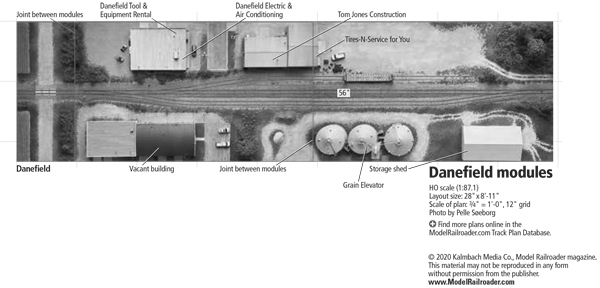
HO scale Danefield Modules

HO scale Danefield modules

The layout at a glance Name: Danefield modules Scale: HO (1:87.1) Size: 28″ x 8′-11″ Prototype: Union Pacific Locale: generic Midwest Era: modern Style: module Mainline run: none Minimum radius: none Minimum turnout: no. 7 Maximum grade: none Benchwork: laser-cut plywood modules Height: 56″ Roadbed: cork Track: handlaid codes 83, 70, and 55 Scenery: plywood […]

Read More…