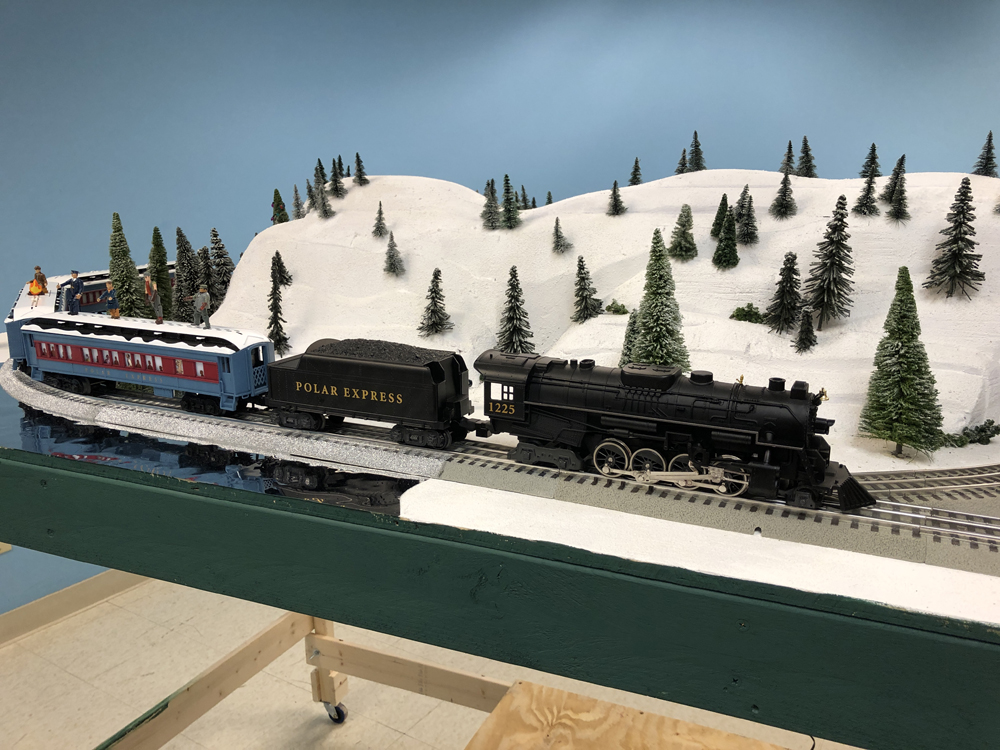
Polar Express layout tips: We at CTT had a lot of fun building our recent Polar Express layout. Despite building several project layouts over the years, I learned new techiques and ideas during the five days we spent working on this project. Perhaps one of these tips will inspire you too. Happy holidays! Polar Express […]
Read More…
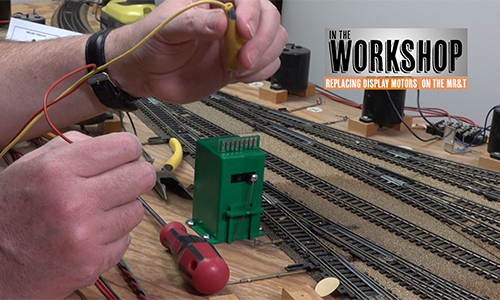
In the all-new series playing exclusively on Trains.com Video, you’ll discover scores of expert techniques and useful tools for making your model railroading efforts easy, more efficient, and even fun! To get the series started, Model Railroader magazine Editor Eric White shares his process for installing a Tortoise by Circuitron Slow Motion Switch Machine to […]
Read More…
In the all-new series playing exclusively on Trains.com Video, you’ll discover scores of expert techniques and useful tools for making your model railroading efforts easy, more efficient, and even fun! To get the series started, Model Railroader magazine Editor Eric White shares his process for installing a Tortoise by Circuitron Slow Motion Switch Machine to […]
Read More…
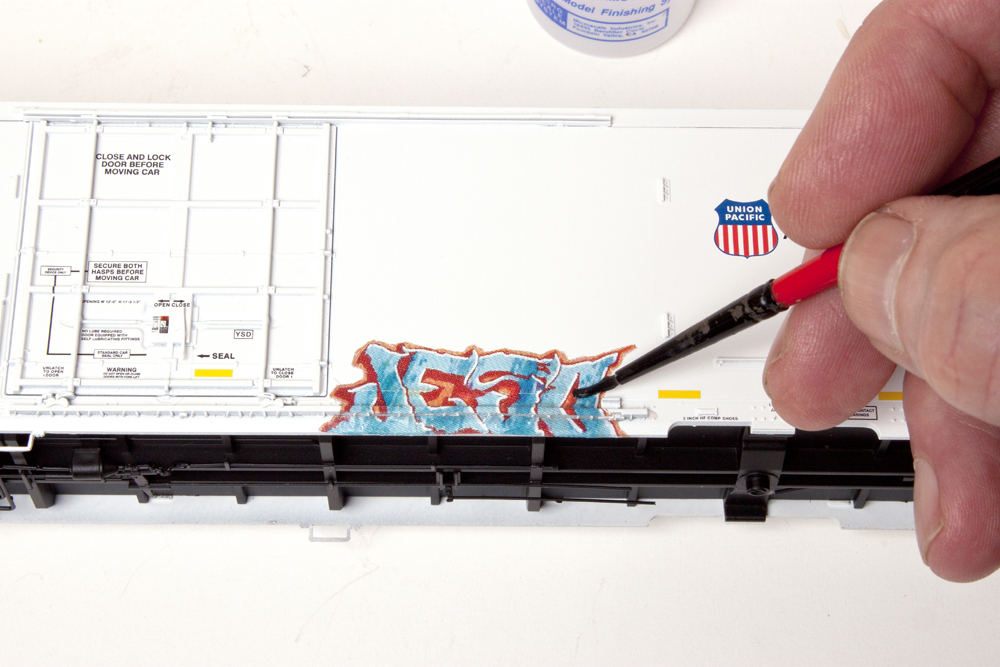
Many hobbyists strive to model freight cars accurately. Selecting the right doors, installing the correct hatch covers, and using the proper ladders and stirrup steps are just some of the things freight car enthusiasts focus on. Those re-creating earlier eras may even add chalk marks to the car sides. How to graffiti a freight car […]
Read More…
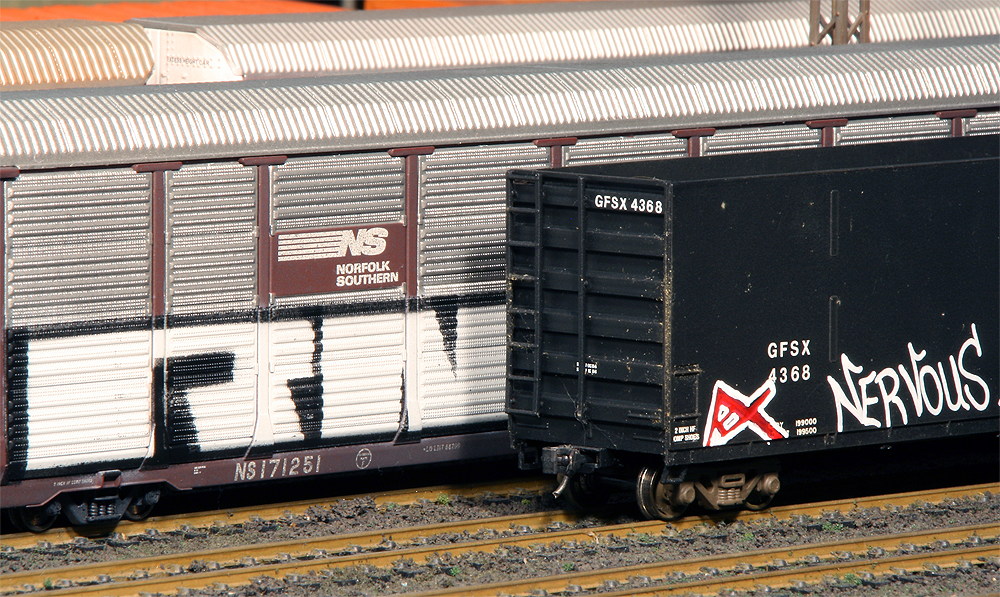
Should you include graffiti on your layout? When we set out to build our model worlds, one of the questions we end up answering is how realistic we want to be. This answer is defined by what we decide to include, and what we chose to ignore. Most of these choices will create little controversy, […]
Read More…
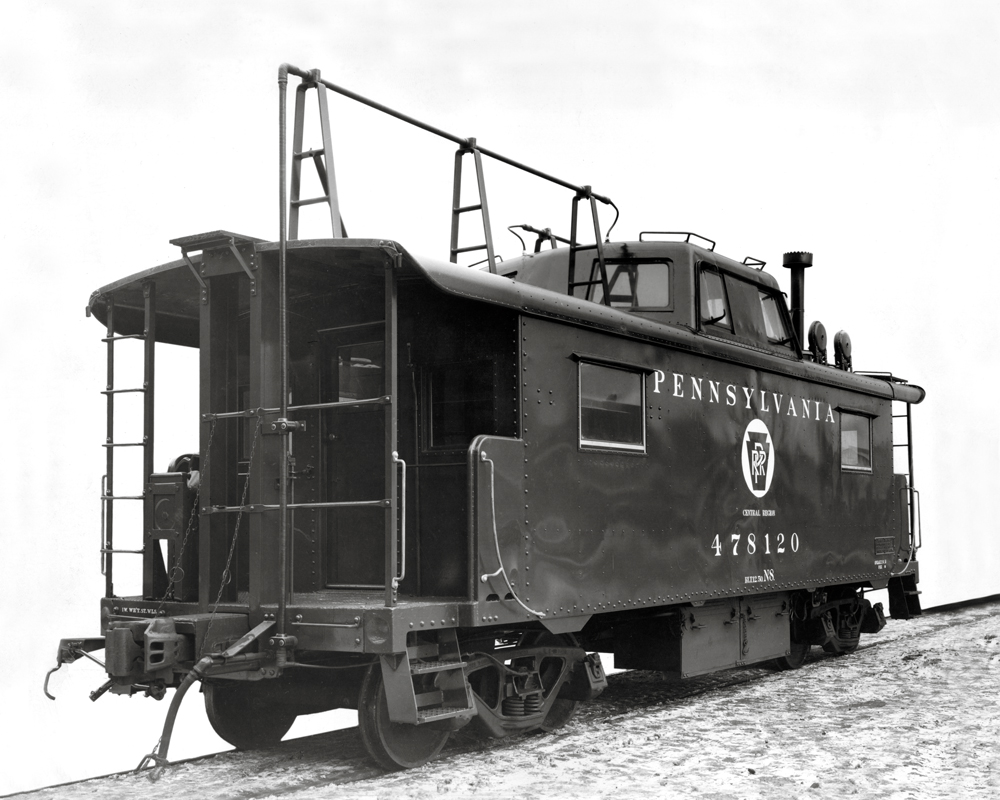
We’ll take a look at five details you can add to transition-era cabooses. Some details are railroad-specific, while others apply to many railroads. When in doubt, refer to prototype photos. The steam-to-diesel transition era, roughly 1940 to 1960, is the most popular modeling era. There are several reasons for this. Many people who model this […]
Read More…
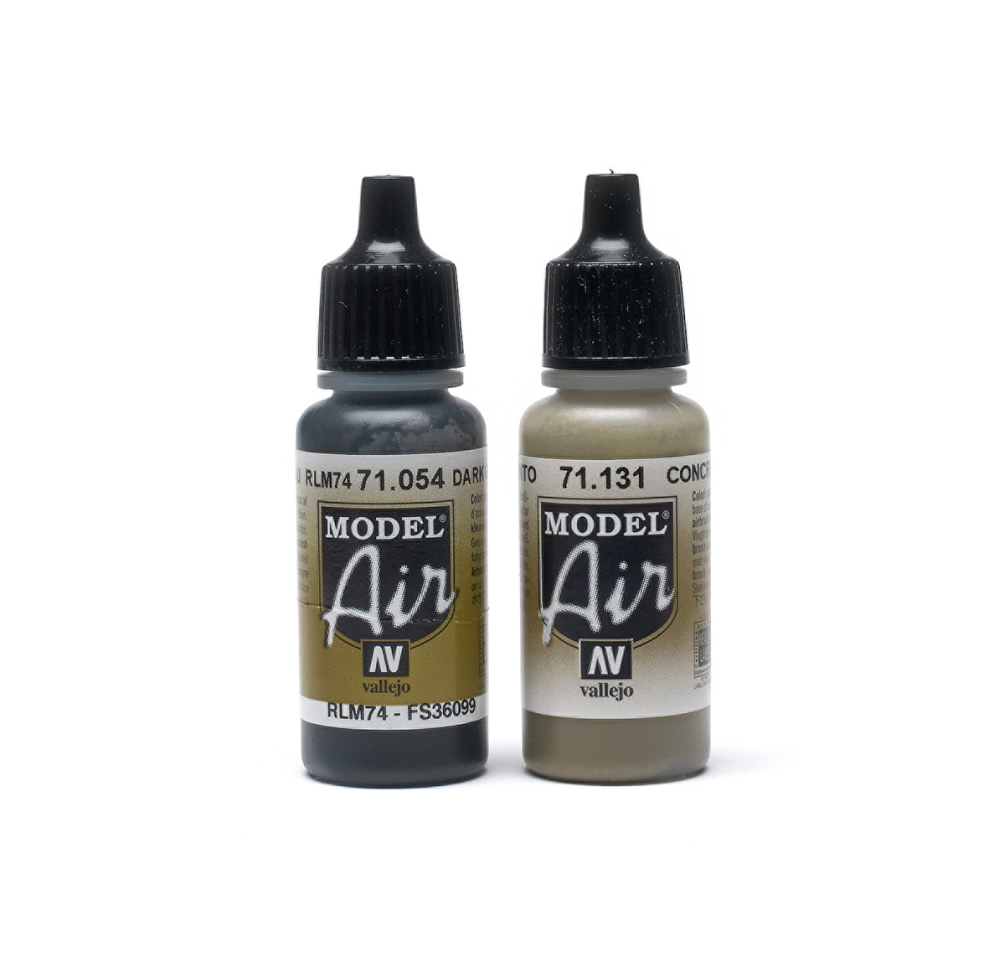
Acrylic paints for airbrushing While there are many different areas of the model railroading hobby that we can all explore, one common theme involved in almost all of these areas is paint. Whether you are painting entire backdrops, buildings, vehicles, or even figures, paint is a product that is necessary for model railroading. If you’re […]
Read More…
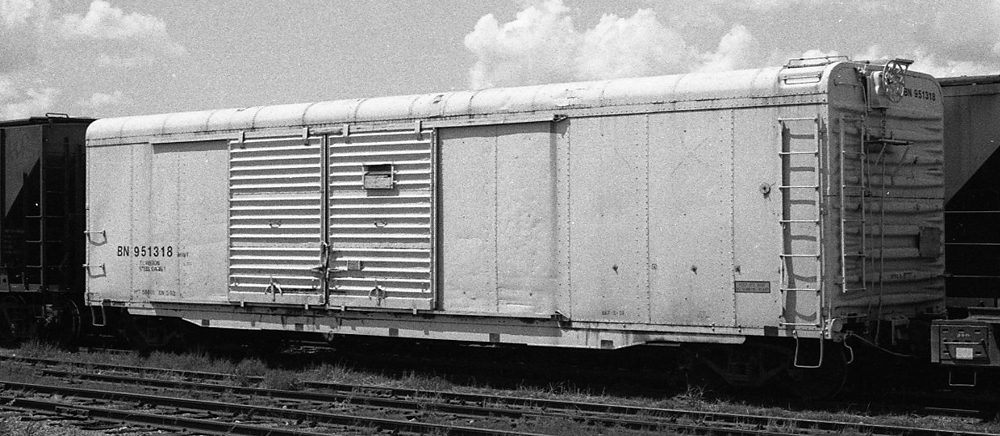
I recently wrote “Burlington Northern locomotive one-offs” featuring five Electro-Motive Division diesels, including unique paint schemes, rebuilds, and test subjects. This time, I dug through my negative collection and found eight Burlington Northern freight car one-offs. Most of the photos are from family travels throughout northwest Minnesota and northeast North Dakota between the early 1980s […]
Read More…
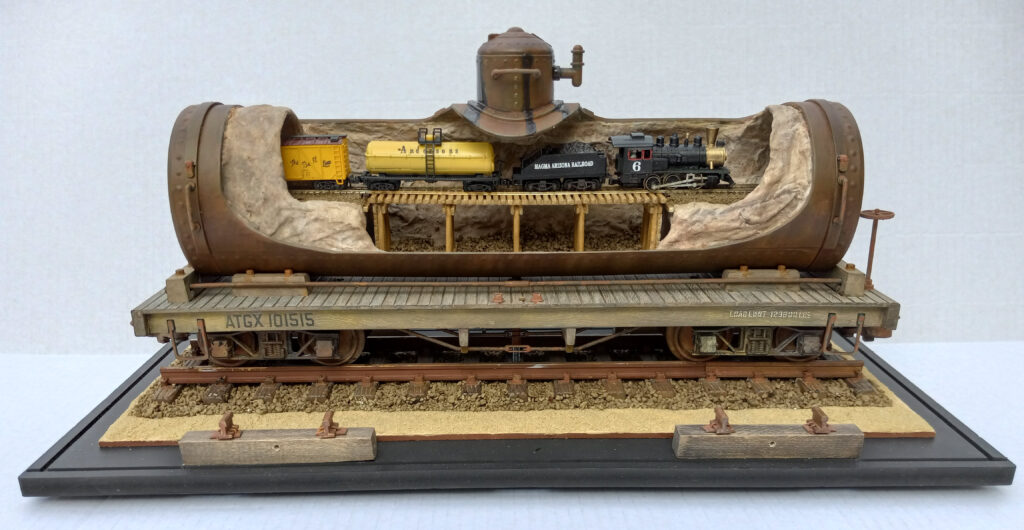
Bachmann Big Hauler birthday train […]
Read More…
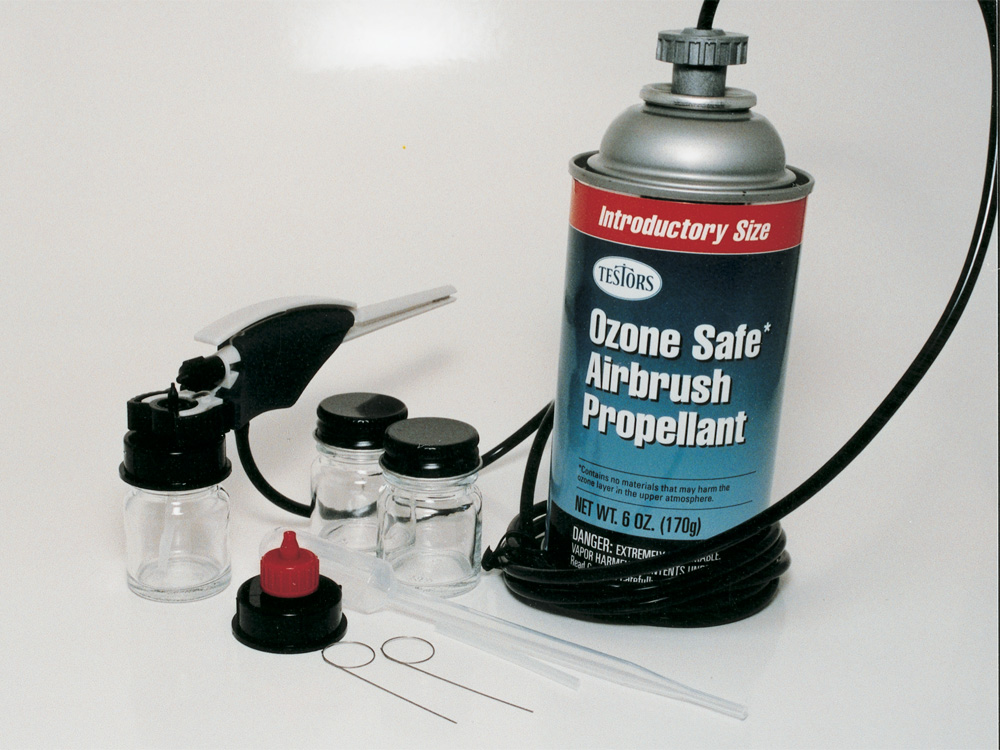
Q: Is using bottled gas as airbrush propellant better than my Paasche air compressor? And what kind of gas should I use: CO2, nitrogen, something else? – Joseph Zawoiski A: Hi, Joseph. Since you already have an air compressor, I would keep using that. A compressor, equipped with a regulator and a moisture trap, is […]
Read More…
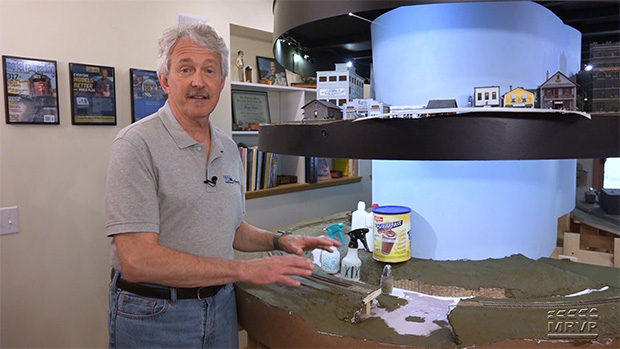
Having trouble viewing this video? Please visit our Video FAQ page In Part 4, Gerry Leone really starts to cover some ground… or in this case, pink foam insulation board! Watch and learn how easy it is to transform stark construction materials into a natural-looking setting. […]
Read More…
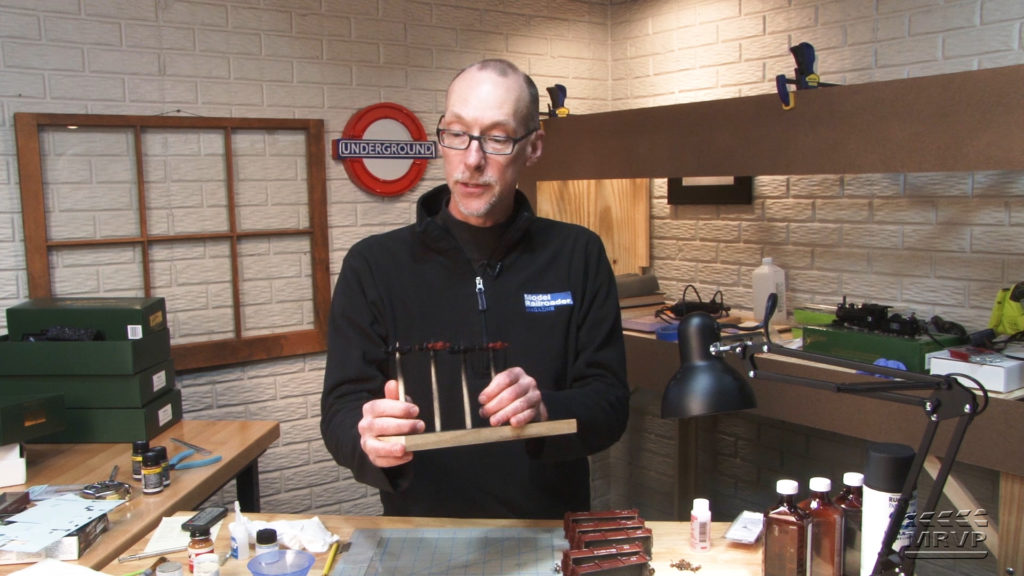
This time, David advances the aging effects of his gons by working up (or upside down) from the wheels. Don’t miss his handy tips for painting wheelsets, weathering trucks, and applying decals! […]
Read More…