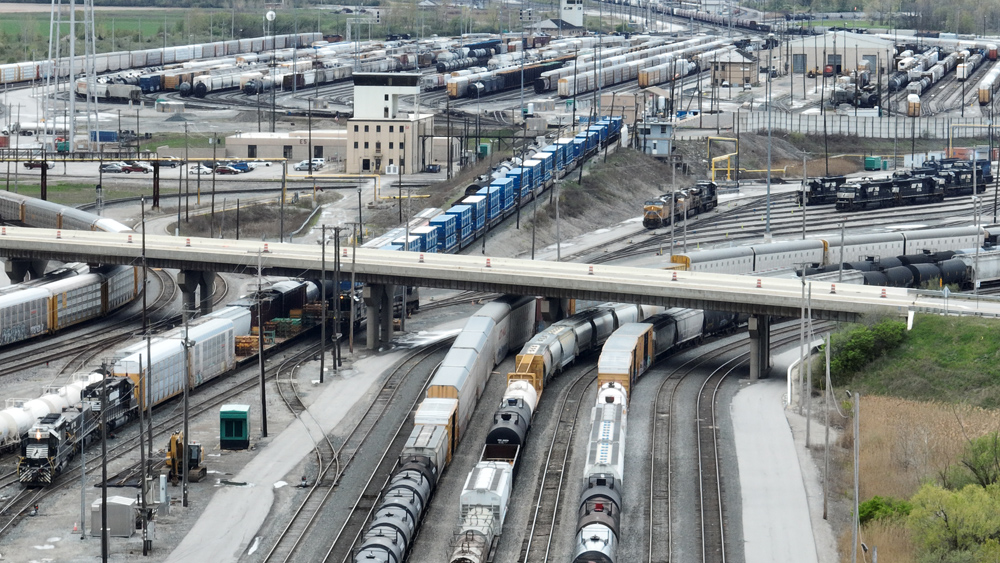
Bellevue Yard It’s over 5 miles long. It’s capable of serving a hundred trains a day. It’s the center point of five of Norfolk Southern’s busiest lines. Officially known as Moorman Yard, Norfolk Southern’s Bellevue hump yard is one of the largest in the railroad’s system. Centrally located in the northern Ohio heartland, it’s a […]
Read More…
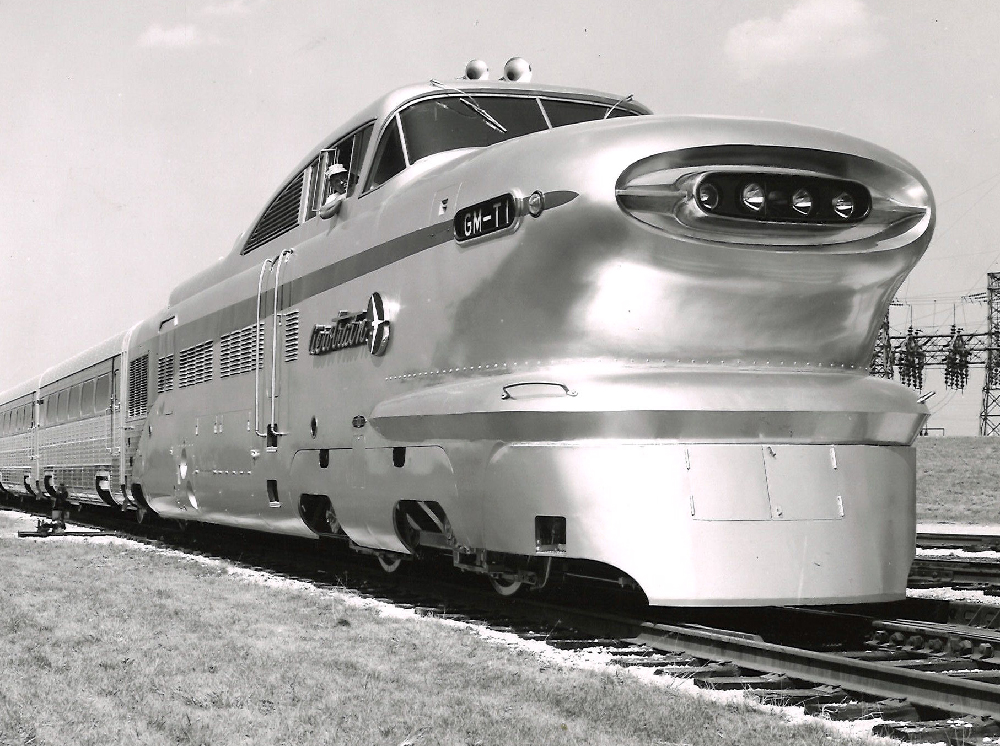
Mind-blowing facts about the GM Aerotrain By the 1950s it was clear that the passenger train was not the wave of the future. Automobiles and airliners were the next chapter in personal transportation for the United States. In some cases, however, the railroads wanted one more round in the fight to retain and regain passengers. […]
Read More…
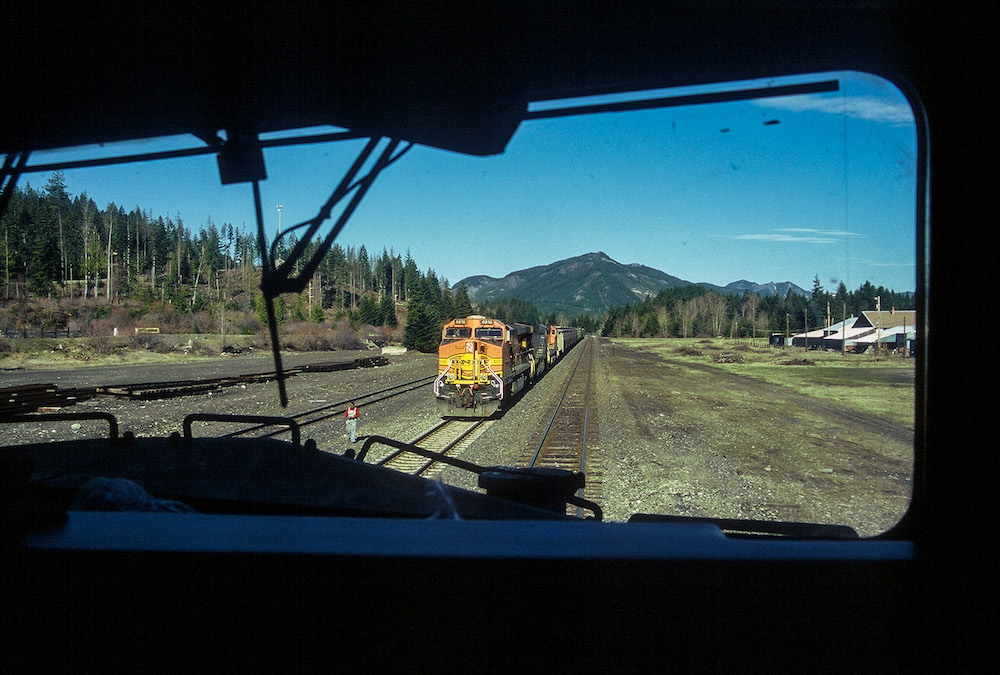
I wrote last month about working grain trains west as a young brakeman. This month’s story, entitled “Trust me,” is from late 2008 when I was working as a locomotive engineer. In my 42 years on the railroad, the last 30 as an engineer, I took pride in being qualified on three mountain-grade territories: Stampede […]
Read More…
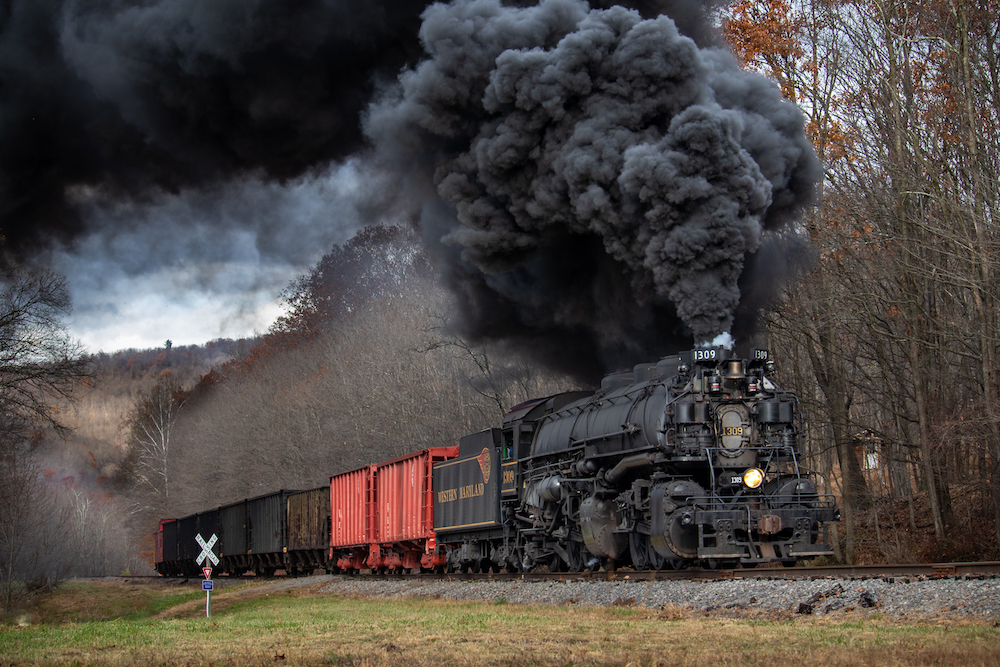
Who built the steam locomotives? In the transportation business of today, “Big Three” invariably means General Motors, Ford, and Chrysler, the dominant U.S. domestic automakers. But just a few decades ago, when the manufacture of steam locomotives was a bellwether American industry, “Big Three” could only have meant Alco, Baldwin, and Lima. Maybe these great […]
Read More…
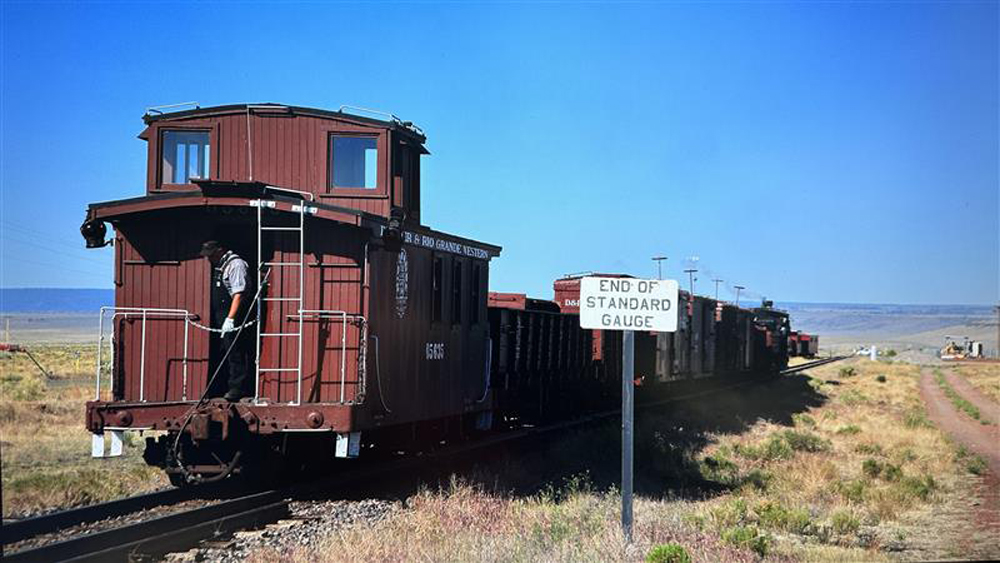
History of track gauge: The gauge of a railroad is the distance between the inside vertical surfaces of the head of the rail. Standard gauge is 4 feet, 8-1/2 inches. This is the gauge used when steam railroading began. It became the common gauge of Britain, North America, and Western Europe — except for Spain, […]
Read More…
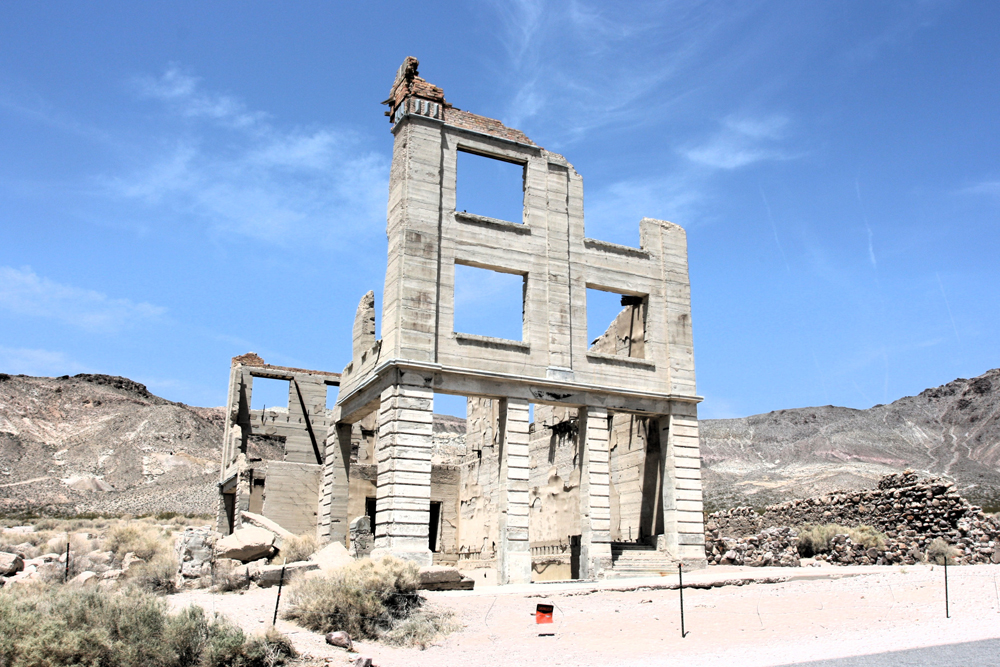
Railroad ghost town When the evening breeze whispers, Rhyolite, a railroad ghost town in Nevada, almost seems to come alive. One can imagine people strolling the concrete sidewalks under electric streetlights while strains of music float from the air-conditioned opera house. Children and their parents are enjoying locally prepared ice cream, the telegraph office is […]
Read More…
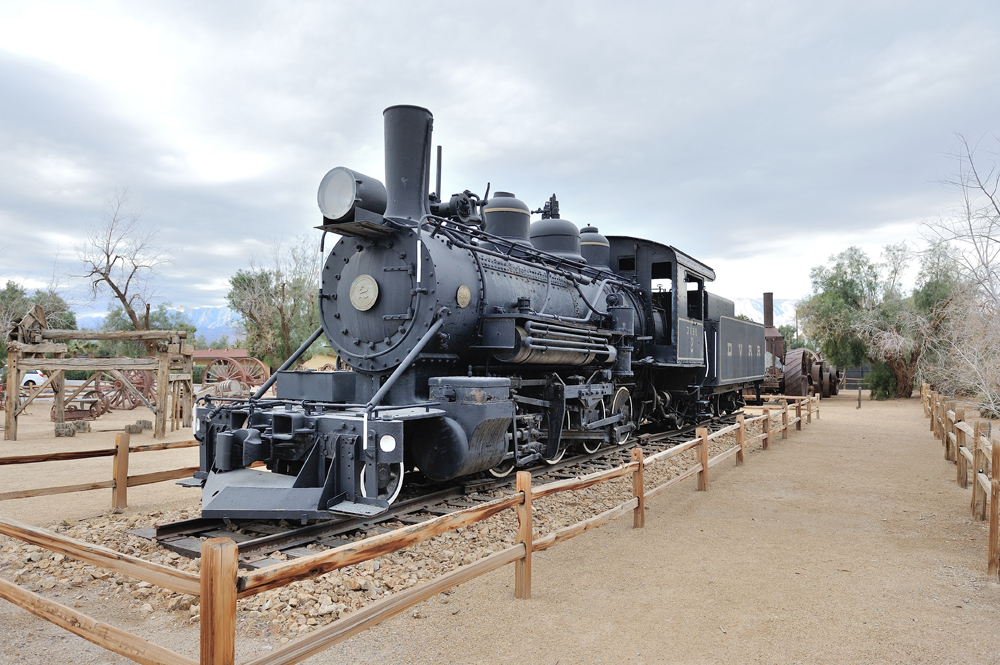
Death Valley Railroad Of all the places to run a railroad, perhaps the last you might expect to find one is California’s Death Valley. I mean, come on. Locals, what there are of them, claim it can be the hottest place on Earth in the summer. As for water, well, there’s not much of that […]
Read More…
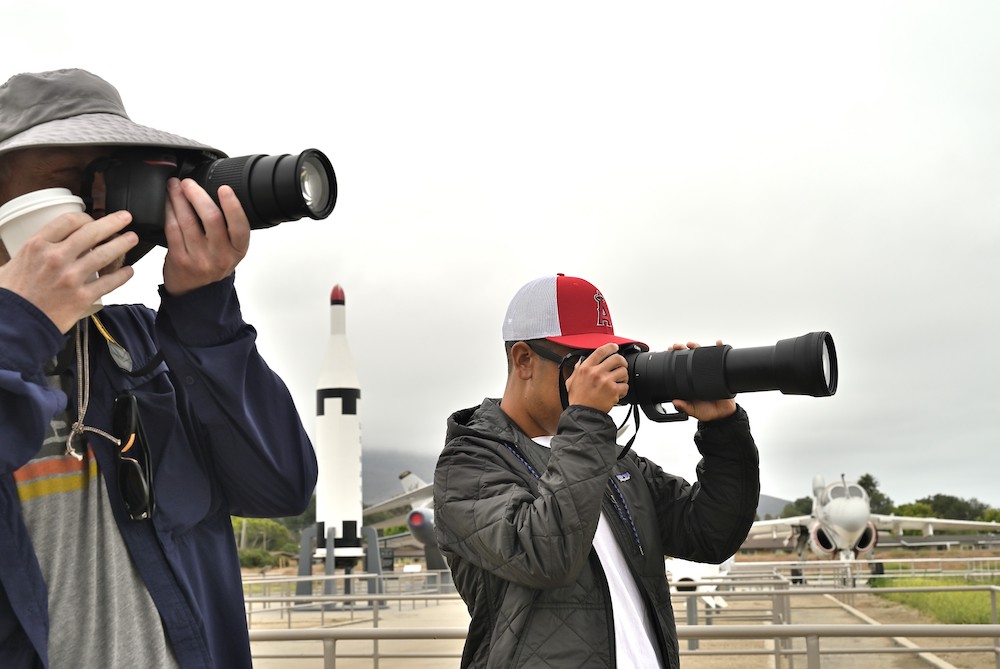
Meet the Enthusiasts We are not alone, although it sure can feel that way. Many of us have, at one time or another, may have felt we needed to explain why we like trains and railroading. If we didn’t get the “look,” it was usually “Oh, you still play with trains?” After a while you […]
Read More…
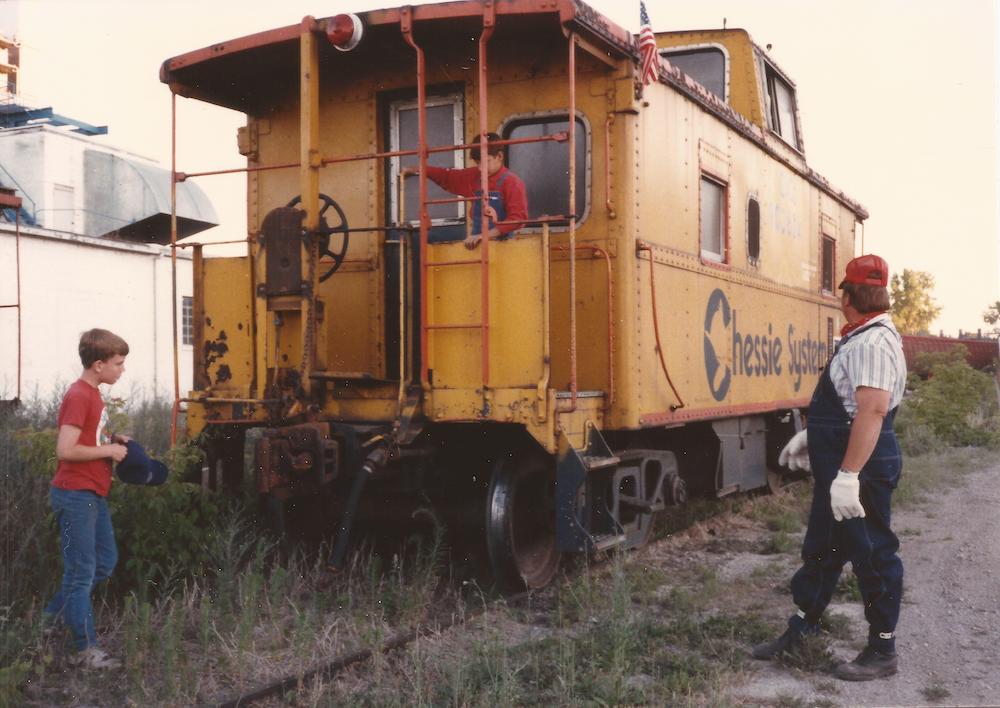
The caboose Steel caboose No. 3674 was built in 1941 for the former Chesapeake & Ohio Railway, originally numbered 90091. It was rebuilt in Grand Rapids’ Wyoming Yard by 1970 and brought up to the railroad’s modern standards, renumbered as 3674. After 16 years along the rugged main line between Russell, Ky., and Huntington, W. […]
Read More…
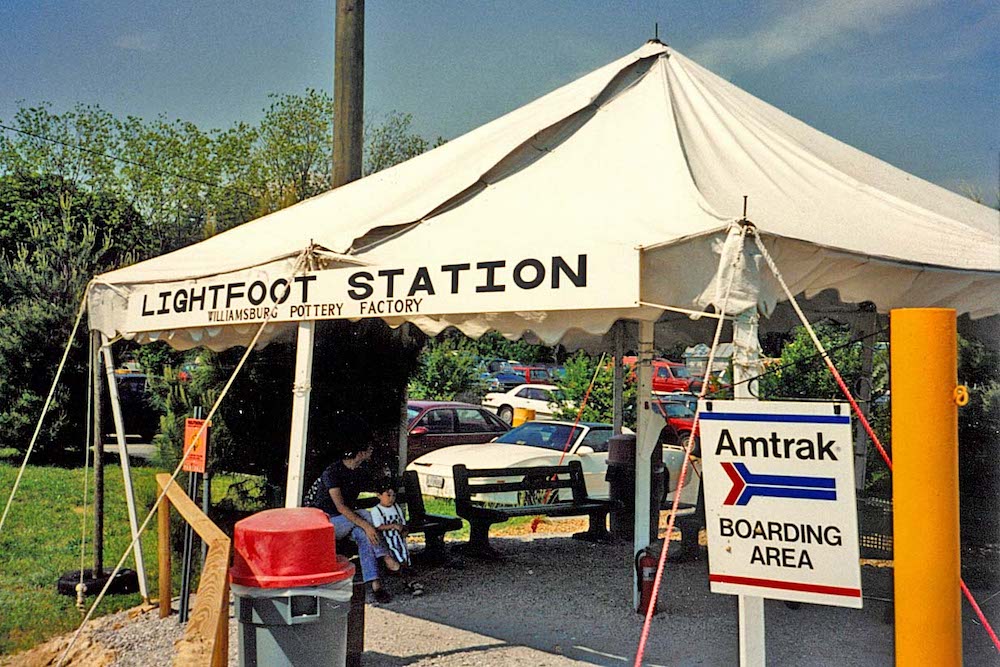
I’m heartened to see Amtrak intends to explore a 200-mph Dallas-Houston passenger rail service in cooperation with Texas Central Partners. Having driven I-45 between the two megacities, I can vouch for its clear need and likely success. Not all of Amtrak’s plans have succeeded as envisioned, unfortunately. One, in particular, comes to mind: the short-lived […]
Read More…
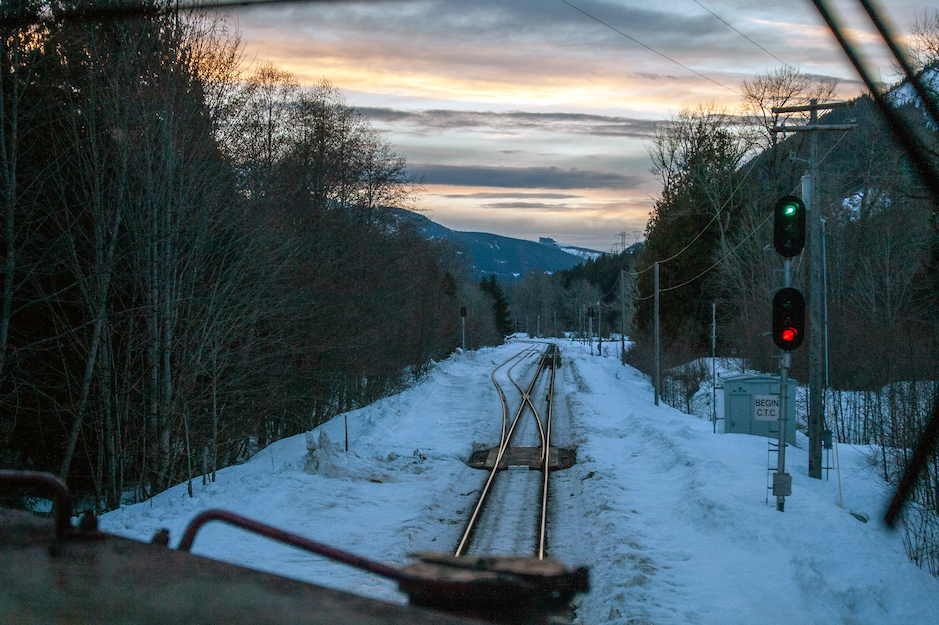
The caboose move As I have said before, Washington State’s Auburn Yard and Stampede Pass are my home turf. On the paternal side of the family my surname goes back to at least 1909 with two great uncles (twin brothers) working as locomotive engineers. My maternal grandfather retired in 1976 after 44 years of service […]
Read More…
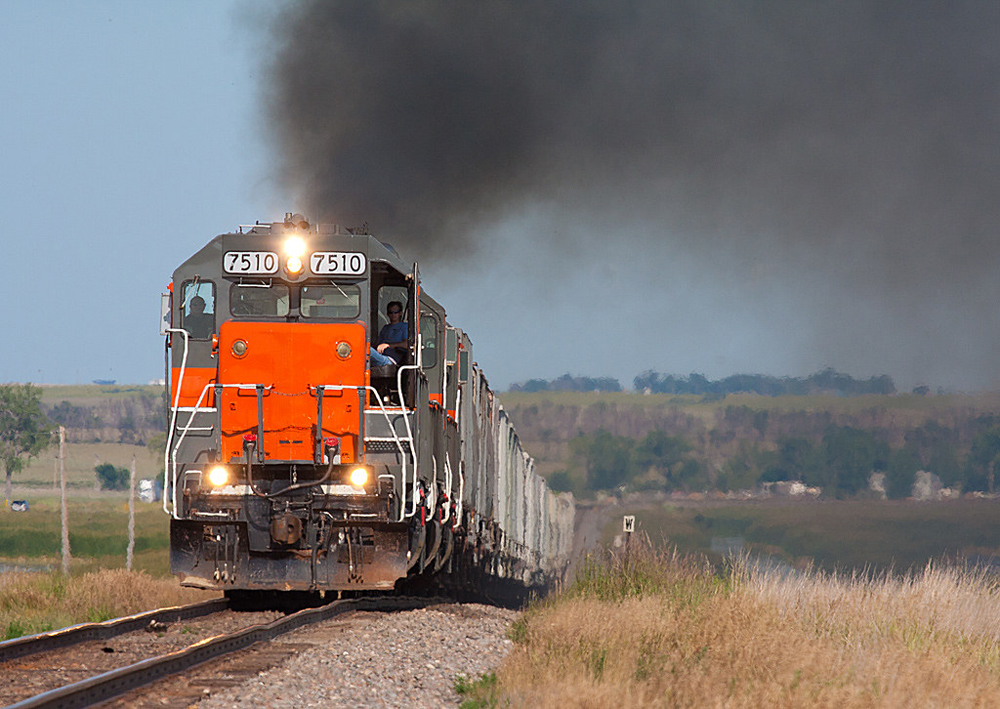
North Dakota’s corn trains When you watch a freight train pass, it will most likely be comprised of cars that have a single use, hauling a commodity to one location before returning empty to a yard or another assignment. And most freight only touches the rails once during its path from source to final customer, […]
Read More…