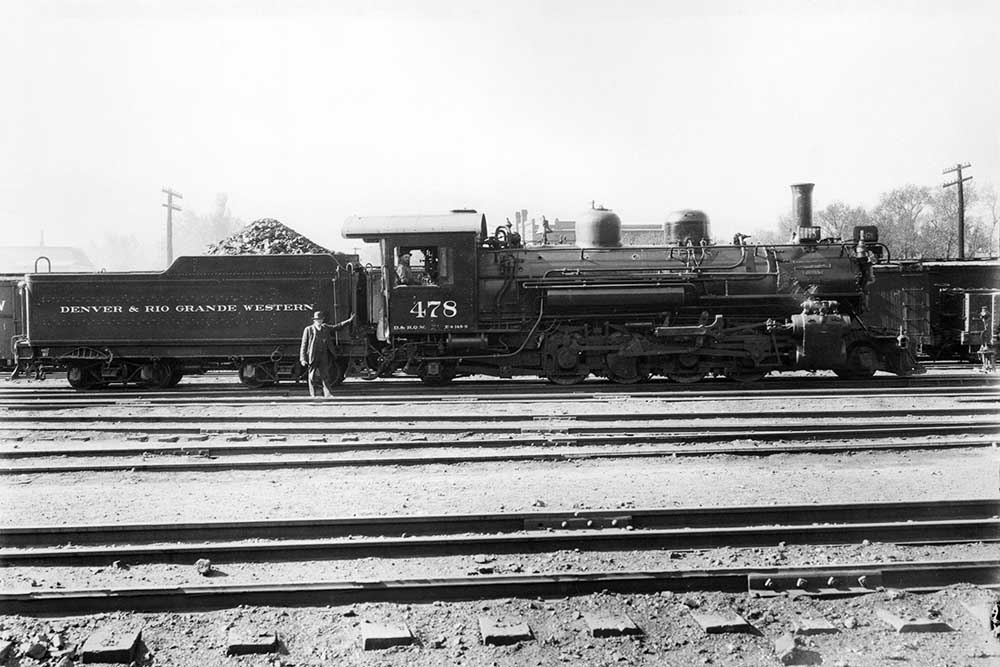
At the dawn of the 20th century, dusk was approaching for the narrow gauge (3 feet or smaller between the rails) fad that began roughly 30 years prior. As 4’ 8 ½” officially became the “standard” gauge, as it remains to this day, retaining multiple rail lines in different gauges no longer made sense for […]
Read More…
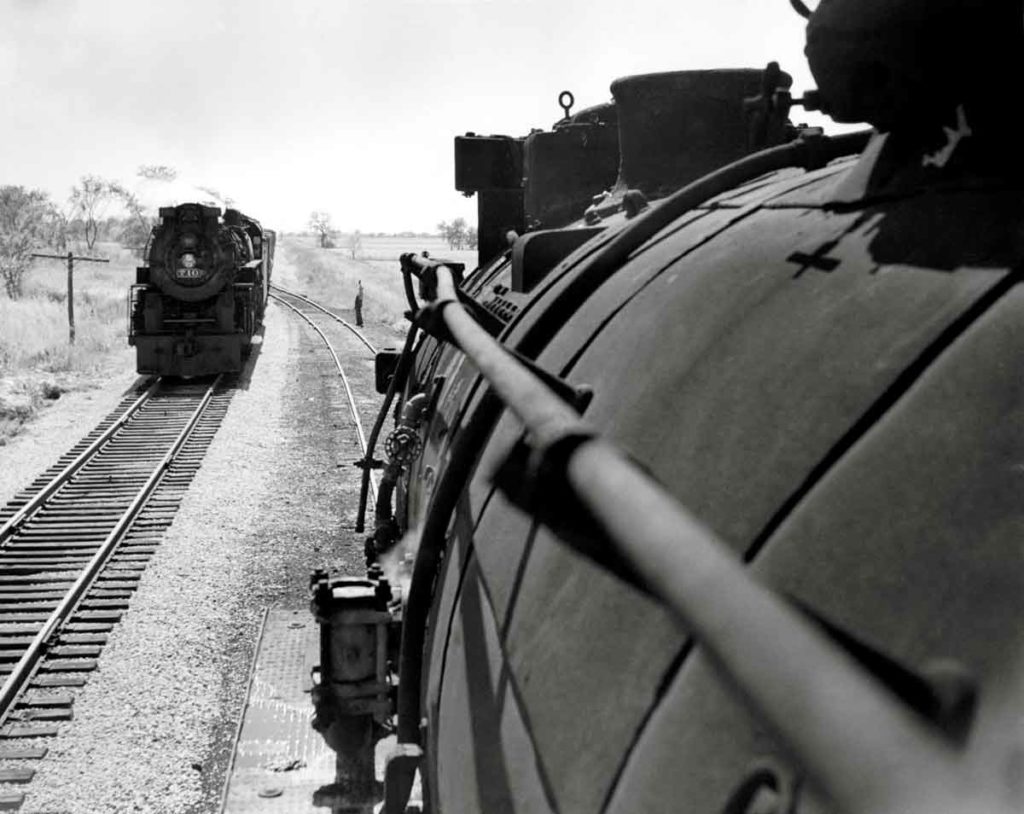
It isn’t much of a stretch to proclaim the 2-8-4 Berkshire-type steam locomotive as the “poster child” of the Super Power era of steam locomotives. “Berkshire,” “Kanawha,” “Big Emma” — regardless of what they were called, the wheel configuration helped advance steam technology through size, speed, and power. The development of the Berkshire all started […]
Read More…

The New York Central System was a vast and legendary railroad, connecting the East Coast to the Mississippi River. A key component — let alone multiples — to its long-lasting status as a powerhouse was the subsidiary railroads. Though operating under the Class I system, many of these New York Central components maintained distinct identities […]
Read More…
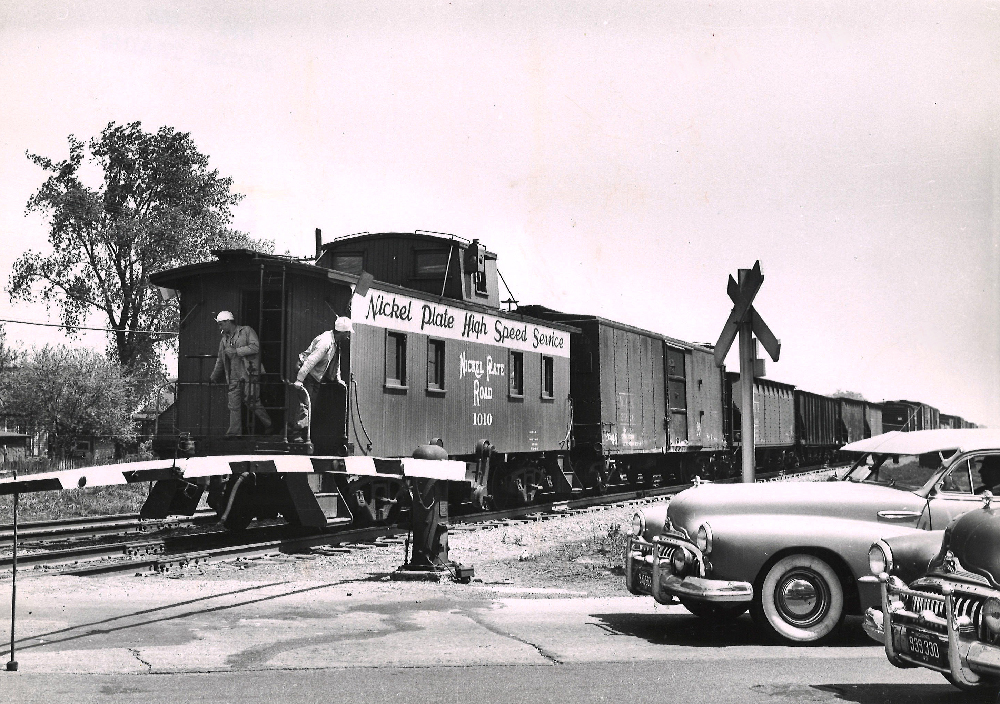
Railroads with cumbersome names that can be a mouthful to say and a headache to remember often opted for nicknames. These aliases served to enhance brand identity and solidify their legacy. Commonly, railroads used city names in their nicknames, as seen with the Chicago, Milwaukee, St. Paul and Pacific, popularly known as the Milwaukee Road. […]
Read More…
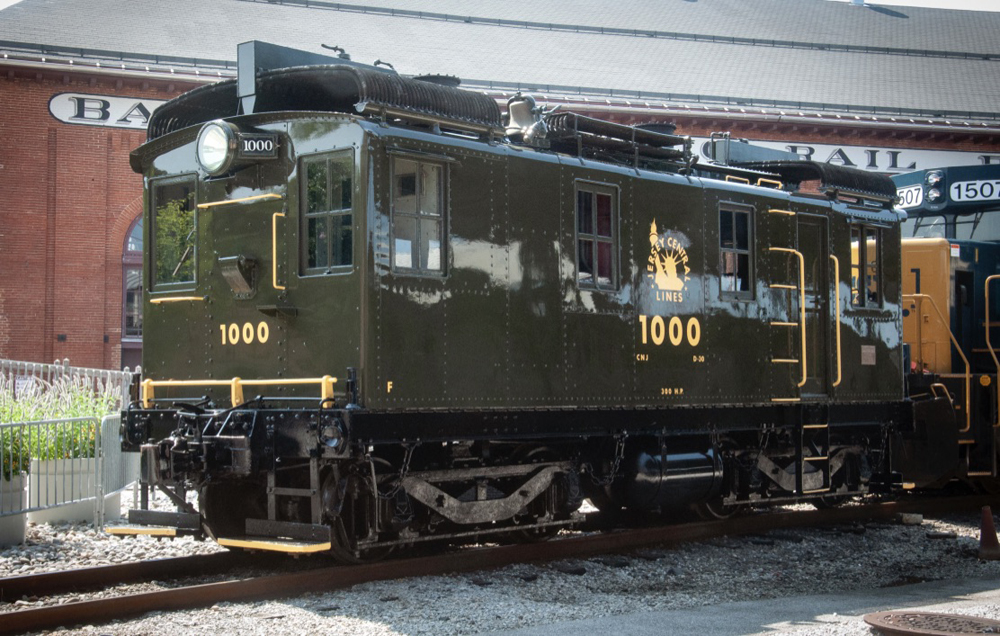
Walk around the halls of Baltimore’s B&O Railroad Museum and you will encounter many first, last, and only railroad objects. There is the William Mason, an 1856 4-4-0 steam locomotive that pulled Abraham Lincoln’s train as he snuck through Baltimore prior to his presidential inauguration. You will see B&O No. 51, an EMC EA, the […]
Read More…
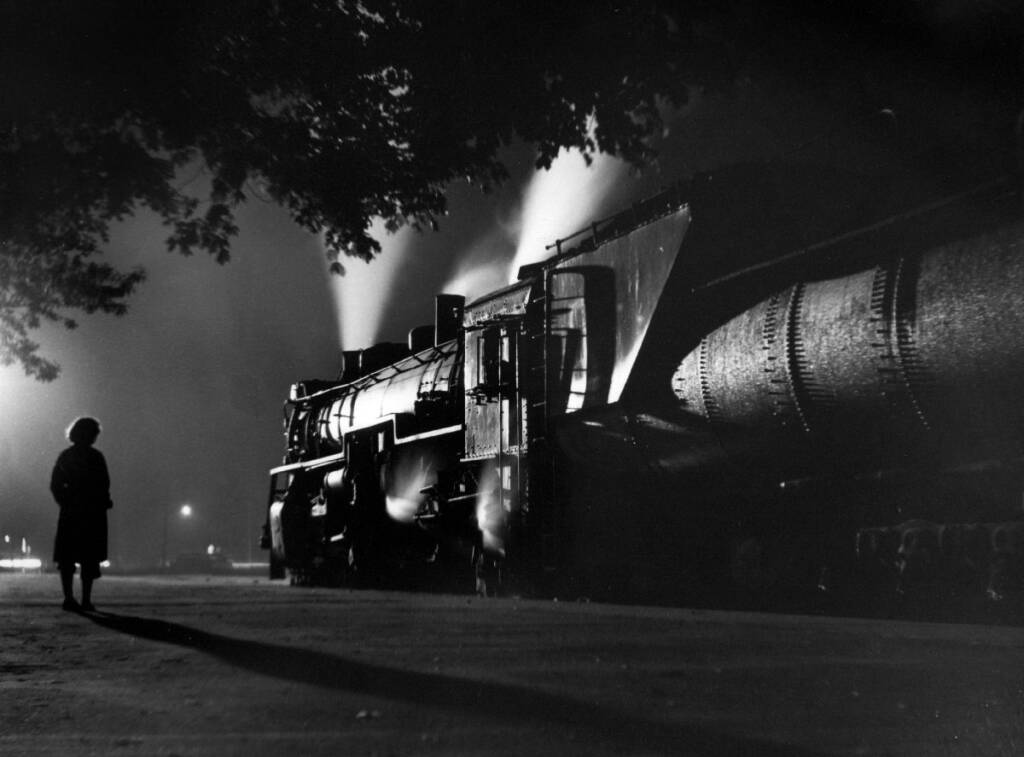
[Ed. — This adventure is excerpted from a story originally appearing in Trains, September 1984. It, along with 45 other railroad stories, can be found in a forthcoming Trains/Classic Train book: Tales of the Rails, due out in March 2026. Visit shop.trains.com to order your copy.] On June 27, 1955, I witnessed a veteran locomotive […]
Read More…
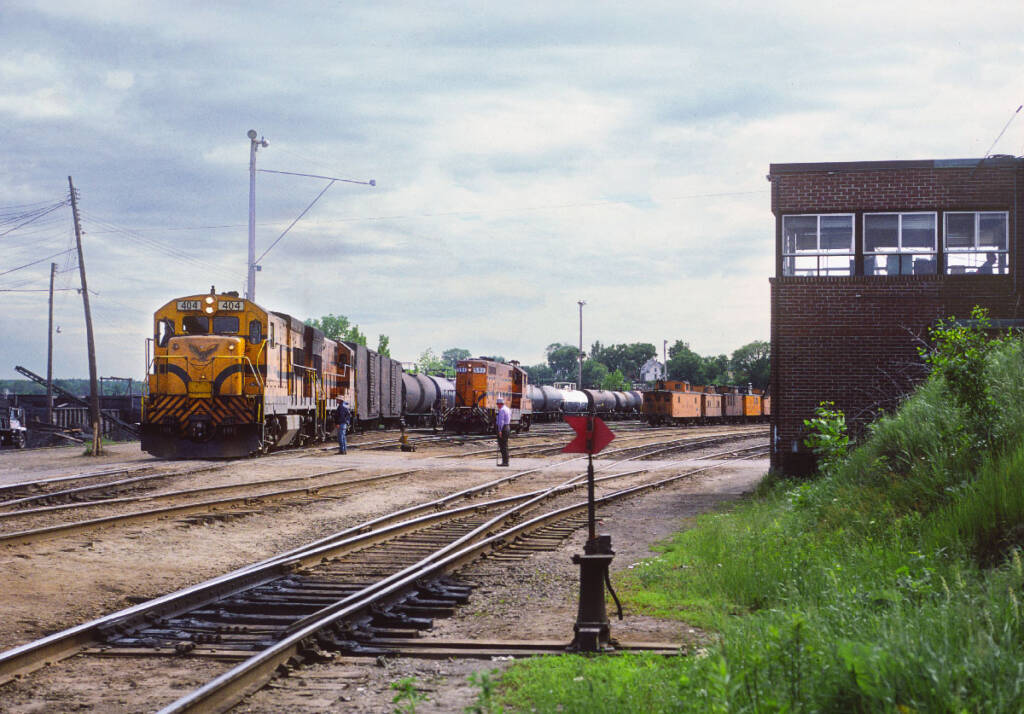
Being a safety supervisor at a small regional railroad entailed more than being a statistician. When promoted to the position on the Maine Central in early 1982, I was part of a two-man team, tasked with promoting safety. This required meeting train crews, riding with them, learning the rudiments of their tasks; talking with engineering […]
Read More…
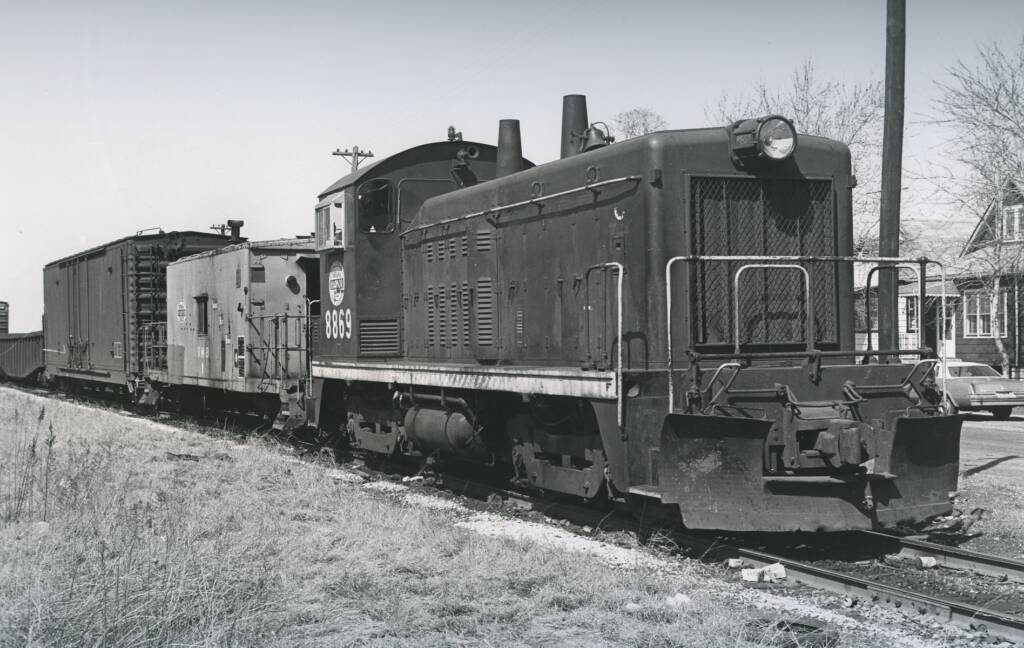
Chicago has always had a plethora of terminal railroads. Many have come and gone, but a handful with historical roots dating to the late 19th Century are still active today, and vital to keeping the freight and passenger traffic consistently moving in and out of the city. These are Historical Chicago terminal railroads that are […]
Read More…
Thirty years after its grand opening as a unit of the National Park Service, Steamtown National Historic Site in Scranton, Pa., is at a crossroads. Whether you admire or disdain it, know nothing about it, or simply hope for its survival, it remains a significant railroad preservation effort. Steamtown has the potential to expand the […]
Read More…
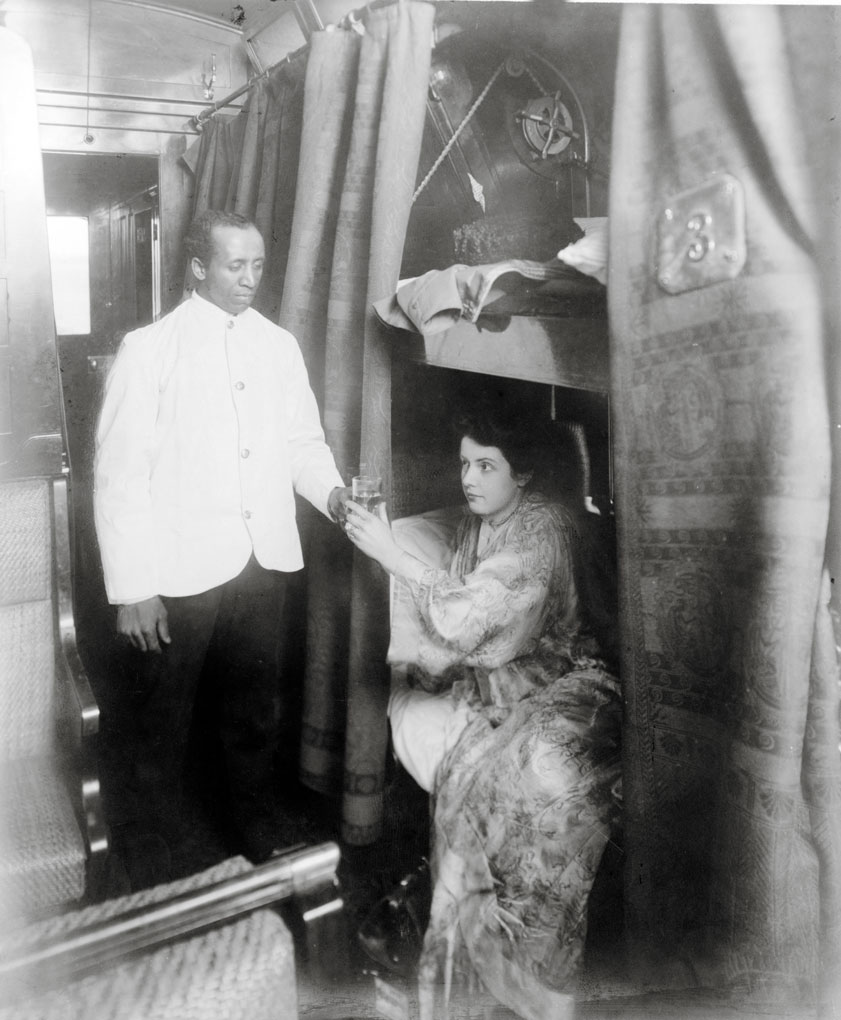
A century can seem like a long time, especially given the accelerating rate of change that oppresses all of us. At the same time, 100 years is one long lifetime. Almost 100,000 now-living Americans were on this Earth in 1925, the year a group of Black Pullman employees organized the Brotherhood of Sleeping Car Porters […]
Read More…
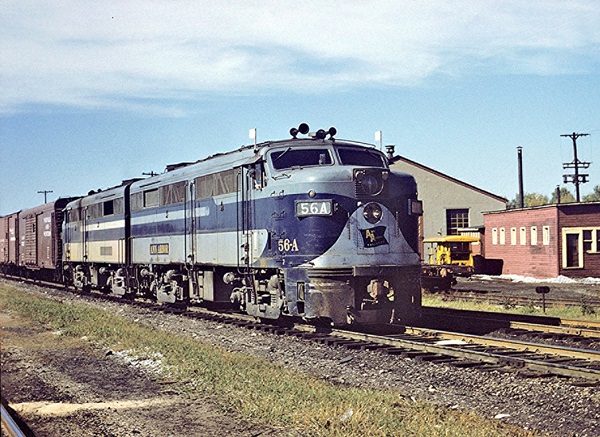
Michigan was and still is no stranger to railroads small yet unique enough to attract a following. The former Ann Arbor Railroad, not to be confused with today’s incarnation under Watco, certainly fit the bill with these 5 traits of the Ann Arbor Railroad that range from quirky to charming. More car ferry […]
Read More…
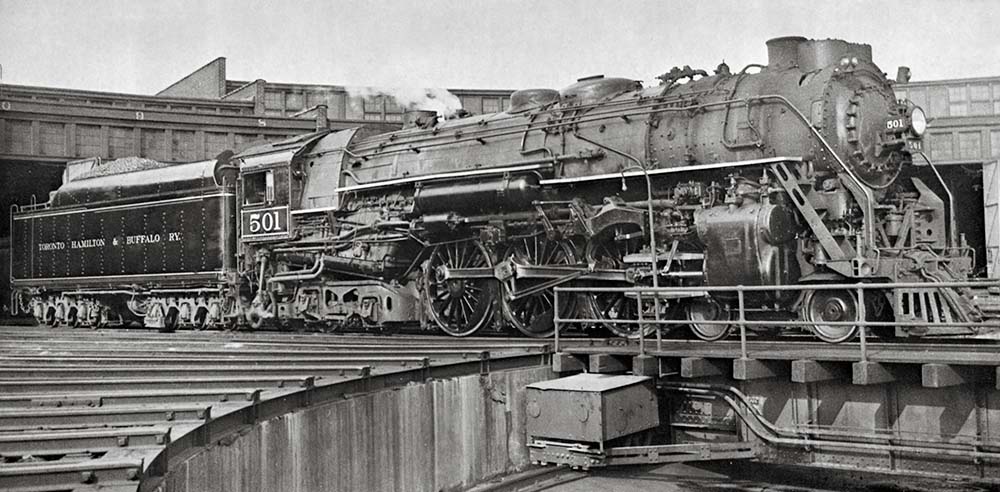
While growing up in Cleveland and Buffalo after World War II, a close encounter with a 4-6-4 Hudson-type locomotive was just a train ride away. My first memory was as a four-year-old. My family had taken the New York Central to Chicago, and as we walked forward at La Salle Street Station, I was […]
Read More…