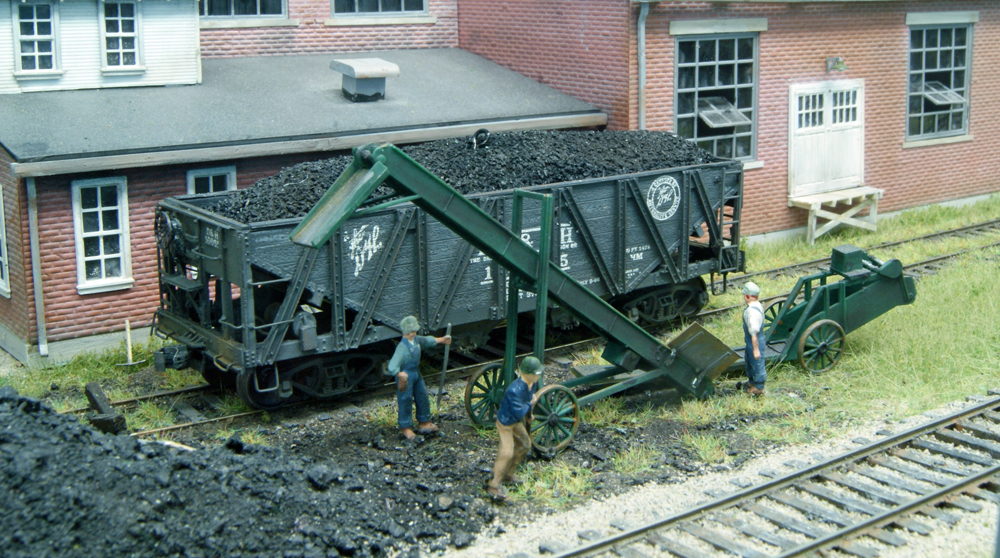
When it comes to figures, it seems most modelers fall into one of two camps. Some use only figures in static poses, like sitting or standing. The others enjoy making active scenes, like busy station platforms or marching bands. I don’t remember putting very many figures on my previous layout [featured in Great Model Railroads […]
Read More…
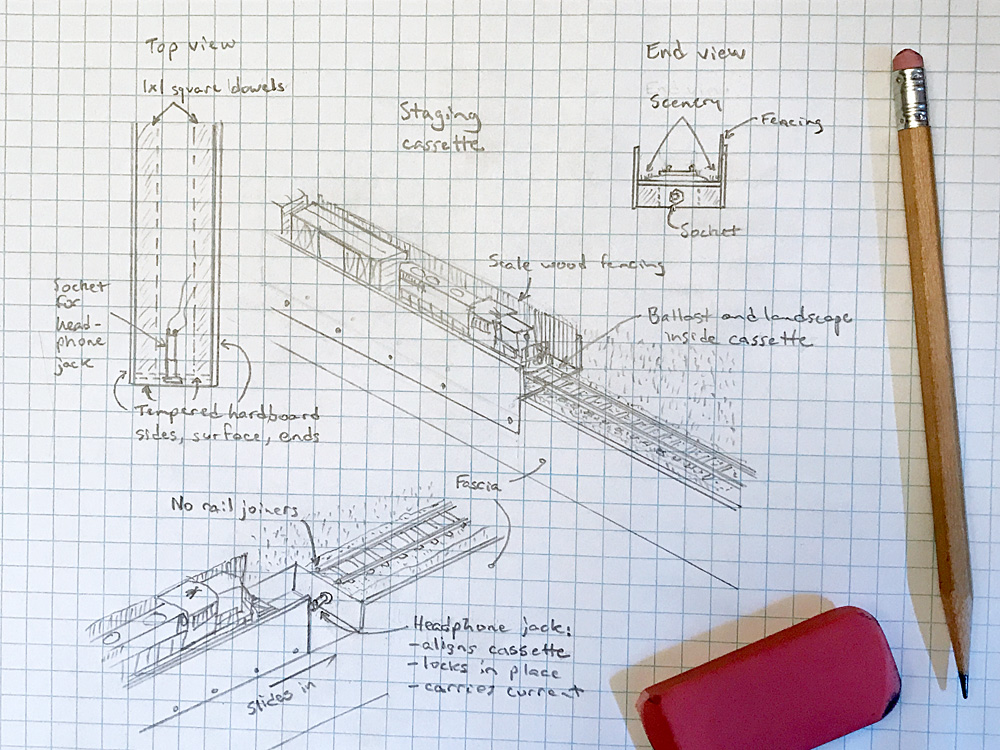
Staging yards are how we represent the rest of the world beyond the unavoidably finite portion modeled on our layouts. Trains that come and go from staging can be arriving from the next town down the line, the next division point, or the other side of the continent. Staging is invaluable to creating the illusion […]
Read More…
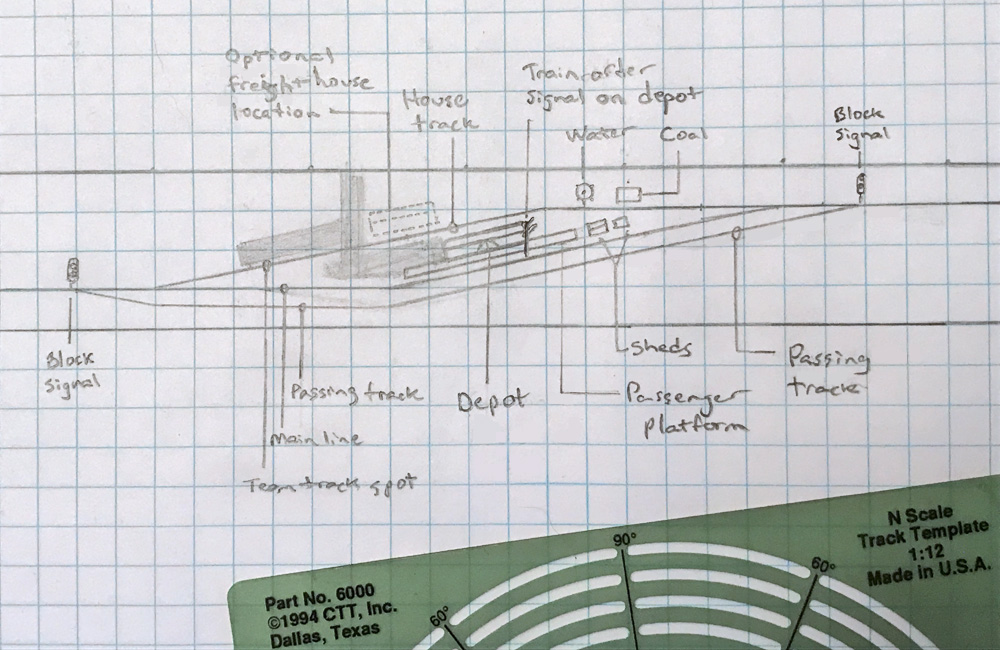
If you ask a layman to define a train station, they’ll describe a big building where people buy tickets and wait to board passenger trains. A slightly more knowledgeable person might also mention the presence of freight and baggage facilities and railroad offices. But when we talk about railroad operations – whether of the full-size […]
Read More…
By Allan Gartner The Advanced Control Module from Walthers will work with DCC systems capable of controlling accessories, such as turnouts. Your system will need at least one throttle that you can set thrown/closed, on/off, 1/2, or whatever your system calls it, as needed. Systems where the throttle only allows you to toggle from the […]
Read More…
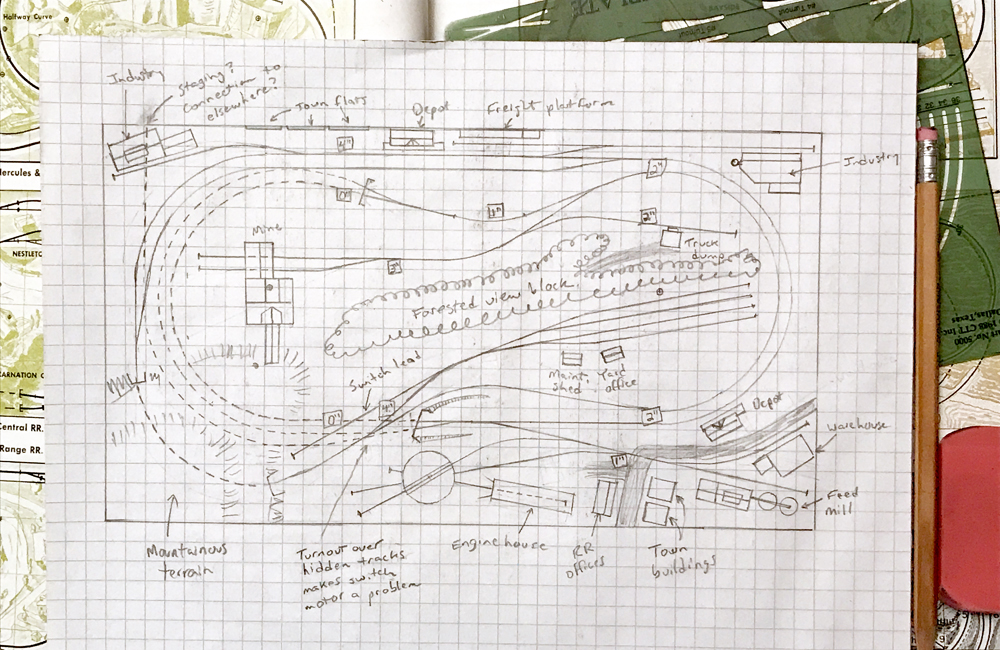
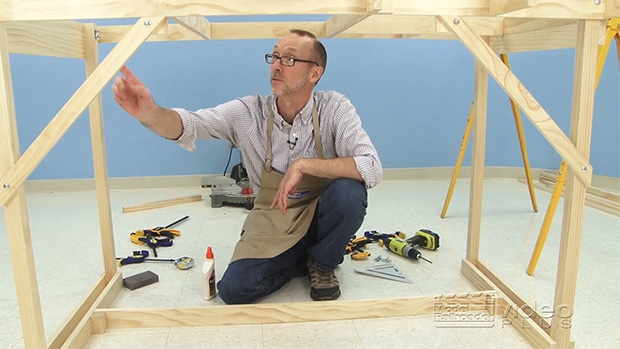
Sketching with Steve The good old 4 x 8 train table is a tradition – if not a cliché – for a reason: plywood comes in 4 x 8-foot sheets. When our dads or grandpas bought us our first train sets for Christmas, they often nailed that simple oval or figure-8 onto a table made […]
Read More…
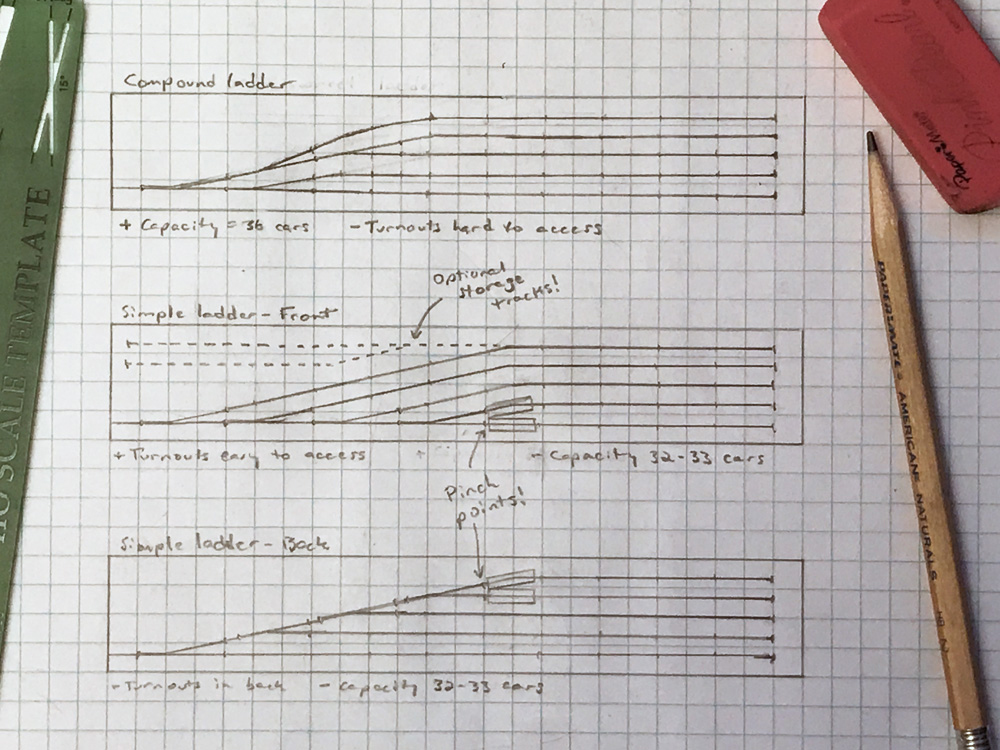
Sketching with Steve How you arrange the turnouts in your yards may be dictated by the prototype yard you might be modeling and at least in part by the shape of the benchwork at that location. But if you’re designing a yard that isn’t constrained by those factors – say, a staging yard on a […]
Read More…
![Applying Woodland Scenics Scenic Cement with pipette.]](https://www.trains.com/wp-content/uploads/2021/03/MRR_Scenic_Cement_with_pipette_04.jpg)
On Model Railroader’s Beer Line project layout, which was set in 1947 Milwaukee, I ballasted the track on the entire layout using a favorite technique. I used a 50:50 blend of Highball Products Light Gray and Dark Gray limestone ballast, which looks similar to ballast used by the Milwaukee Road [Highball Products ballast is no […]
Read More…
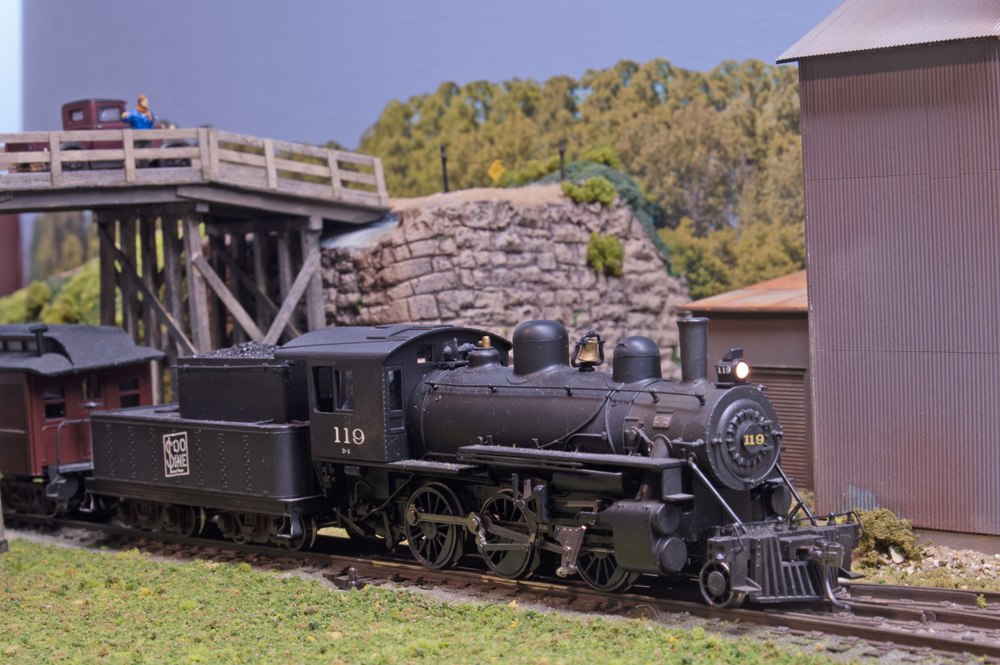
I’ve had a degenerative muscle condition for 20 years. Because it has been a gradual degeneration, I’ve been able to adjust my modeling over that period. I can still scratchbuild and kitbash buildings. I can also paint and decal locomotives and cars; it just takes longer. At times, modeling has become frustrating. However, I’ve been […]
Read More…
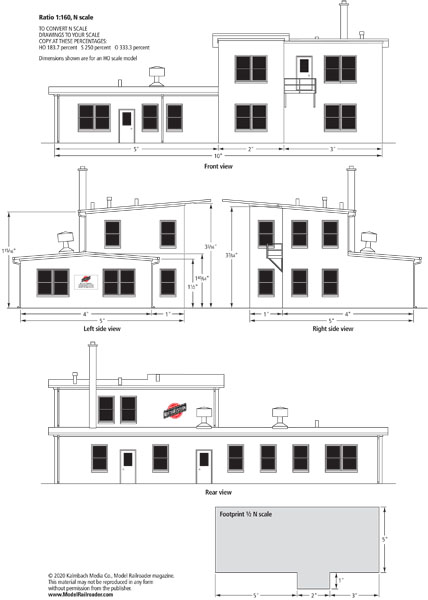
In the July 2020 Model Railroader, Group Technical Editor Cody Grivno shows how he scratchbuilt an HO scale model based on the Chicago & North Western yard office in Butler, Wis. See a PDF version of this by clicking here. […]
Read More…
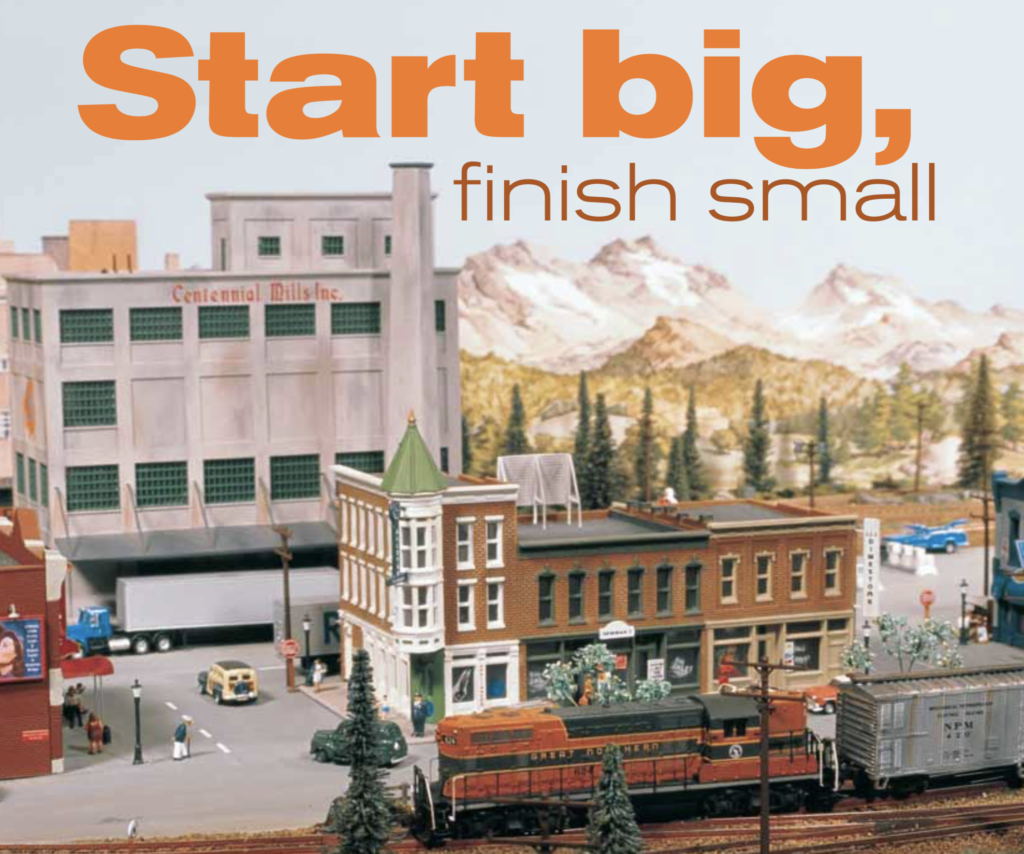
Although I’m really an HO scale modeler at heart, I’ve always been intrigued with N scale trains and have more than once thought how neat it would be to “have a few.” Being without any other outlet for modeling, those very thoughts soon translated into construction of the Havaphew Central, my first N scale layout. […]
Read More…