Private car community ‘disappointed’ with Amtrak observation platform ban NEWSWIRE

Private car community ‘disappointed’ with Amtrak observation platform ban NEWSWIRE

By Chase Gunnoe | May 28, 2019

| Last updated on November 3, 2020


Get a weekly roundup of the industry news you need.

NewRiverTrainplatform
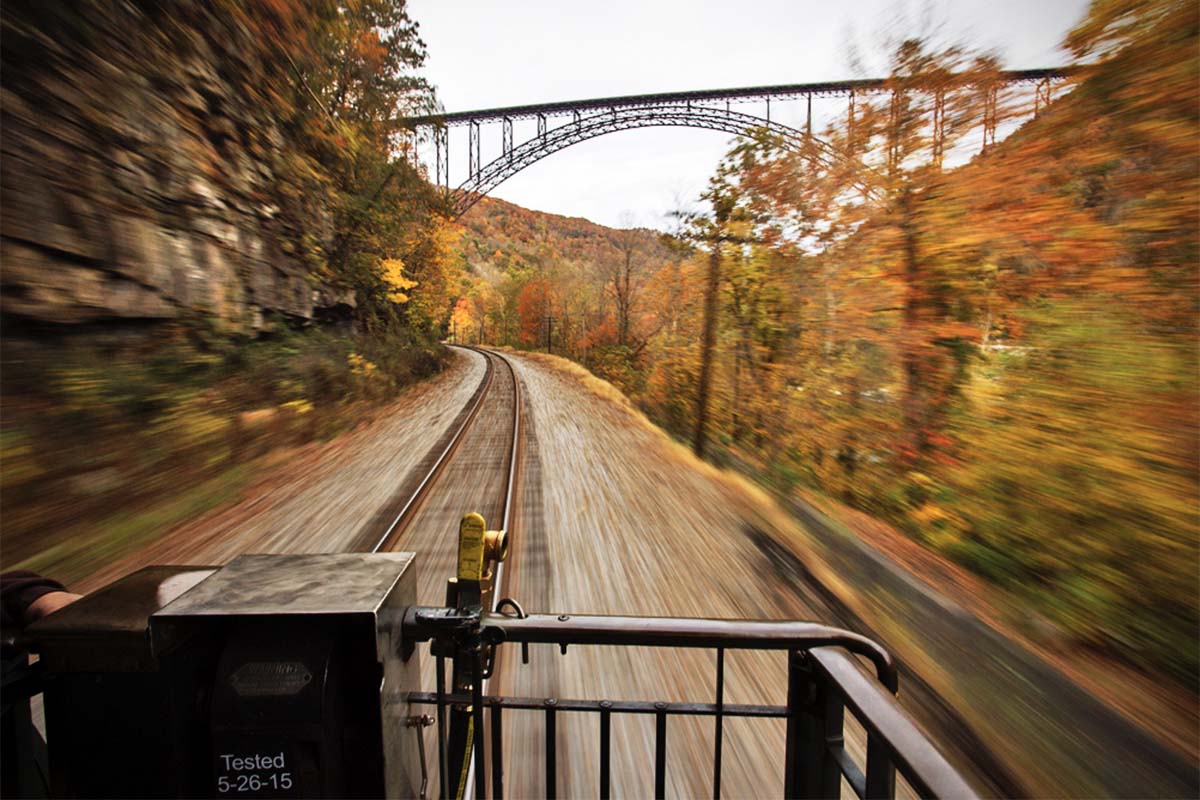
As seen from the platform of business car ‘Dearing,’ the 2016 New River Train passes under the New River Gorge bridge near Fayetteville, W.Va., in October 2016.
Chase Gunnoe
WASHINGTON – Private car owners and operators say they are disappointed of Amtrak’s decision to ban observation deck riding and open dutch doors, despite their efforts to work together with the passenger railroad on these safety items.

American Association of Private Railroad Car Owners President Tony Marchiando tells News Wire that AAPRCO and leadership from the Railroad Passenger Car Alliance worked with Amtrak in 2018 on a draft for the railroad’s private car safety manual where the subject of platform riding was discussed.

“The subject of platform riding was of concern to all, and a sensible, safe procedure was agreed upon: no platform riding on the Northeast Corridor, everyone seated, everyone wearing eye protection, no drinks of any kind,” Marchiando says.

The safety manual was presented by Amtrak’s then-special movements manager at AAPRCO’s convention in St. Paul last September, where everyone was pleased with the result. AAPRCO alleges that a change-up in Amtrak’s leadership transferred the manager to a different role and the safety manual was never officially posted to Amtrak’s website.
RPCA echoed similar remarks in a May 28 statement published by its safety committee. Similar to AAPRCO’s statements, RPCA says the proposed version of the manual put out by Amtrak last September did not propose the ban. RPCA also says that the organization’s insurance underwriters confirmed there have been no reported incidents or claims involving the occupancy of either open platforms of open vestibule doors. Based on those facts, RPCA adopted Amtrak’s former policy, including all past stipulations which Amtrak placed on riding on platforms and in vestibules.

In addition to restrictions on the Northeast Corridor, the policy also included no occupancy at speeds greater than 69 mph and being seated while traveling at speeds greater than 45 mph.

Now, that private car safety manual has been published and while AAPRCO says it is largely unchanged from 2018’s cooperative effort, there has been new verbiage issued that bans platform riding on moving trains.

“We immediately asked for reconsideration of the ban, but we’re told it came from safety – and no change,” Marchiando says.

“Of course, our membership is very disappointed with this. Platform riding has always been an important part of the private car experience and very, very few, only minor, injuries have ever occurred. Our intention is to work to allow safe riding on platforms with sensible rules and procedures.”
Similarly, RPCA’s safety committee is also disappointed and is hoping railroad officials will share with the organization if there was an event which might have triggered the abrupt change. The committee is also asking to sit down face-to-face with Amtrak to discuss the disparity between the two versions of the safety manual.

The official notice from Amtrak says it is no longer permissible for private car owners and guests to be on the observation deck or operate with an open dutch door on any private car attached to an Amtrak revenue train or chartered train – while the train is in motion.

Owners and guests may only access to these areas when the train is stationary. When stopped, Amtrak is requiring protective eye wear, sufficient hand holds and railings for all occupants, and prohibits leaning beyond the sides or rear planes of any private car. Liquids are also prohibited in these areas when a train is stationary.

Amtrak says those who fail to adhere to the safety rule could be suspended or revoked from operation on any Amtrak train.

Share this article