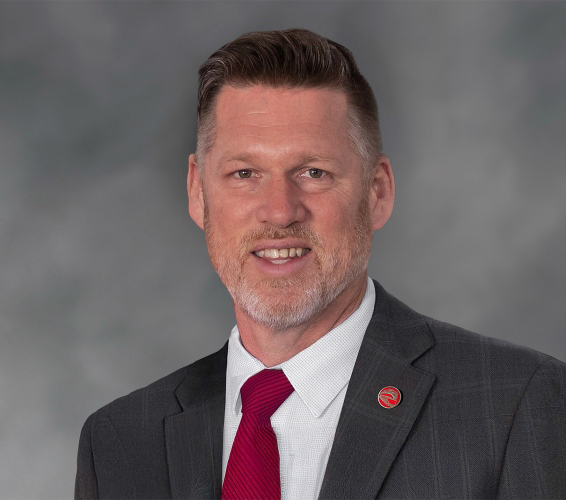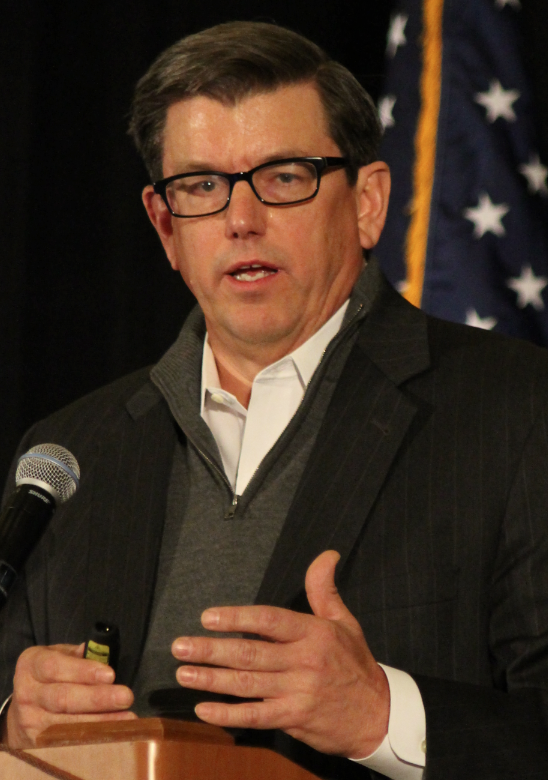
Sameh Famhy, who was senior vice president of engineering, mechanical and supply management at CN from 2006 to 2013, began working with KCS in December. He previously was a consultant at CSX Transportation, which also adopted the operating model of former CN CEO E. Hunter Harrison.
“We are in the very early stages in our work and understanding how PSR principles will apply,” CEO Patrick Ottensmeyer said on the KCS fourth-quarter earnings call on Friday.
KCS is not taking a Harrison-style implementation of PSR, which brought major and disruptive change to CN, Canadian Pacific, and CSX.
Instead, KCS will take an incremental approach. Cultural shock and major changes are not necessary because KCS is not a back-of-the-pack performer, Ottensmeyer explains.
KCS will not cut capital expenses, expects its employee headcount to continue to rise as cross-border traffic grows, and doesn’t envision paring its intermodal service. It also will continue to receive 50 new locomotives this year from General Electric, with the first units scheduled to arrive later this month.
But KCS will focus on making its operations more efficient and reliable after a year in which service suffered, partly due to congestion on Union Pacific trackage-rights routes across South Texas. KCS also choked on cross-border volume growth, although service is now returning to normal.
“We’ve got to get a more consistent service product,” Chief Operating Officer Jeff Songer says.
KCS will initially focus on reducing train starts, particularly by combining intermodal and merchandise traffic, Songer says.
Already the railroad has combined trains in Mexico, resulting in 28 fewer train starts per week, as well as between Kansas City and St. Louis, reducing train starts by eight per week, Songer says.
Combined, these initiatives will reduce labor costs by $2 million per year while also saving fuel and reducing the number of locomotives needed to move the same amount of traffic, he says.
Shifting to Precision Scheduled Railroading ultimately will mean KCS will need fewer locomotives, Songer says. It has returned 25 locomotives it leased last year and is storing 20 more units.
The new GE units will help KCS handle rising unit-train shipments of refined products to Mexico and will help improve the reliability of the fleet as older units are retired, Songer says.
Ottensmeyer says coordination between KCS and UP — its largest interchange partner, which also is shifting to a PSR-based operating plan — will be enhanced because Famhy and new UP Chief Operating Officer Jim Vena worked closely together at CN.
Songer said he was excited about the prospect of streamlined operations through the Houston terminal, where KCS operates over UP in one of the most complicated and congested areas of the national rail network.
Analysts asked KCS executives if they had seen any disruption to interchange with UP or Norfolk Southern, both of which are currently implementing new operating plans. KCS has not seen disruption or improvements.
But Ottensmeyer says it’s likely that PSR will benefit interchange as the railroads’ service becomes more reliable.