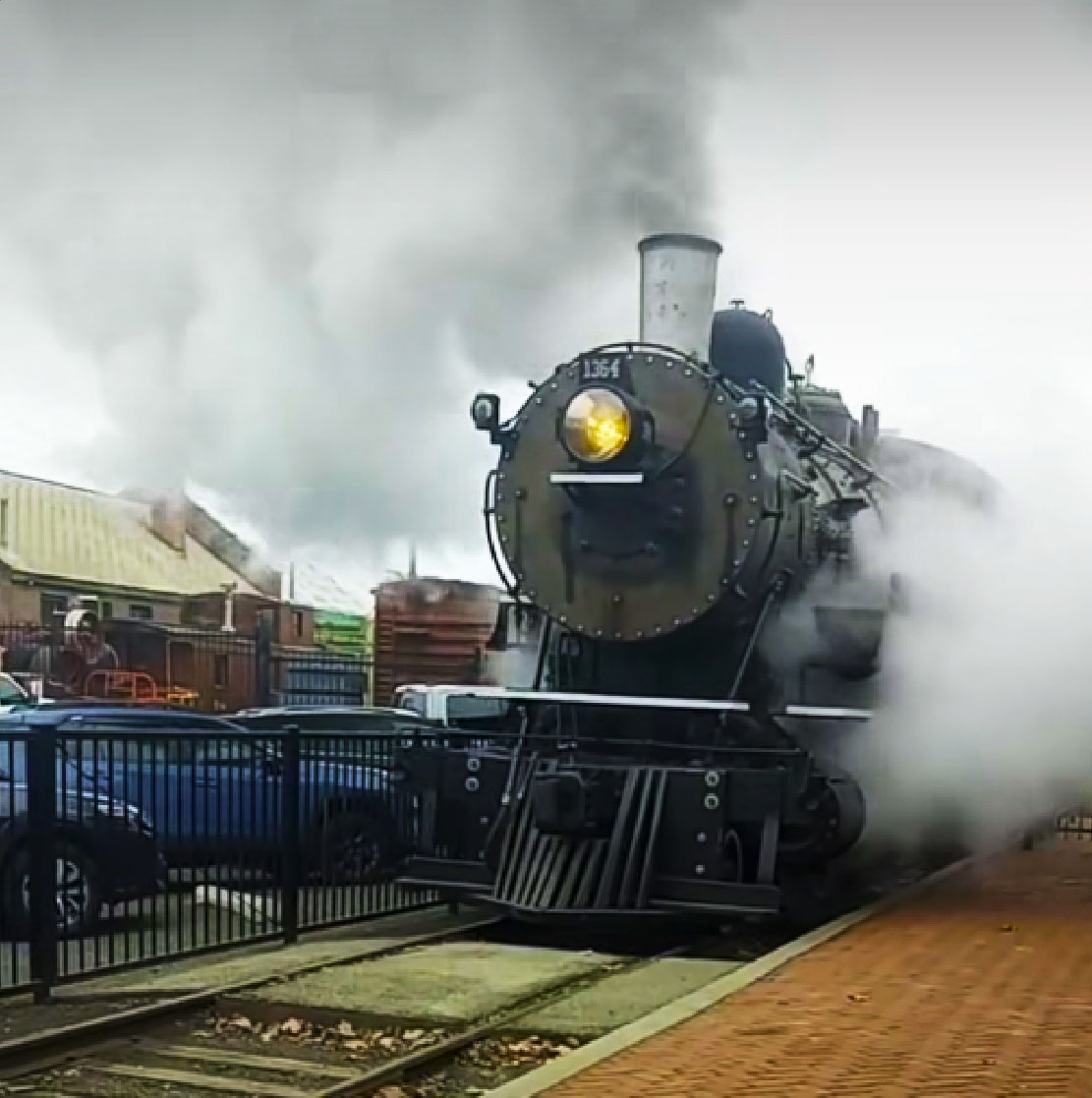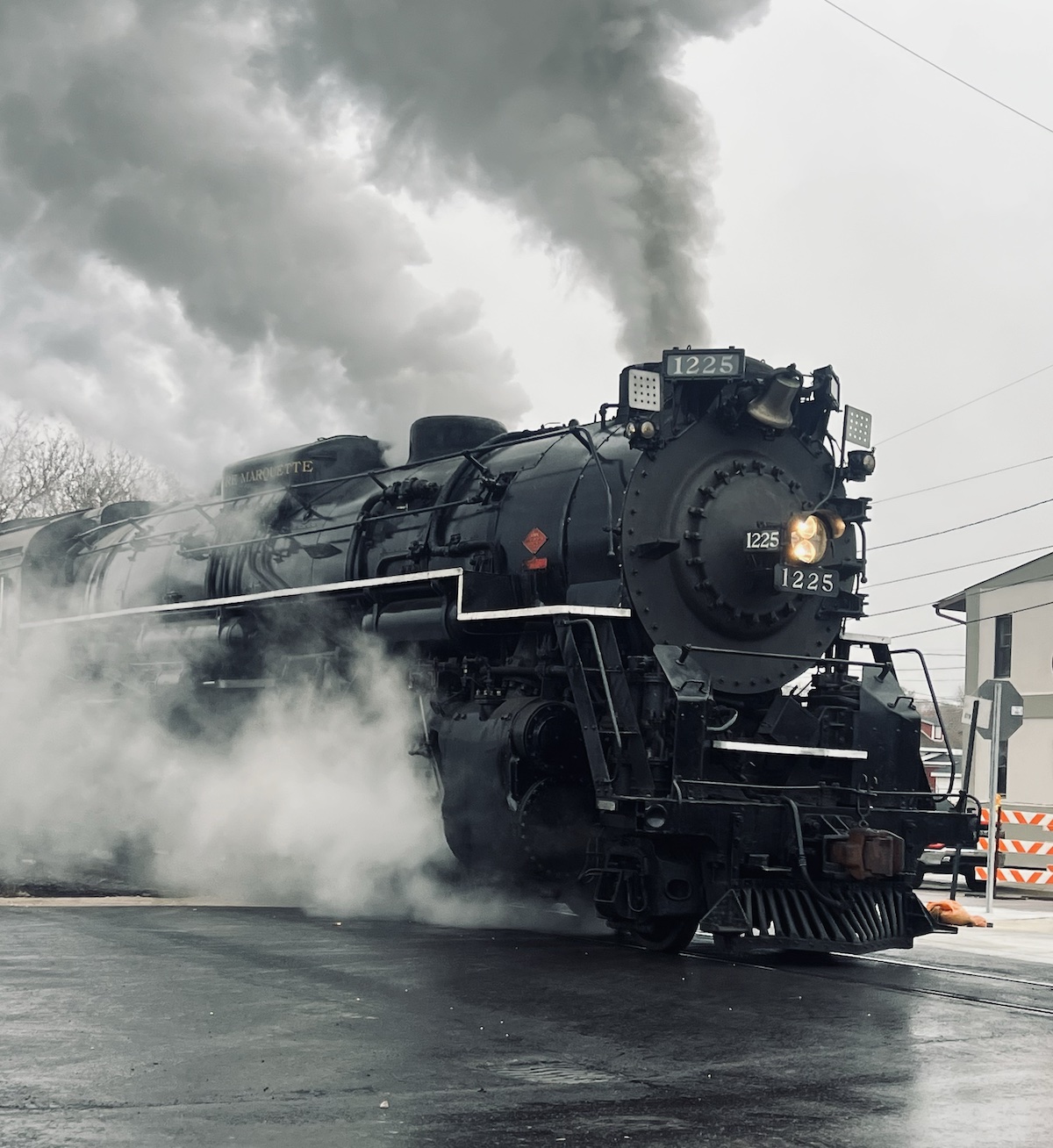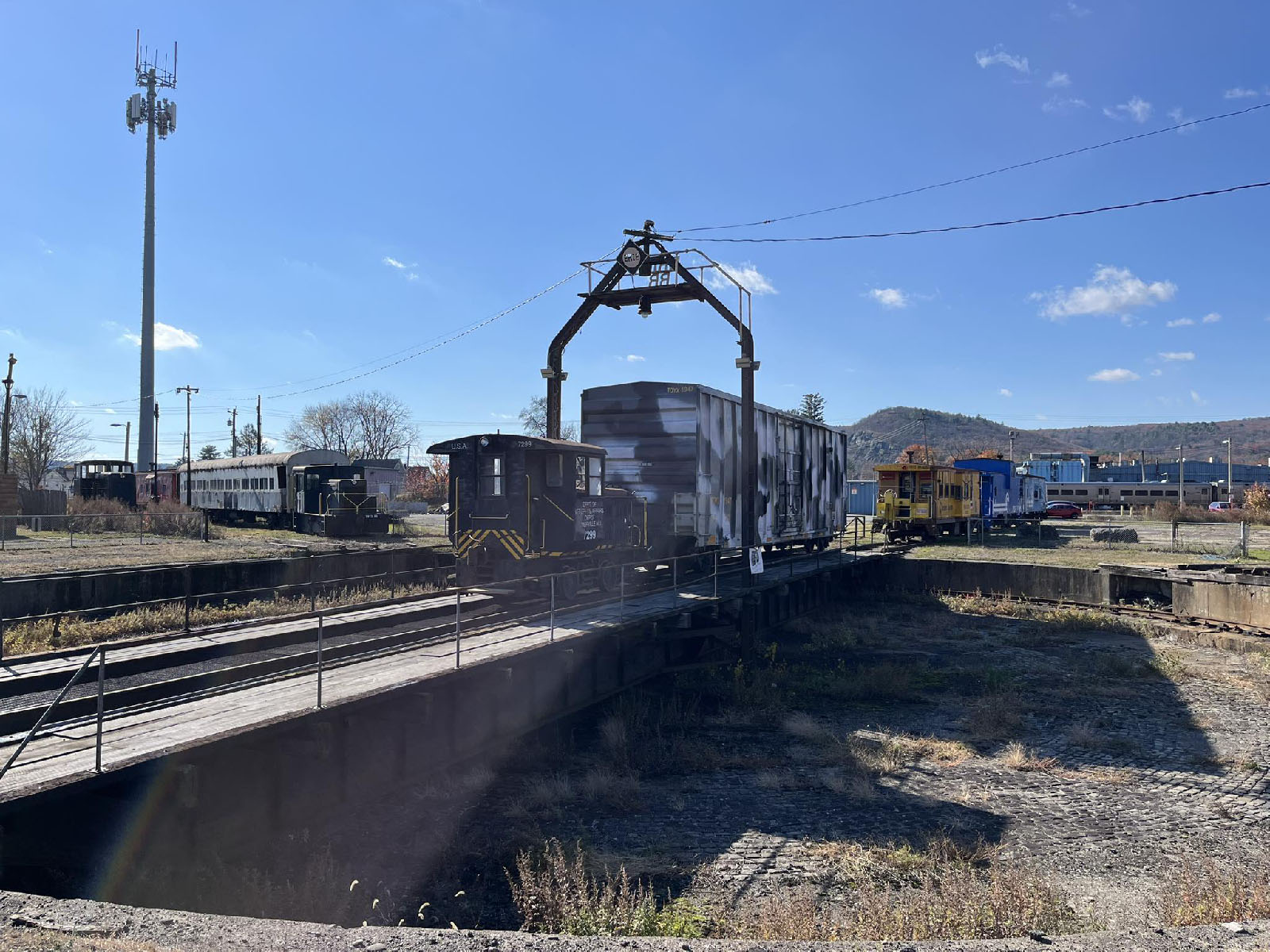
NEW HILL, N.C. — The North Carolina Railroad Museum, home of the New Hope Valley Railway, was recently awarded $280,216 in federal grants to support interactive exhibit development. The new exhibits will illustrate North Carolina’s railroad history and its role in transportation innovation.
The Institute of Museum and Library Services grants will support the creation of 40 interactive exhibits over the next three years. The funds cover approximately 50% of the total estimated development and installation costs, with the balance coming from donors, sponsors, and volunteer efforts.
“We’re grateful to receive these very competitive federal grants but our museum will need support from our friends and greater community to complete the exhibits on schedule and preserve railroad history for all to enjoy,” says Jim Jatko, volunteer chairman of NCRM’s fundraising committee. “Every dollar raised is effectively doubled, thanks to these grants.”
Since 2020, the IMLS has made grants to 36 public and private museums in North Carolina.
The new exhibits, featuring interactive technology, will be installed in seven railcars and locomotives already in the NCRM collection. Created using the principles of Universal Design for Accessible Learning, these exhibits will be fully accessible and double the museum’s current indoor exhibition space.
The state-of-the-art interactive, self-guided learning experiences will include:
Voices from a Golden Age – Learning from Our Technological Heritage
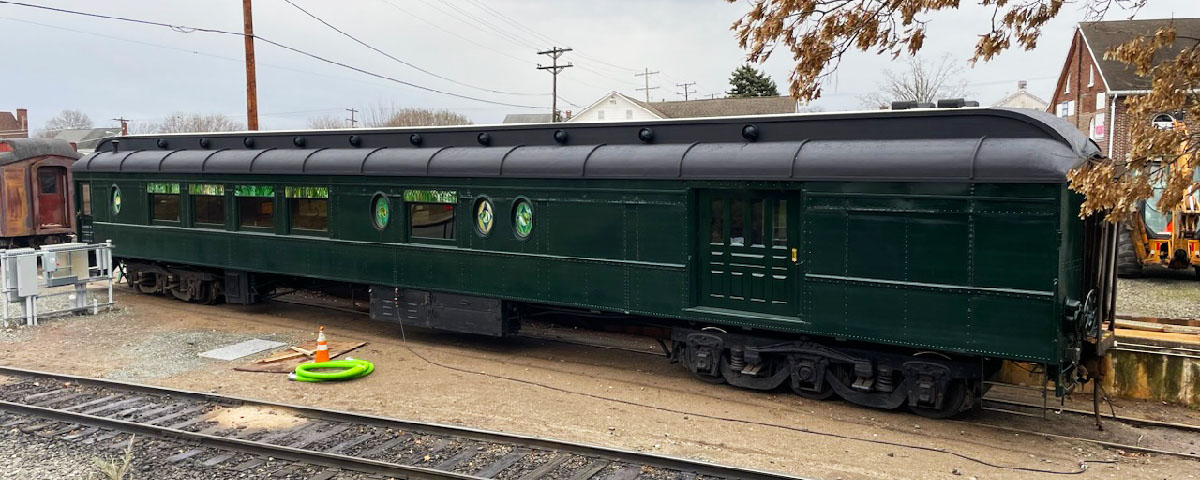
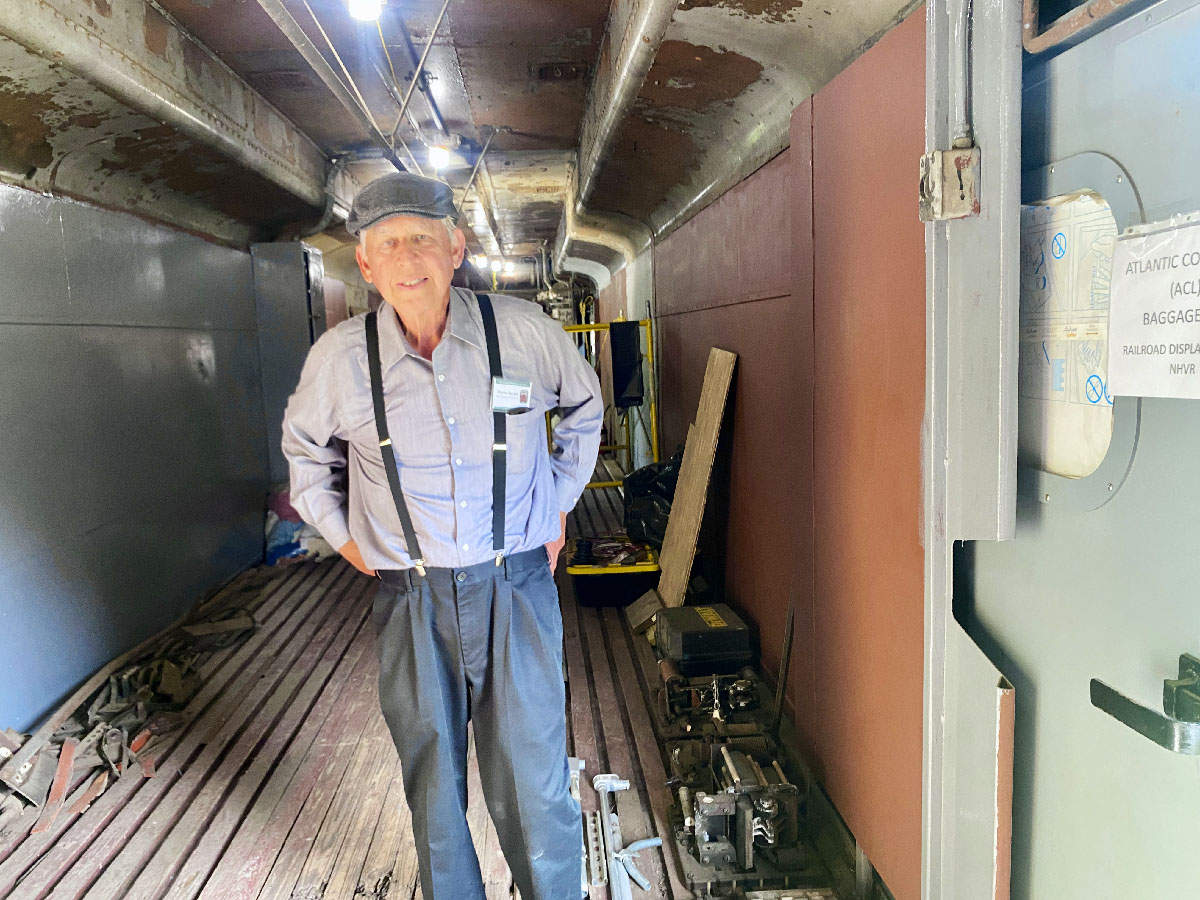
Based around a 1918 Pullman baggage car, a 1968 Nickel Plate caboose, and a 1968 Duke Energy nuclear escort caboose, the exhibit will explore the roles of passenger and freight trains and how each contributed to transportation development. Intertwined will be stories about civil rights, the Pullman porters, and how the railroads moved unusual freight. The exhibit space will feature hands-on pre-K STEM activities and a quiet space to read a railroad book.
Locomotion — The Power to Move, a STEM exhibit
Combining indoor and outdoor elements, Locomotion will provide a hands-on exploration of railroad power, including a look at hybrid power systems — first pioneered by railroads in the 1930s. Based around three diesel locomotives dating to the early 1940s and a 1956 iced-refrigerator car, the exhibit will offer touchable diesel-electric components. Patrons will also be able to explore the physics of motion and various railcar parts.
The museum, which is an all-volunteer organization, is located 30 minutes southwest of Raleigh. For more information about the museum or to contribute in support of this matching grant, please visit its website.