“We’re in limbo for the 2016 season,” Shank tells Trains News Wire. “I would say at this point it doesn’t look good, but that could change.”
Trains News Wire first reported in December that the scenic and historic 20-mile line along the Rio Grande from South Fork to near Creede might be on the market. Now Shank says the small board of directors of the parent Denver & Rio Grande Railway Historical Foundation, which includes his brother Robert, has made it official.
The asking price: $3 million.
“It was a tough decision,” Shank continues. “My heart and soul is in this. Seventeen years of blood, sweat, and tears.”
Time, he adds, finally caught up with the Shank brothers. Vice president Robert Shank is 72, and Don, who worked on the Missouri-Kansas-Texas Railroad in the 1970s and 1980s, is nearing 67 and dealing with ongoing health issues.
“It’s time for us to just look for retirement and pass the reins to someone else,” Shank says. “The next step is to operate full-size equipment, which would increase ridership dramatically.
“We were turning away people last year.”
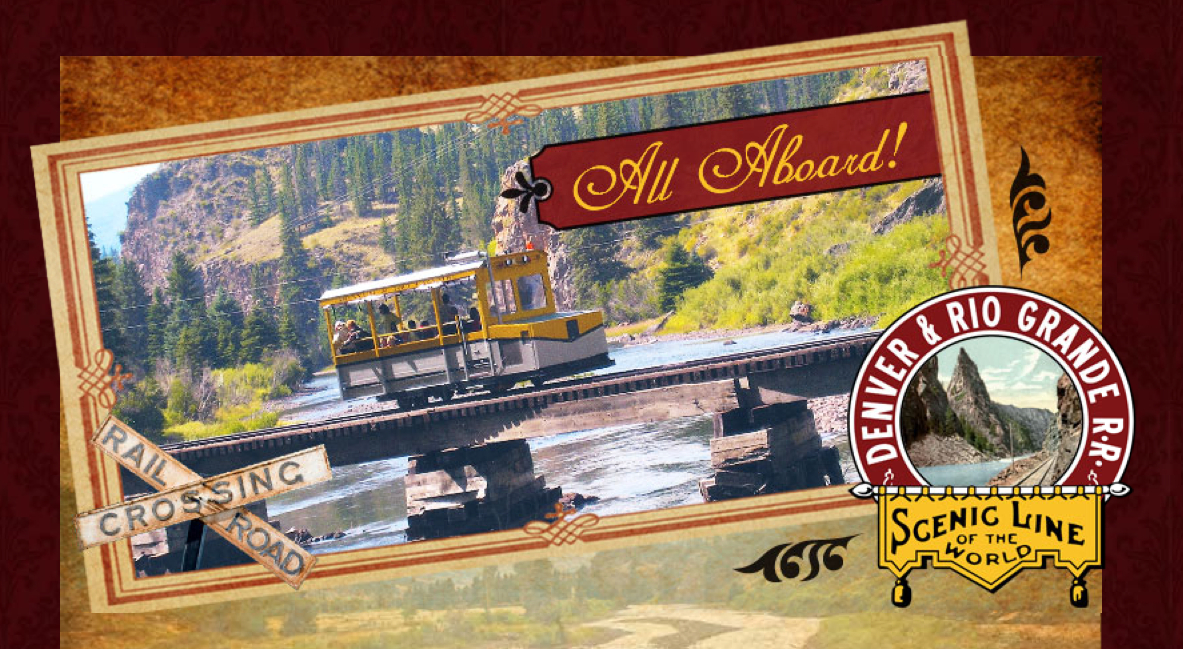
While parties Shank won’t name have expressed interest in the railroad, no one has made an offer. If someone does step up in time, the one-time maintenance-of-way crew car dubbed the Silver Streak may yet run starting Memorial Day weekend.
Originally part of a narrow-gauge empire built in the late 1800s, what became the Creede Branch of the Denver & Rio Grande Western Railroad extended west from Alamosa, Colo., to tap agriculture in the San Luis Valley and silver mines on the mountainous east face of the Continental Divide. The standard-gauge line survived the 1988 combination of D&RGW and Southern Pacific and the 1996 sale of SP to Union Pacific.
In 1999, citing zero traffic over the previous two years, UP filed to abandon the 21.6 miles from Derrick at South Fork into Creede. That’s when Shank stepped in with the foundation submitting a formal Offer of Financial Assistance with the Surface Transportation Board and stopping abandonment proceedings.
Ultimately the foundation bought the line for $625,000.
Years of litigation followed, however, as residents and business interests in Creede, the county seat of Mineral County, fought to keep tourist trains out of the community. In 2008, the STB granted their request for adverse abandonment of the last mile of rail within the town limits.
“It was a conversation we had a couple of months ago about concerns raised by some of our constituents,” Mineral County Administrator Janelle Kukuk says. “There is a long history of the railroad between South Fork and Creede. At this point the commission sees no need to do anything that would lessen that history.”
A year after the Creede decision, the foundation began carrying tourists as far as Wagon Wheel Gap under the business name, Denver & Rio Grande Railroad. Passengers rode in the 14-seat Silver Streak, a Nordberg Spiker the Chicago & North Western converted to a crew car and later overhauled by Colorado railroad volunteers.
The Silver Streak also hauls rafts on a trailer for rafters who float the Rio Grande back to South Fork. The railroad has also hosted groups of owners of track speeders affiliated with the North American Railcar Operators Association.
“I’ve poured my life savings into this,” Shank says. “After the long, long litigation with Creede and everything that took place, I was bound and determined even if it would take me being out there with a spike maul to get this railroad operational.”
He credits the line’s survival to his family and the many volunteers who helped support his vision and worked to maintain track and operations.
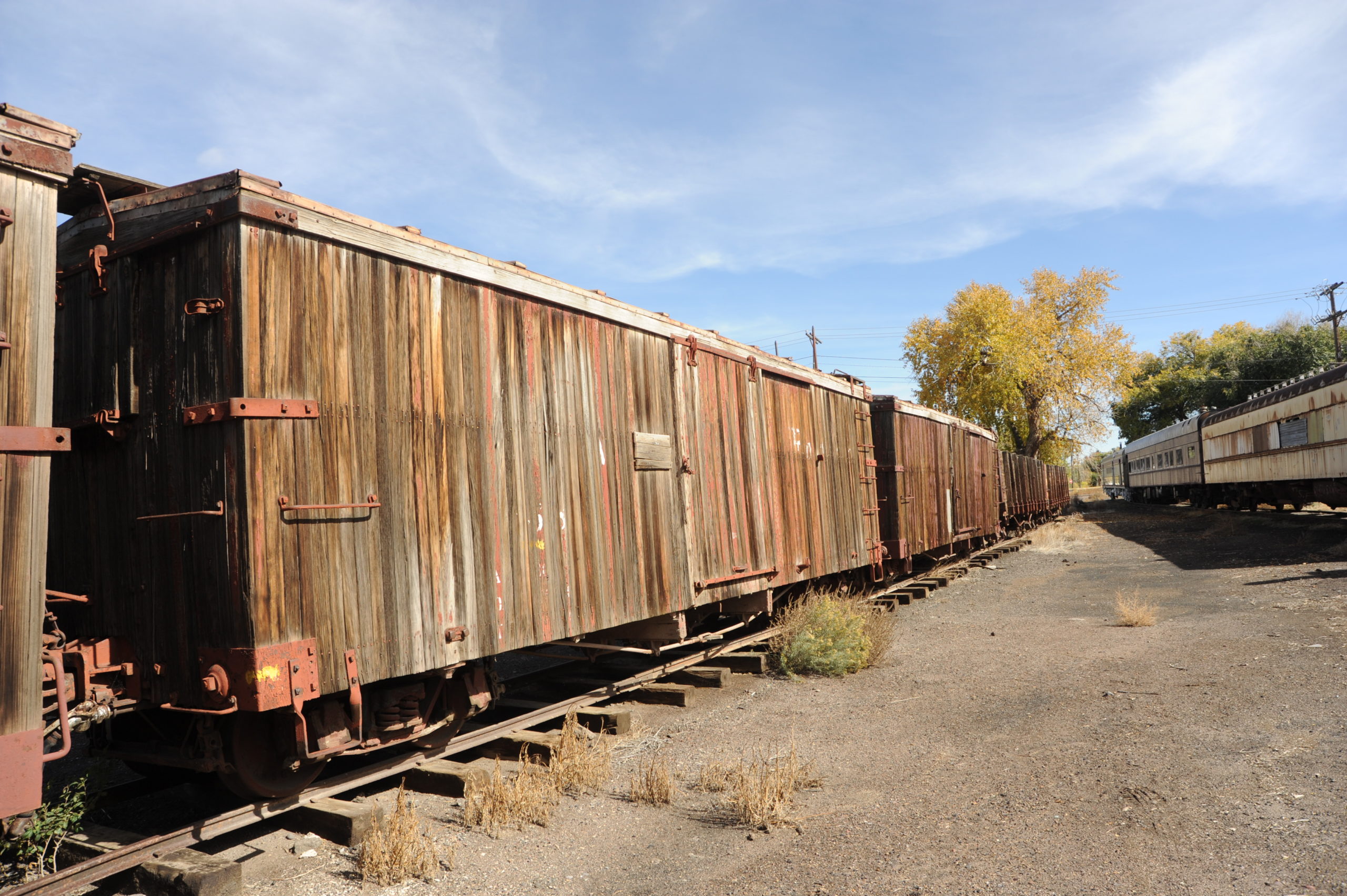
Shank’s recent legal troubles involved a dispute with the city of Monte Vista where he stored rolling stock adjacent to the San Luis & Rio Grande Railroad, his shortline connection to the outside world. There he lost a zoning fight and was forced to remove some equipment including five ex-D&RGW narrow-gauge stock cars donated and moved to the Cumbres & Toltec Scenic Railroad at Antonito, Colo.
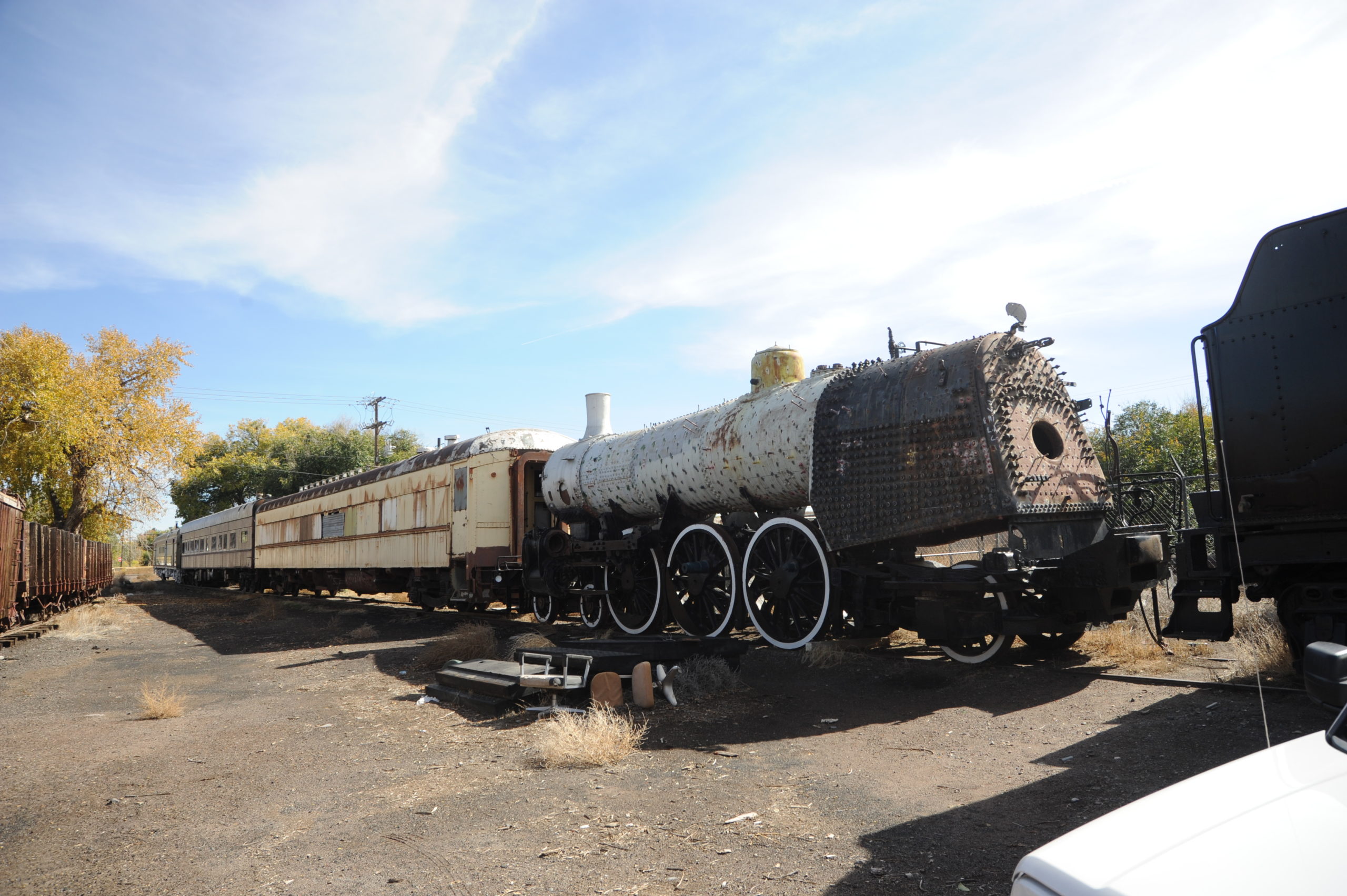
Older equipment predating the zoning change remains including partially restored ex-Florida East Coast No. 148, a 1920 Alco 4-6-2. Parked at the D&RG station in South Fork are GE 44-ton center-cab No. 40, believed to be the oldest surviving D&RGW diesel, and a private car and coach both dating to around 1900.
More information on the Denver & Rio Grande Railroad is available on the railroad’s website.