“Absolutely, there certainly are elements of the Precision Scheduled Railroading methodology that we think makes sense,” CEO Patrick Ottensmeyer said in response to an analyst question during the railroad’s earnings call on Friday morning.
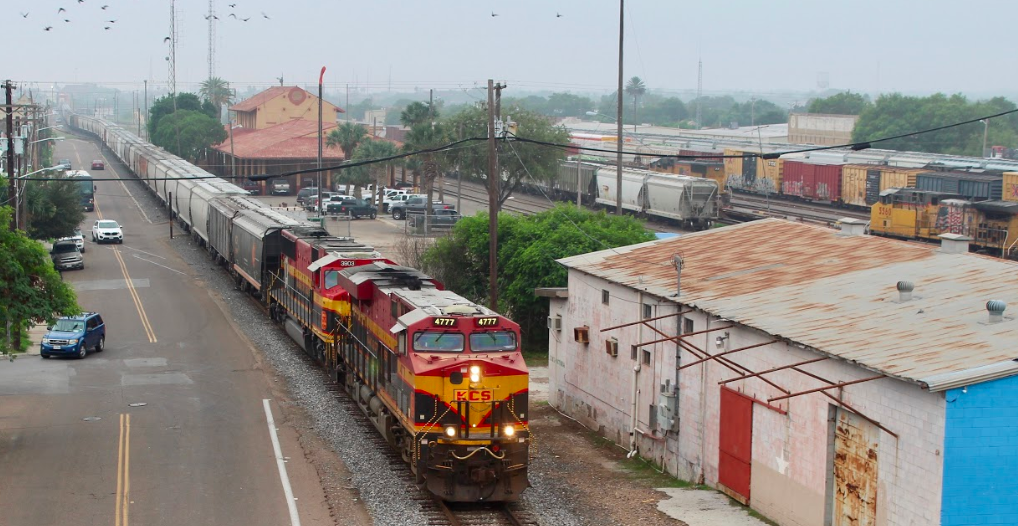
KCS is focusing on lean processes, trip-plan compliance, and improved utilization of locomotives, cars, and crews.
“We are working through all of those things on an ongoing basis and we think they can be helpful to getting us through the service issues and the congestion issues we’re experiencing now,” Ottensmeyer says. “We’re also paying very close attention to what’s going on with our interchange partner Union Pacific. Obviously they are implementing their own version of Precision Scheduled Railroading with the Unified 2020 Plan.”
UP is rolling out a first phase of operational changes this month on its Mid-America Corridor linking the Midwest, Chicago, and Texas.
KCS is heavily dependent on UP: It relies on a combination of trackage rights and its own rails on the cross-border corridor between Beaumont and Laredo, Texas. And UP accounts for more than half of the traffic that crosses the International Railway Bridge at the Laredo gateway bound to and from KCS de Mexico.
“The magnitude and degree of our interchange with UP is really going to dictate that we cooperate and in some cases probably follow their lead on some changes in their operating philosophy,” Ottensmeyer says.
KCS is open to making changes that will improve its operations, Ottensmeyer says.
Harrison’s rapid implementation of Precision Scheduled Railroading at Canadian National, Canadian Pacific, and CSX Transportation was accompanied by disruption that led to months of service problems.
UP has pledged to roll out operational changes slowly and in regional phases to minimize the potential for problems.
“We’re staying on our toes,” Ottensmeyer says. KCS is in close communication with UP at all levels and will adjust its operating plan as required.