SAN FRANCISCO — San Francisco is far from a center of cutting-edge computer technology — when it comes to its light rail system.
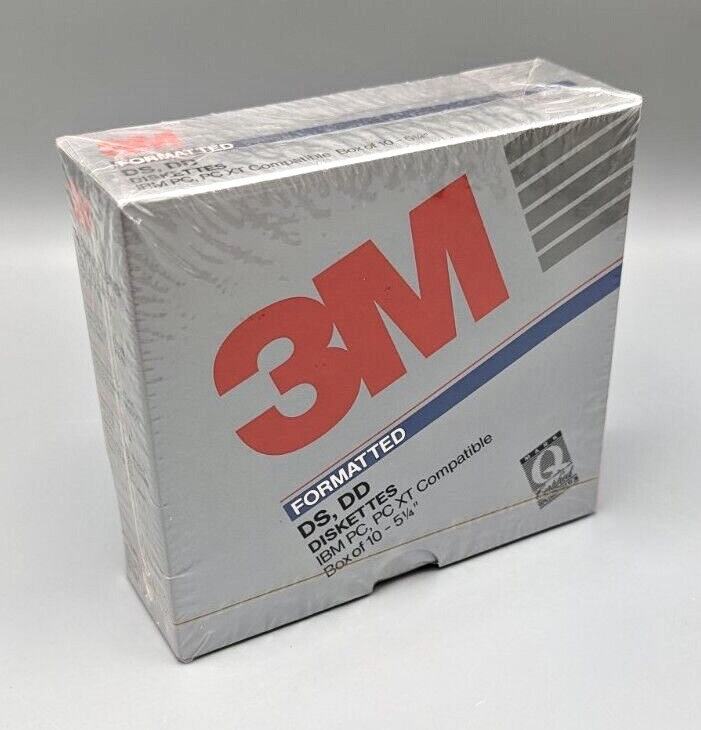
KGO-TV reports that a portion of the San Francisco Municipal Transportation Agency, or Muni, rail system still uses an Automatic Train Control system installed in 1998 that requires its software to be loaded with obsolete 5¼ -inch floppy disks each morning.
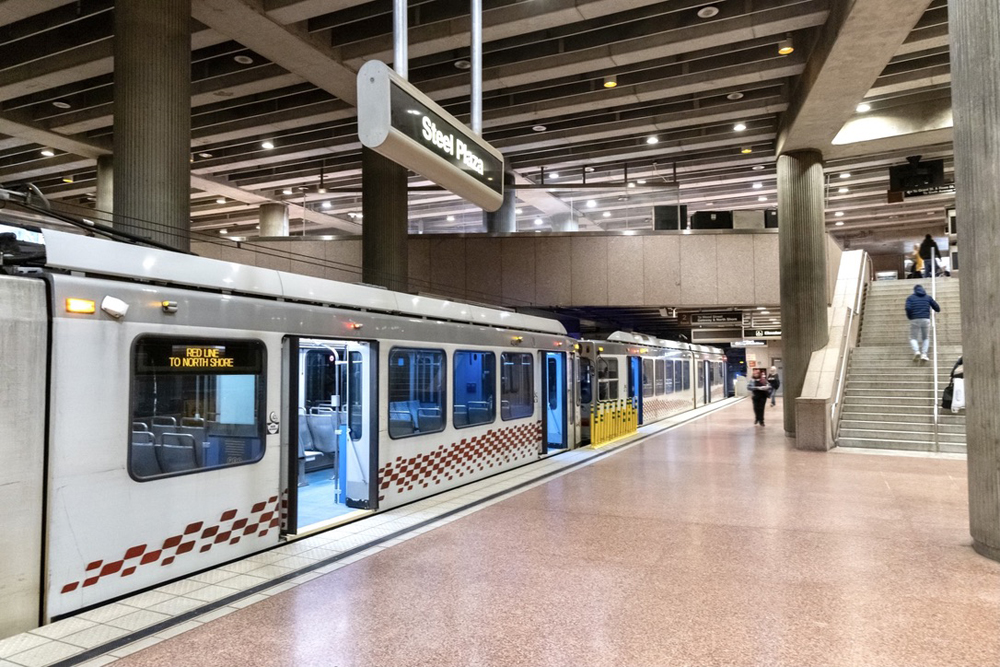
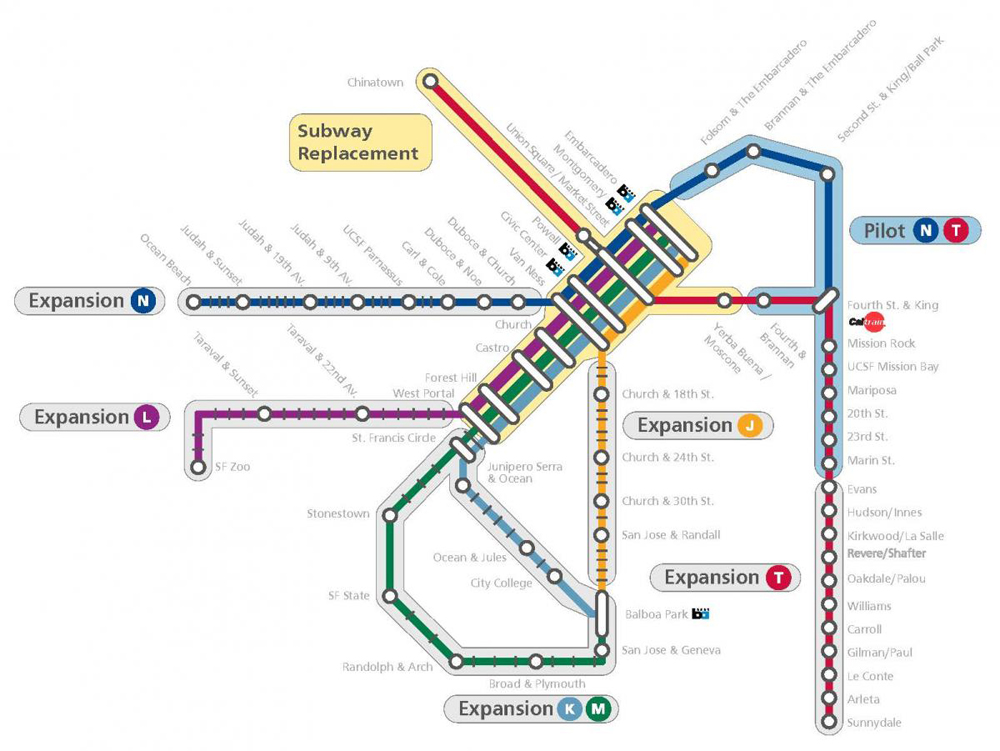
That system operates the Market Street Subway, the 3-mile, seven-station tunnel used all or in part by five Muni light rail routes (BART trains operate on a second level for part of the tunnel). Jeffrey Tumlin, Muni’s director of transportation, told the station that while the system is still reliable after 26 years, it was designed for a life of 20 to 25 years.
“It’s a question of risk,” Tumlin said. “The system is currently working just fine but we know that with each increasing year, risk of data degradation on the floppy disks increases and that at some point, there will be a catastrophic failure.”
A decade-long, multi-million dollar effort, the Train Control Upgrade Project, aims to upgrade the entire Muni system with Communications-Based Train Control, a wi-fi or cellular-based system that provides continuous communication and will allow real-time tracking of every light rail vehicle. Currently, above-ground trains are tracked by GPS, but Communications-Based Train Control is more accurate. The agency is still seeking state and federal funding to help with the upgrade, Tumlin said. The project has fallen behind its original schedule and remains in the planning phase; completion is projected for 2029.
In the meantime, as Tumlin told KQED-TV last year, the agency needs some job skills that aren’t exactly cutting edge: “We have to maintain programmers who are experts in the programming languages of the ’90s in order to keep running our current system. So we have a technical debt that stretches back many decades.”
Those individuals have a huge role to play when there are issues, Muni spokesman Stephen Chun told the San Francisco Standard: “We recognize that any failure of the outdated equipment is certain to impact everyone working on or riding Muni. Fortunately, our crew makes the difference between these failures crippling the system for weeks or for just a few hours.”
Share this article