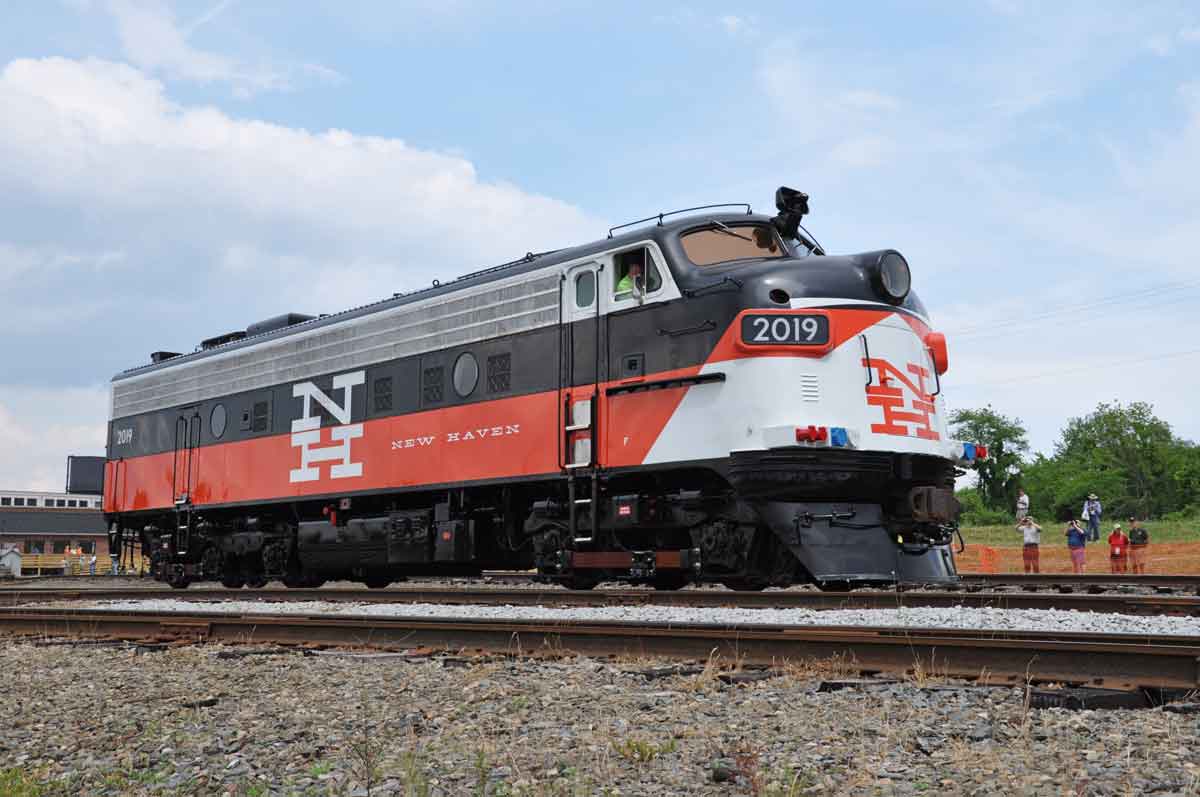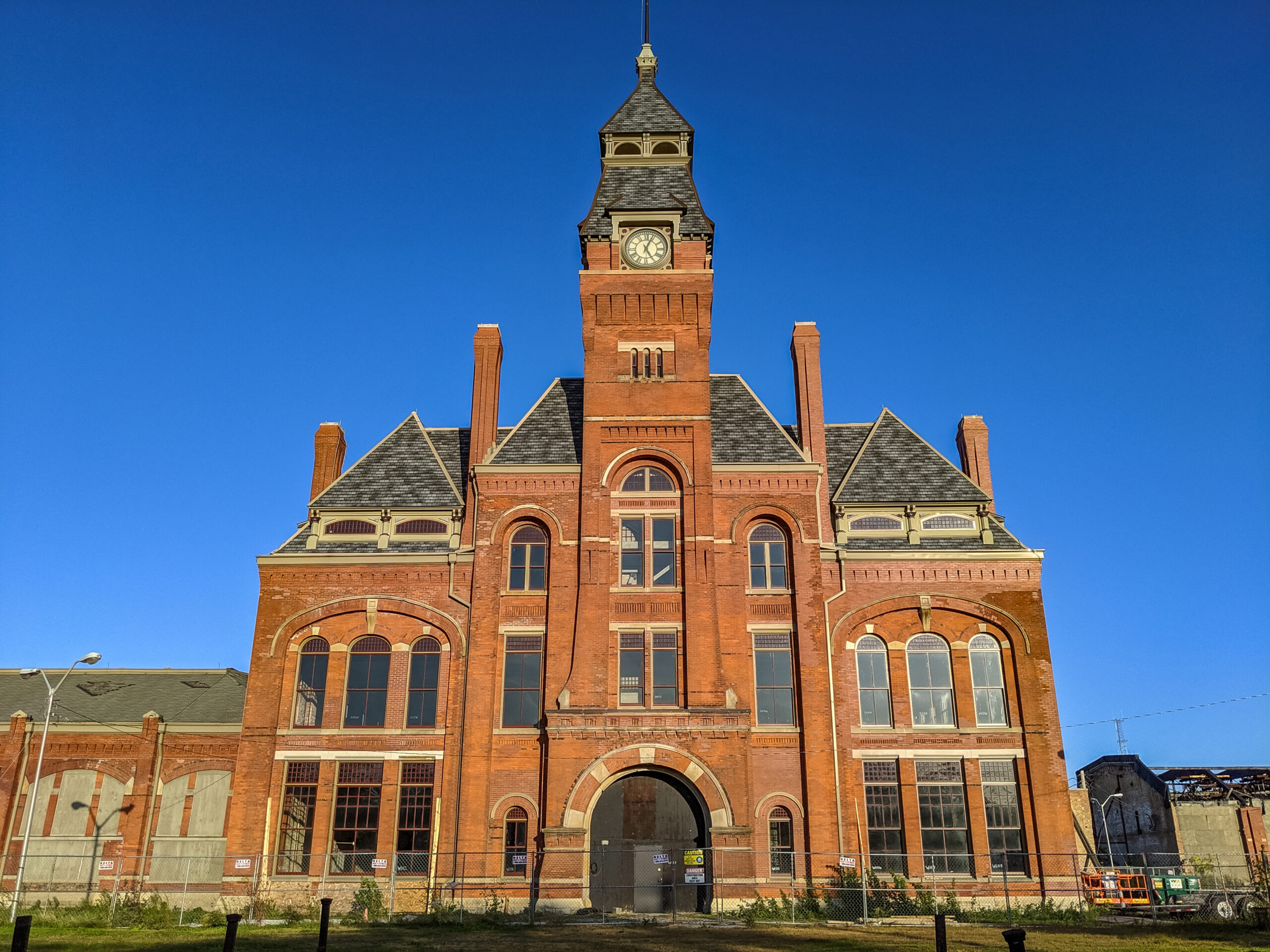
CHICAGO — Norfolk Southern has made a $250,000 contribution to help create an interactive exhibit at the Pullman State Historic Site and Pullman National Historical Park that will give visitors a chance at a close-up experience with historic railcars, including those once manufactured at the site.
The Historic Pullman Foundation and Illinois Department of Natural Resources announced the commitment today (Sept. 1), coinciding with the second anniversary of the Park’s Labor Day weekend grand opening. It recognizes Pullman’s significant historical impact on the American labor and civil rights movements as well as U.S. railroading.
The exhibit is still in the planning phase, but is expected to restore about 1,000 feet of track and an accompanying yard, as well as a display structure over the yard, in front of the Rear Erecting Shop adjacent to 111th Street to protect the exhibit cars.
“Displaying these railcars will truly bring to life the story of rail innovation celebrated at the national park and state historic site,” said Joseph C. Szabo, president emeritus of the Historic Pullman Foundation former administrator of the Federal Railroad Administration. At the request of the National Park Service and with Illinois support, Szabo is facilitating an extensive collaboration involving Norfolk Southern and a range of experts to explore exhibiting railcars at the site, which would respond to great visitor demand for a railcar experience at Pullman.
“If this proposed project is approved, visitors would be able to get a first-hand view of what passenger train travel was like during its heyday,” Szabo said. “There is still much work to be done, but the generous support of Norfolk Southern is a vital first step towards the long-term vision for Pullman.”
Herbert Smith, Norfolk Southern regional vice president, government relations, said, “Rolling historic railcars from different eras directly onto the property will transform Park visitors’ experience. We couldn’t be more excited for the public to see first-hand our nation’s evolution in rail transportation from the beginning.”
Planning began earlier this year with an engineering and operational fesability study. The proposal would include restoration of a spur off NS’ Chicago Pullman Branch to directly serve the former Pullman manufacturing plant.
“In connecting the rail car exhibit to an active rail network, the spur would help park visitors to visualize Pullman’s historic role involving civil rights and fair labor while also demonstrating how the community is continuing to evolve as a center of investment for the Far South Side, the city and the region,” said Chicago Mayor Brandon Johnson.
The Pullman site was designed a National Monument by President Barack Obama in 2015. Industrialist George M. Pullman built a model town to house workers at his luxury rail car factories in the late 19th Century. Although his goal was “to cure the social ills of the day, the tight control he exercised over his workers helped spark one of the nation’s most widespread and consequential labor strikes and the journey of the Pullman porters toward the civil rights movement of the 20th Century,” according to a report from Congress, which designated the site a National Park in December 2022.
More information on the Historic Pullman Foundation is available here; information on the National Historic Park is here and the State Historic Site is here.
Share this article