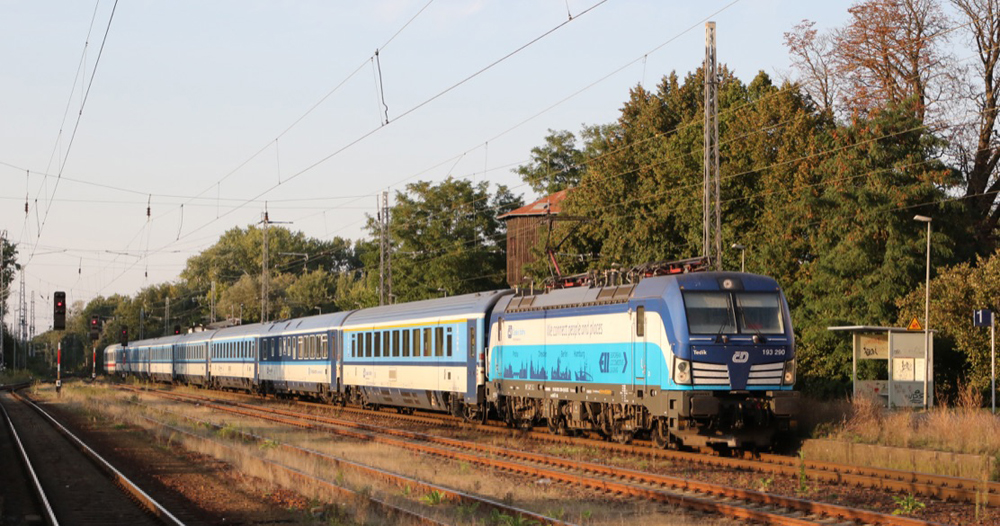
Trucks in Germany are now paying higher tolls to use main highways, with the extra money to be invested in the country’s government-owned rail network.
The new tolls were effective July 1. The new funds will address a rail system that is suffering in places from a high level of use by both passenger and freight trains, but seeing limited investment in new track, signalling, and power systems. This is leading to daily disruptions due to infrastructure failings.
The tolls have been expanded both in terms of roads and vehicles. Tolls previously limited to the 9,400-mile Autobahn network, comparable to the U.S. interstate system, are now charged on all federal-status roads, or Bundestrasse, quasi-analogous with U.S. state highways. This increases the total road network on which tolls are assessed to around 34,500 miles. Tolls are now charged on all commercial vehicles over 3.5 tons (a typical large delivery van) rather than the previous 7.5 tons (a small truck).
Germany introduced tolls for the heaviest trucks on the Autobahn network in 2005 with a series of camera and sensor-based systems that span the roads collecting data. Truck drivers or owners need electronic accounts to pay the tolls as there are no traditional toll booths, although some vending machines exist at truck stops allowing payment. Over the next decade, progressively more and smaller vehicles have been included in the system but the expansion introduced this month means the system now covers almost every road freight journey, including last-mile deliveries by companies like DHL or UPS.
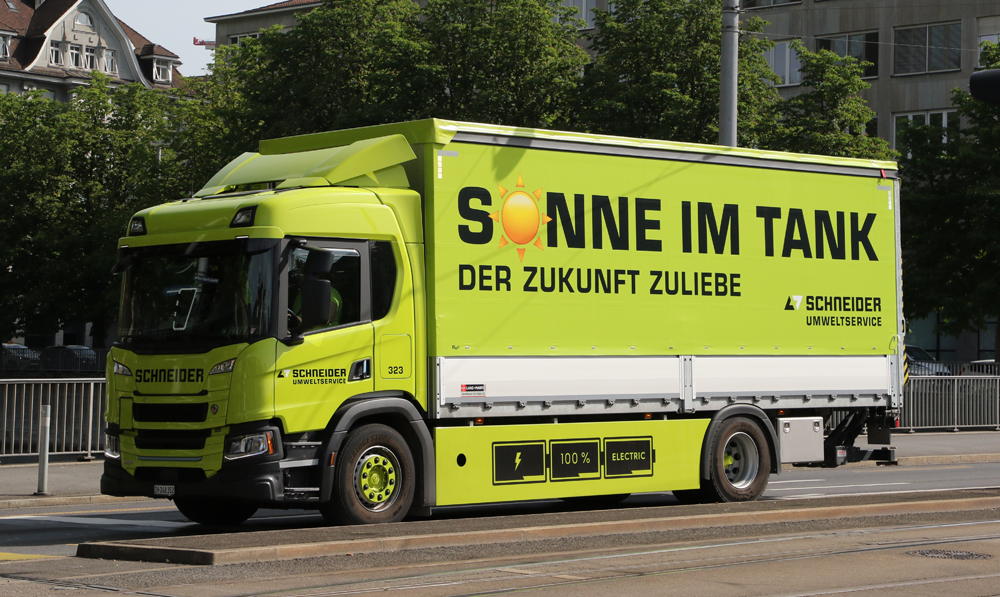
As of Jan. 1, 2024, a surcharge of €200 ($220) for every metric ton of CO₂ emitted will be added to the toll, effectively doubling the cost in many cases. Emission-free trucks (of which few are currently in use in Europe) do not have to pay this and pay reduced tolls as well. This is designed to encourage companies to buy electric or alternative-power trucks.
Organizations representing German road haulers have said the increased toll costs will harm their business and, along with an ongoing shortage of skilled drivers, will increase overall transport costs in Germany and across Europe.
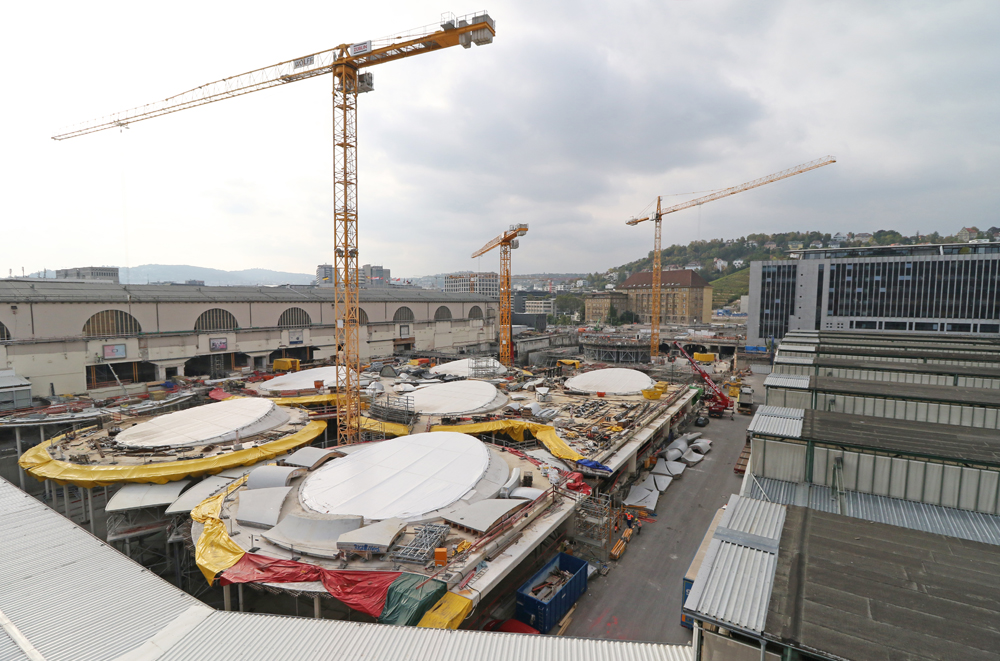
The big change along with the toll increases is a legally binding commitment by the German government to invest the proceeds in the rail network infrastructure. Organisations supporting rail transport think this will make a big difference long term. National rail lobby group Allianz pro Schiene (Pro-Rail Alliance) welcomes the fact the tolls will raise €15.2 billion ($16.6 billion) annually, compared to €8 billion ($8.75 billion) previously, and that unlike before, a large part of the money will be invested in the rail network rather than put back into the road budget.
Both government and rail industry advocates believe the combination of future rail infrastructure improvements and higher road transport costs should help rail freight gain market share.
Following Swiss example
Other European countries charge truck tolls, but most use the money to maintain roads or fund other expenditure. The new German plan is, however, not entirely original. A similar approach has been in use in Switzerland for two decades with a “performance-based heavy goods vehicle charge” levied on road freight vehicles over 3.5 tons.
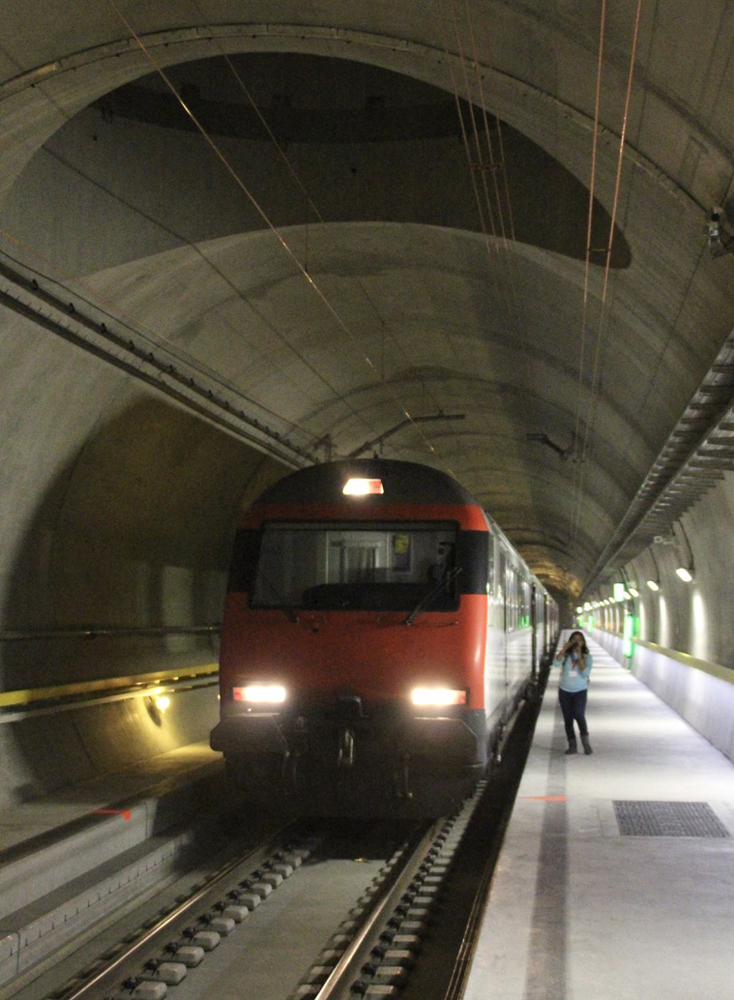
The fee is based upon distance travelled on all Swiss roads (although international road traffic is restricted to certain routes), plus vehicle weight and emissions. This system raises over $1.5 billion each year, with two-thirds used by the Swiss government to fund rail projects and the remaining third for road maintenance. The major new rail tunnels built under the Alps — such as the $9 billion Gotthard Base Tunnel, which opened in 2016 — were largely funded over decades by these tolls, along with fuel taxes paid by motorists.
The Swiss have also attempted to divert freight from road to rail, raising the cost for a truck transiting across the country from Germany to Italy, while simultaneously reducing the charges for rail freight operators running trains on the same route using the new base tunnels.
Share this article