FORT WORTH, Texas – BNSF Railway’s second-quarter earnings improved as volume and revenue surged compared to a year ago, when the onset of the pandemic led to historic traffic declines.
BNSF’s operating income rose 32.5%, to $2 billion, as revenue increased 26%, to $5.6 billion, the railroad’s parent company, Berkshire Hathaway, reported on Saturday. The railroad’s quarterly operating ratio improved 0.7 points, to 60.4%.
Overall, BNSF’s volume increased 24.5%, as all four business groups posted double-digit increases.
Consumer Products traffic, which includes intermodal and automotive, was up 27.4%. “The volume increases resulted from growth in intermodal in both international and domestic shipments driven by increased retail sales, inventory replenishment by retailers and increased e-commerce activity, as well as from growth in automotive shipments,” Berkshire Hathaway said in its regulatory filing.
Industrial Products volume was up 18.4%, led by construction and building products shipments. That growth, however, was partially offset by reduced petroleum products shipments due to reduced demand and production in the energy sector.
Agricultural Products volume was up 13% due to higher grain exports and increased shipments of ethanol and related commodities.
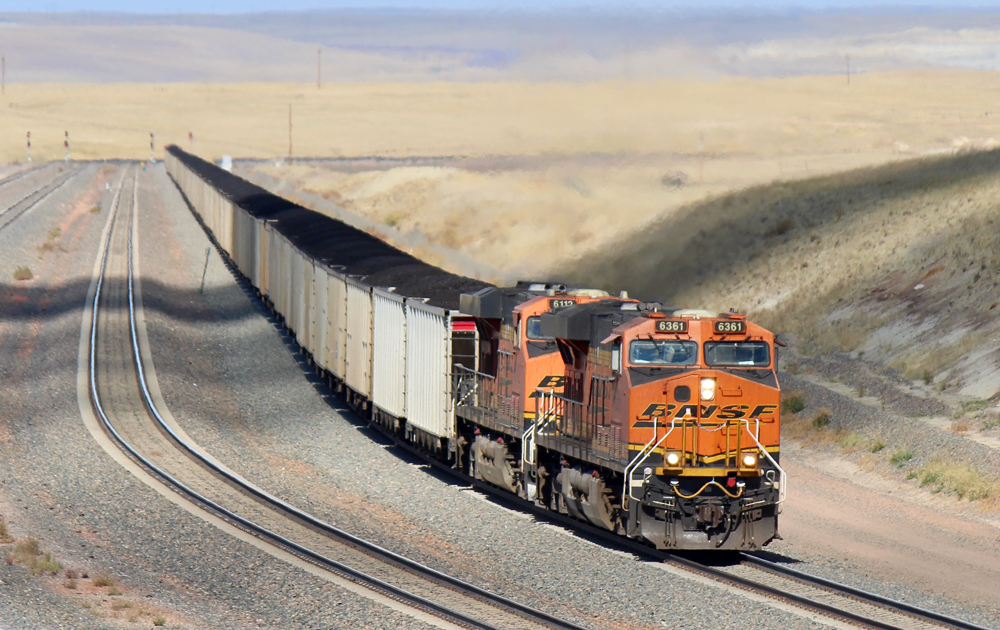
Coal traffic was up 31.5%. “Volume increases in 2021 were attributable to increased electricity generation and higher natural gas prices and from utilities rebuilding inventory in the second quarter after draw-downs earlier in the year,” Berkshire Hathaway said.
Operating expenses grew 24.5% due to higher volumes and higher fuel prices, which were partially offset by productivity improvements.
Share this article