
Whistle signals

Whistles

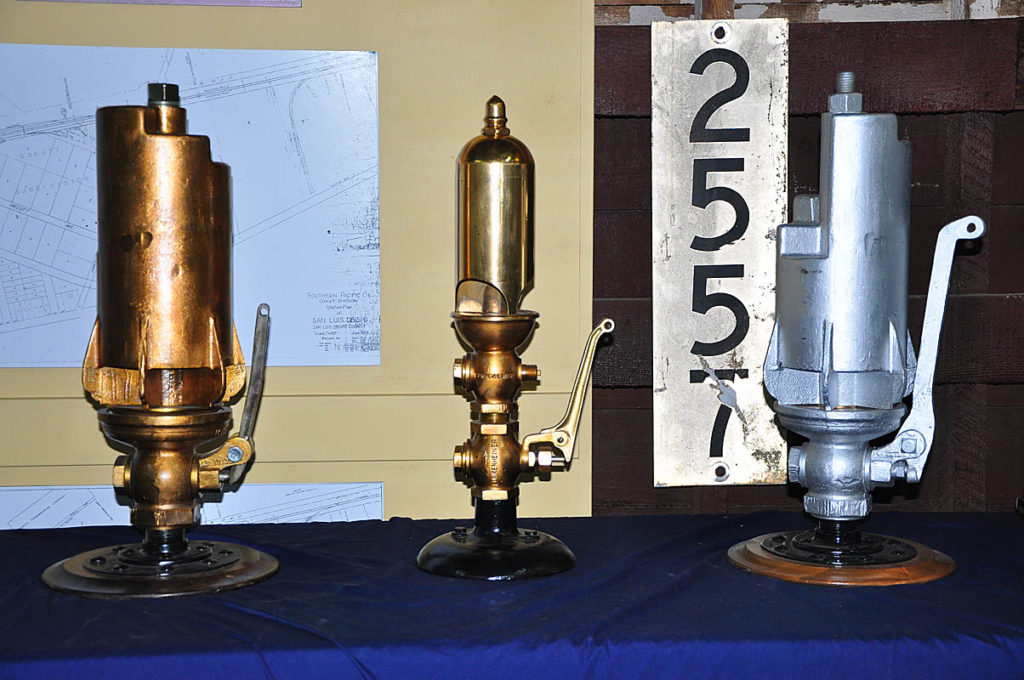
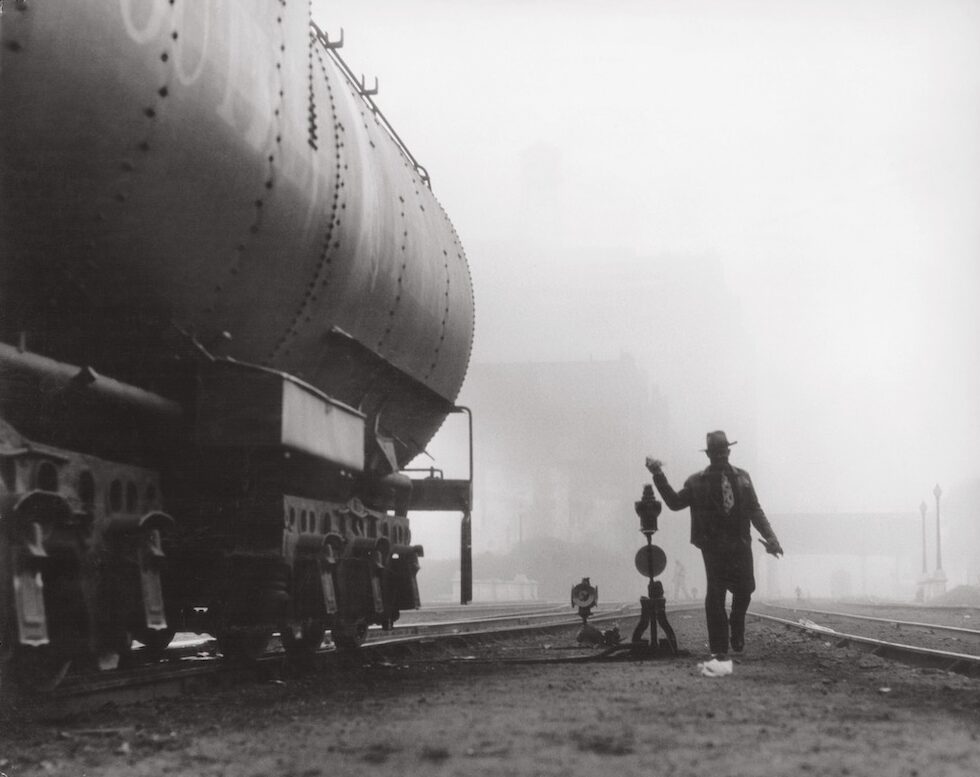
Before radio communication came into wide use in the 1960s, a locomotive’s whistle was an important tool in conveying information to other employees, both on and off the train, and many signals were on the books. The General Code Of Operating Rules, used by many railroads, contains the following list of whistle signals and their […]

Read More…

Remote railroading in Alaska

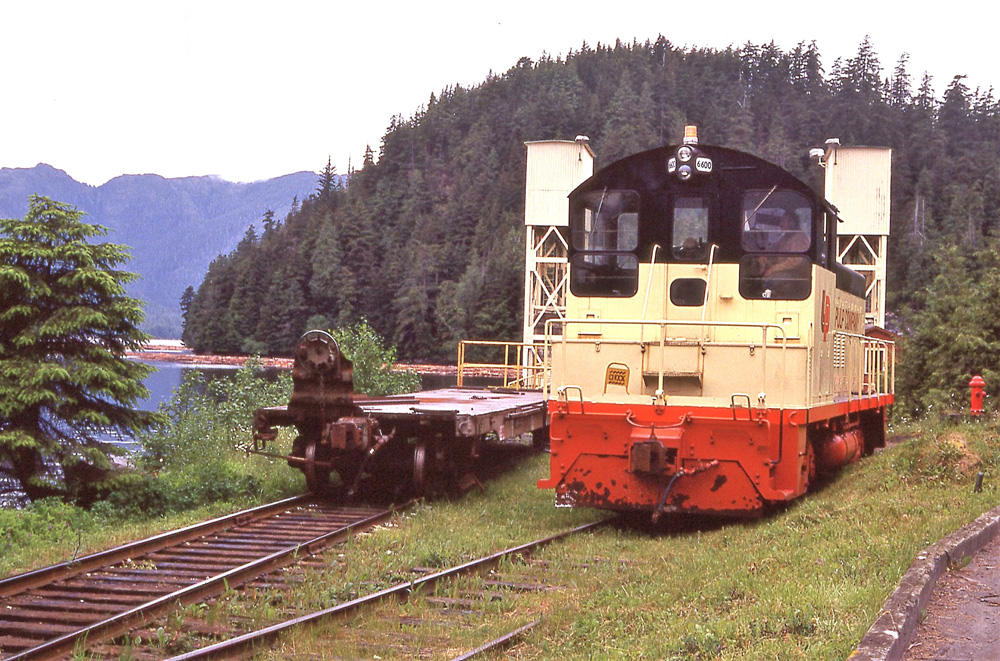
yellow and red switcher with idler flat

Alaska is a state like no other. It is the largest in the Union but has fewer than 800,000 residents. There is only one currently operating “mainline” railroad. Local trains still stop in the middle of nowhere for off-the-gridders needing transportation to and from traditional towns. Outside its cities, villages, and oil exploration sites, it […]

Read More…

Where does distributed power go?

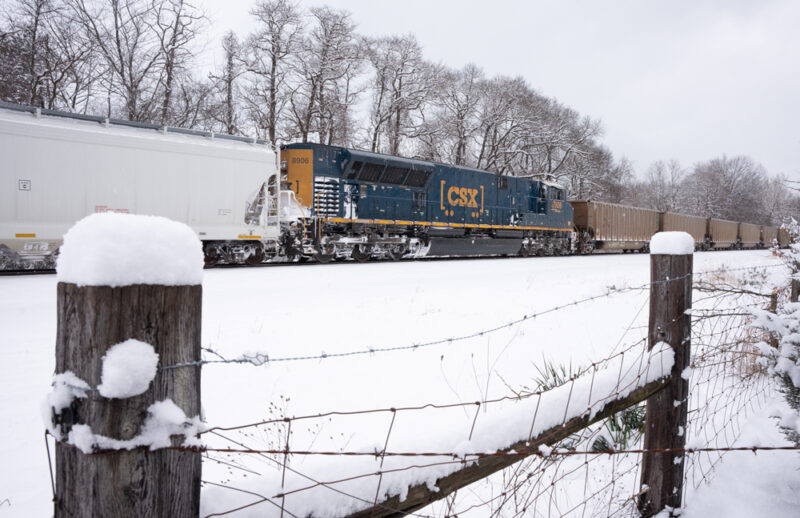
blue and gold locomotive on track with snow

Distributed power Placing locomotives at various locations within a train is nothing new, although the latest technology has improved the operation and extended the length of trains. The adoption of Precision Scheduled Railroading by most Class I railroads accelerated the push to make trains longer, lowering crew starts, and improving train handling in most situations. […]

Read More…

Railroad heritage freight cars

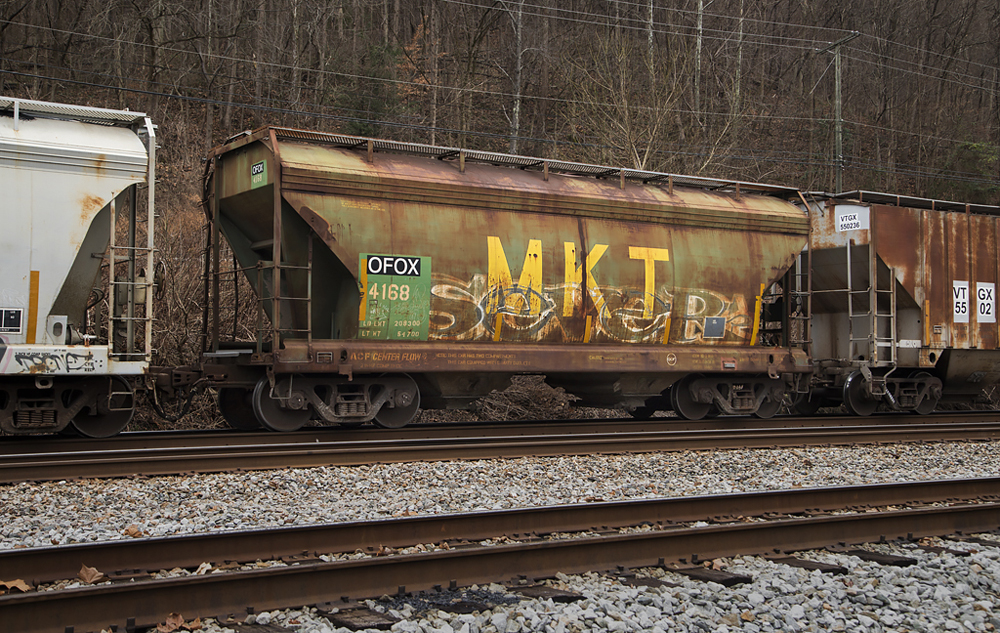
An old freight car covered with graffiti.

Railroad heritage freight cars: Appreciating the liveries of our favorite fallen flag railroads on the mainline today is mostly limited to the predecessor railroads remembered by Class I railroads’ heritage programs. Norfolk Southern, Union Pacific, and Canadian National collectively recognize more than 30 fallen flag railroads with paint schemes adapted on modern locomotives. Beyond official […]

Read More…

When refrigerated freight cars break down

broke down reefer car

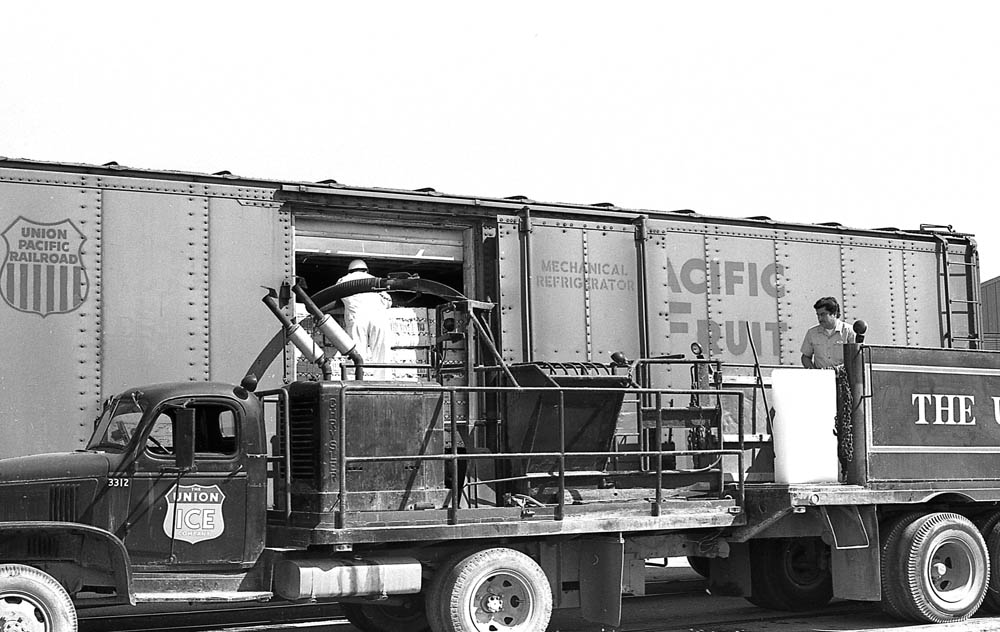
Refrigerated freight cars Progress can give us good, time-saving machinery and concepts our forefathers could have never dreamed of. In the right circumstances, progress allows us to do things quicker, faster, more efficiently, and at a better price point. But it is not necessarily more soul stirring. Diesel-electrics are great to watch hauling long trains […]

Read More…

Upgrading communications for distributed power

Mid-train locomotives in grain train following river

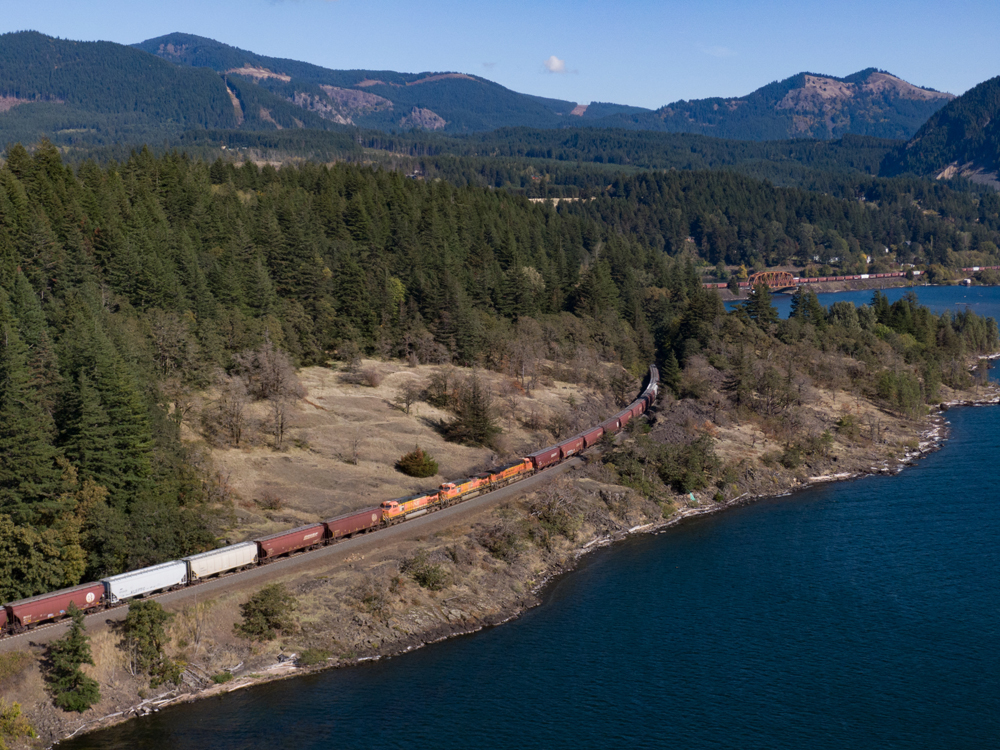
Distributed power In North America, the railroad network is firmly entrenched with operating longer trains. Technology such as distributed power, which places engine consists at different points in a train, has made longer trains safer and easier to handle from an engineer’s point of view. Maintaining reliable constant communication to control these unmanned remote locomotives, […]

Read More…

Class I railroads 101

Class I railroads Class I railroads: If you’re in your car watching a long 100-car freight train roll over a grade crossing, chances are good that the train belongs to one of the Class I systems. The Class Is operate 70% of the total track miles in the U.S., employ 73% of the labor force, […]

Read More…