
Industrial scenes, a restored steam locomotive, aged diesels, and other model railroad photos

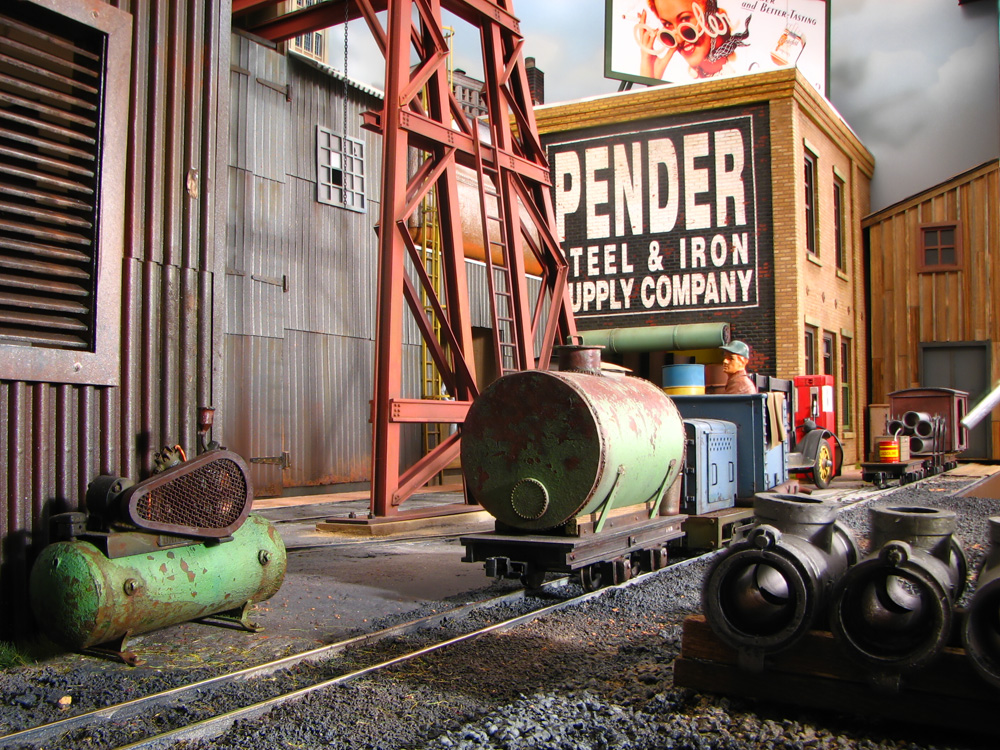
A man on a small industrial shifter moving a tank car on narrow gauge tracks is dwarfed by surrounding industrial buildings

  Trackside Photos is a showcase for the work of Model Railroader readers. Send your photos (digital images 5 megapixels or larger) to: Model Railroader, Trackside Photos, P.O. Box 1612, Waukesha, WI 53187-1612; or upload them to http://fileupload.kalmbach.com/contribute. For our photo submission guidelines, contact associate editor Steven Otte at sotte@mrmag.com. […]

Read More…

Build a large-scale shipping container for your garden railroad

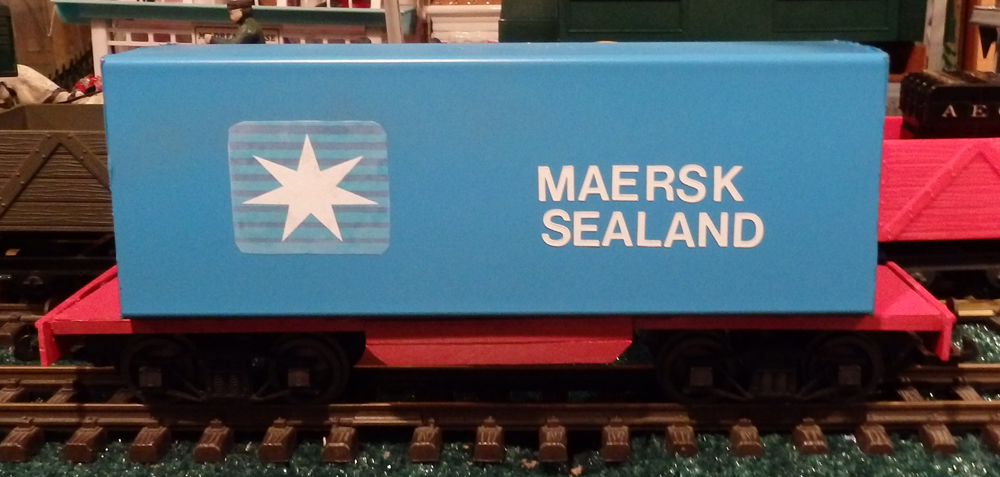
Scratchbuilt large-scale container car load

Intermodal container cars are a staple of modern railroads. Anyone who models the current era on their garden railroad will want a number of these, both on the rails and waiting for shipment. While several commercial models are available, I found a less expensive way to make them. Standardized shipping containers are essentially rectangular boxes, […]

Read More…

Ballast track easily

Applying Woodland Scenics Scenic Cement with pipette.]

On Model Railroader’s Beer Line project layout, which was set in 1947 Milwaukee, I ballasted the track on the entire layout using a favorite technique. I used a 50:50 blend of Highball Products Light Gray and Dark Gray limestone ballast, which looks similar to ballast used by the Milwaukee Road [Highball Products ballast is no […]

Read More…

Tips for better passenger cars: Car height

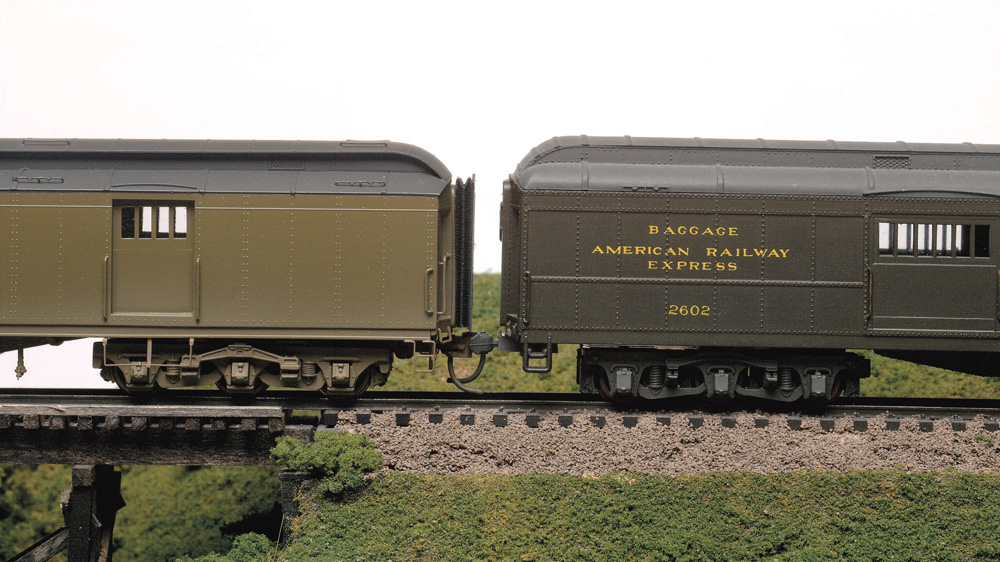
Two olive green HO scale heavyweight passenger cars are compared for height.

The height of freight cars can vary tremendously, but passenger car heights were very consistent in late steam/early diesel times. Most heavyweight cars, including the Pullman Co.’s standardized sleepers, measured 14 feet from the rails to the top of the roof. It’s important to me to know that Atchison, Topeka & Santa Fe heavyweights were […]

Read More…

The Indiana & Aurora: A beginner’s HO scale layout from one sheet of plywood

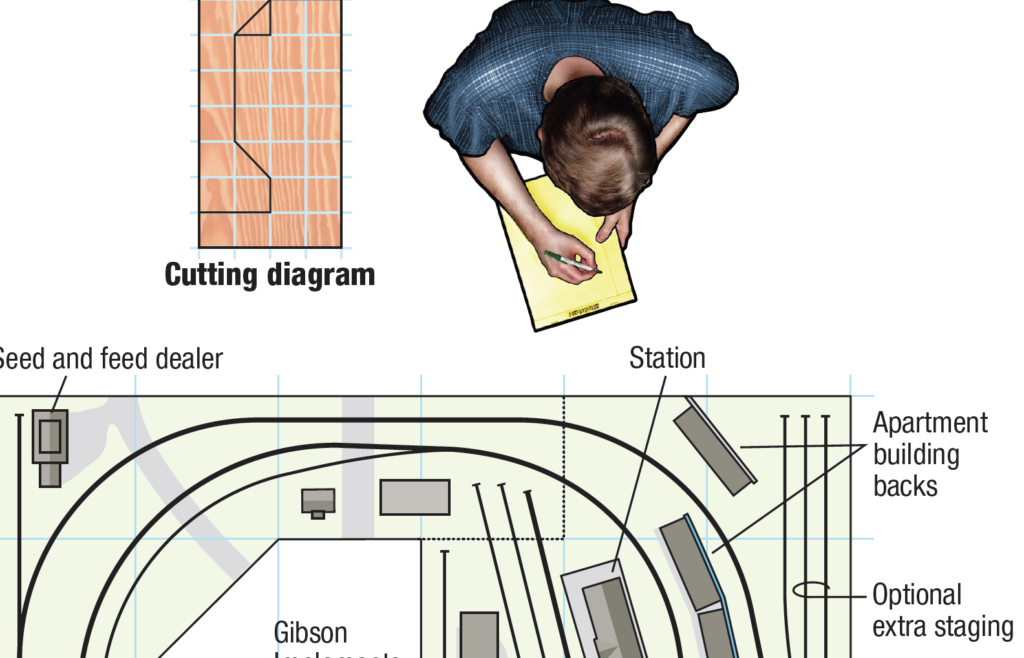
Track plan

Many model railroaders base their first layouts on 4 x 8 sheets of plywood, for obvious reasons. A flat tabletop is a lot easier to build than L-girder benchwork, and almost any home has room for a 4 x 8 table at one side of a bedroom or den. Great things have been done on […]

Read More…

How to use a water level on your garden railroad

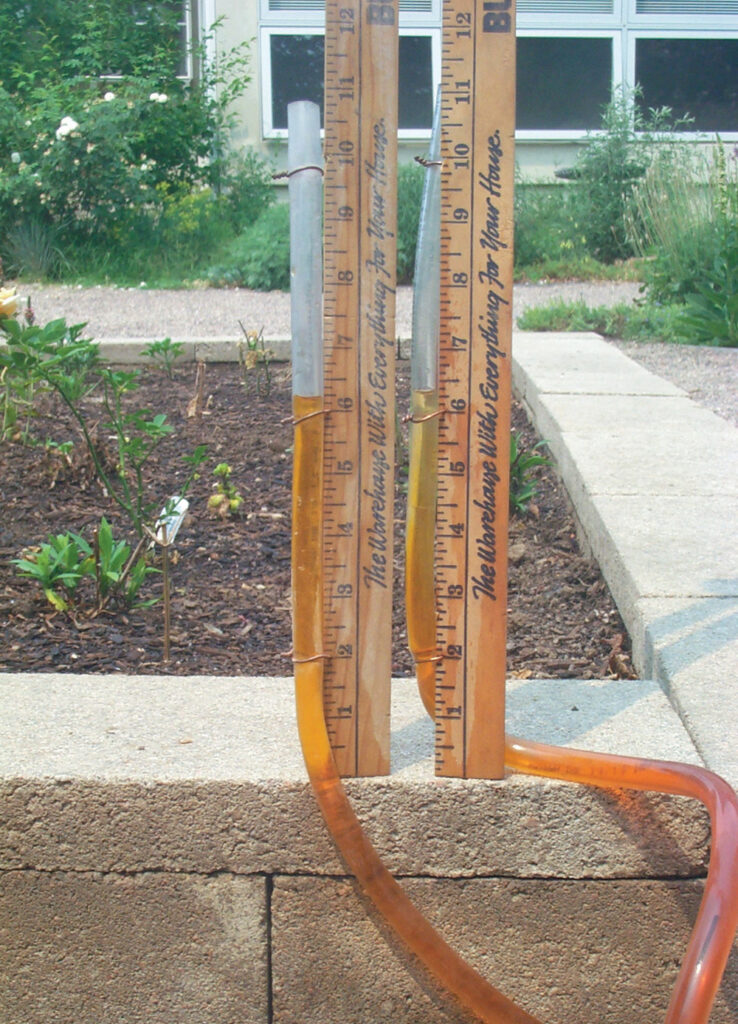
Homemade water level zeroed out.

A water level is a low-tech but precise way of measuring relative elevation in your yard. By using a water level, you can either find out how much elevation there is from one point to another or, if you are trying to make your railway level, it will tell you when you are there if […]

Read More…

10 tips for using MTH Trains’ RealTrax

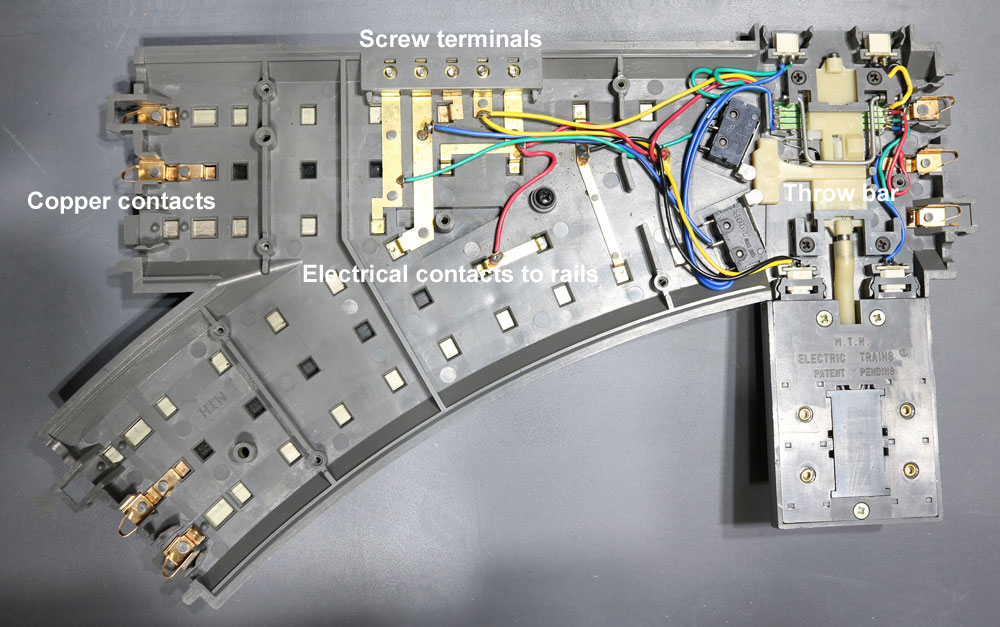
RealTrax switch with bottom cover removed

Here are a few tips and tricks when working with MTH RealTrax:   The two ground rails are not tied together. This is true for other track systems using non-metallic ties, including those from Atlas O and GarGraves. If you add a switch, you need to add a lockon and make sure it’s on the […]

Read More…

Cut door and window openings

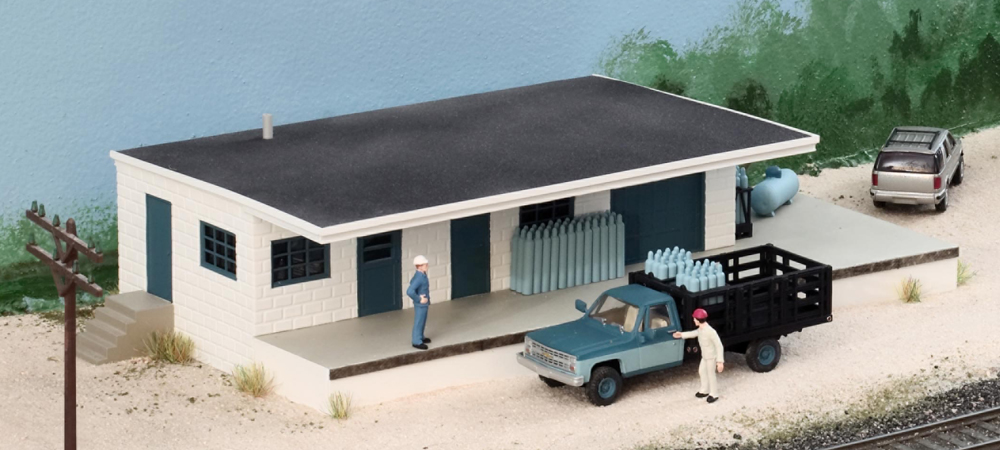
HO scale liquefied petroleum gas dealer at Hales Corners on Milwaukee, Racine & Troy.

I enjoy scratchbuilding structures from styrene because it’s easy to cut, it takes glue well, and it’s readily available, 1. Though cutting wall sections is easy, making door and window openings can be tedious. However, with the Nibbler cutting tool, you can cut openings quickly and accurately. The Nibbler is a hand-operated punch-and-die tool that […]

Read More…