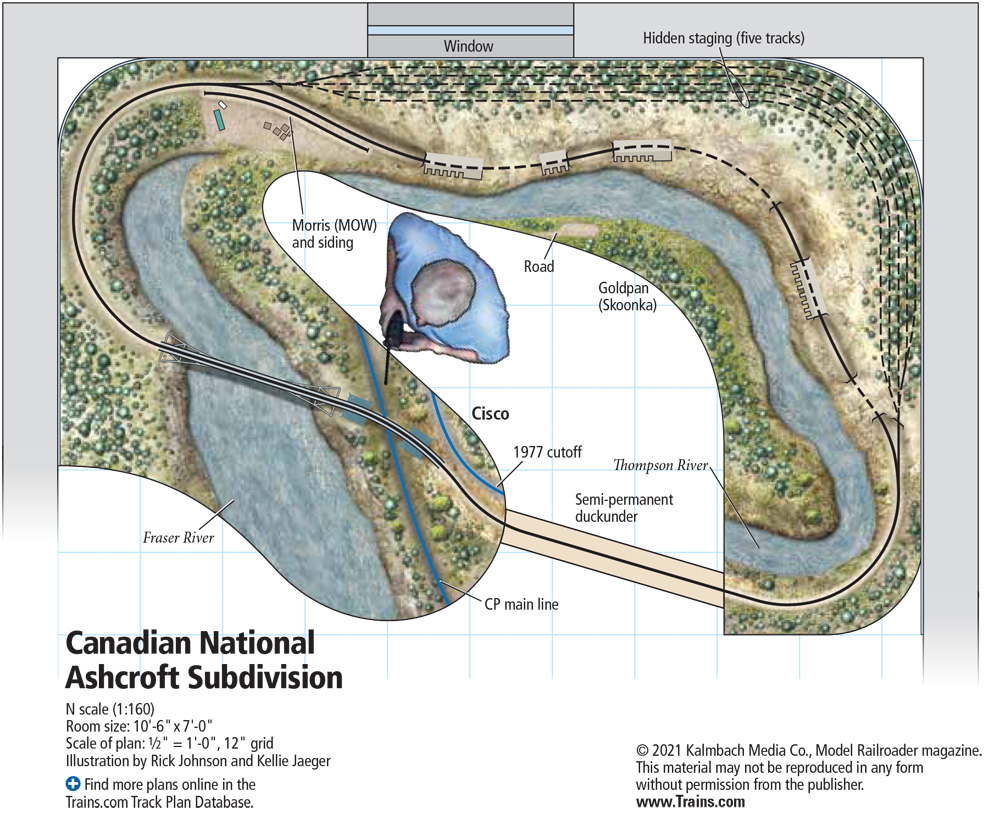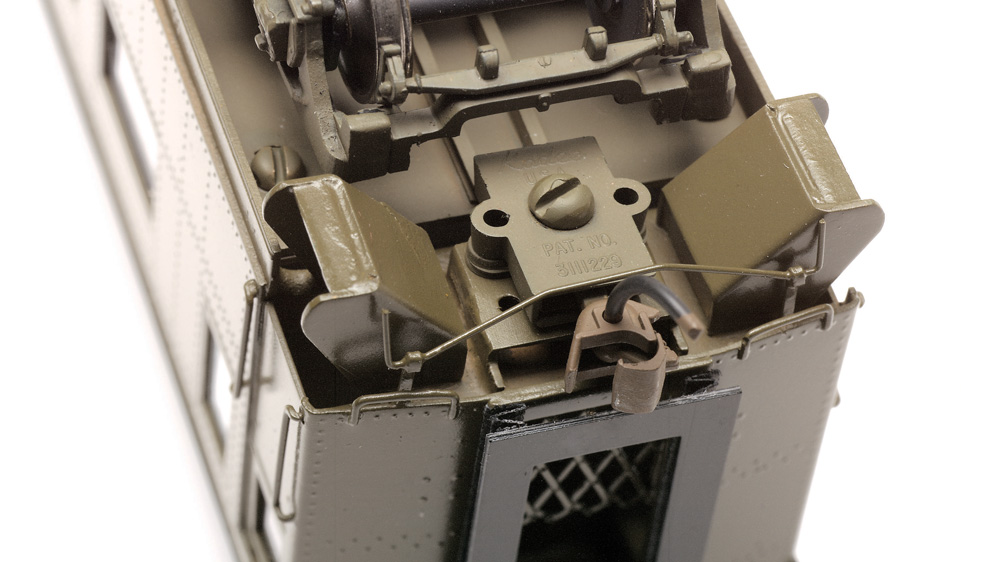

Add diaphragms between passenger cars for more realism
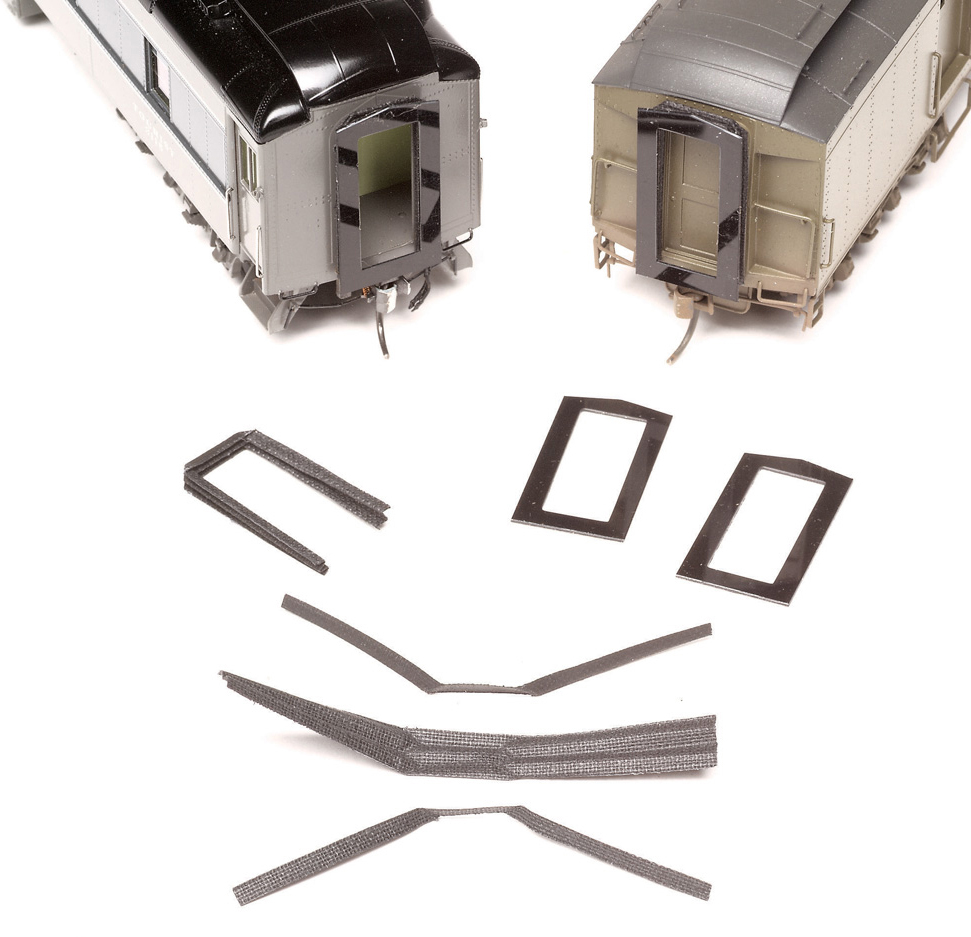
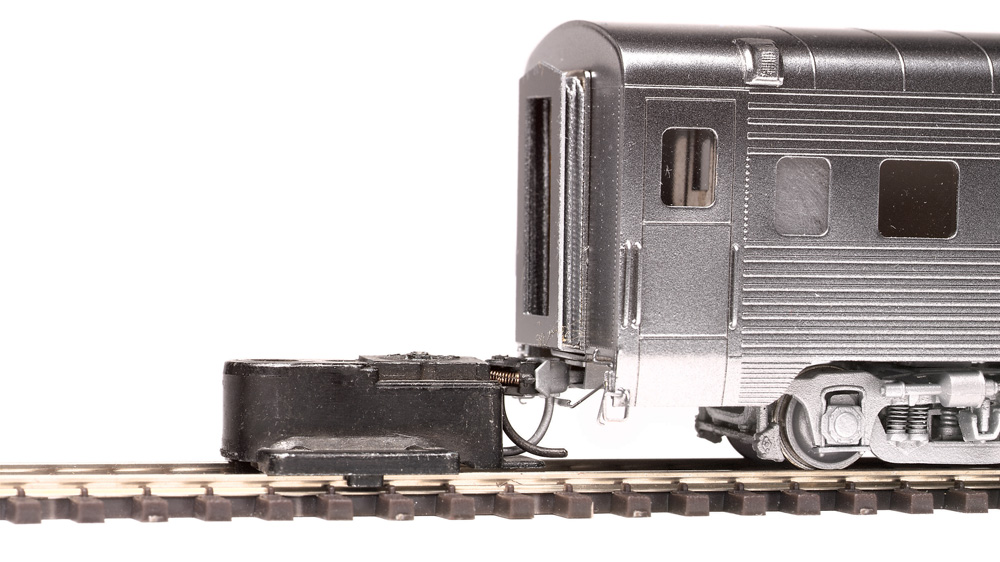
Two passenger cars equipped with diaphragms alongside a modified diaphragm kit.

Diaphragms are bellows-like connections that enclose the space between cars for safe passage through the train. Passenger cars look naked without them, but they can be a pain in the neck if they don’t let cars negotiate all kinds of trackwork, or if they keep cars from coupling and uncoupling. I took my cue from […]

Read More…

Air plant

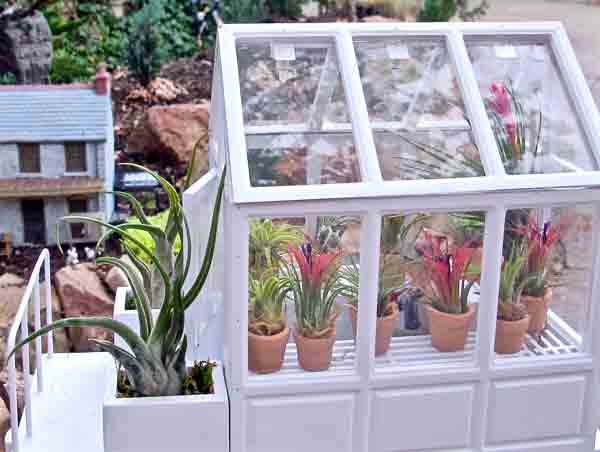
Air plants inside of a miniature greenhouse

Common name: Air plant Latin name: Tillandsia sp. Plant type: Perennial USDA Hardiness Zones: 9-11 Cultural needs: No soil; indirect light indoors or shade outdoors; regular watering; air! Plant size: 2-6″ Obviously they need air but these little air plants also require regular watering and specific amounts of light. In their native South American rain […]

Read More…

Perform rolling stock checkups

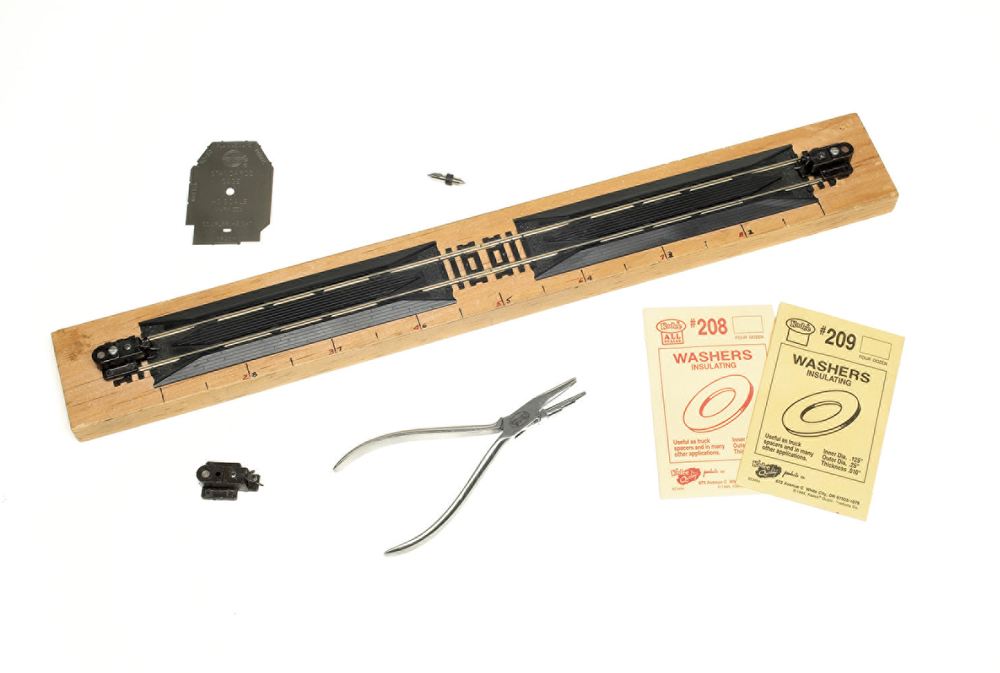
Homemade coupler test fixture with various tools, gauges, and parts.

Good rolling stock plays a major role in the operating quality of any layout. On most model railroads, the car fleet represents more potential problems than any other single element, so here’s how I check every car before it goes on my Ohio Southern Railroad, using just a few handy tools, 1. Trucks and wheels […]

Read More…

Lionel No. 97 Remote Control Coal Elevator

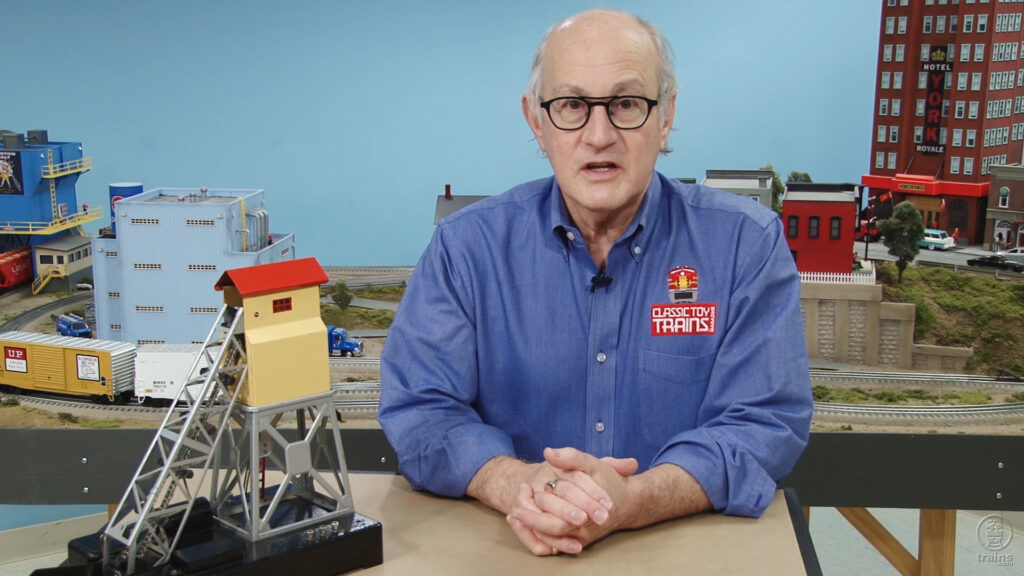
Roger Carp with Lionel No. 97 coal elevator

Professor Roger Carp discusses the origin and evolution of the vintage Lionel Trains motor-driven coal conveyor accessory. CTT Editor Hal Miller also chimes in with operating insights and helpful tips. Learn even more about this unsung classic in the May 2021 issue of Classic Toy Trains magazine. […]

Read More…

Improve short locomotive wiring in 7 steps

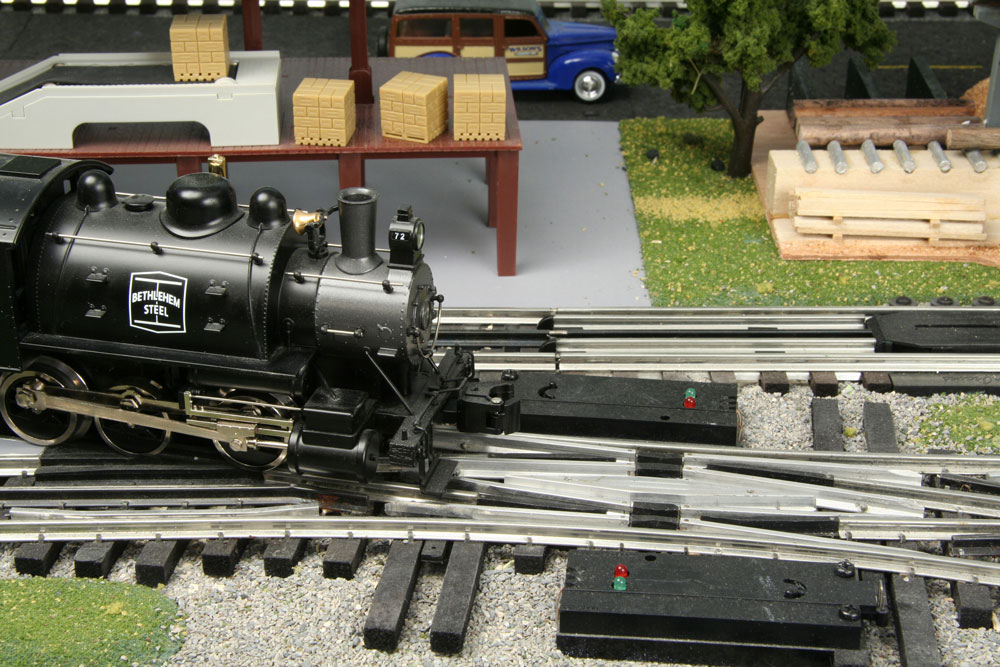
A short O gauge 0-6-0t steam switcher approaches a pair of track turnouts

Some of today’s short-wheelbase locomotives have issues with the prototypical switches and narrow-angle crossings that make an O gauge railroad look realistic. Here’s a quick fix that will allow any locomotive­ ­- even this economical Bethlehem Steel saddle tanker from Lionel – to perform reliably over the troublesome trackwork. THIS IS A PHOTO FEATURE. CLICK […]

Read More…

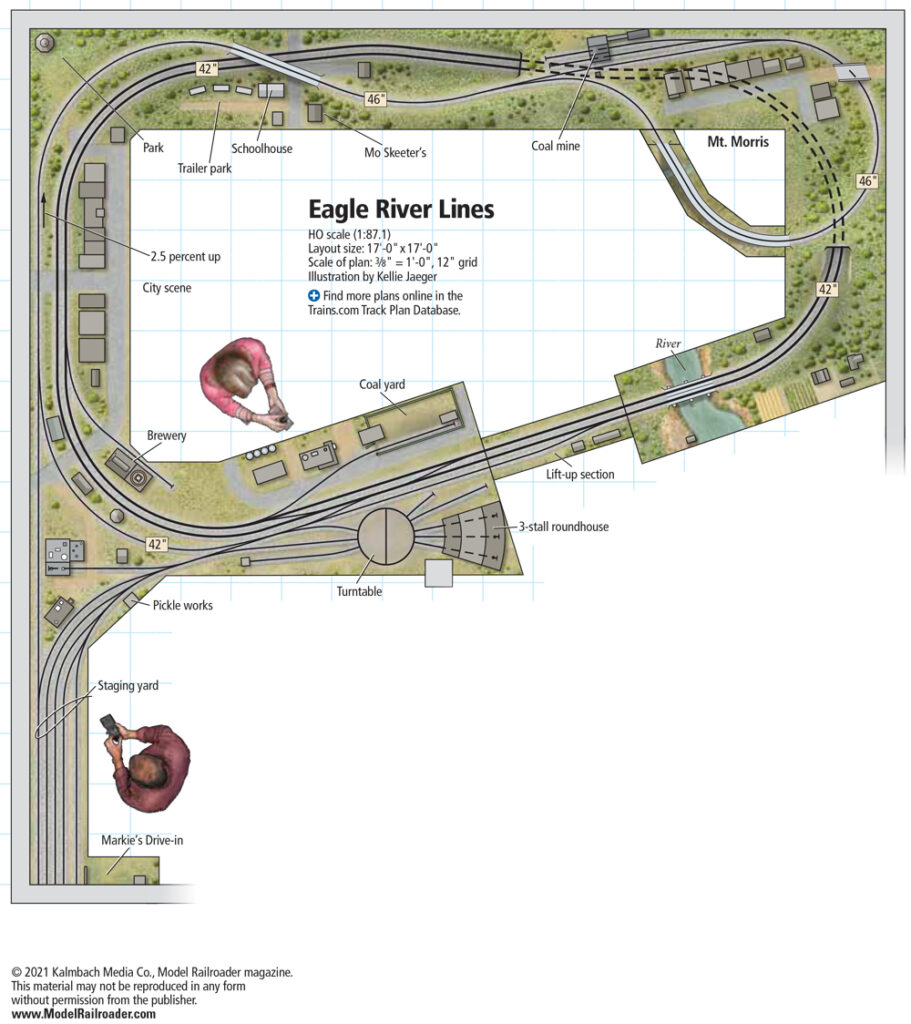
Eagle River Lines

The layout at a glance Name: Eagle River Lines Scale: HO (1:87.1) Size: 17 x 17 feet Prototype: freelanced Locale: Detroit area Era: 1950s Style: around-the-walls Mainline run: 55 feet Minimum radius: 36” (main), 24” (branch) Minimum turnout: no. 8 (main), no. 6 (spurs and branch) Maximum grade: 2 percent Benchwork: sectional Height: 42”-46” Roadbed: […]

Read More…

Adjusting coupler height on passenger cars

The height of a knuckle coupler on an HO scale passenger car is checked with a Kadee gauge.

It’s important to mount couplers at the correct height and to do so consistently on all cars. Because of their length, passenger cars magnify the chance for unwanted uncouplings when track isn’t perfectly level. Of course, having made the car height accurate, I don’t want to change that, so to adjust coupler height I move […]

Read More…

Back on Track: Evaluating track plans, Episode 3

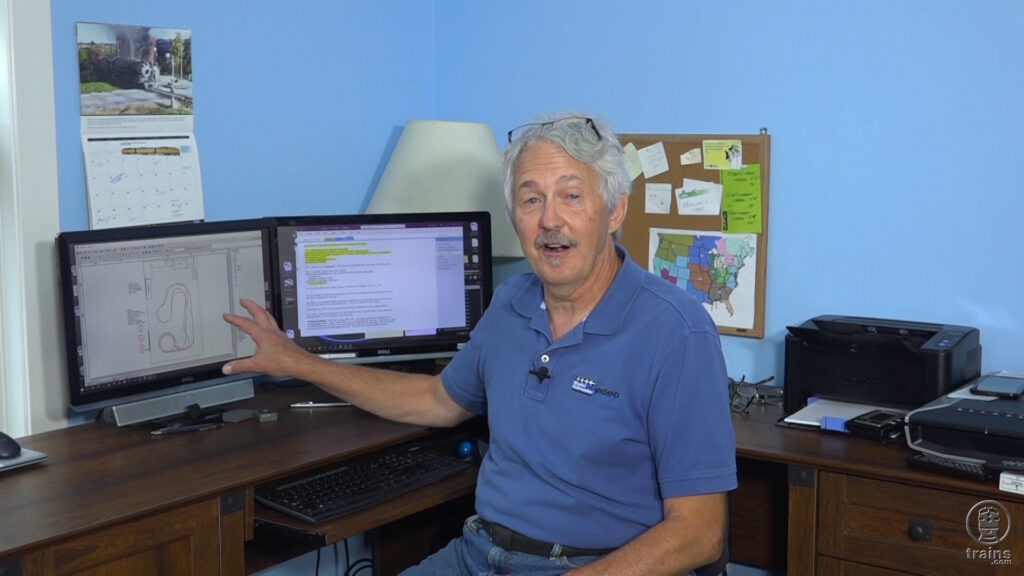
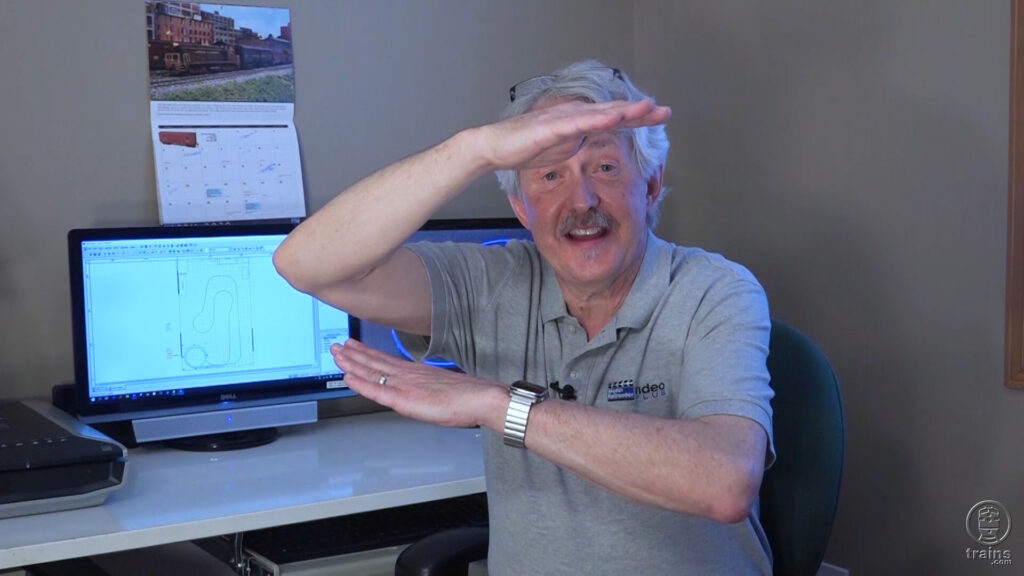
Gerry Leone sitting at his desk and pointing to a track plan on his computer screen

In this episode, our host takes up the challenge of selecting the ideal design for his unique, custom-built layout space. Follow along, as Gerry walks and talks you through his process for auditing the wide assortment of plans he created using computer-aided design (CAD) software. […]

Read More…

Back on Track: Track planning with a helix, Episode 2

Gerry Leone sitting at his computer desk

Off the Rails host Gerry Leone has re-railed and is gaining traction in this Trains.com exclusive series, Back on Track. From his new home in the Upper Midwest, members can follow Gerry as he walks, talks, and works his way through planning and building an all-new, double-deck model railroad in HO scale. First order of business? […]

Read More…

Weathering with powdered pastels

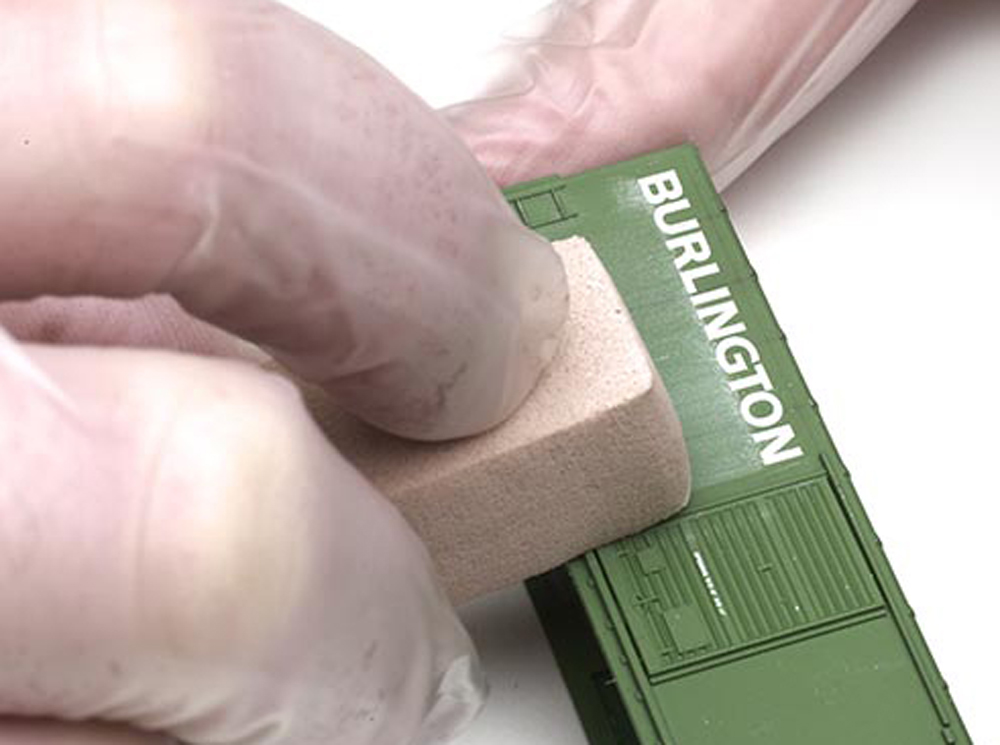
Simulating faded lettering with pastels and sponge.

Powdered pastels have long been a popular choice for weathering locomotives, freight cars, and buildings. Several firms offer ready-to-use weathering powders, or you can make your own by scraping pastel sticks with a hobby knife. I started work on this N scale Micro-Trains boxcar by spraying the entire car with Model Master Lusterless Flat. The […]

Read More…