




Four SD24s traverse one of the many fills on the Santa Fe’s new alignment between Williams and Crookton, Ariz., in 1961. Don Sims photo […]
Riding high on Santa Fe’s Arizona line change
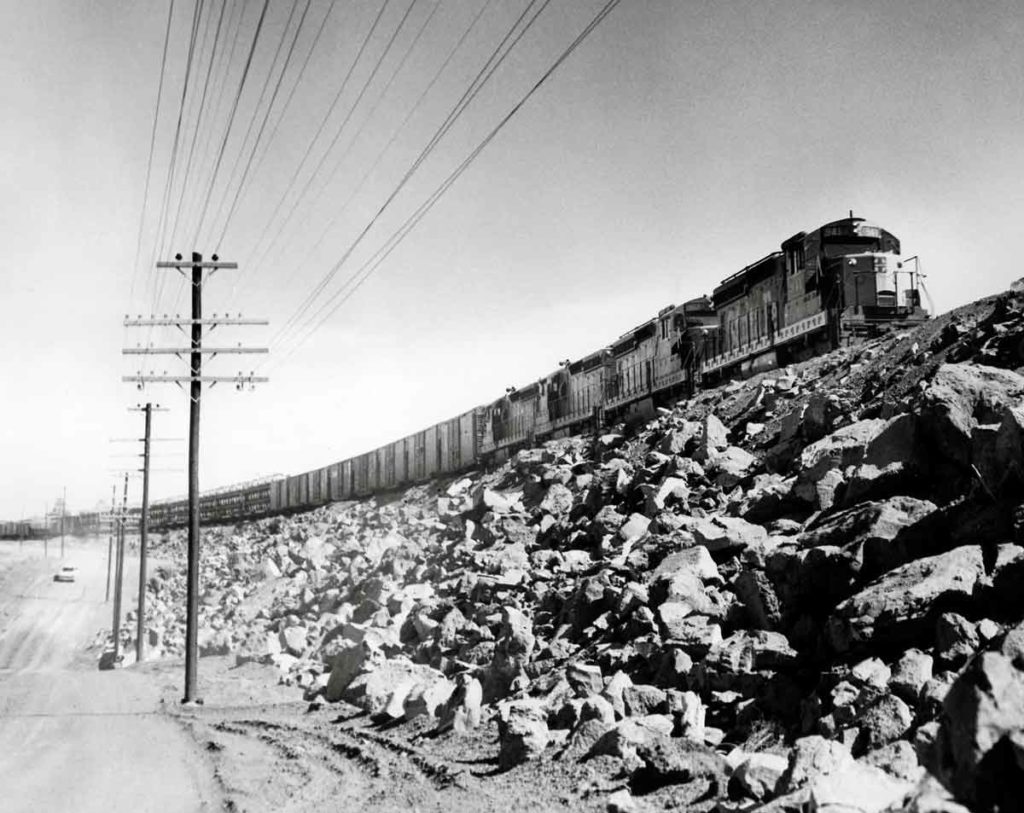
Four SD24s traverse one of the many fills on the Santa Fe’s new alignment between Williams and Crookton, Ariz., in 1961. Don Sims photo […]
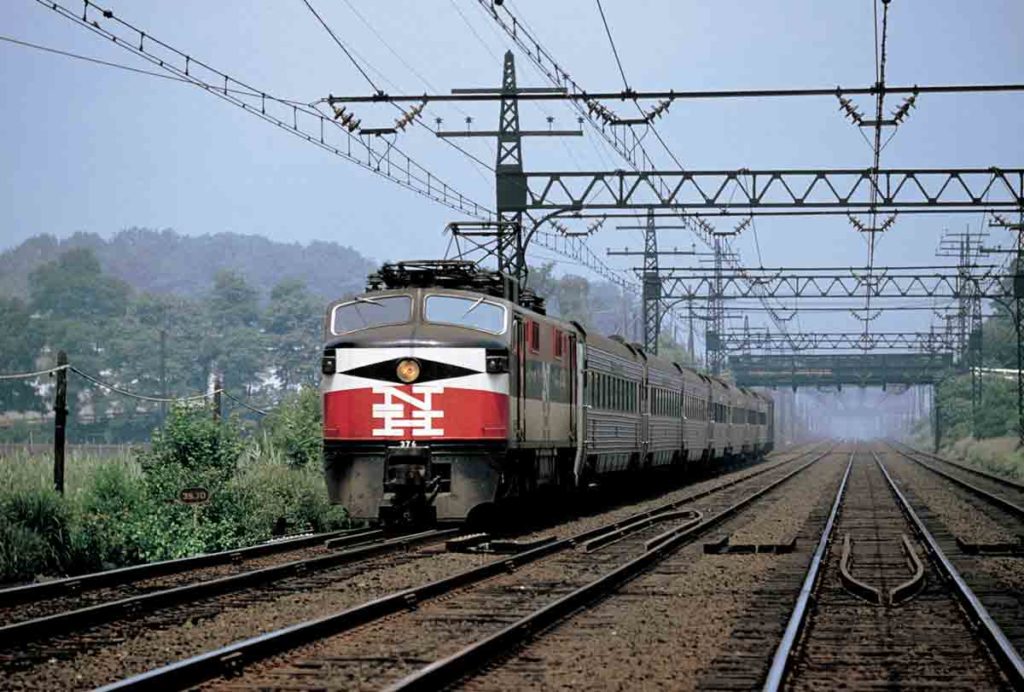
New Haven 376, one of 10 EP-5 electrics nicknamed “Jets” for their howling blower motors, cruises down the road’s four-track main line at Noroton Heights, Conn., in 1956, the year after it was built. Thomas J. McNamara photo […]
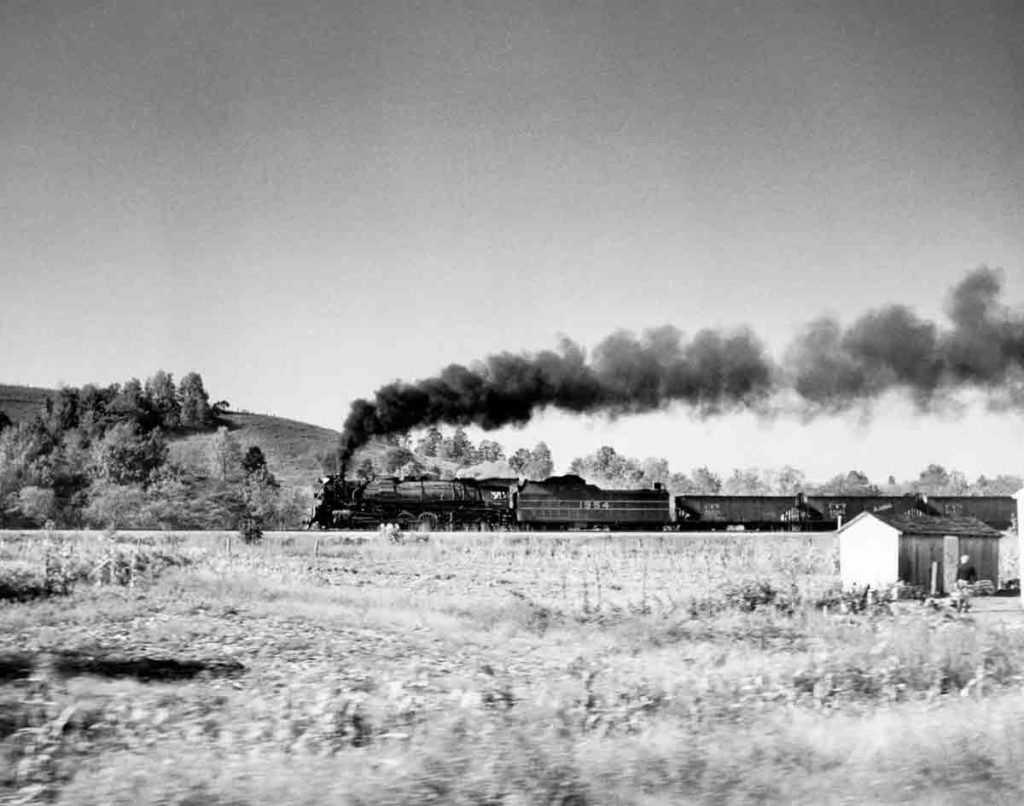
Louisville & Nashville class M-1 No. 1954, one of 42 “Big Emma” 2-8-4s built by Baldwin and Lima during 1942-49, hurries empty hopper cars east along the road’s Eastern Kentucky Division in September 1954. Philip R. Hastings photo […]
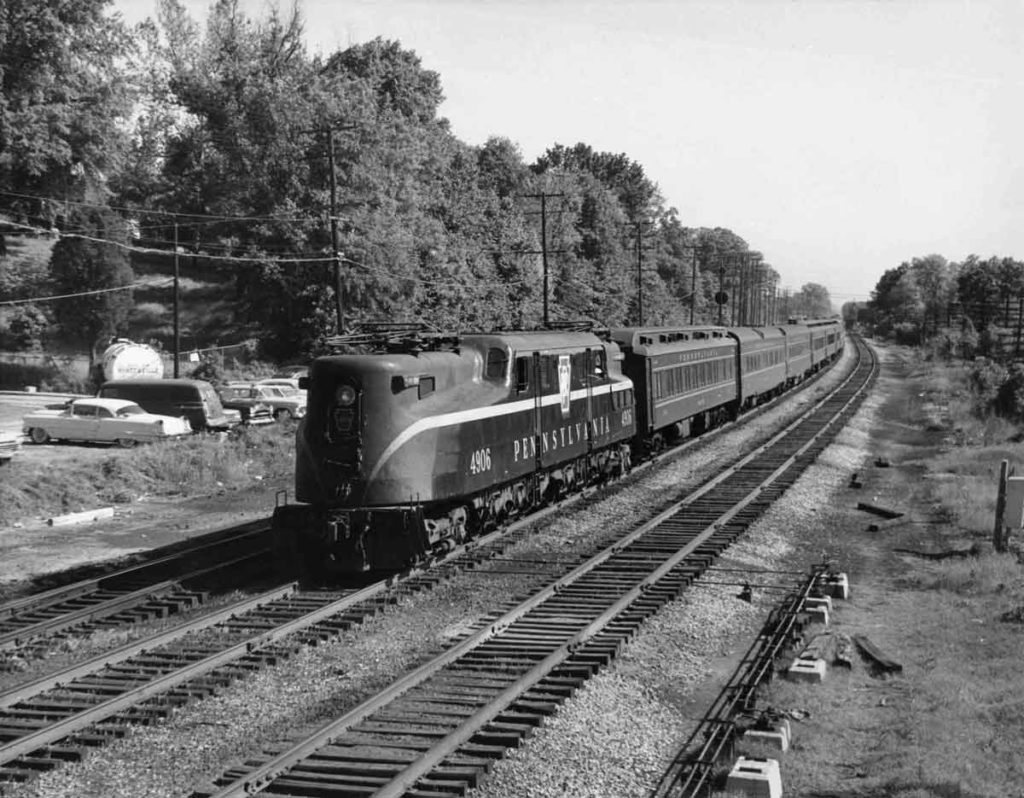
On May 28, 1964, at Alexandria Junction, Md., Pennsylvania Railroad GG1 electric 4906 brings up the rear of Washington–New York train 126, which diesels are towing backward over the Baltimore & Ohio owing to a derailment on the PRR at Lanham, Md. Ara Mesrobian photo […]
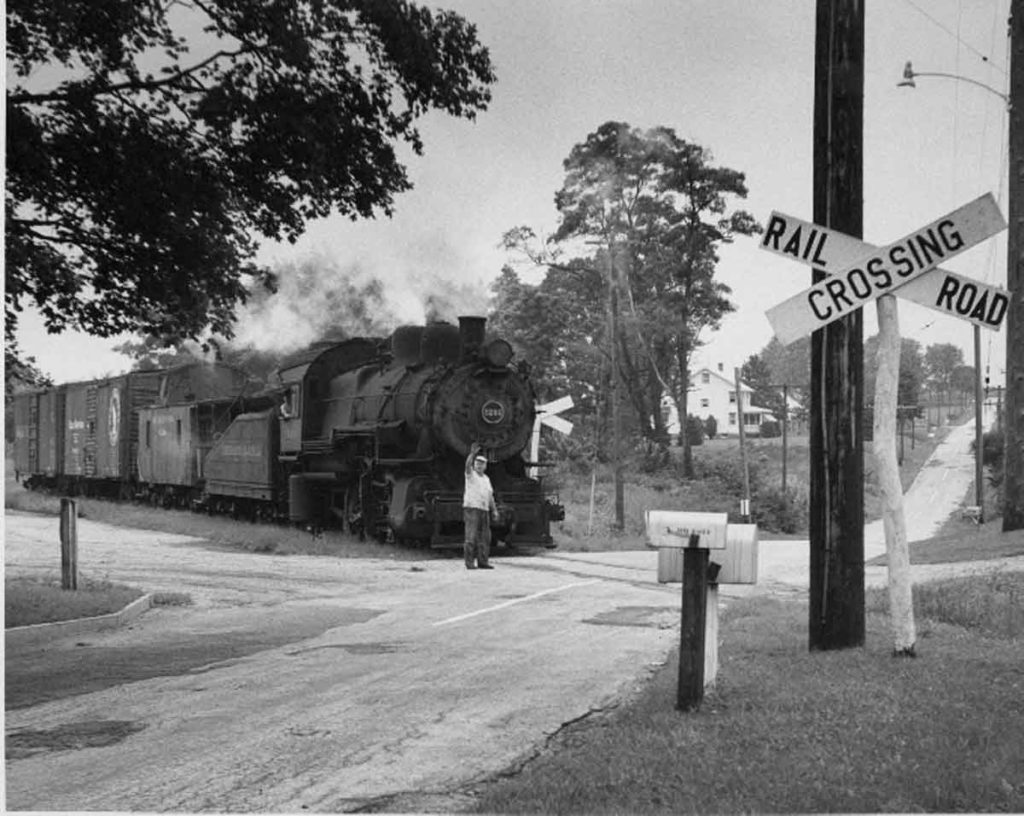
The conductor of Union Transportation Co.’s daily train raises his hand in warning to an approaching motorist as 0-6-0 5244, leased from UT parent Pennsylvania Railroad, eases over a road crossing in Hornerstown, N.J., on Aug. 28, 1958. Aaron G. Fryer photo […]
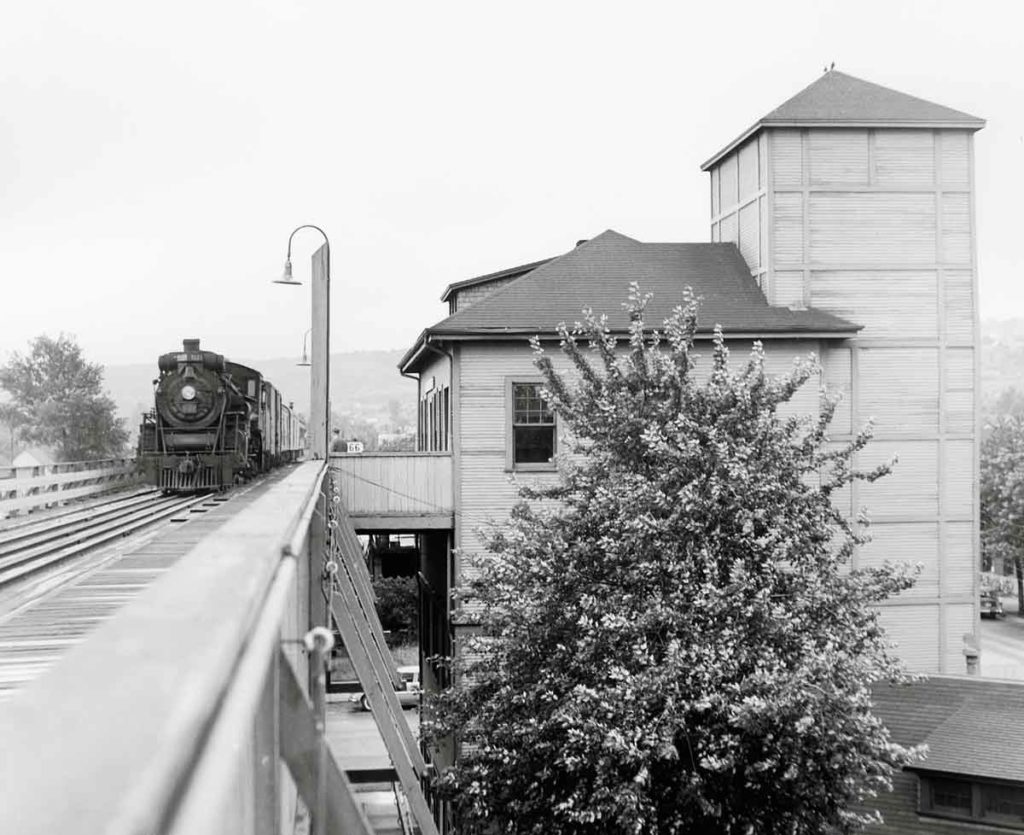
On Canadian National subsidiary Duluth, Winnipeg & Pacific, CN 4-6-2 5127 brings the overnight train from Fort Frances, Ont., into the station at West Duluth, Minn., in September 1954. Philip R. Hastings photo […]
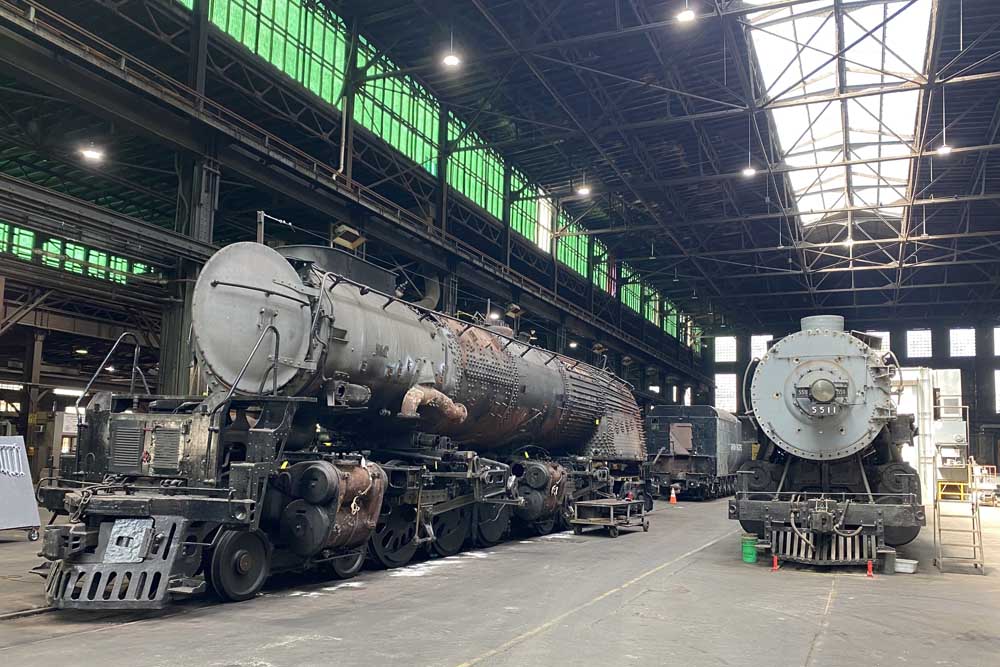
When we drove off Illinois Route 92 onto former Rock Island property recently at Silvis, I was singularly focused on seeing steam locomotives. Three of them, to be specific, including one very special engine, former Union Pacific 4-6-6-4 Challenger No. 3985. The Challenger was among equipment that made headlines last year as Railroading Heritage […]
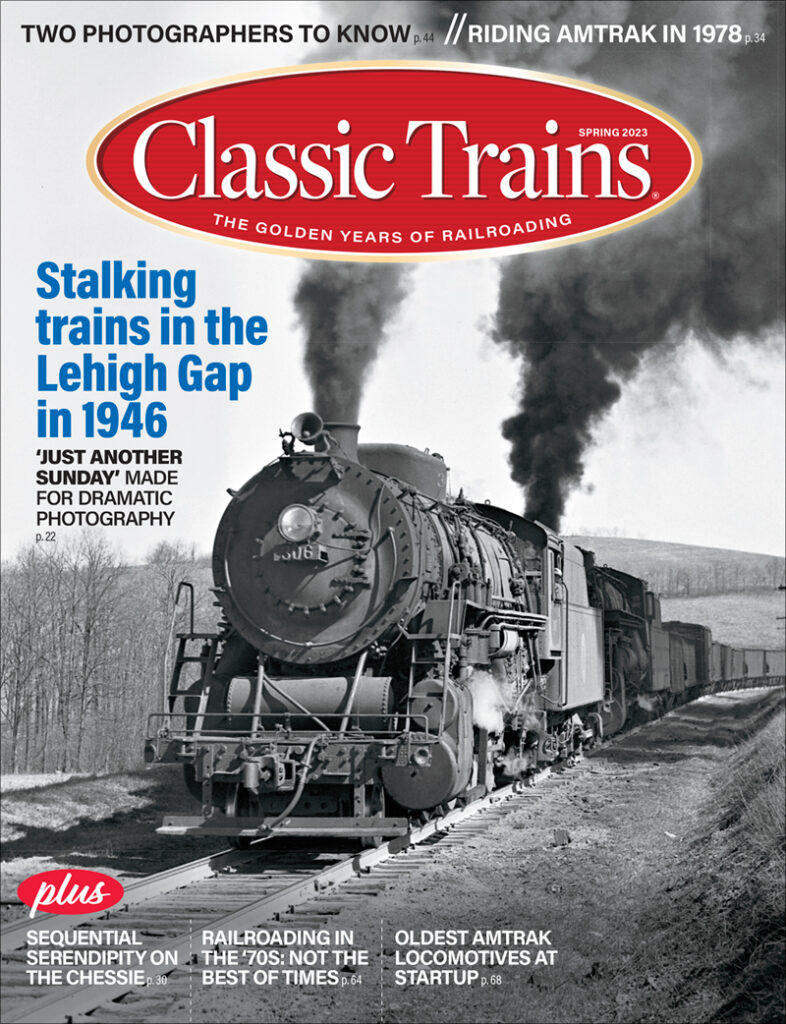
Welcome Change is in the air Head End A potpourri of railroad history, then and now Fast Mail Letters from readers on our Winter 2022 issue Mileposts Commentary by Kevin P. Keefe True Color Flavors of 45s on the Santa Fe Short Rails Northwestern Steel & Wire at Sterling, Ill. Passenger Perspective New York Central’s 20th […]
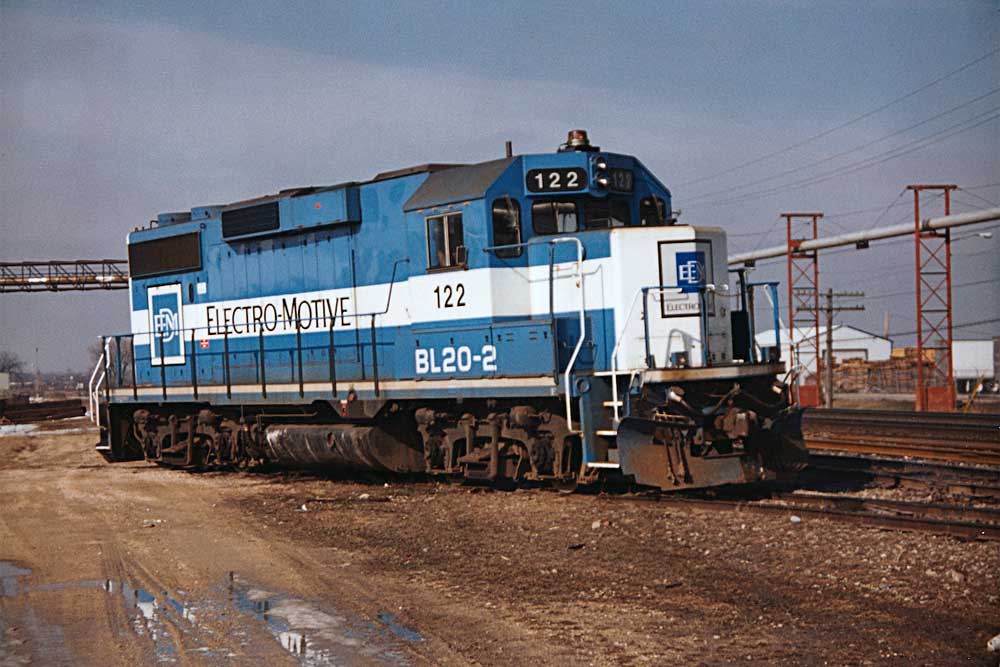
The EMD BL20-2 locomotive had to be an engineer’s brainchild to improve the company’s share of the locomotive market. Just look at the concept. It was brilliant. Perceived as a win-win for both the manufacturer and railroad, EMD would remanufacture older, high-mileage GP9s with new guts at a cost far less than paying […]
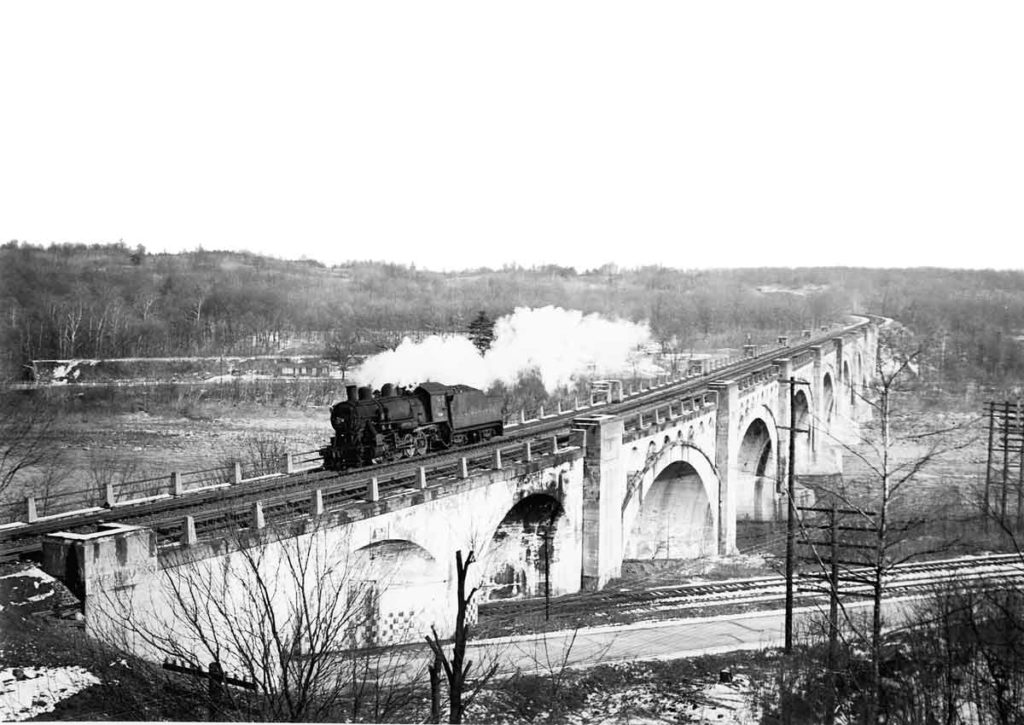
In May 1950, a lone 2-8-0 runs west across the Lackawanna Railroad’s bridge across the Delaware River, one of many concrete structures built as part of the road’s early 20th century line improvements. William D. Middleton photo […]
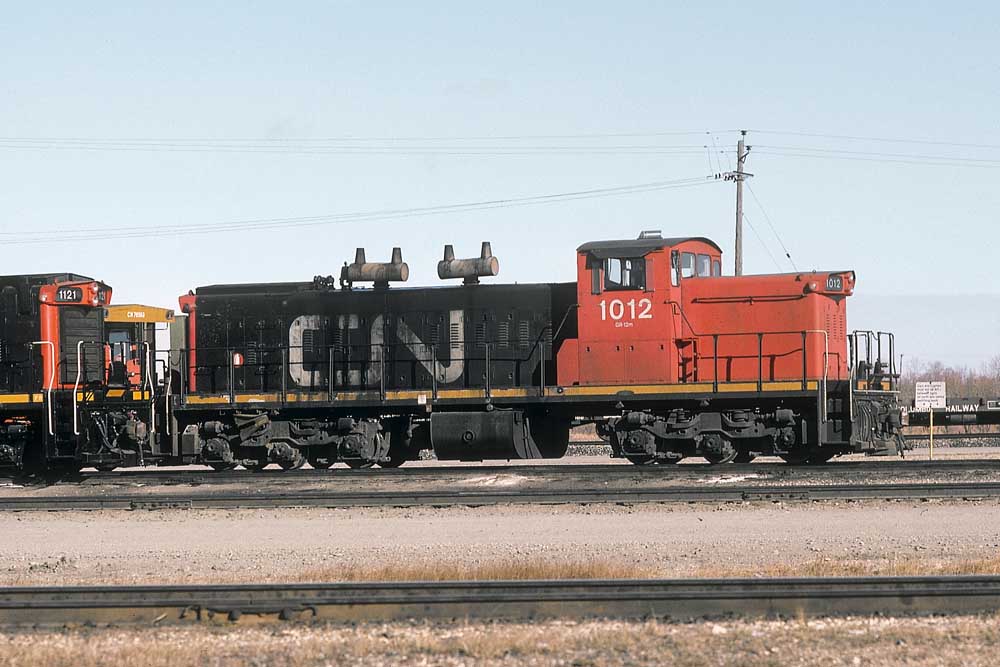
Canada’s GMD1 diesel locomotive was the first to be completely designed by General Motors Diesel Ltd., Electro-Motive’s subsidiary at London, Ontario. GMD built 101 copies in two variants between 1958 and 1960. The locomotive was powered by a 12-cylinder, non-turbocharged 567 prime mover producing 1,200 hp. A news brief in Trains’ July 1959 issue called […]
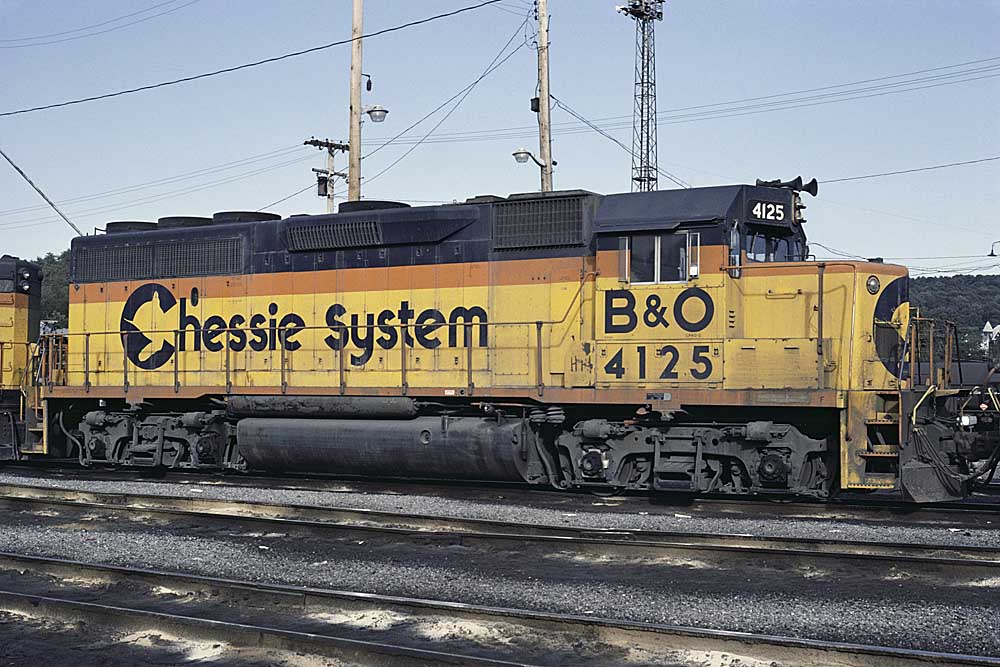
The best-selling Dash-2 EMD diesel locomotives will come as no surprise to diesel locomotive fans. By the late 1960s, the horsepower race had quieted, with 3,000-hp locomotives becoming the norm for fast freight (EMD’s GP40 and SD40, GE’s U30B and U30C) and 2,000 for local service (EMD’s GP38). EMD had successfully introduced a new, […]
