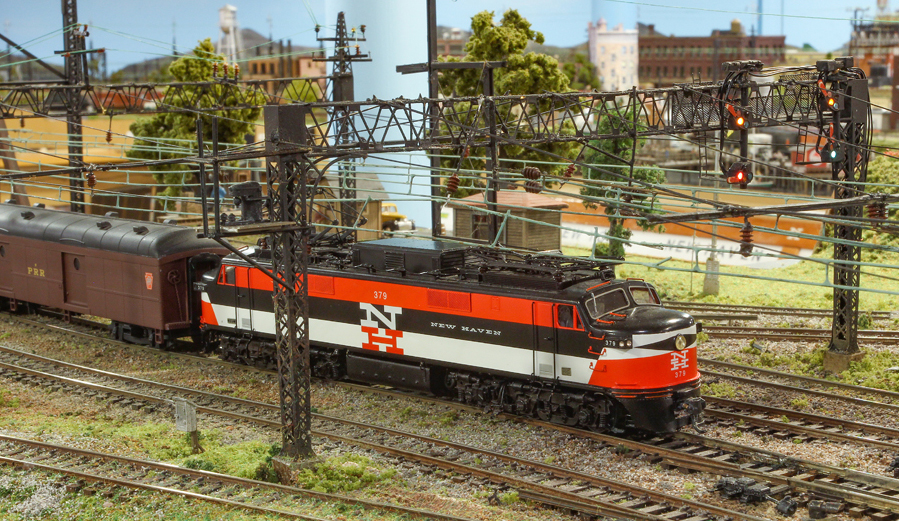
When you think about electrified rail lines today, the first thing that probably comes to mind is Amtrak’s Northeast Corridor. But in the first half of the 1900s, before the start of the diesel era, railroads used electrified lines to move freight and passengers. Examples in the east included the New York, New Haven & […]
Read More…
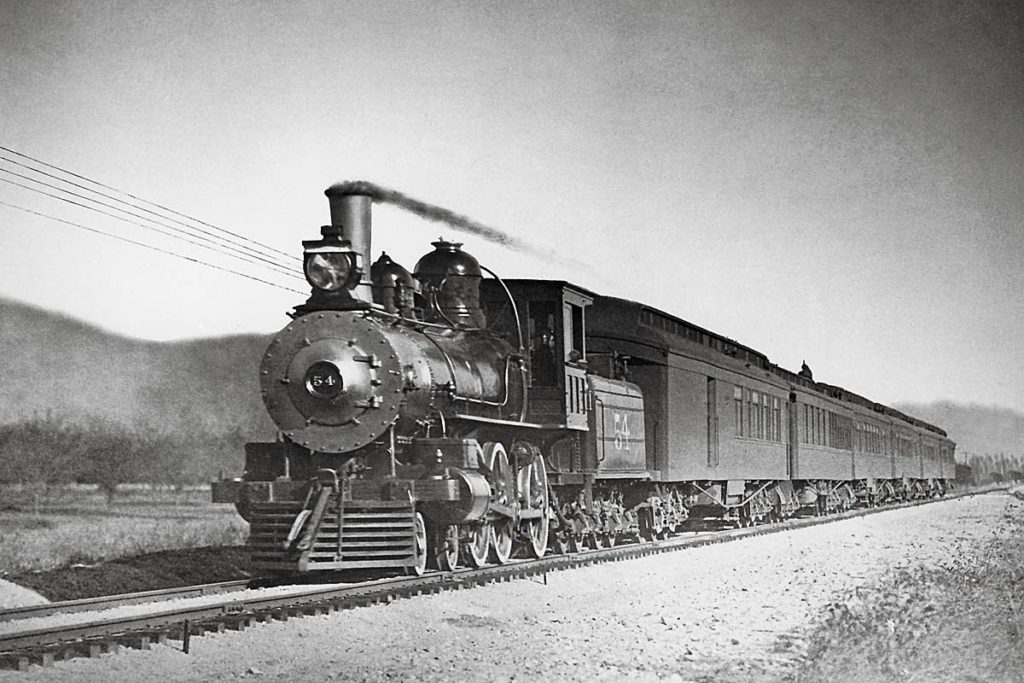
The Santa Fe’s fastest scheduled train in 1905 was the all-Pullman California Limited, with a Los Angeles–Chicago running time of 66 hours. Compact 4-6-0 No. 54 does the honors on this day with six cars in tow. Santa Fe Railway photo […]
Read More…
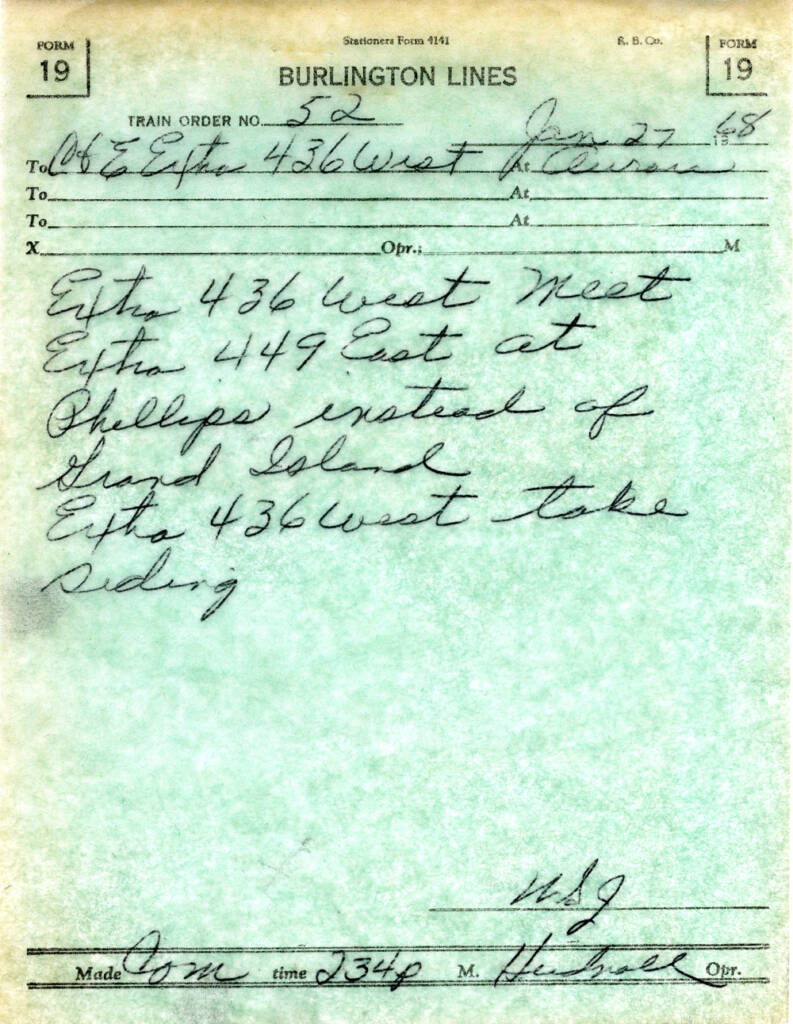
If you’ve read Model Railroader or many of our books and special issues, you’ve probably seen references to timetable-and-train-order operation, or TTTO for short. Employee timetables (ETT) that governed TTTO operation listed station names, mileposts, train numbers and classes, departure and arrival times, and operating instructions, among other items, to govern train movements. So why […]
Read More…
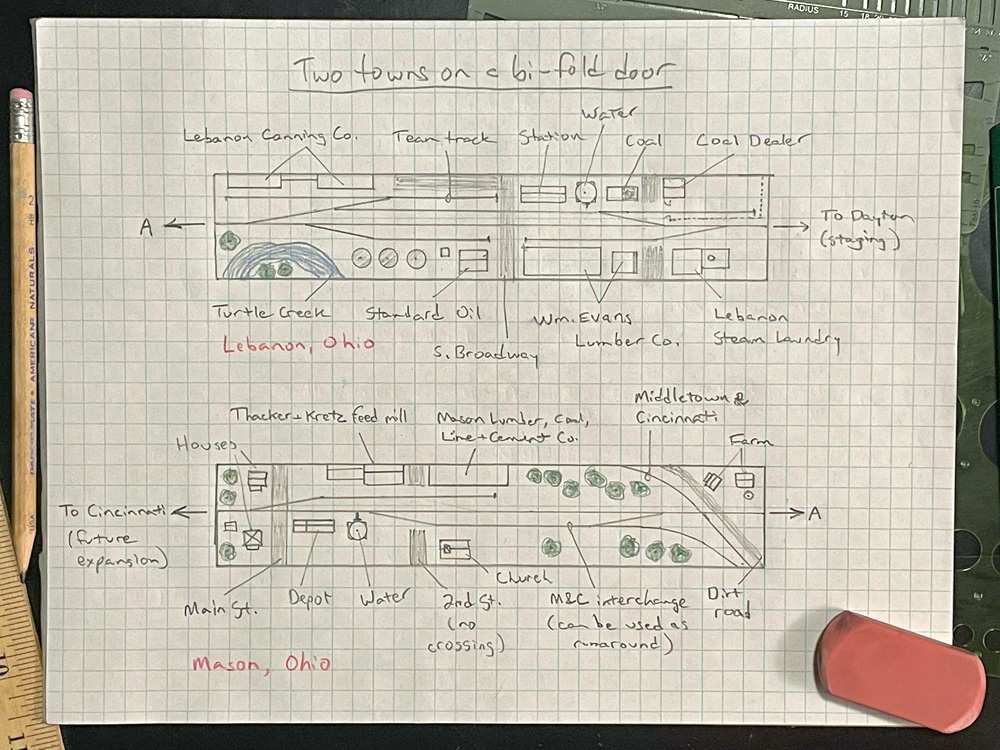
When people think about building a model train layout on a hollow core door, they most often envision an N scale layout, like our Red Oak project (which was published starting in MR’s January 2015 issue). Admittedly, hollow core doors are a convenient size for small N scale layouts, since nested 9.5” and 11” radius […]
Read More…
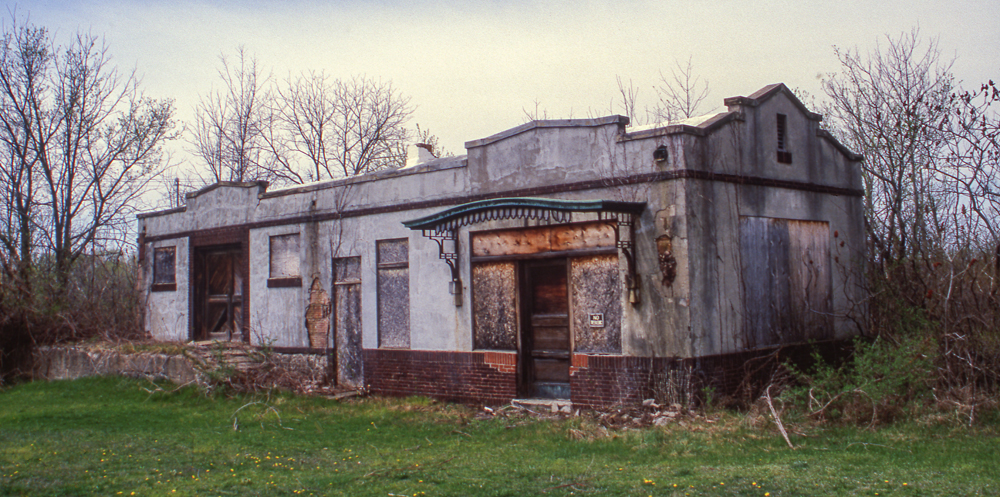
Harold W. Russell’s illustrations have been appearing in Model Railroader magazine since the mid-1960s. He has more than 150 bylines to his credit. In the July 2024 issue he shared plans for a masonry depot on the Lehigh Valley in Gorham, N.Y. Click on the link below to download Harold’s plans. Use this link to […]
Read More…
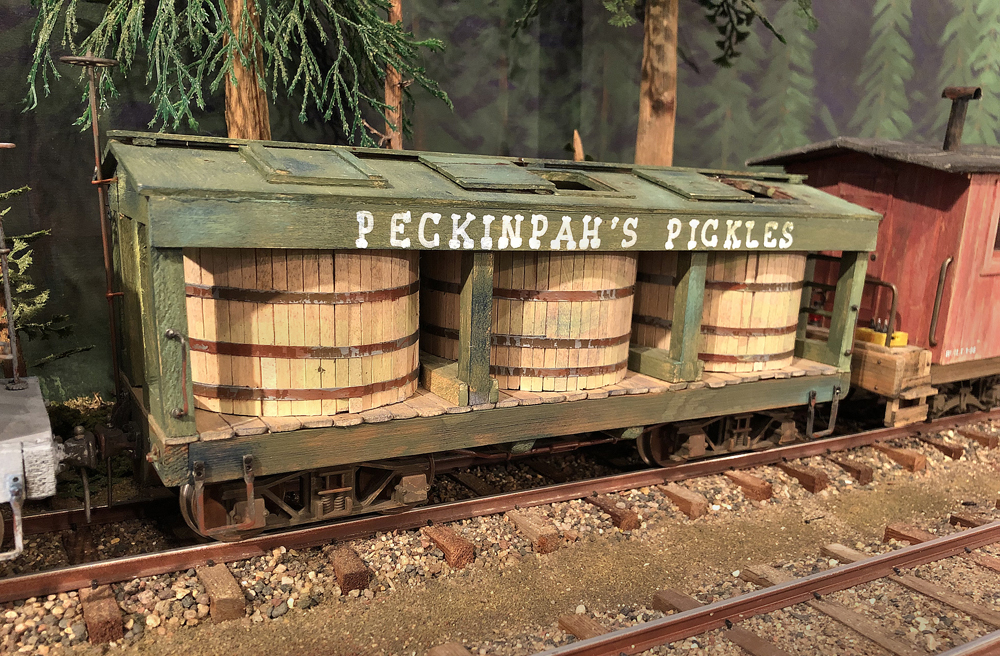
Pickle cars have a unique look, and they served a unique purpose. Cucumbers brined onboard in vats as they traveled from farm field to processing plant. I thought a pickle car would look at home on my layout. My version is loosely based on period photos; it’s not a scale model of a specific car. […]
Read More…
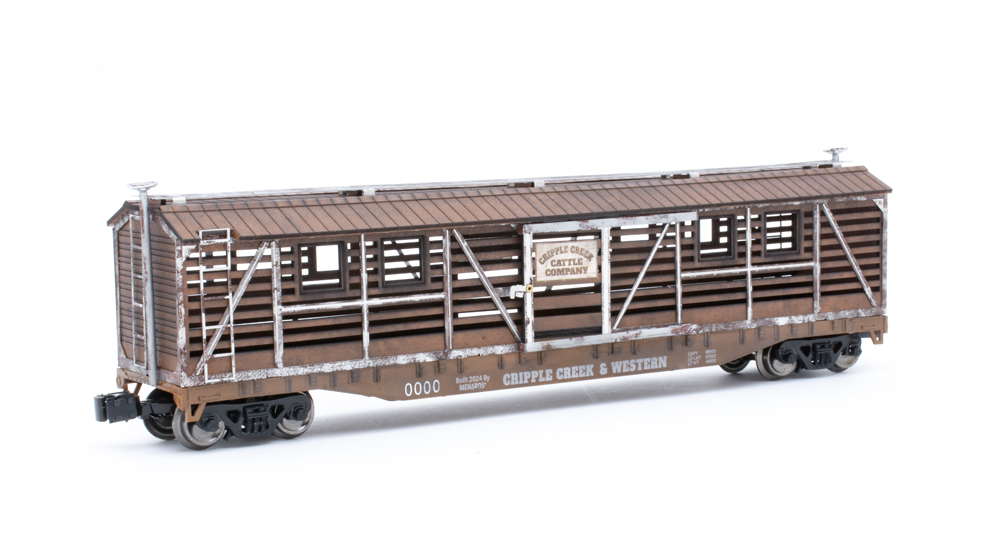
The first patented stock car was developed in 1870 and used in shipments between Chicago and New York City. The cars were designed for 90 hours of travel, had water troughs fed from tanks under the car, and food troughs fed from hoppers in the roof. Over the years, other stock car designs were introduced […]
Read More…
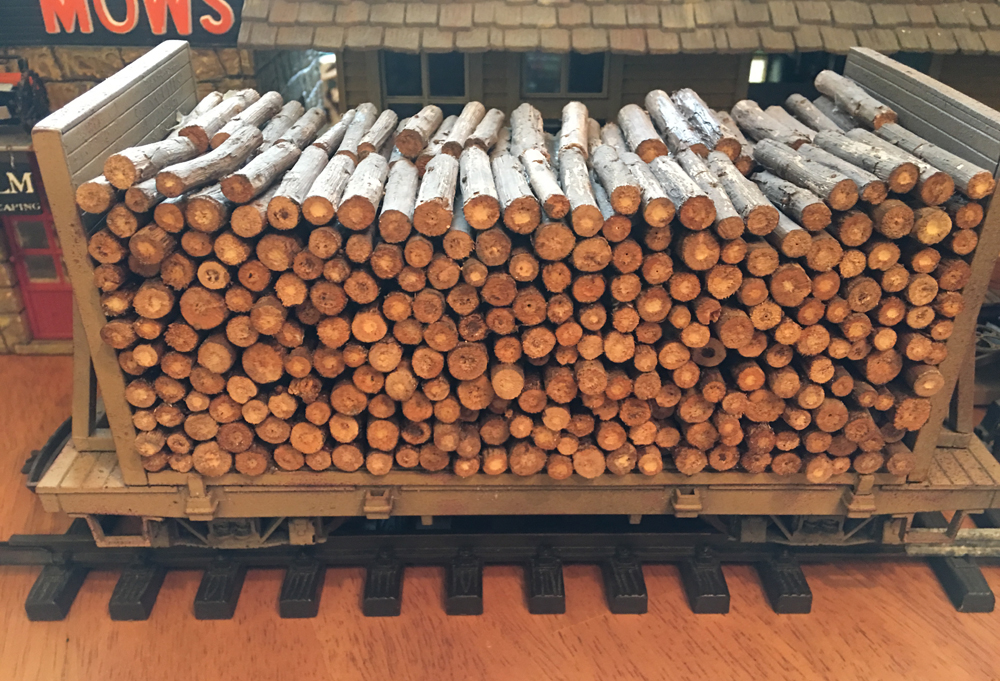
Since I own the P.T. Tubifo Lumber Co. engine for my railroads’ lumber company, I thought I’d add a pulpwood car for it to haul. I started the project with Kalamazoo flatcar and added bulkheads made from Evergreen styrene. During my work travels, I saw some weeds on the side of the road and initially […]
Read More…
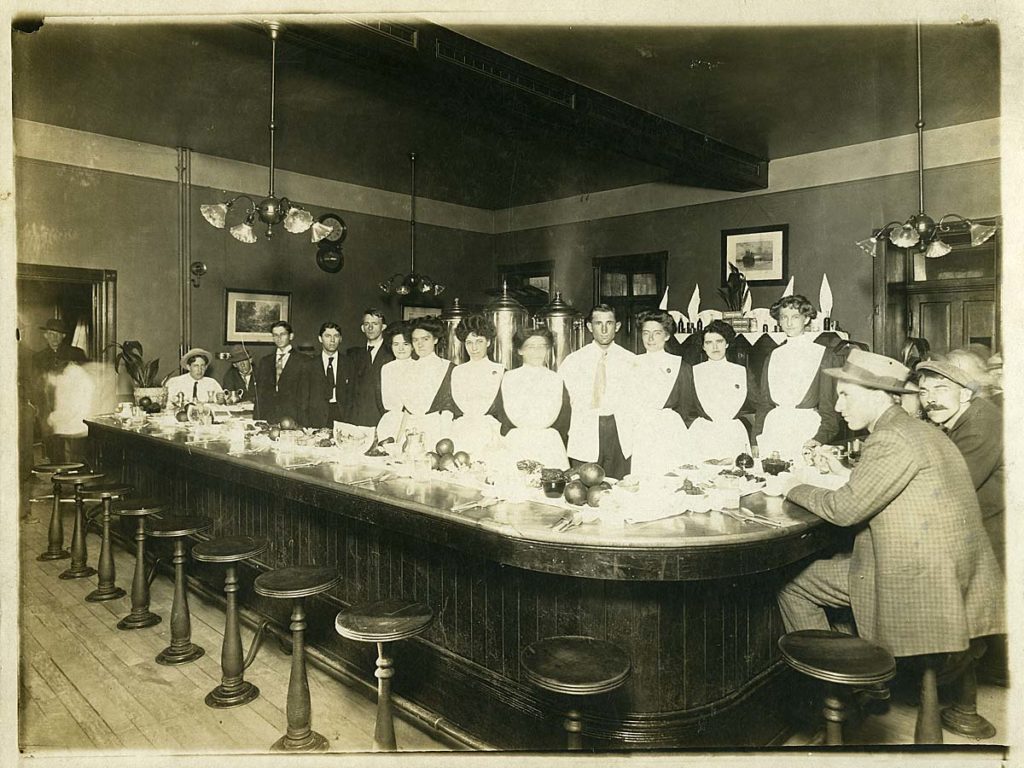
Harvey House restaurants were a staple of Santa Fe stations in the west, celebrated for quality food no matter the location, as well as for their “Harvey Girls.” Mabel Wells collection […]
Read More…
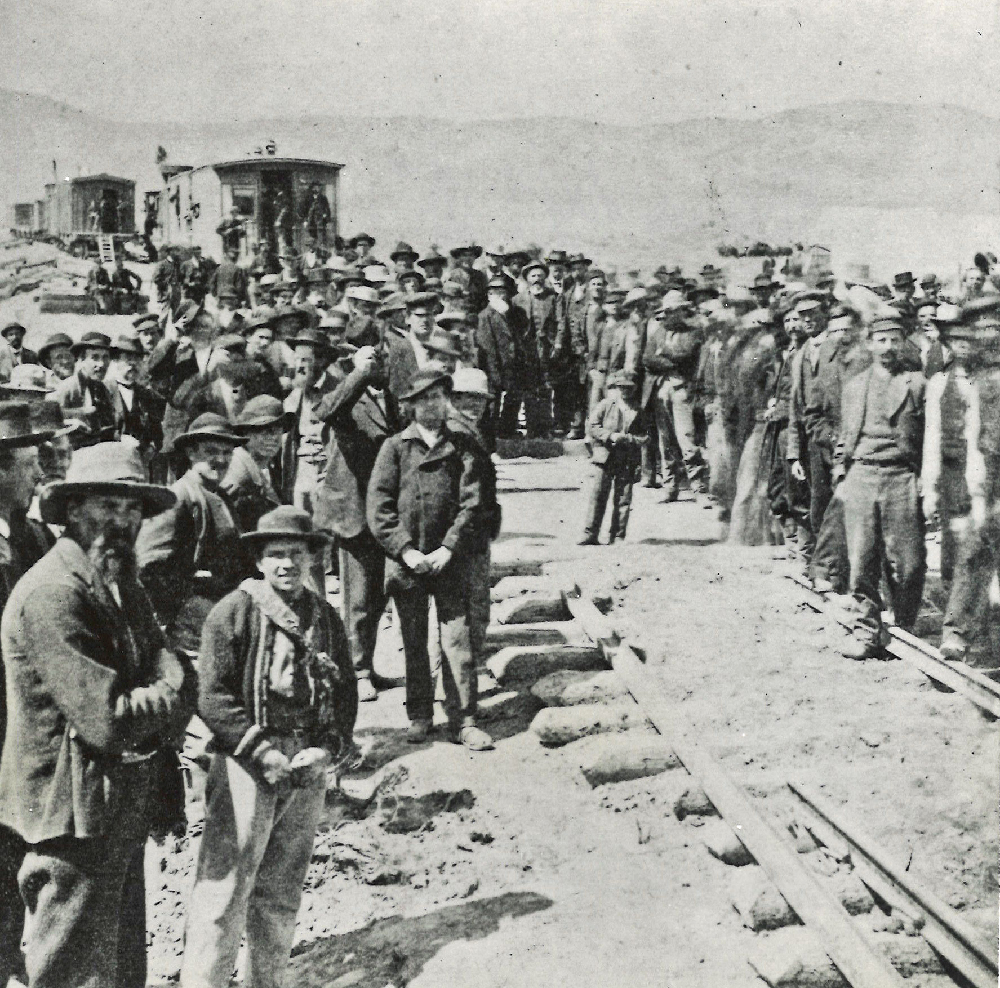
On May 10, 1869, the first Transcontinental Railroad was completed during the Golden Spike Ceremony. Yes, every rail enthusiast and elementary school student has this date ingrained in their mind. The rail enthusiast probably remembers the date better than the elementary school student, but nonetheless, it is a significant date in U.S. history. However, for […]
Read More…
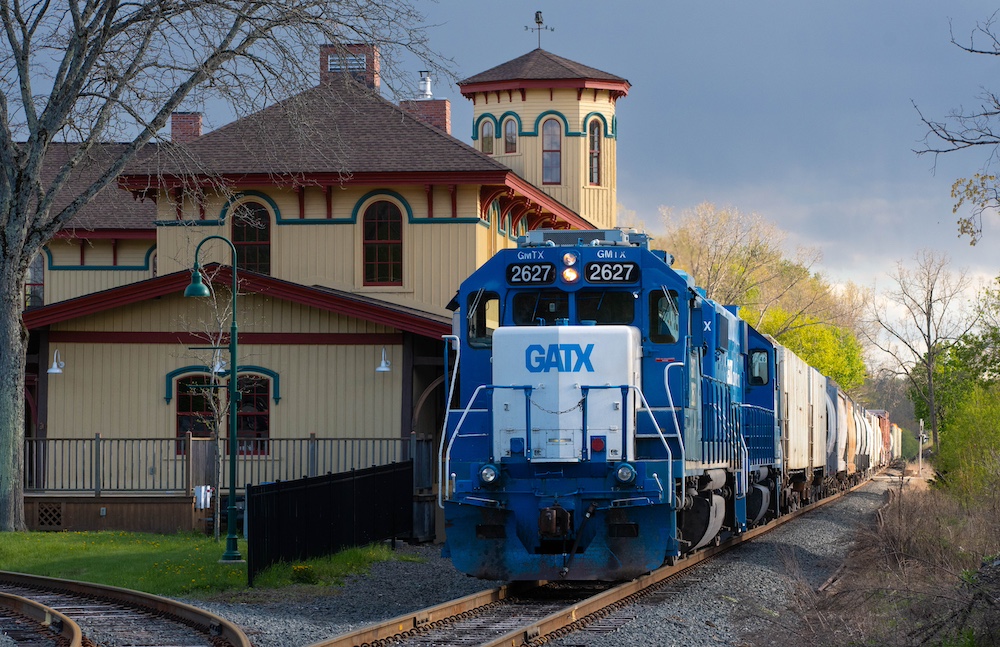
Canaan Union Depot The past The story of this historic building traces back to the 1870s, a busy time for American railroads. Across the nation new lines were being built between cities and towns, often crossing over one another. One of these crossings happened in the small town of North Canaan. Located in the northwest […]
Read More…
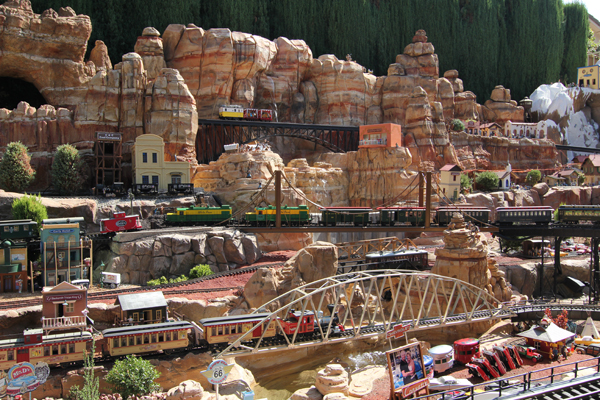
The railroad at a glance Name: TooMuchFun Railroad Size: 60′ wide x 25′ deep x 15′ high Scale: Varies from 1:24 to 0-scale figures in some areas using forced perspective Gauge: Nº 1, plus a small N gauge railroad within the railroad Era: Mythical, Medieval, 1800s to present Themes: 15+ different themes, from Wizard of […]
Read More…