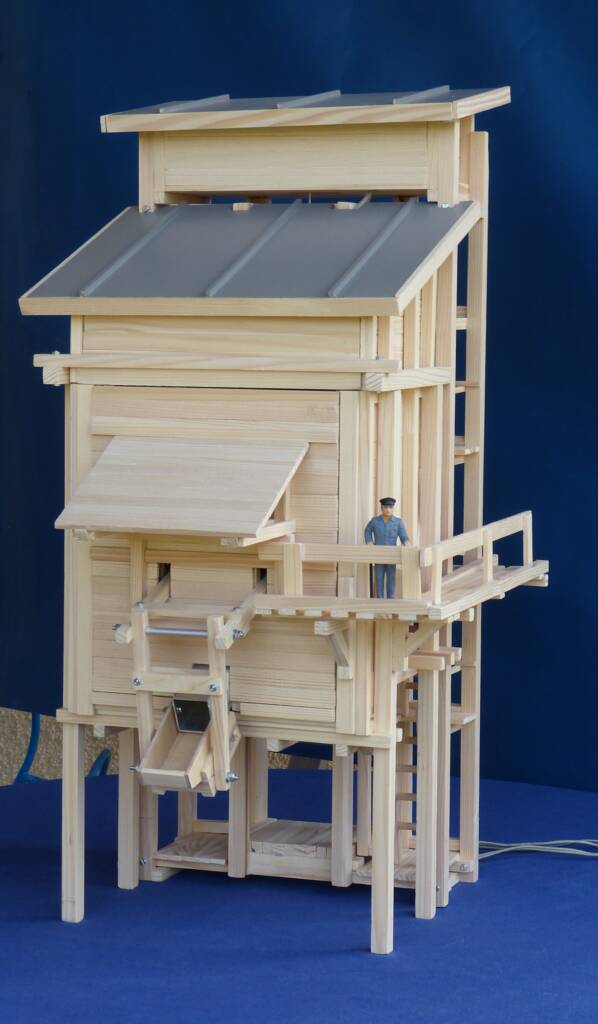
If your garden railroad is set in the steam or steam-to-diesel transition era, it’s going to need a coal tower. When I started to gather rolling stock and build my railroad in 2013, there were no commercial coal towers on the market. The only existing product was from Pola, but I couldn’t find one on […]
Read More…
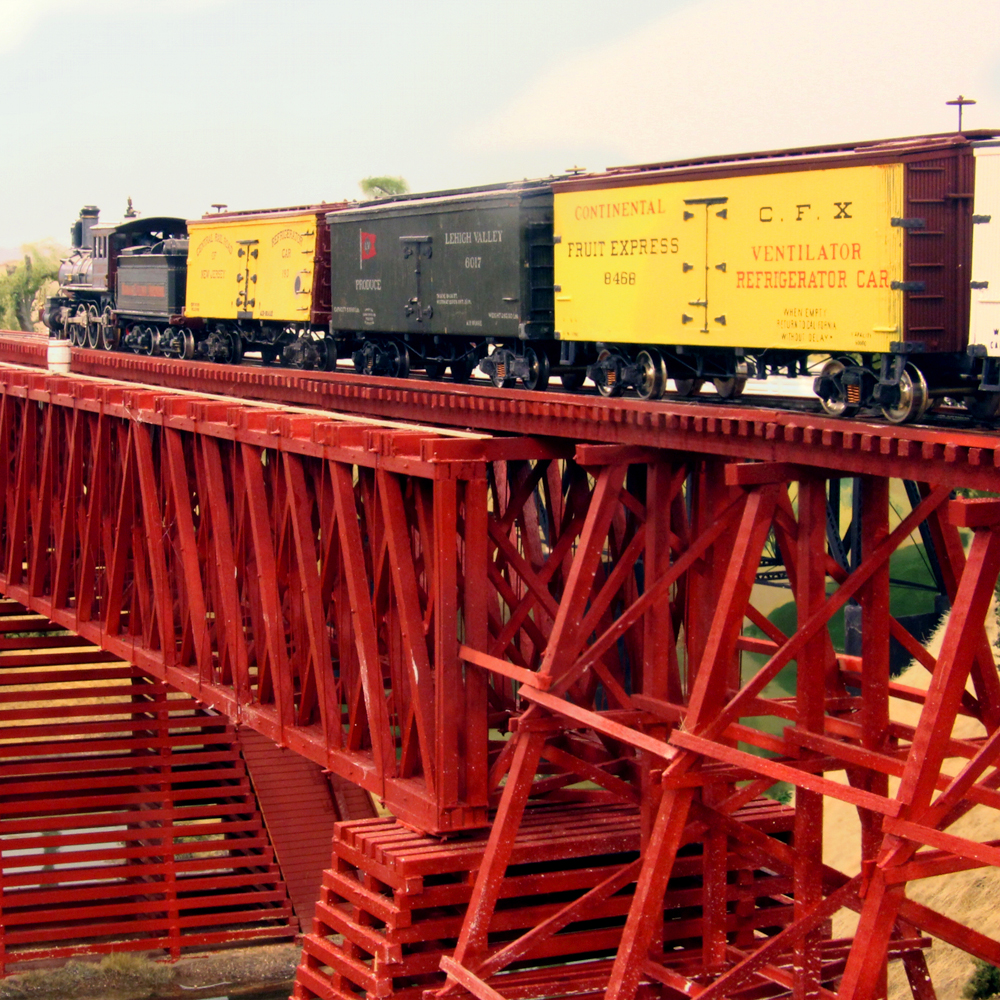
Q: Many of Model Railroader’s articles, reviews, and advertisements focus on products representing the “modern” era, say the 1940s to the present. That’s OK, and much of your audience obviously enjoys modeling contemporary railroading. However, I’m interested in modeling the railroad industry as it was in the 19th century. Can you suggest the names of […]
Read More…
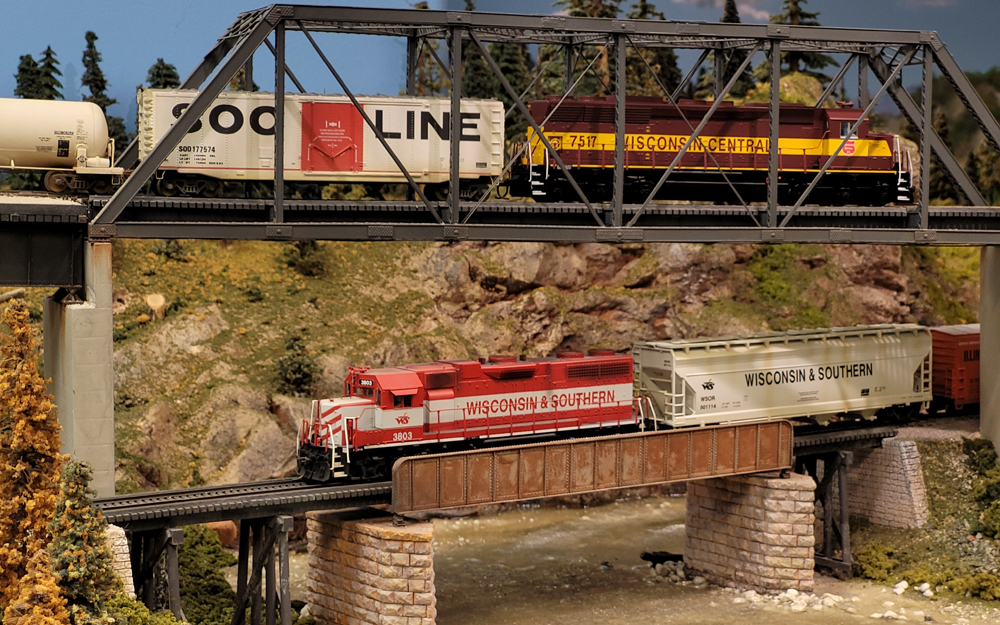
Chances are good that if you’re building a model railroad, you’ll want to include a bridge. After all, who doesn’t love a good bridge? I can’t speak for anyone else, but when I think of San Francisco, I think Golden Gate. When I think of Duluth, Minn., I think of the Aerial Lift Bridge (well […]
Read More…
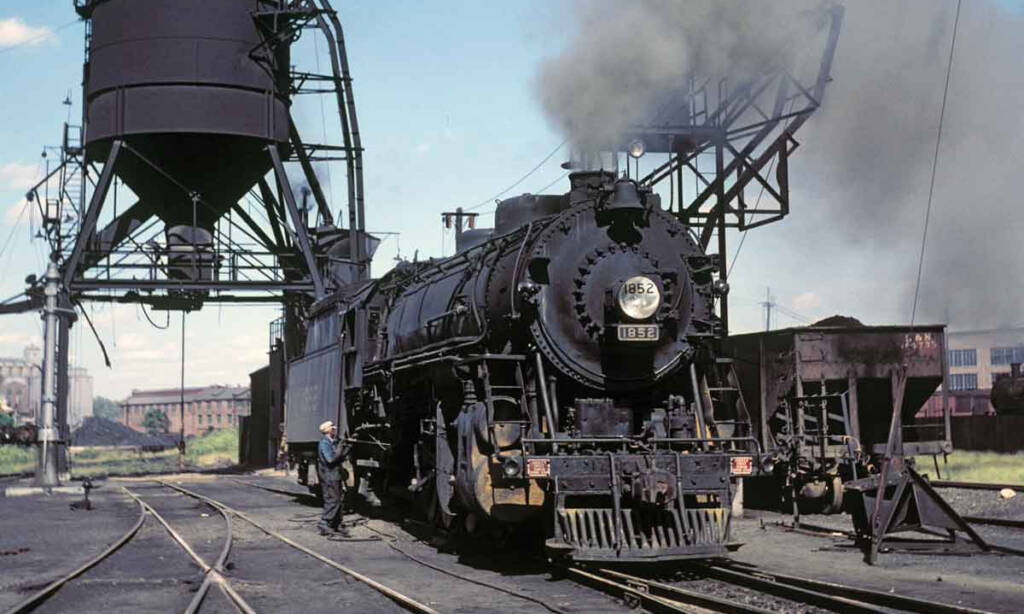
In general terms, America is not a country with great affinity for nationalization. The machinations of the American economy are diametrically opposed to the principles of nationalization. However, that doesn’t mean that the U.S. has never dabbled in the practice. The United States Railroad Administration (USRA) is an example. In the interest of clarity, I’ll […]
Read More…
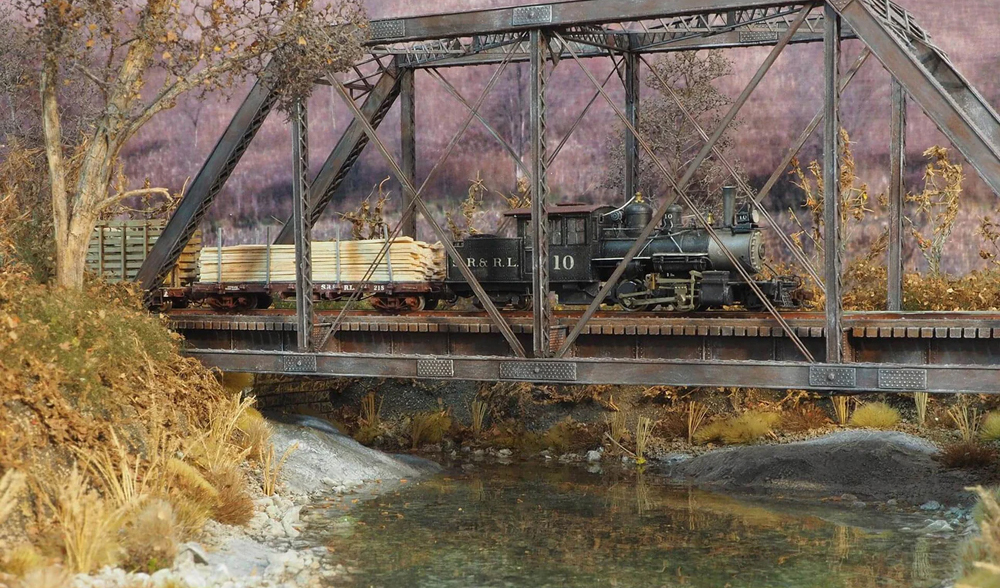
Model trains have long captivated the imagination of hobbyists, collectors, and enthusiasts of all ages. From their origins as simple tinplate toys to today’s intricate, highly-detailed machinery, model trains trace a fascinating evolution that mirrors advancements in technology and changes in cultural trends. Let’s explore how this beloved hobby developed over the decades. Tinplate Trains […]
Read More…
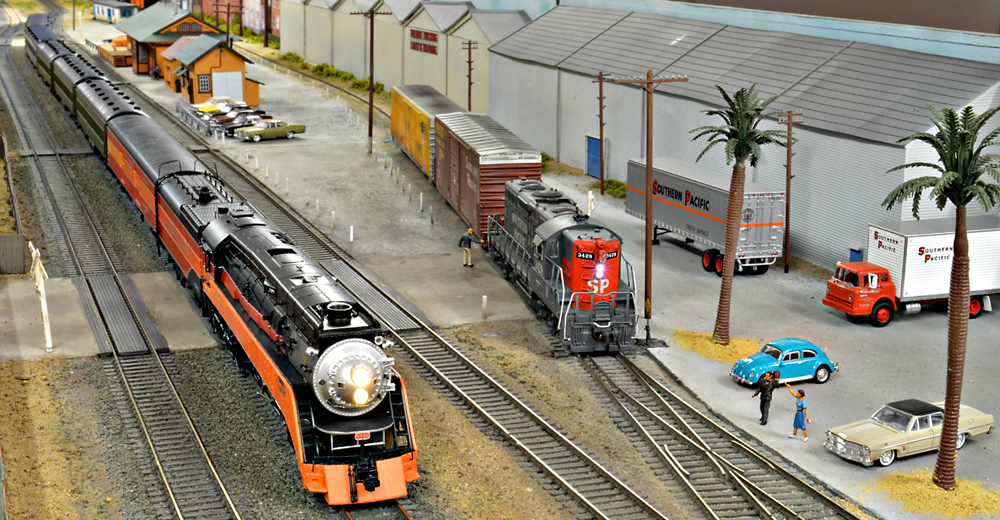
We’ve all been there before. Seated at the drafting desk, or perhaps the workbench, depending on how your layout room or workshop is set up, notebook open, pen in hand, writing out a list of desired traits for your soon-to-begin model railroad, maybe sketching possible track plans in the margins. A tale as old as […]
Read More…
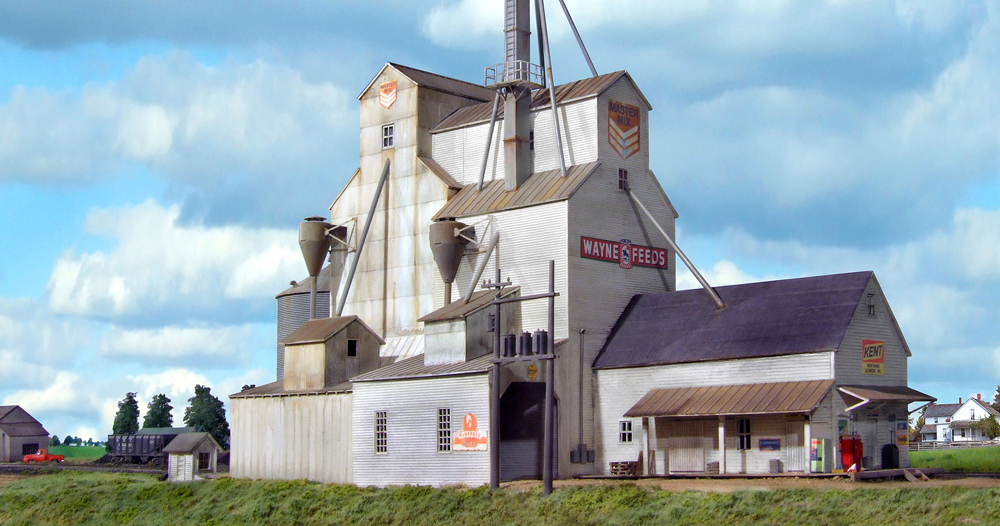
Last month we took a look at modeling urban scenery. This time around, we’ll step back from the big city and focus on rural scenery. I spent my formative years in the Red River Valley of the North, which was dotted with small towns up and down the Minnesota and North Dakota sides of the […]
Read More…
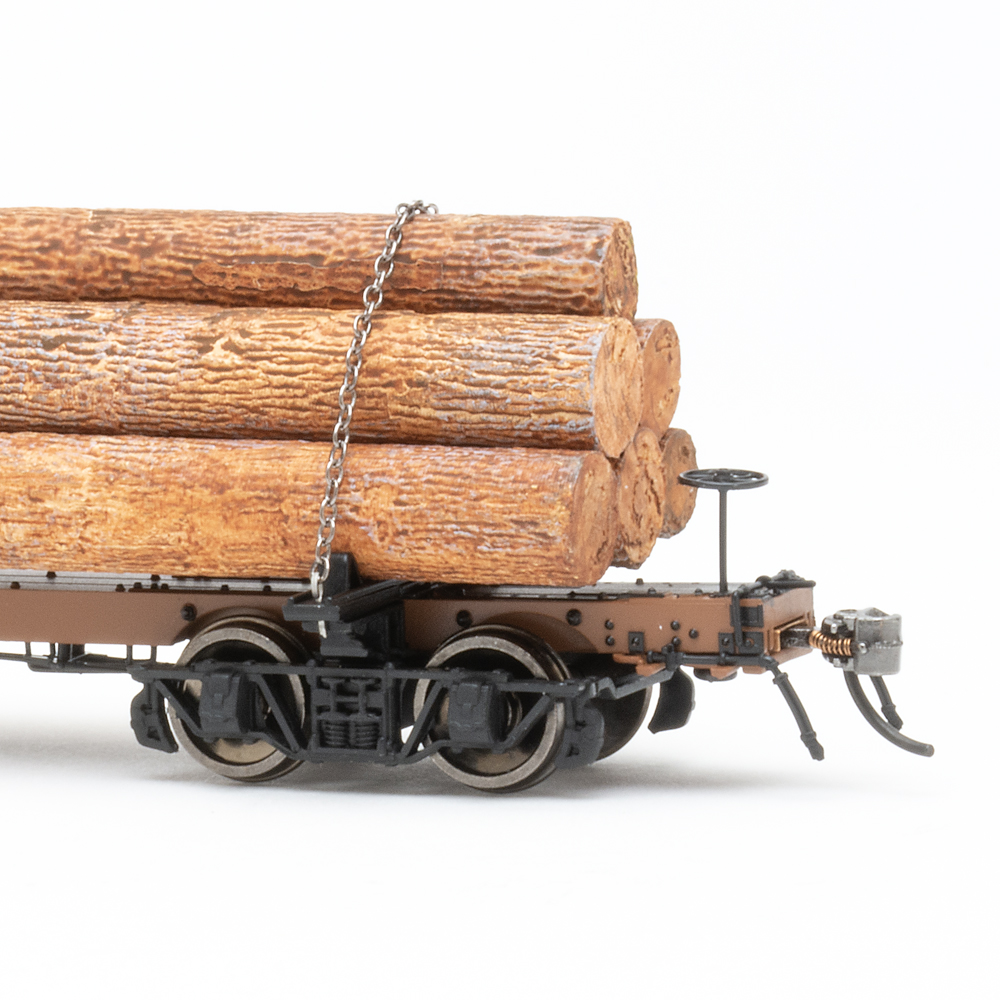
Price: $60 (without logs), $75 (with logs) Manufacturer KR Models Ltd. No. 100 — 17865 106A Ave. Edmonton, Alberta, Canada T5S 1V8 krmodels.net Era: Early 1900s to 1950s Comments: Loaded and empty skeleton log cars are now available in HO scale from KR Models Ltd. The ready-to-run model features injection-molded plastic construction, metal wheelsets, and […]
Read More…
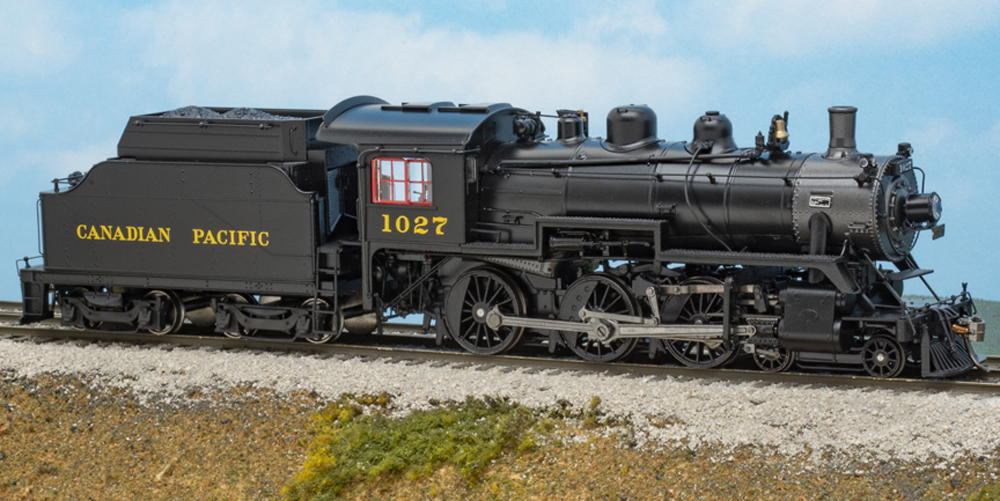
Q: Why are the flanges on model steam engine drive wheels so much larger than on the prototypes? Is it because the models don’t weigh very much? Or is it because they have to navigate tight curves? And do larger scales (like G scale and live-steam models) have flanges that are closer to the prototypes? […]
Read More…
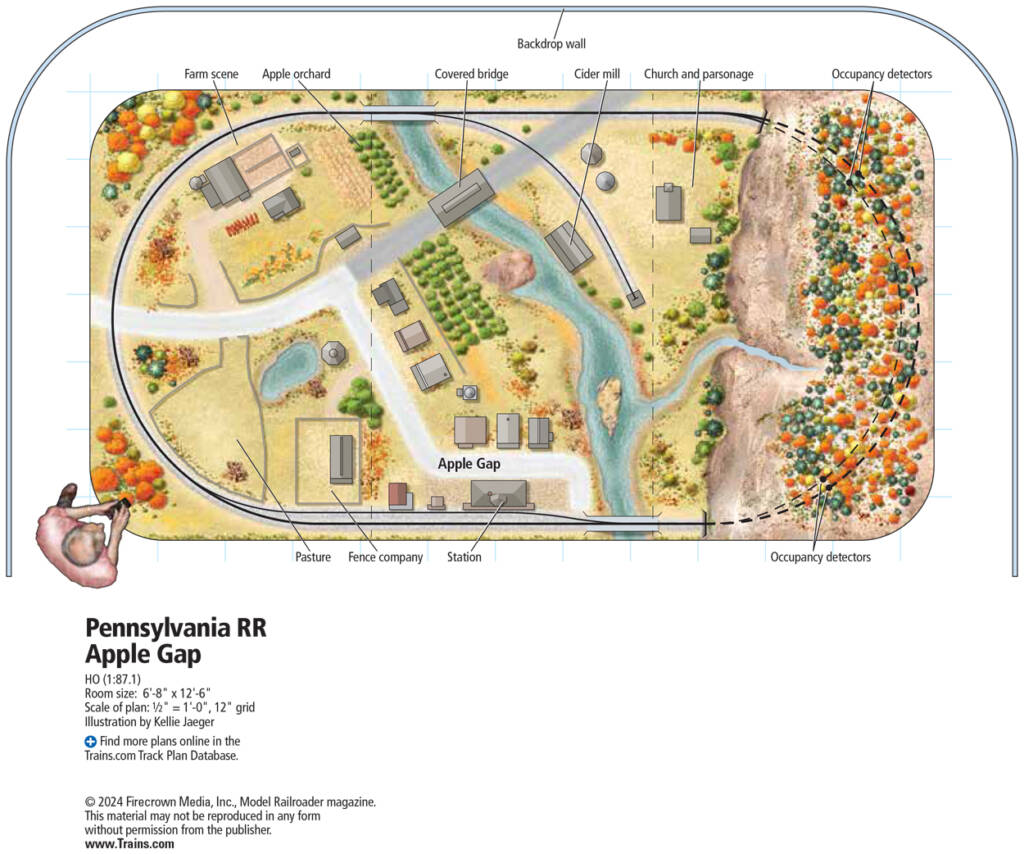
Facts and features Name: Pennsylvania RR Scale: HO (1:87)Size: 6′-8″ x 12′-6″Prototype: freelanced, inspired by PRRLocale: northeastern PennsylvaniaEra: changeable between 1870-1915, 1916-1942, and 1943-1959Style: island Mainline run: 31 feetMinimum radius: 36.5″Minimum turnout: No. 6Maximum grade: none (flat)Benchwork: tabletopHeight: 511⁄2“Roadbed: corkTrack: Micro Engineering flexible code 83Scenery: foam board and Kingspan underlayment on 3 ⁄4” medium density […]
Read More…
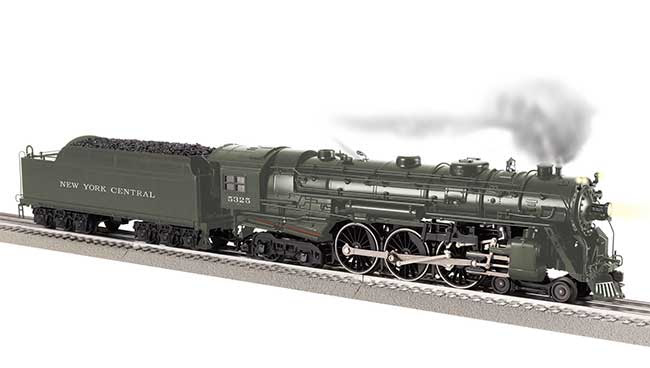
The Lionel Collectors Club of America (LCCA) announces some Lionel custom-run products. To celebrate Lionel Trains’ 125th anniversary, the LCCA is releasing a VisionLine 4-6-4 Hudson locomotive. The engine features operation via Legacy, TMCC, or conventional mode with a standard transformer. It also features Bluetooth control and Lionel Voice Control. Minimum curve requirement is O-54 […]
Read More…
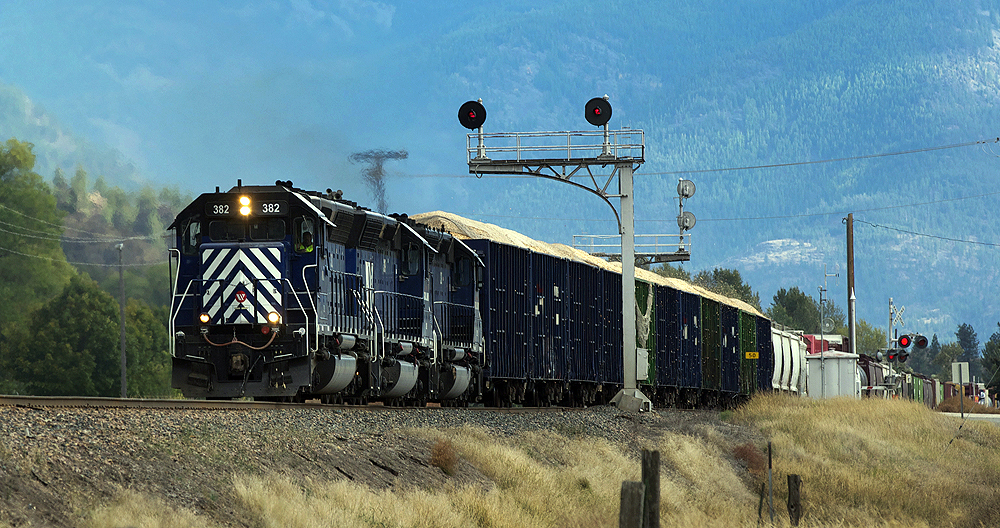
A common question newcomers to model railroading ask is “Why do railroads use signals?” The quick answer is to keep trains moving safely. But the topic of railroad signals deserves more of an explanation. The evolution of railroad signals When trains are running in the same direction on the same line, in opposite directions on […]
Read More…