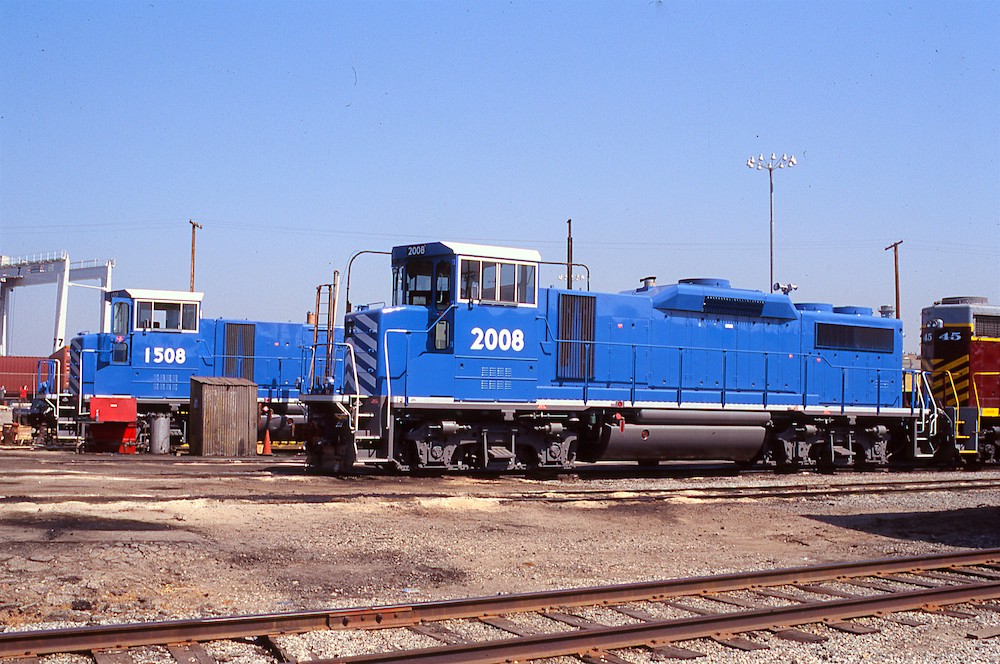
GP15D & GP20D A rare pair of Geep diesel locomotives, the GP15D and GP20D, looked like sure winners, but sank with hardly a ripple when they hit the market in the early 2000s. Locomotive builder MotivePower, Inc., based in Boise, Idaho marketed a light road-switcher concept in the early 2000s that should have appealed to […]
Read More…
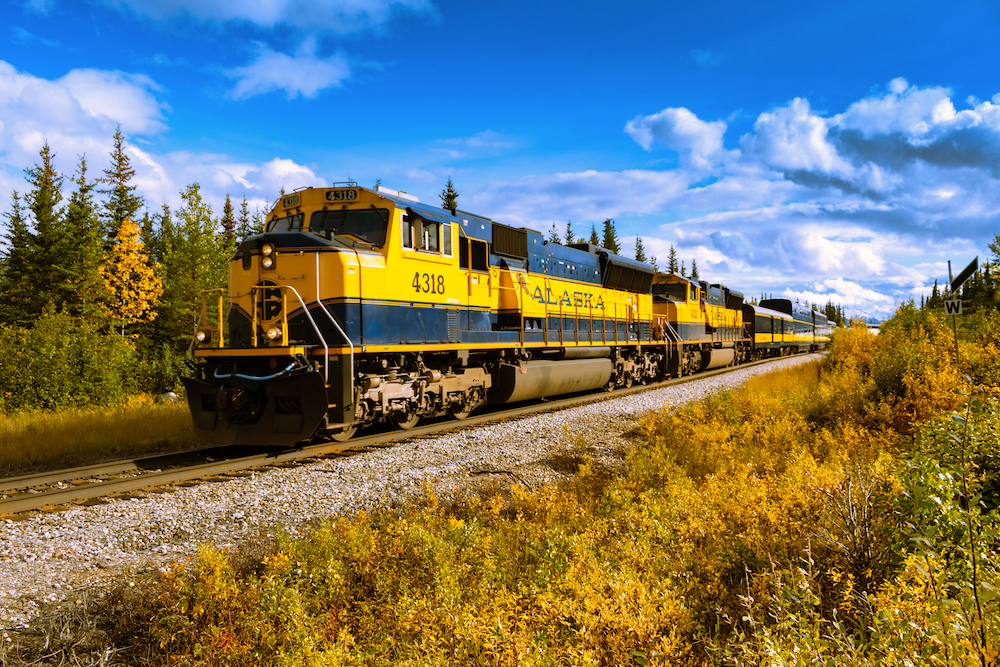
Note: This article corrects an earlier version that contained an error in the description of the SD70’s HTC-R trucks. See Comments for more information. Alaska Railroad’s SD70MACs make up the backbone of the railroad’s freight operations and they also power all the ARR’s long-distance passenger trains — wait, isn’t the SD70MAC a freight locomotive? Although […]
Read More…
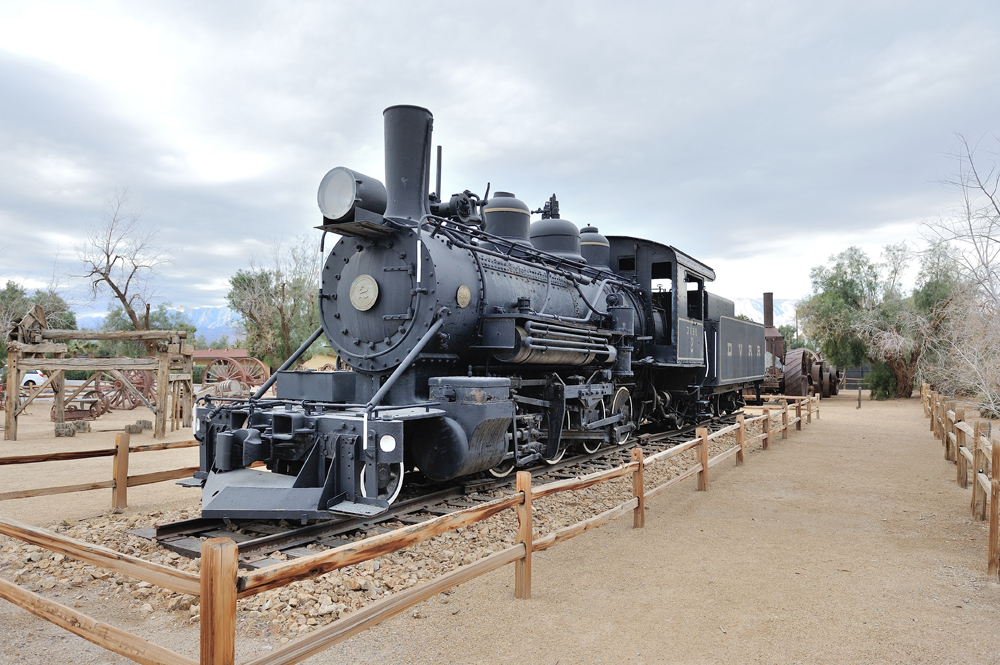
Death Valley Railroad Of all the places to run a railroad, perhaps the last you might expect to find one is California’s Death Valley. I mean, come on. Locals, what there are of them, claim it can be the hottest place on Earth in the summer. As for water, well, there’s not much of that […]
Read More…
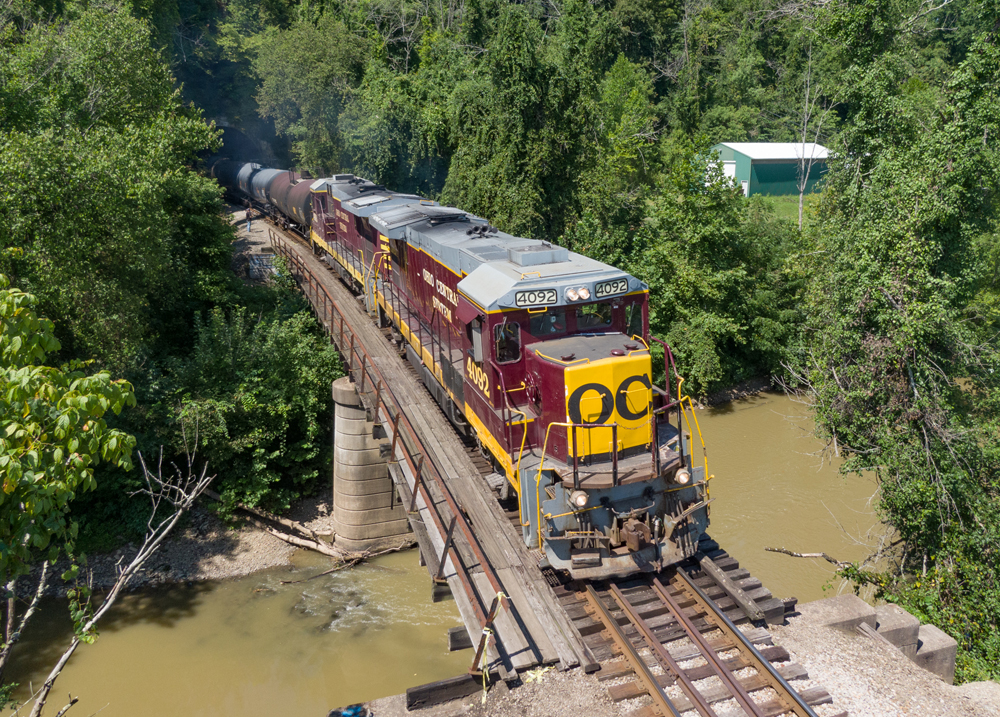
Genesee & Wyoming is undergoing the largest-ever transformation of its corporate locomotive fleet. A consent decree announced in January between the Environmental Protection Agency and G&W requires the company to remove and destroy 88 older locomotives, replacing them with locomotives meeting EPA emission standards [see “Genesee & Wyoming agrees to settlement …,” Trains News Wire, […]
Read More…
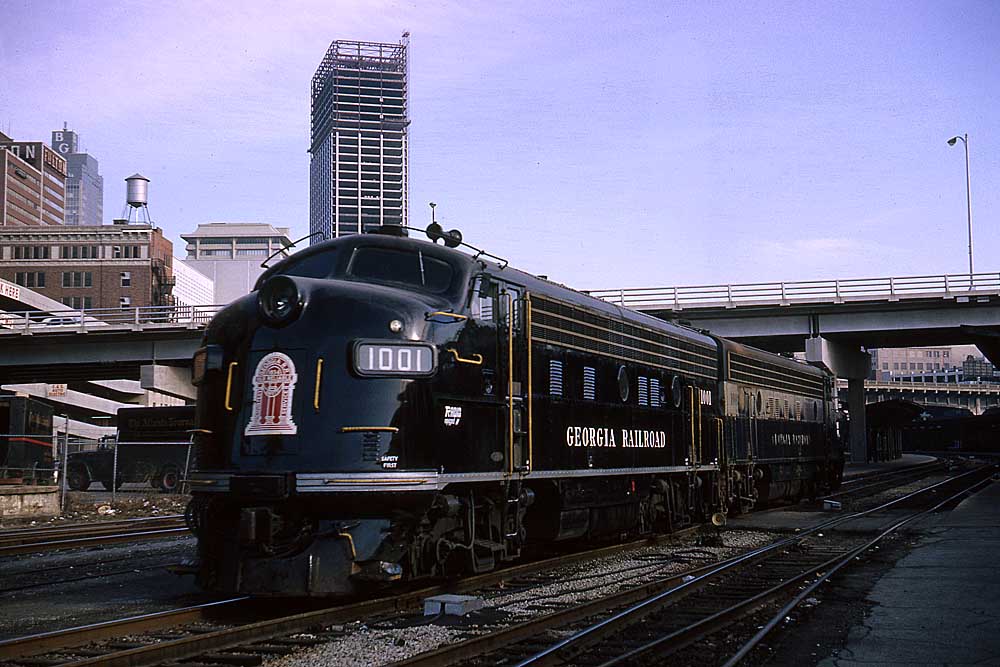
Georgia Railroad locomotives included a mix of small steam designs and EMD models. By 1914 the Georgia Road was powered by an assortment of 4-4-0s, 0-6-0s, Moguls, Ten-Wheelers, four modern Lima 2-8-2s, and a pair of light Pacifics. A handful of all-steel baggage cars, RPOs, and coaches shared the car roster with a […]
Read More…
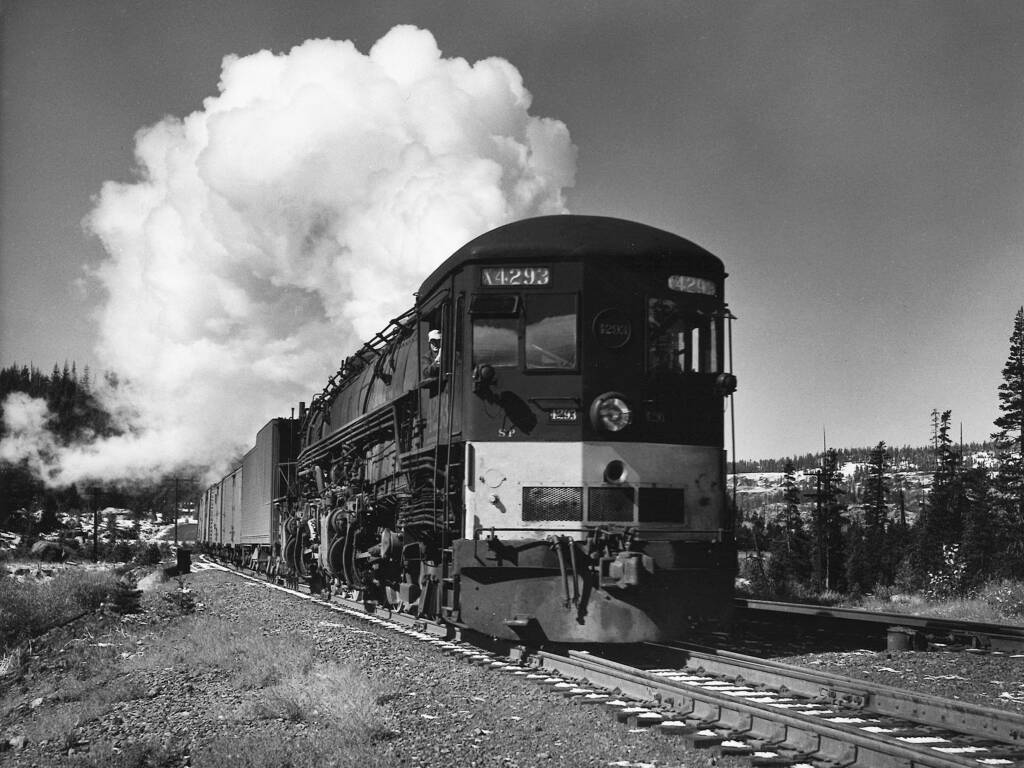
In the steam era, perhaps no sight was as unconventional as an encounter with one of the Southern Pacific cab-forwards. These monstrous AC class 4-8-8-2 steam locomotives turned engine design almost literally on its head by flipping the position of the cab and the firebox to the front. As they would in the diesels that […]
Read More…
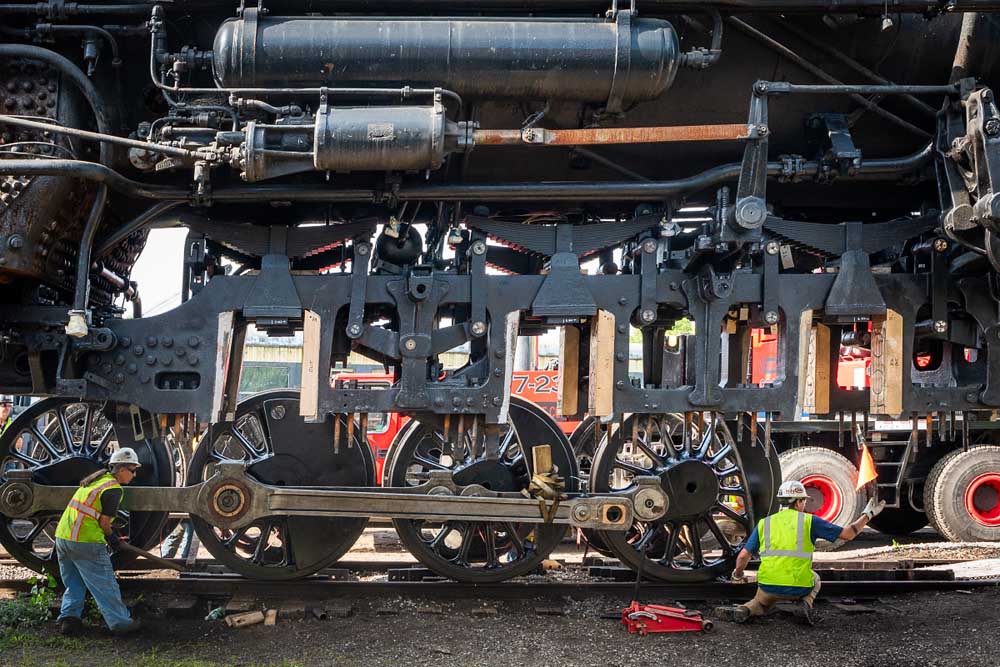
When I began writing this Mileposts blog seven years ago, I told myself to avoid saying much about my favorite steam locomotive, Pere Marquette 2-8-4 No. 1225, which I worked on in college at Michigan State. The 1225 led me to a career, and I wrote a book about it. But there are plenty […]
Read More…

Meet the Enthusiasts We are not alone, although it sure can feel that way. Many of us have, at one time or another, may have felt we needed to explain why we like trains and railroading. If we didn’t get the “look,” it was usually “Oh, you still play with trains?” After a while you […]
Read More…
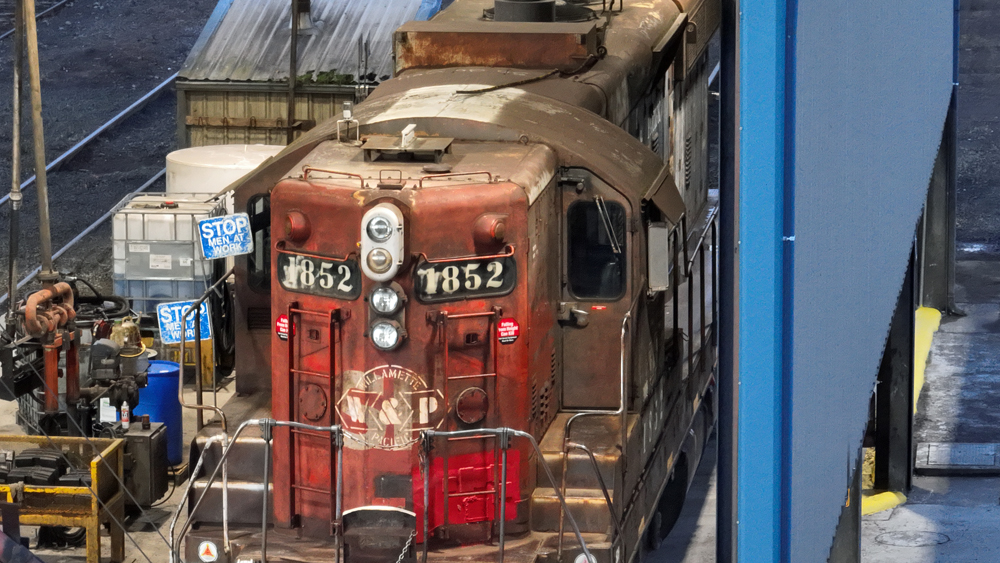
Portland & Western’s classic SP power The Portland & Western Railroad, a Genesee & Wyoming-owned short line, operates in the bucolic splendor of Oregon’s Willamette and Columbia River valleys. Utilizing a series of ex-Southern Pacific and Burlington Northern branch lines, the road stretches from Astoria southward to Eugene, passing through Portland, McMinnville, and Albany along […]
Read More…
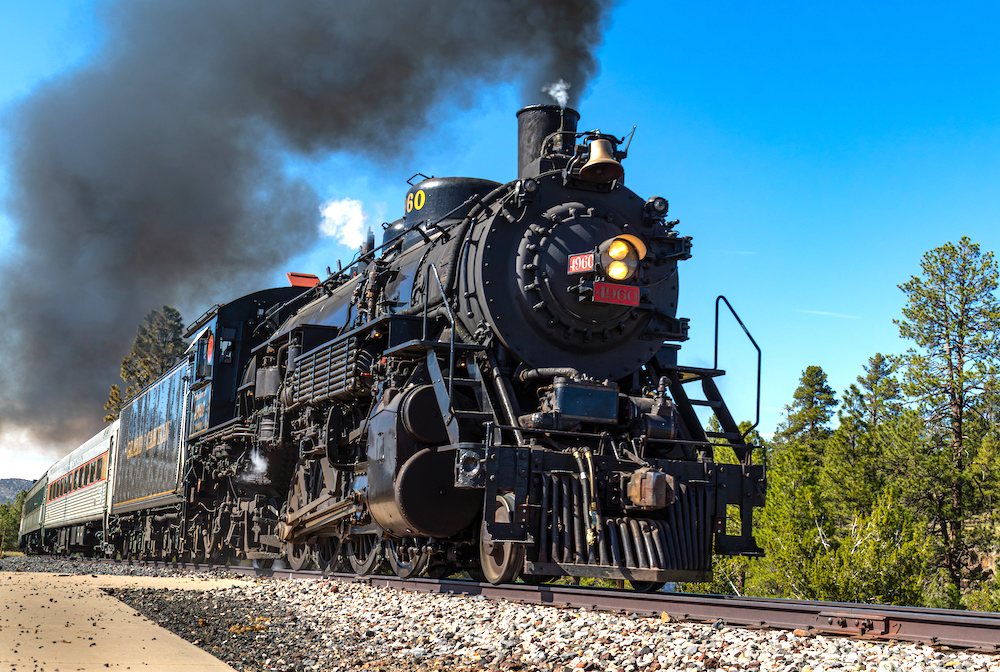
Builder: Baldwin Locomotive Works Wheel arrangement: 2-8-2 Mikado Build date: March 1923 Why it’s important: Grand Canyon Railway’s 4960 was built by Baldwin Locomotive Works for the Chicago, Burlington & Quincy. The O-1A class 2-8-2 Mikado No. 4960 was ideally suited for powering fast freight trains across Burlington’s mostly level Midwest routes. With the arrival […]
Read More…
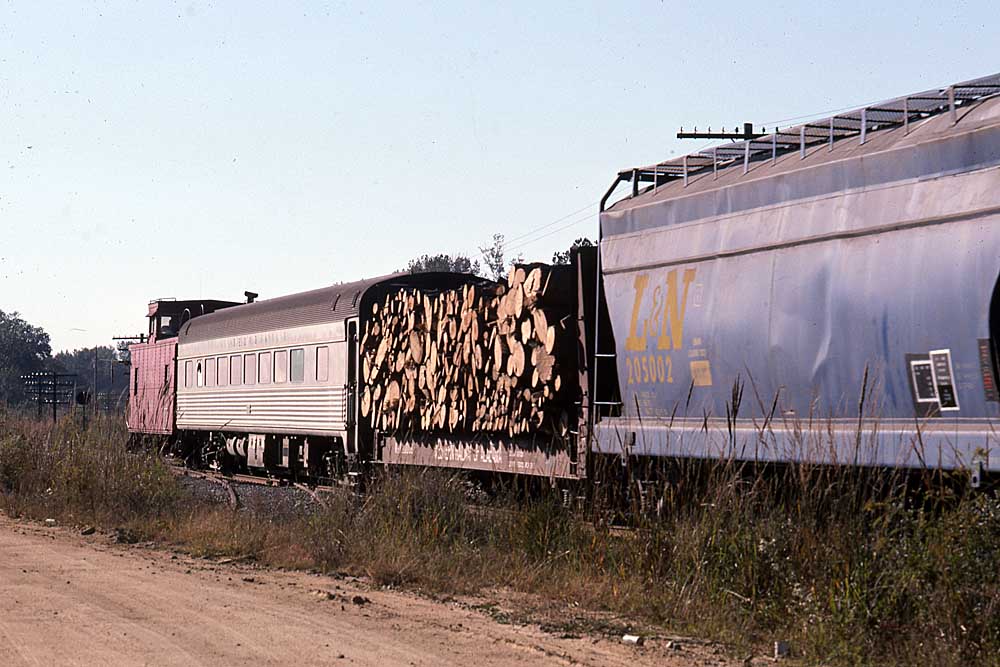
Editor’s Note: Former Classic Trains Senior Editor J. David Ingles rode the Georgia Railroad mixed train with his wife, Carol, on Oct. 22, 1975. Wednesday morning was dawning clear but crisp as we left the motel, and our taxi driver had no trouble making the 7-mile trip to the Harrisonville Yard “passenger station” […]
Read More…
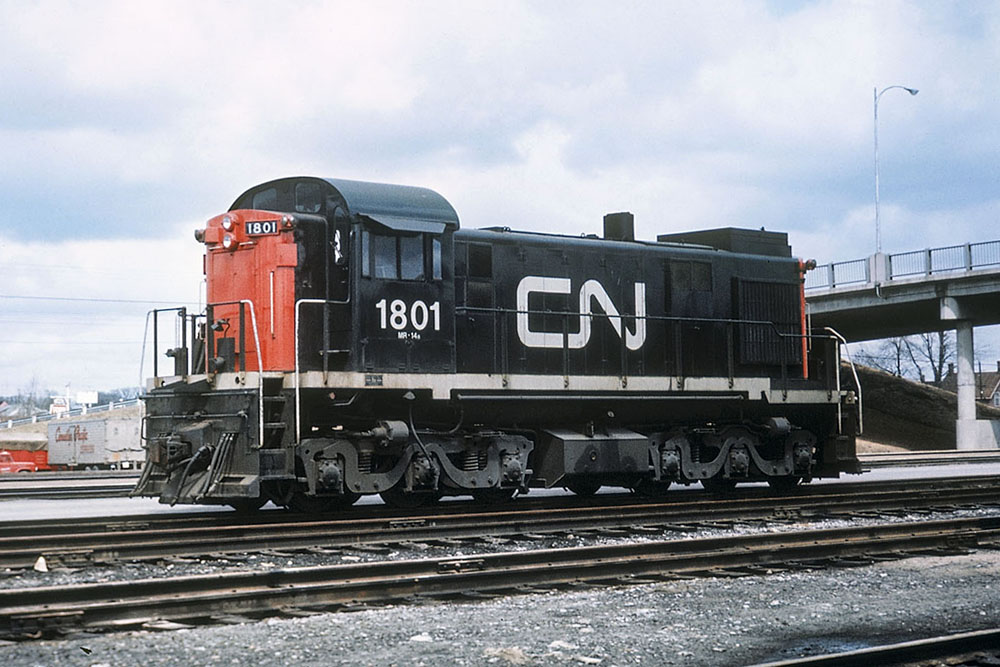
Montreal Locomotive Works RSC24 diesel locomotives were “conceived of cannibalism.” So went a claim in the April 1977 issue of Trains. Montreal Locomotive Works had encouraged Canadian National to upgrade its older, 1,600 hp road switchers with new 12-cylinder, 251-type prime movers. Four of its 244-type prime movers were recycled into the new RSC24 […]
Read More…