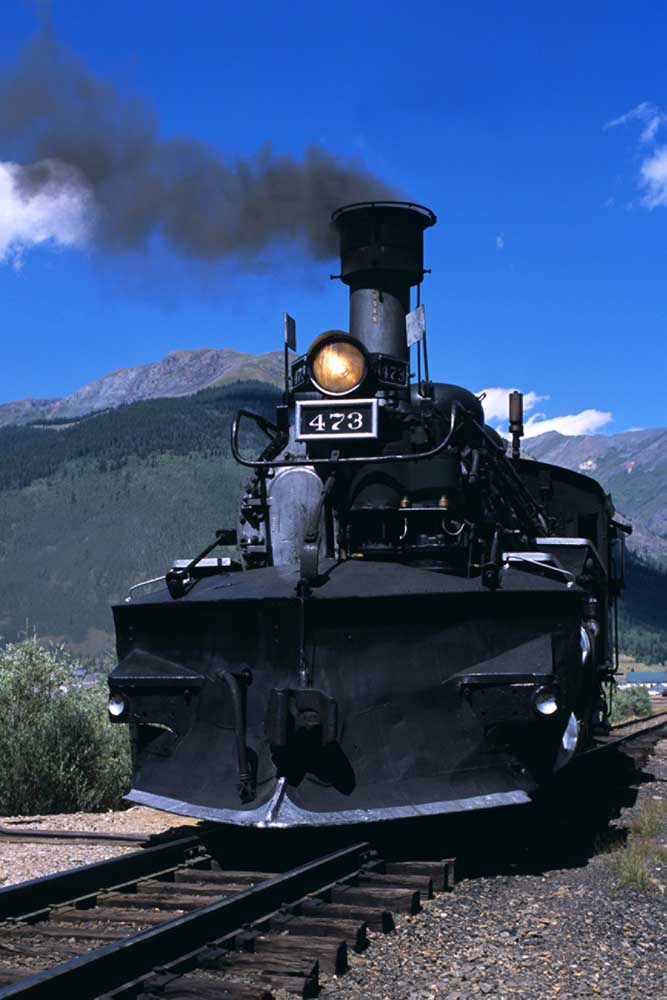
It was an oddball branch line with a just-as-odd history that is still worth recounting. The Rio Grande’s Farmington Branch was built in 1905 to connect Carbon Junction, Colo. (just outside of Durango to the southeast), and Farmington, N.M. It was a modest, 47.68-mile standard gauge line (later narrow gauge) that followed the […]
Read More…
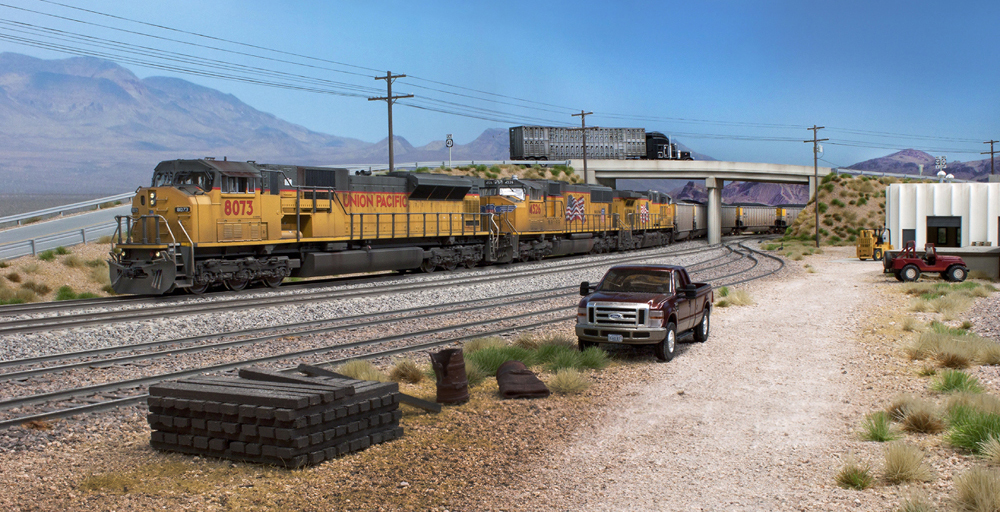
Today, model railroaders are blessed with a wide variety of commercial track in most popular scales. It wasn’t all that long ago that off-the-shelf track was largely one-size-fits all, with oversized rail, bulky ties, and little detail. Now, mass-produced track is available in different rail heights (called codes) with simulated wood or concrete ties, prototypical […]
Read More…
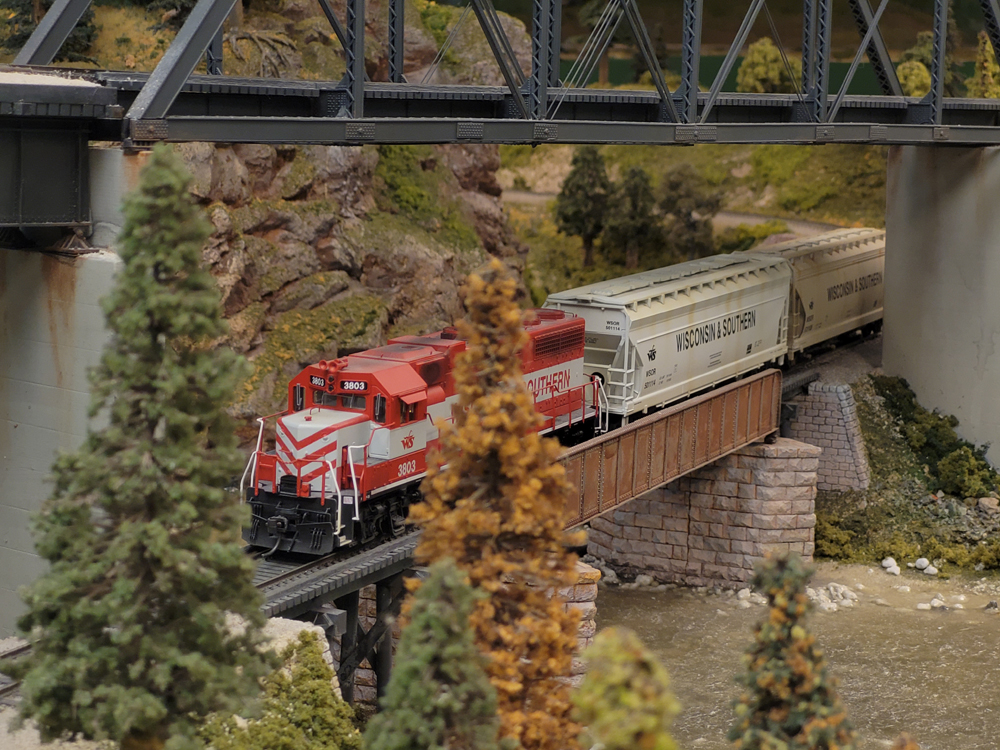
HO scale model trains are a significant part of model railroading history, and we can partially credit the overall popularity of model trains with the rise of a convenient, tabletop scale like HO. With origins dating back a century, HO scale trains have grown into the most popular model train scale in the world. Model […]
Read More…
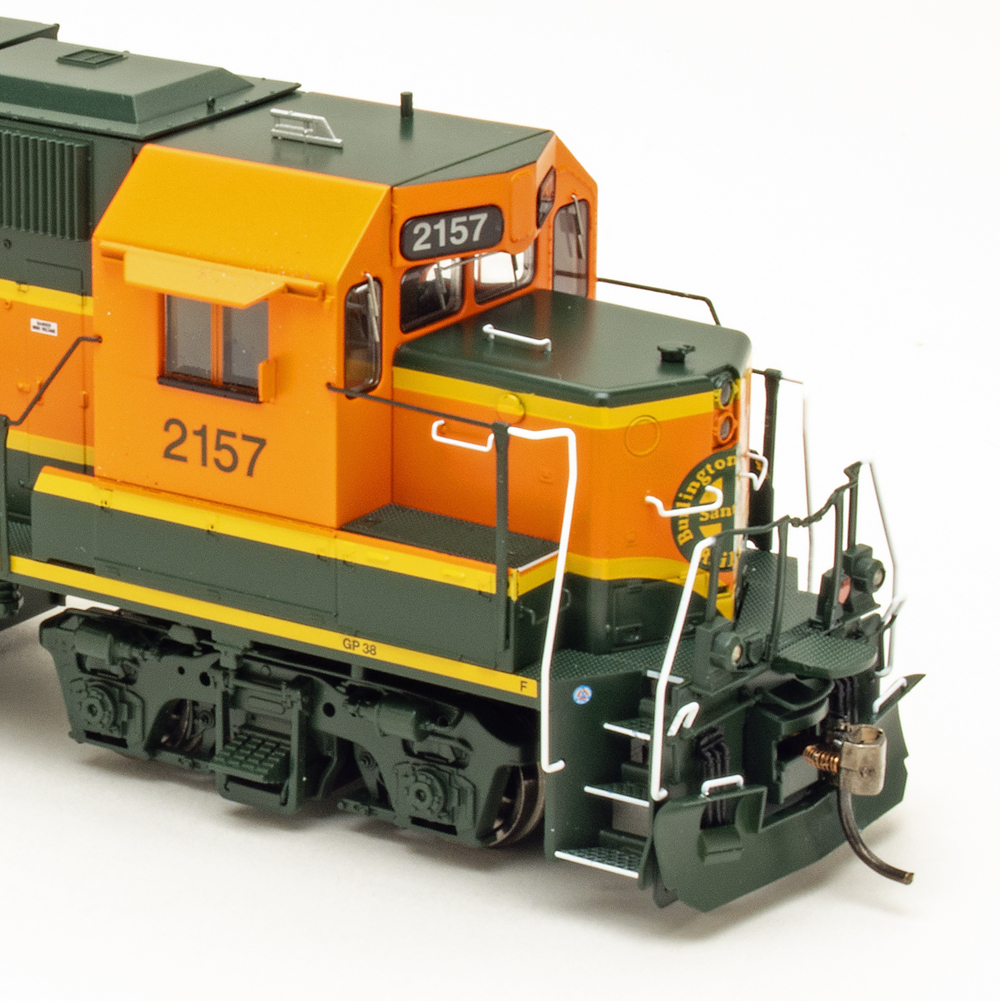
An Electro-Motive Division GP38 diesel locomotive is now available in HO scale from Rapido Trains. The four-axle road switcher features plastic and die-cast metal construction, railroad-specific details, and body-mounted metal couplers. Prototype history Electro-Motive Division produced the GP38 from January 1966 through December 1971. During the course of the production run, 733 units were built […]
Read More…
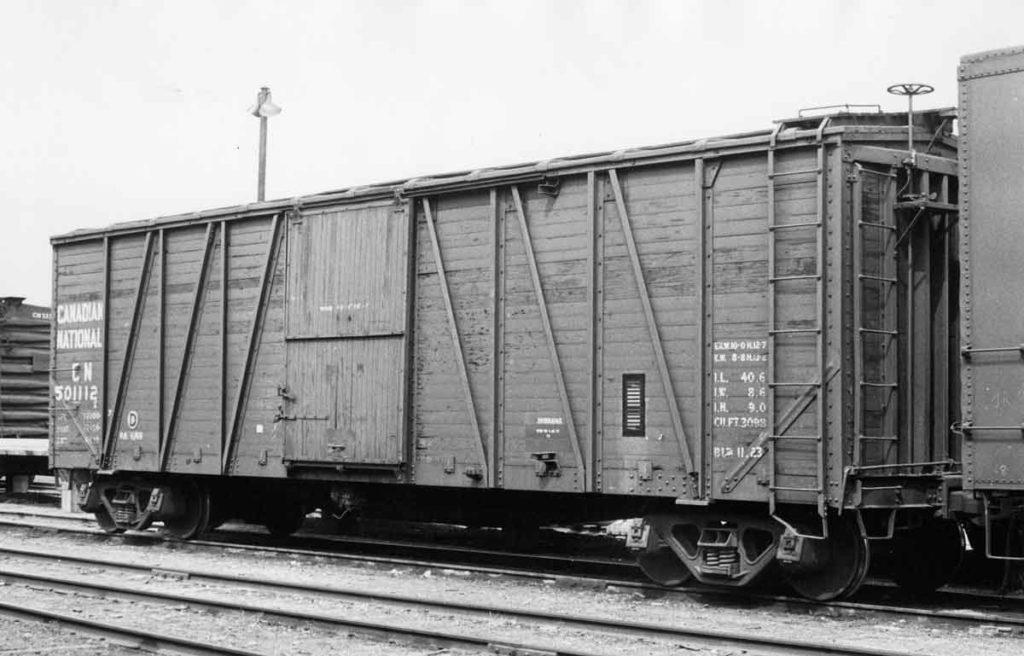
This 40-foot Canadian National boxcar was built in November 1923 and was still in service in the 1970s. The car is single-sheathed (meaning sheathed only on the inside of the truss-style metal bracing) and has wood sides and ends. Note the modern AEI panel on the 1923-built car. Michael Dean photo […]
Read More…
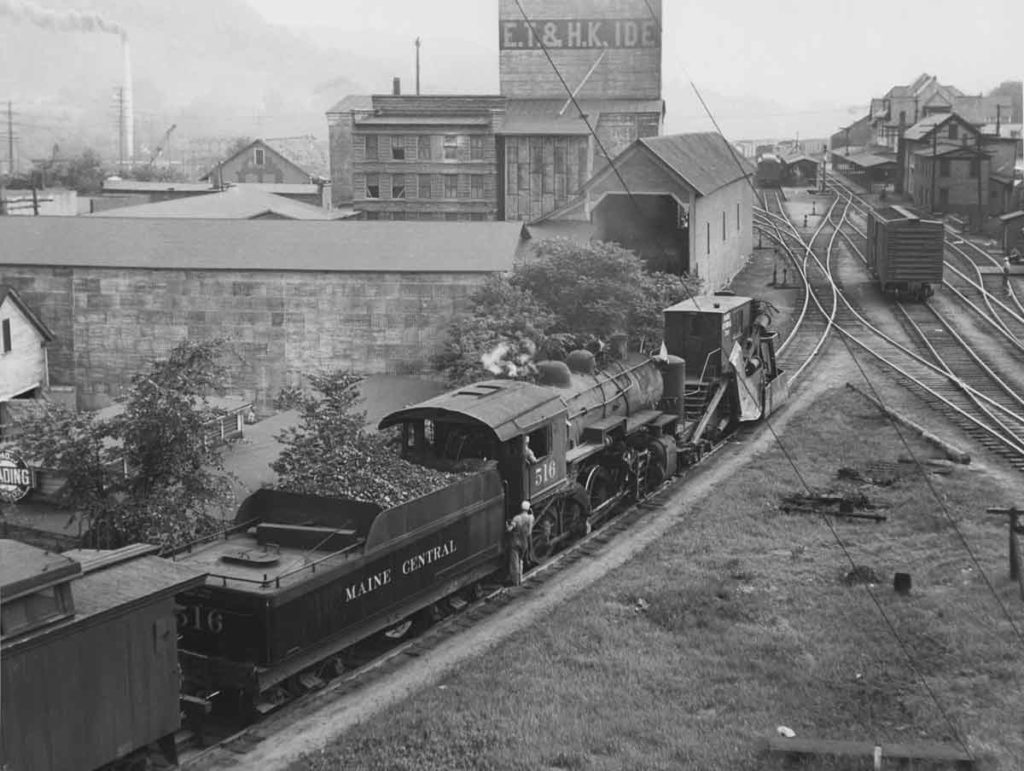
Maine Central 2-8-0 516 is sandwiched between a Jordan spreader and caboose as it approaches the station at St. Johnsbury, Vt., in September 1947. Philip R. Hastings photo […]
Read More…
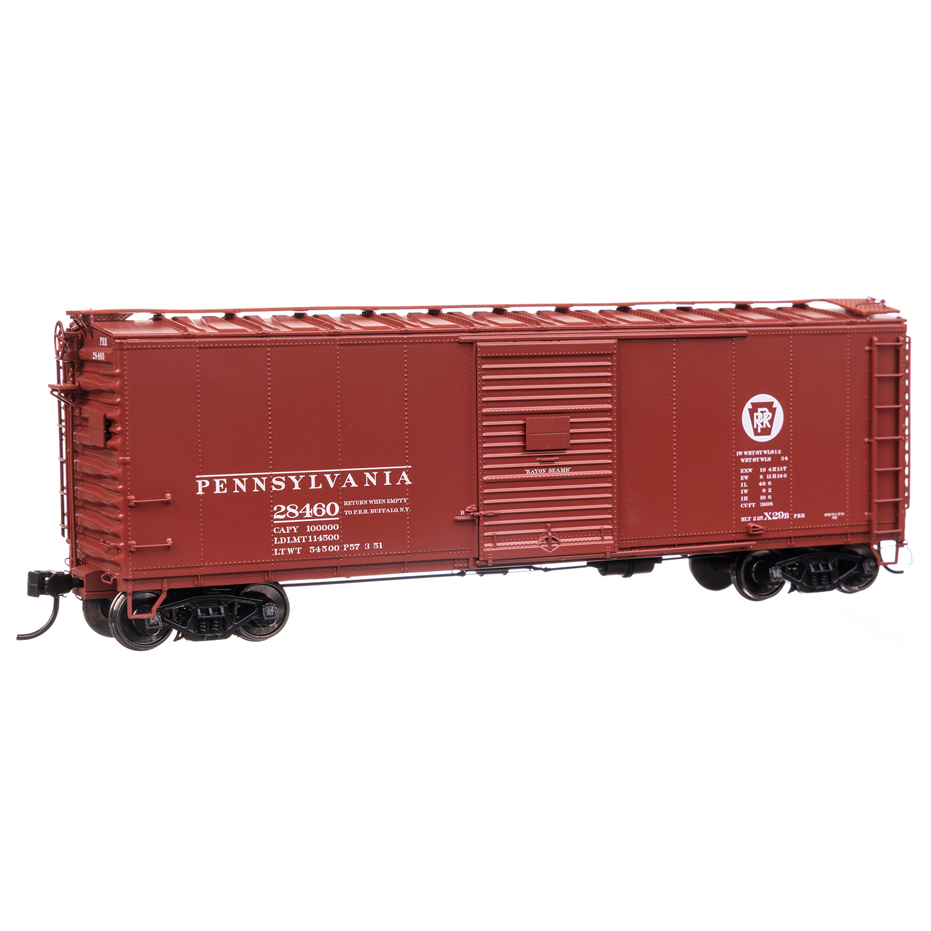
News & Products for the week of February 24th 2025 Model railroad operators and builders can get the latest information about locomotives, freight cars, passenger cars, tools, track, and more by reading Model Railroader’s frequent product updates. The following are the products Model Railroader editors have news on for the week of February 24th, […]
Read More…
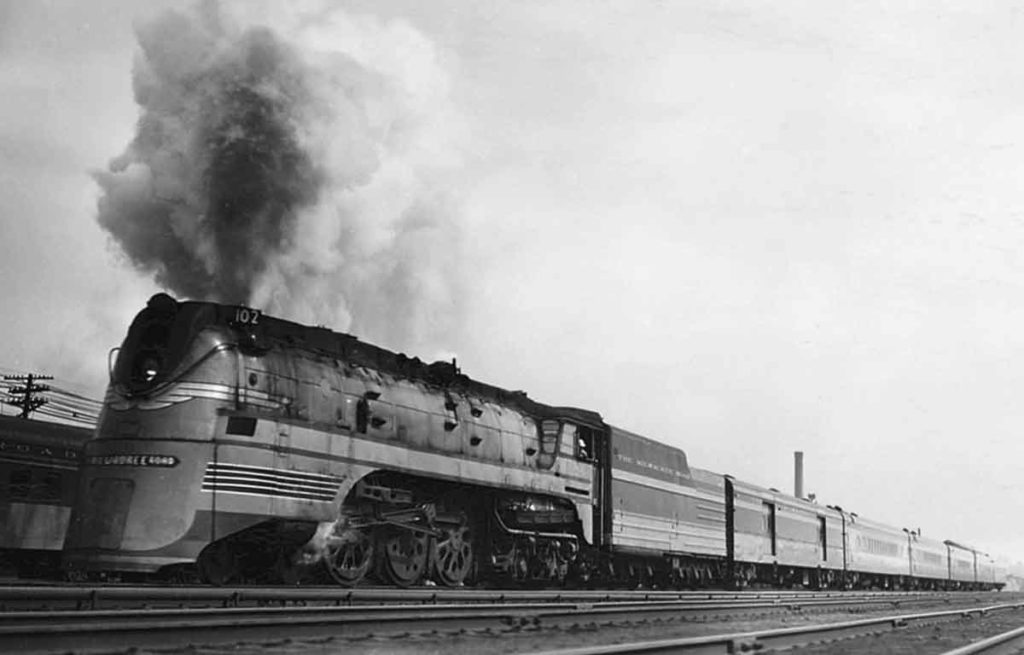
Milwaukee Road streamlined 4-6-4 No. 102 leads a Minneapolis-bound Hiawatha out of Chicago at Western Avenue in March 1949. Retirement is just a year away for the sleek greyhound. Harold Stirton photo […]
Read More…
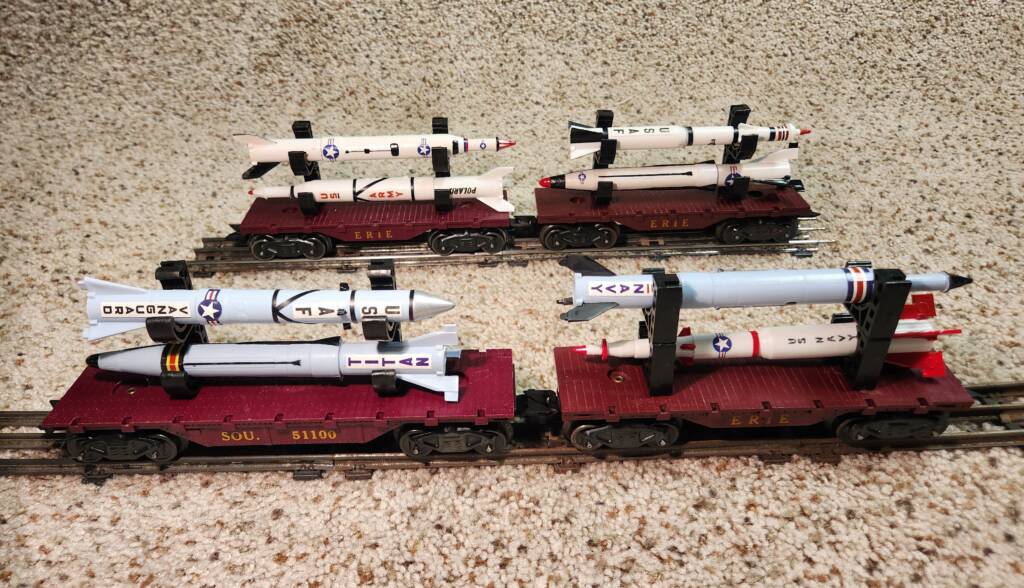
Marx offered a Missile Launcher & Carrier car that was a neat item. Unfortunately, it was only available in 1957, 1961 and 1962, making it both rare and hard to find. If you want a similar-looking car, I have a less-expensive solution that’s an easy weekend project. A couple years ago, a friend brought over […]
Read More…
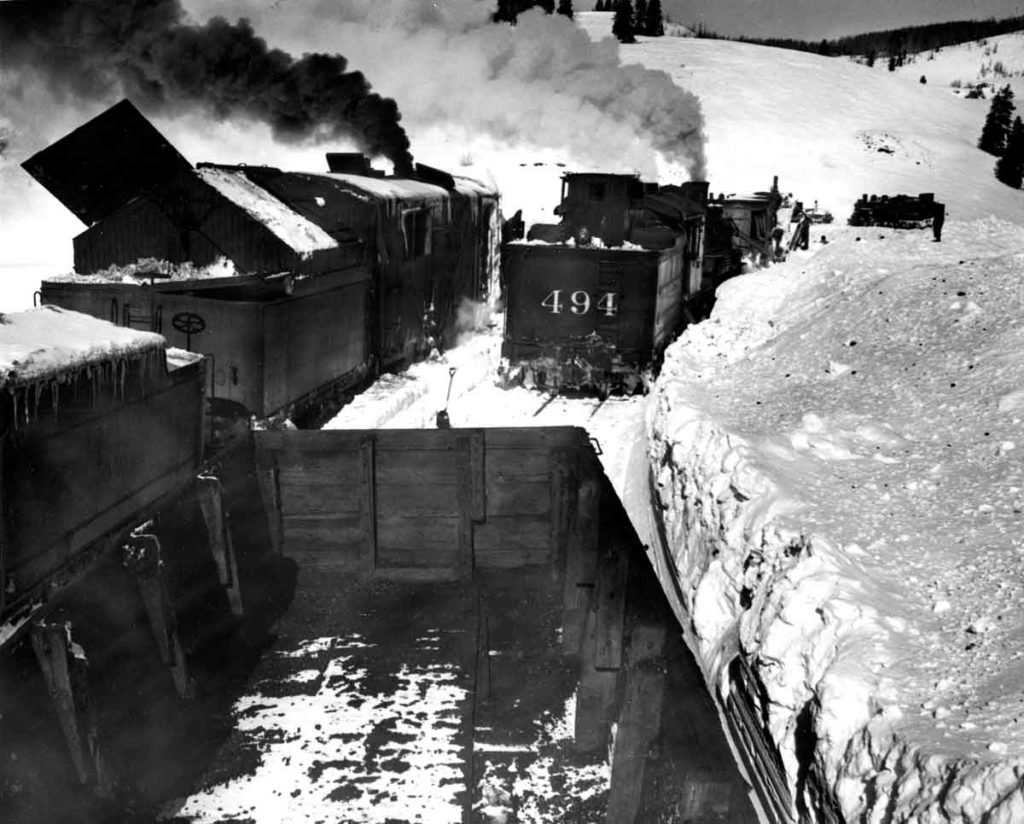
Rio Grande rotary plow OY stands with 2-8-2 494 at Osier, Colo., on January 4, 1952, during one of the worst winters to hit the D&RGW narrow gauge. John Norwood photo […]
Read More…
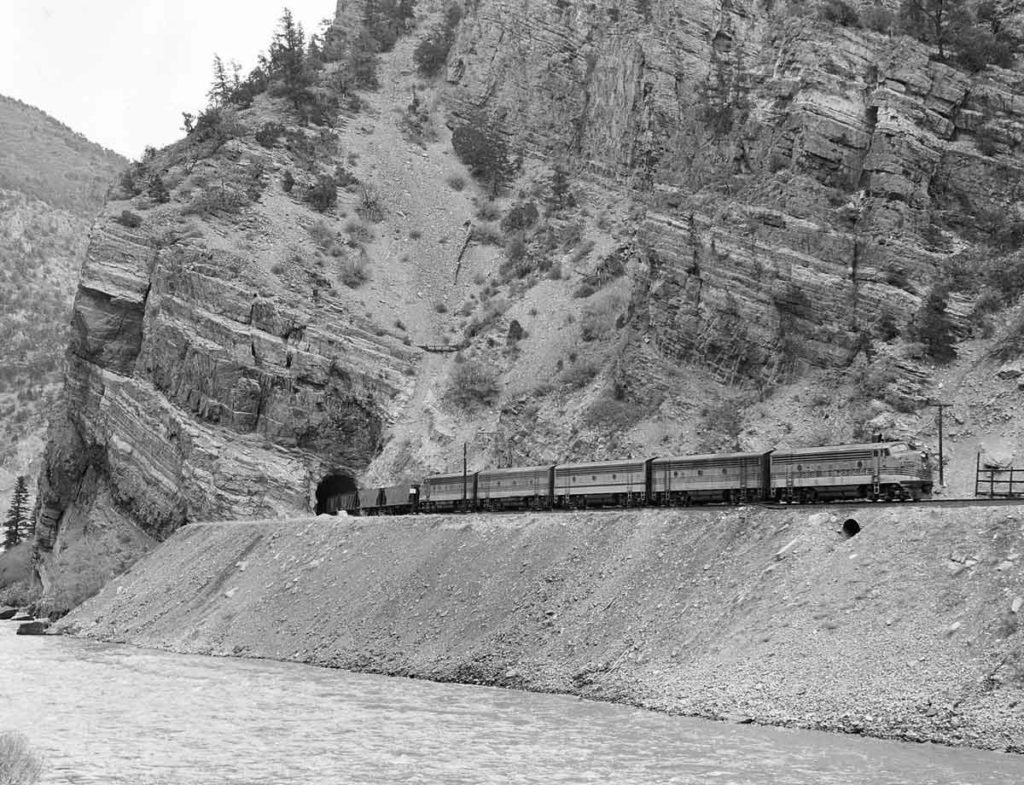
Five Denver & Rio Grande Western F7 diesels roll a westbound freight through scenic Glenwood Canyon between Dotsero and Glenwood Springs, Colo., in April 1965. Classic Trains coll. […]
Read More…
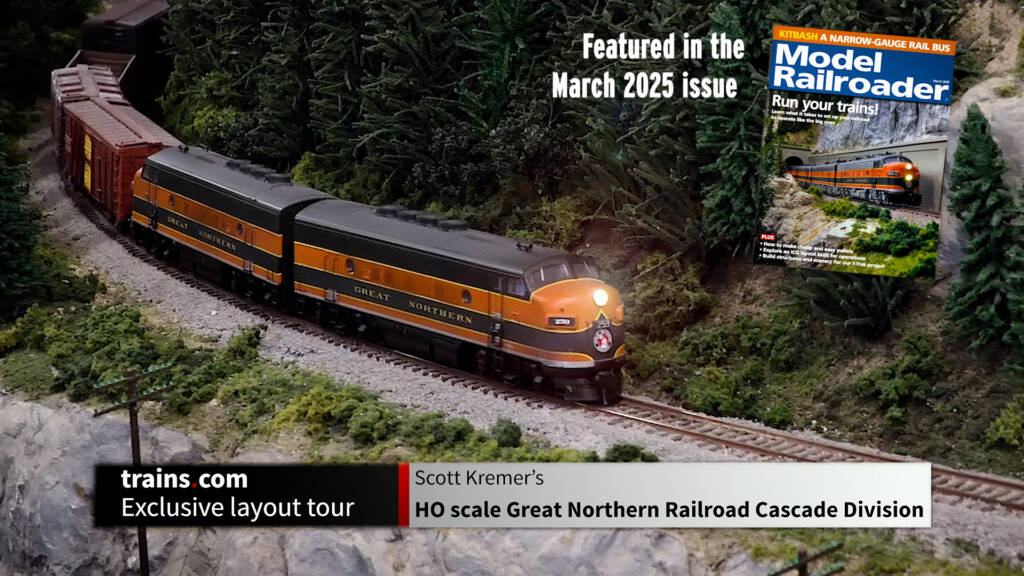
Scott Kremer’s Great Northern Ry. Cascade Division in HO scale | Trains.com video staff captures Model Railroader Editor Eric White as he tours Scott Kremer’s 30 x 42-foot HO (1:87) scale basement layout. Catch a sneak peek months before crowds arrive to visit and operate the impressive model railroad set for display during the 2025 NMRA […]
Read More…